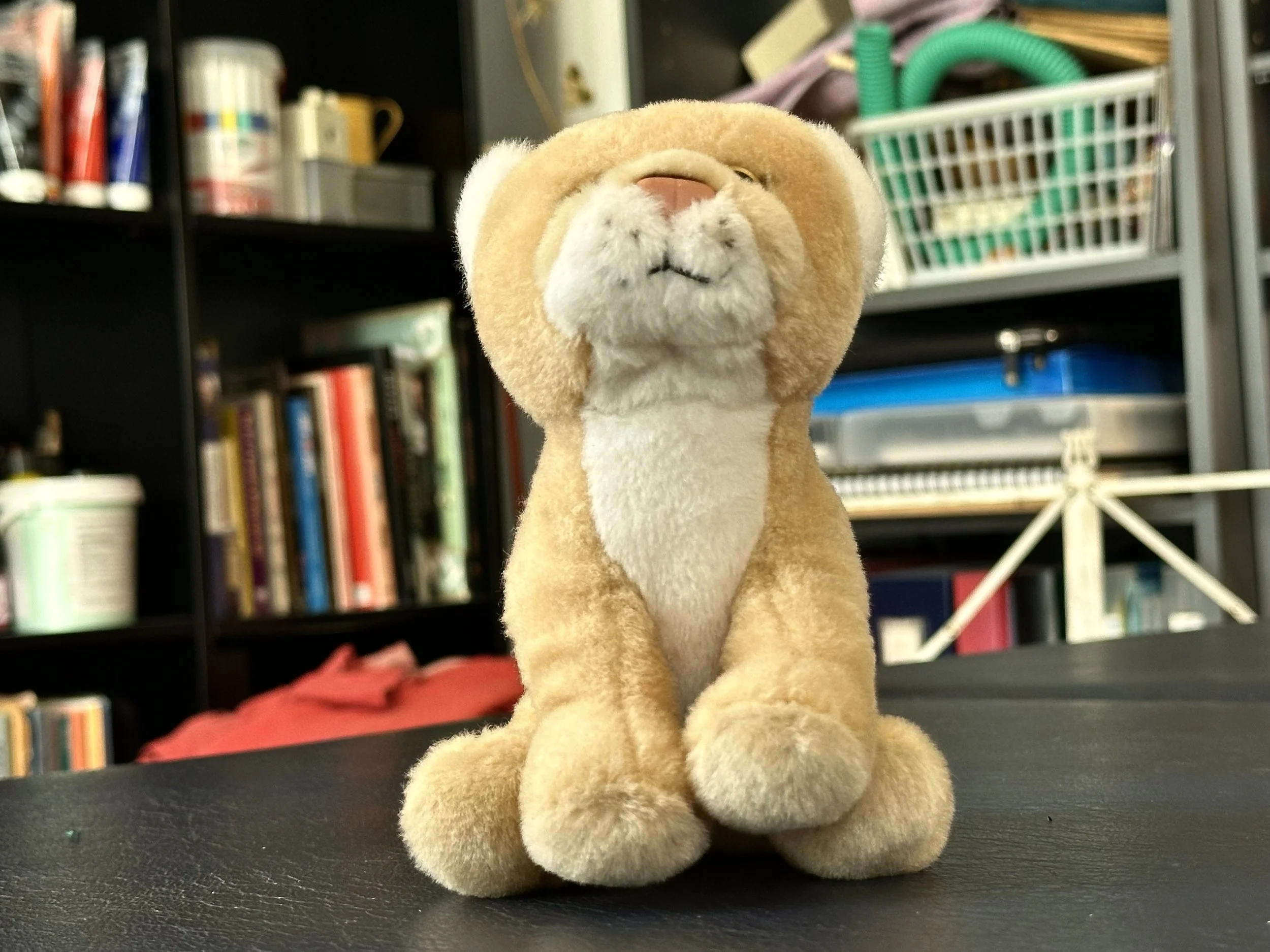
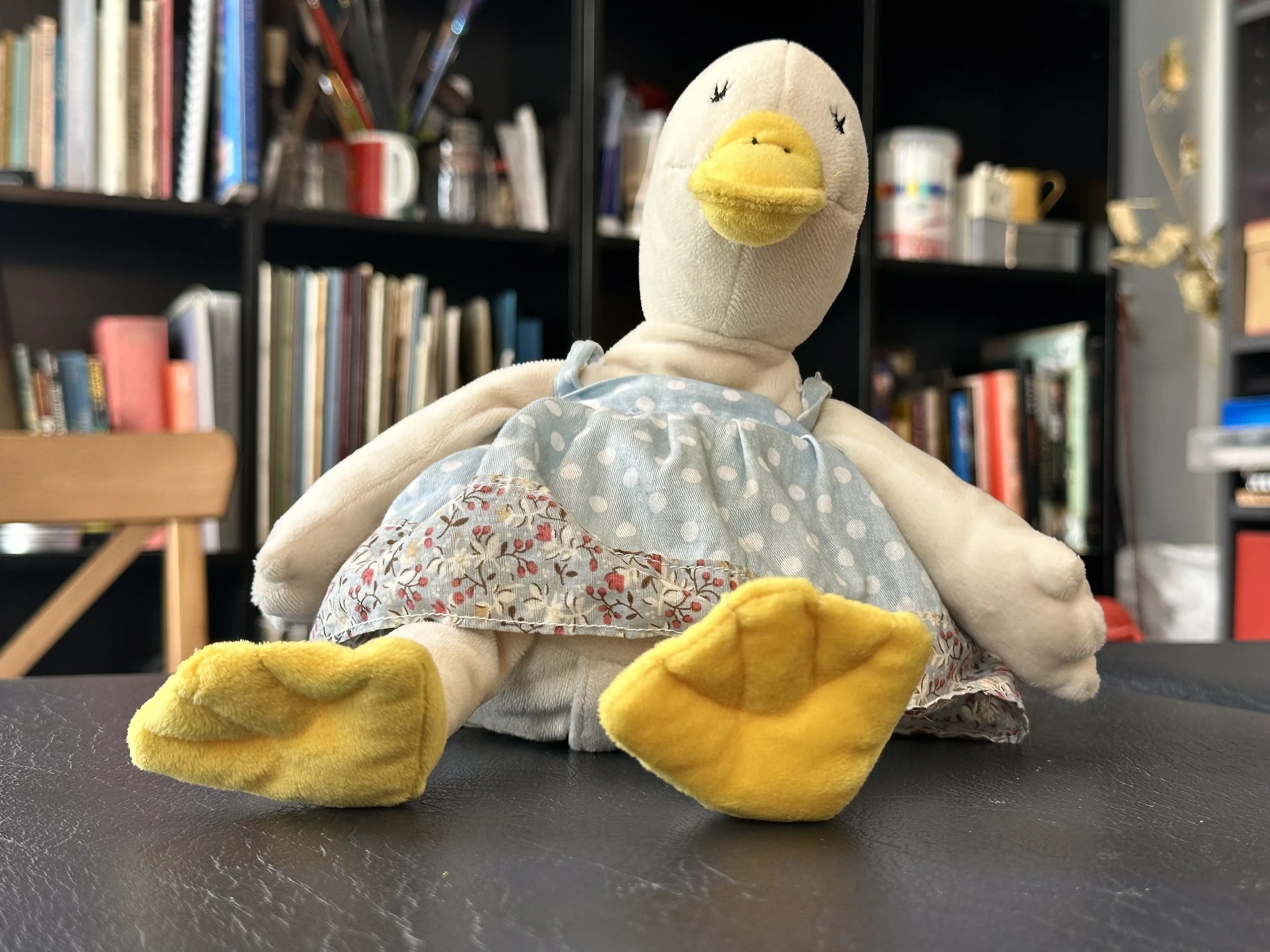
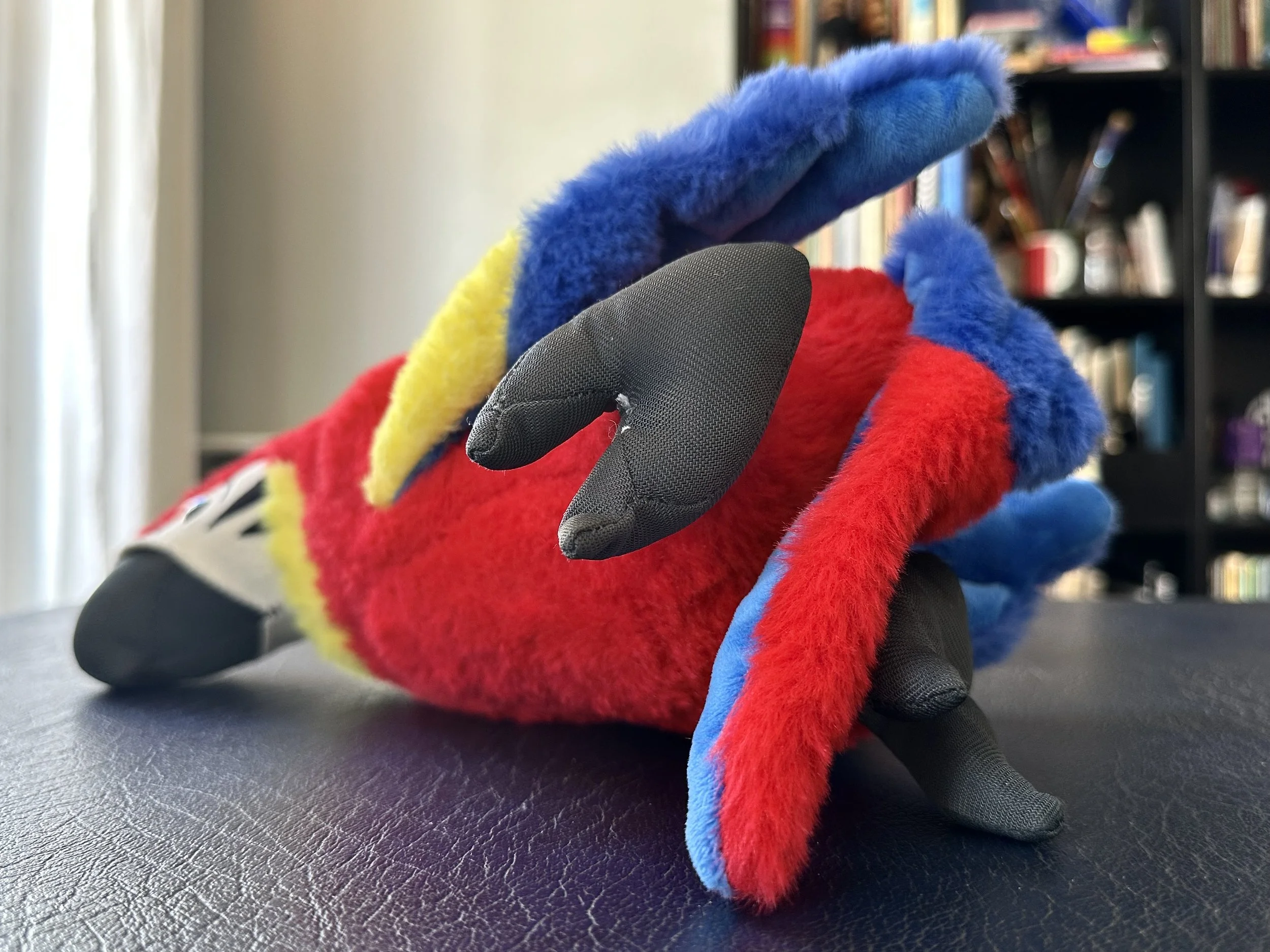
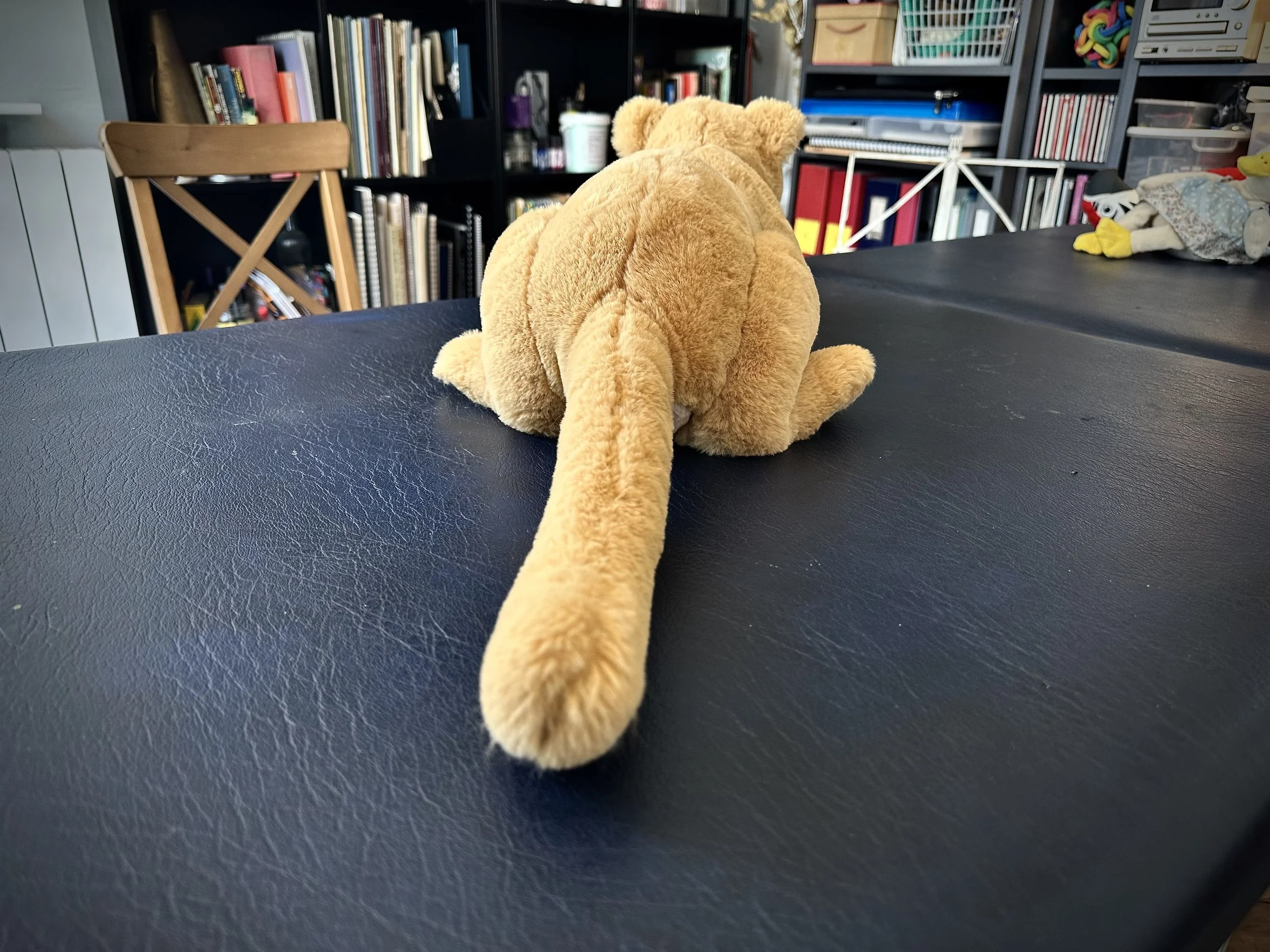
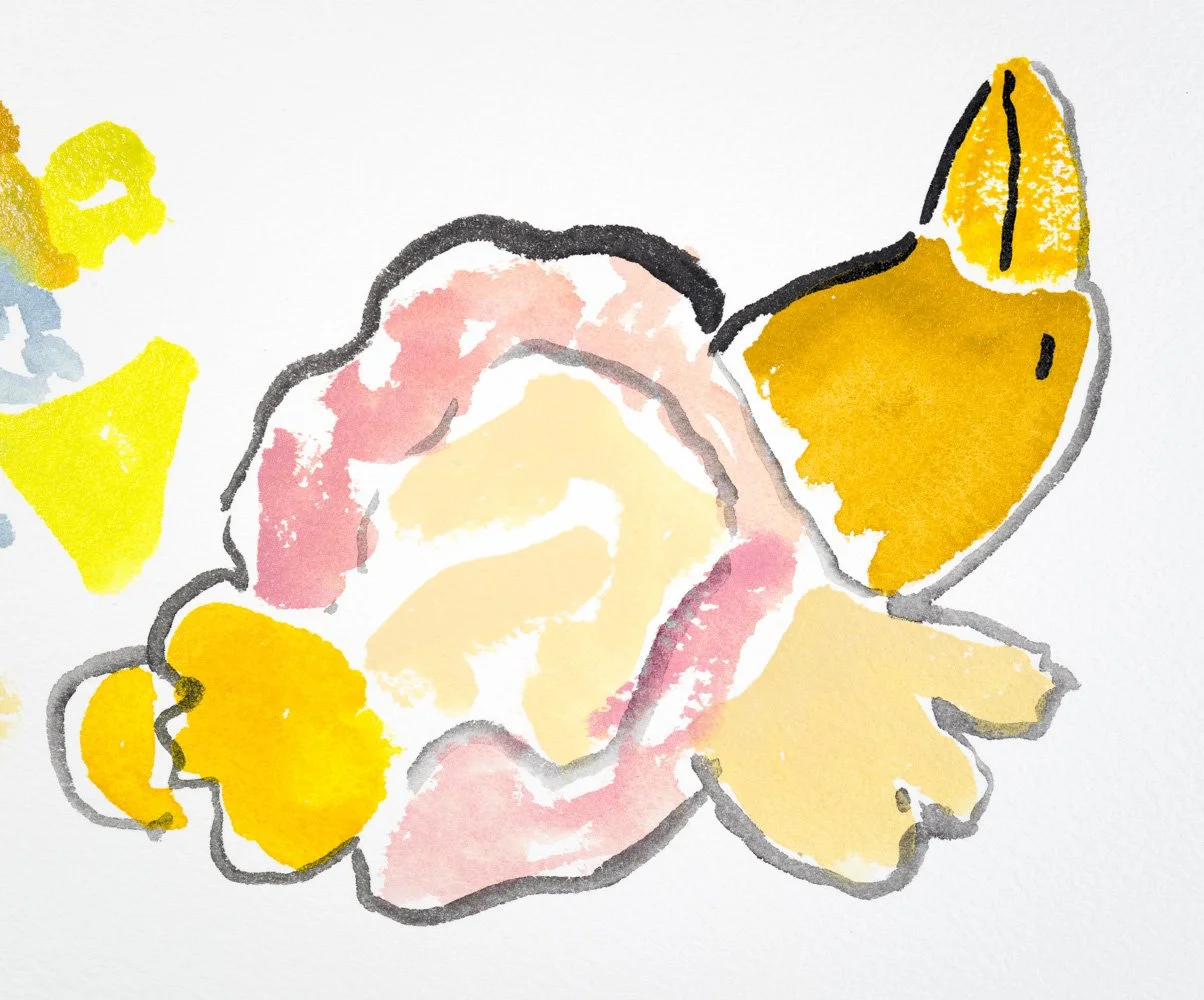
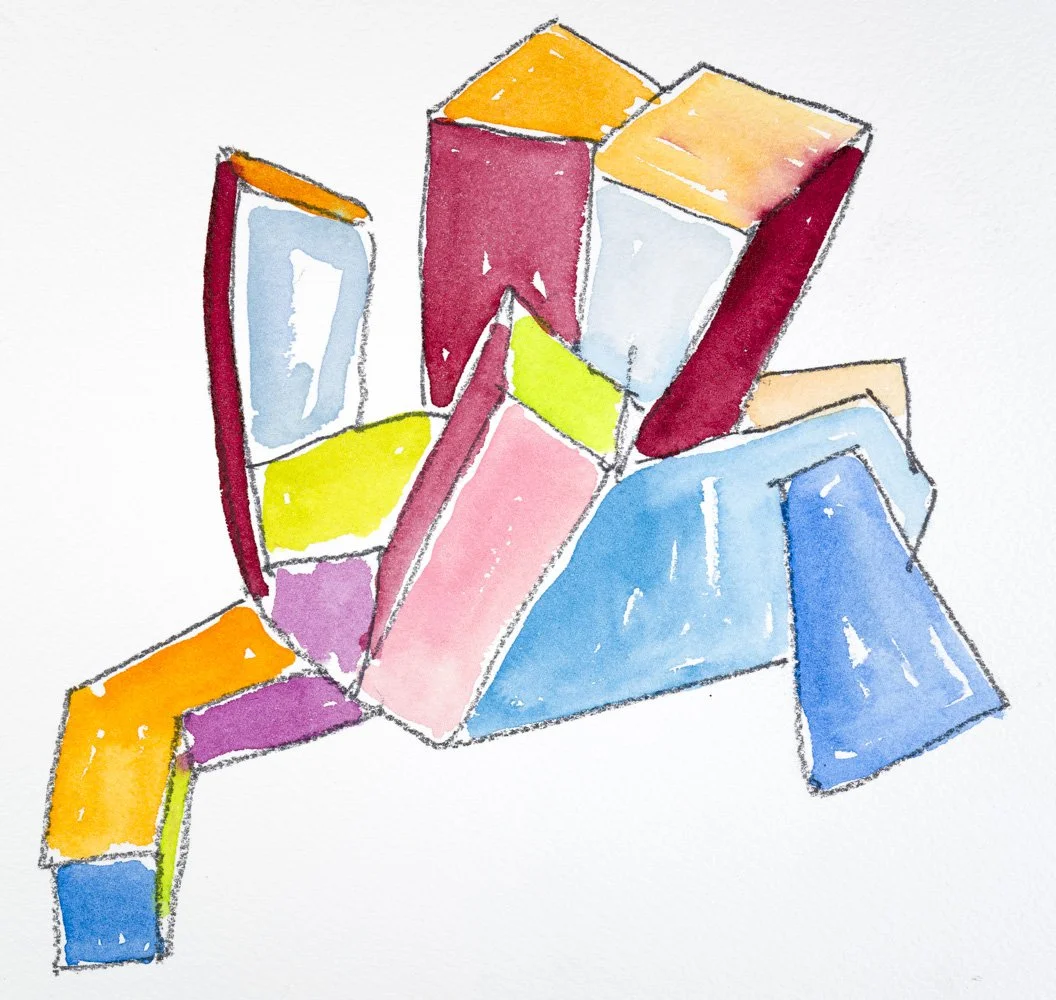
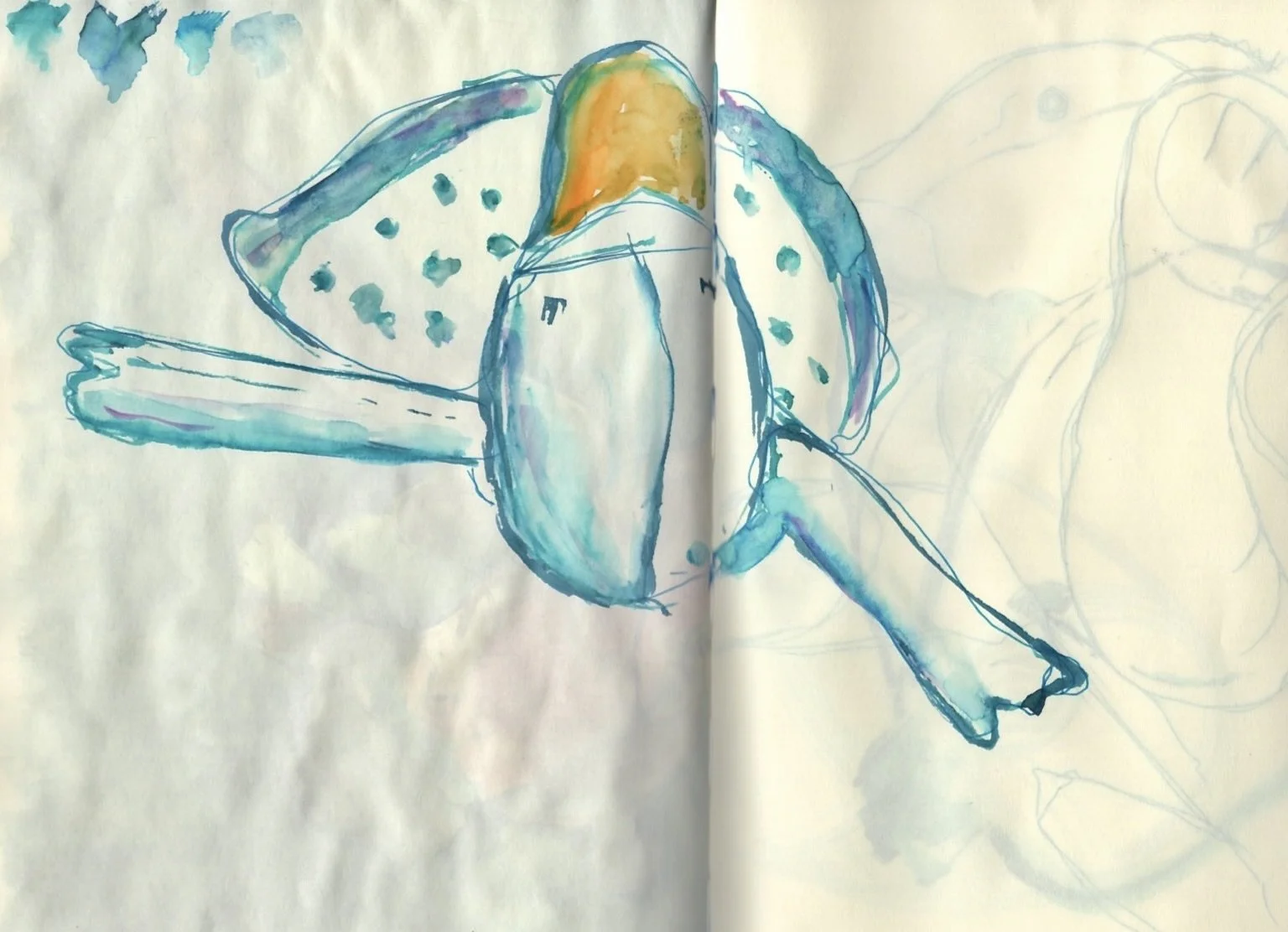
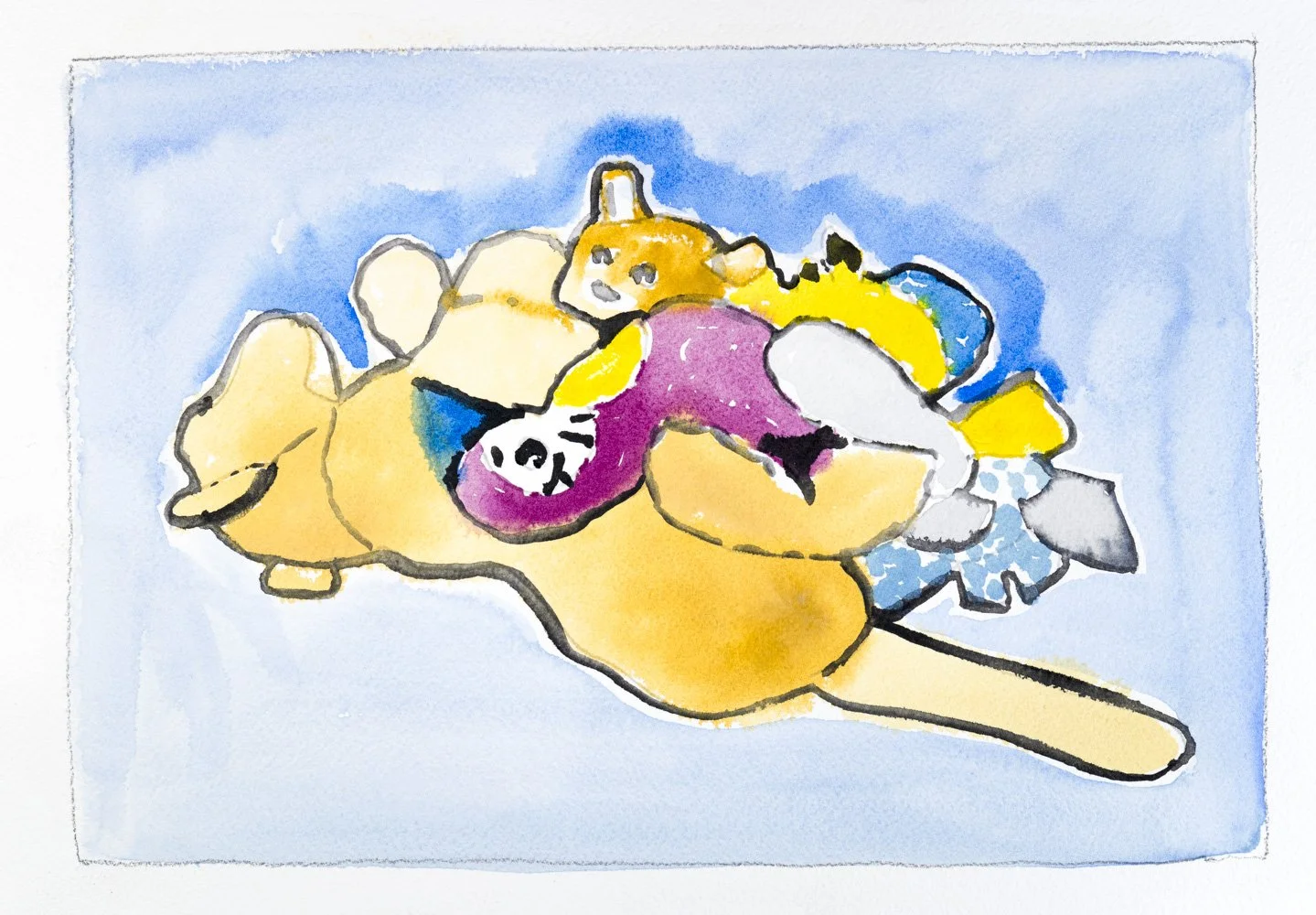
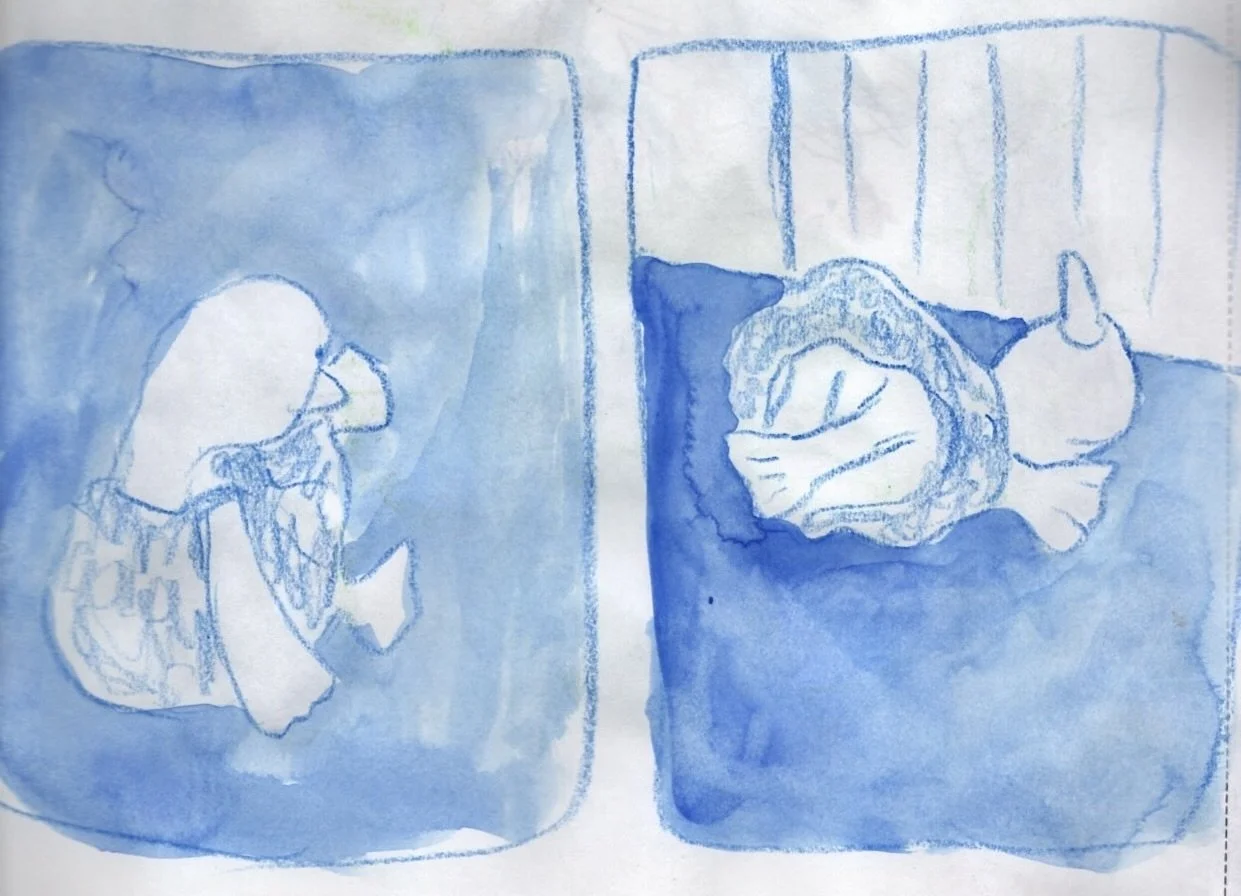
Wow Wow

A seemingly intelligent and accomplished person spent hours creating a two-minute video clip that will be seen by few people and bring its creator meager financial rewards. Hours!
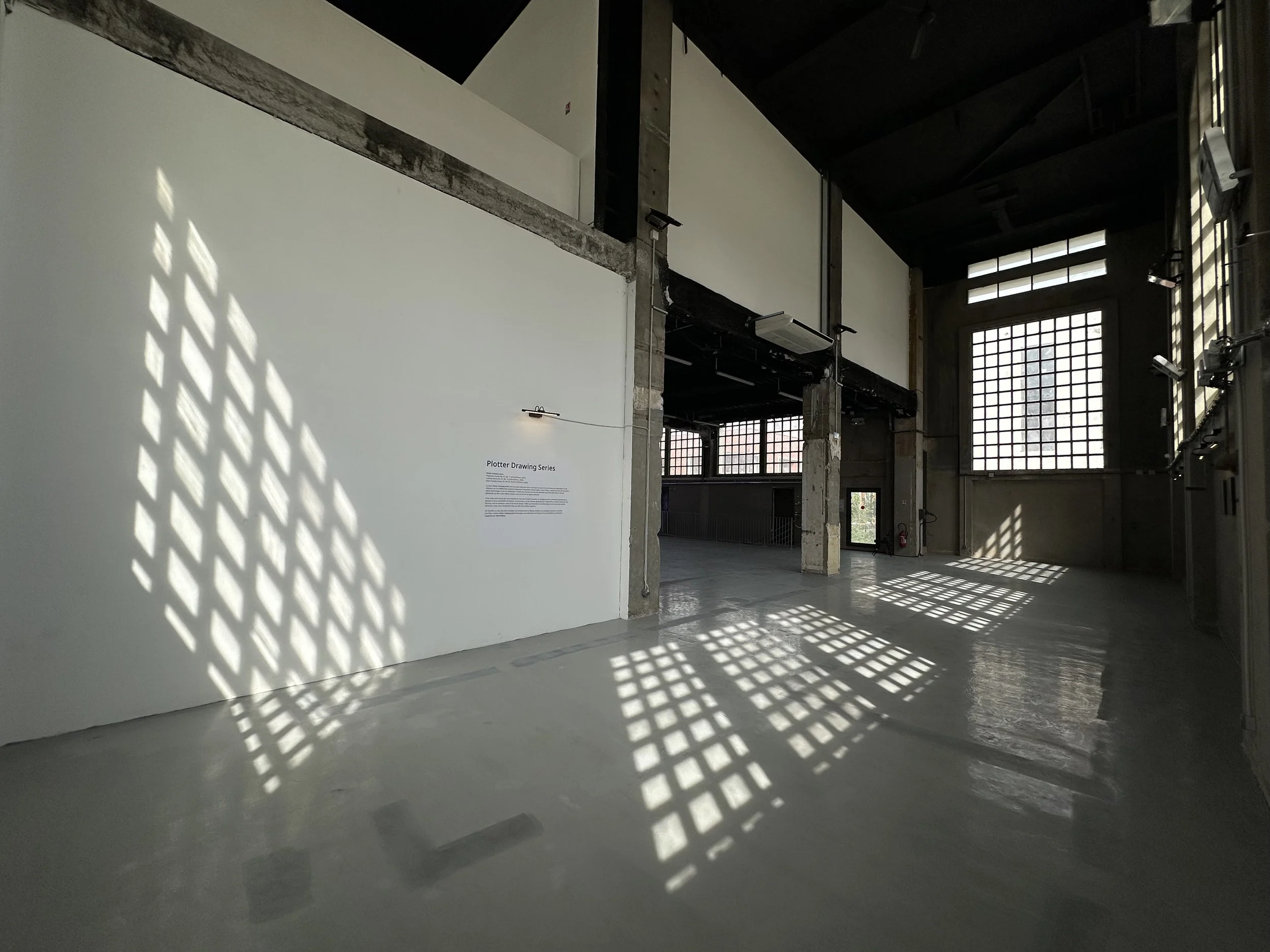
Why, Pedro, oh why?

Below is the clip in question.
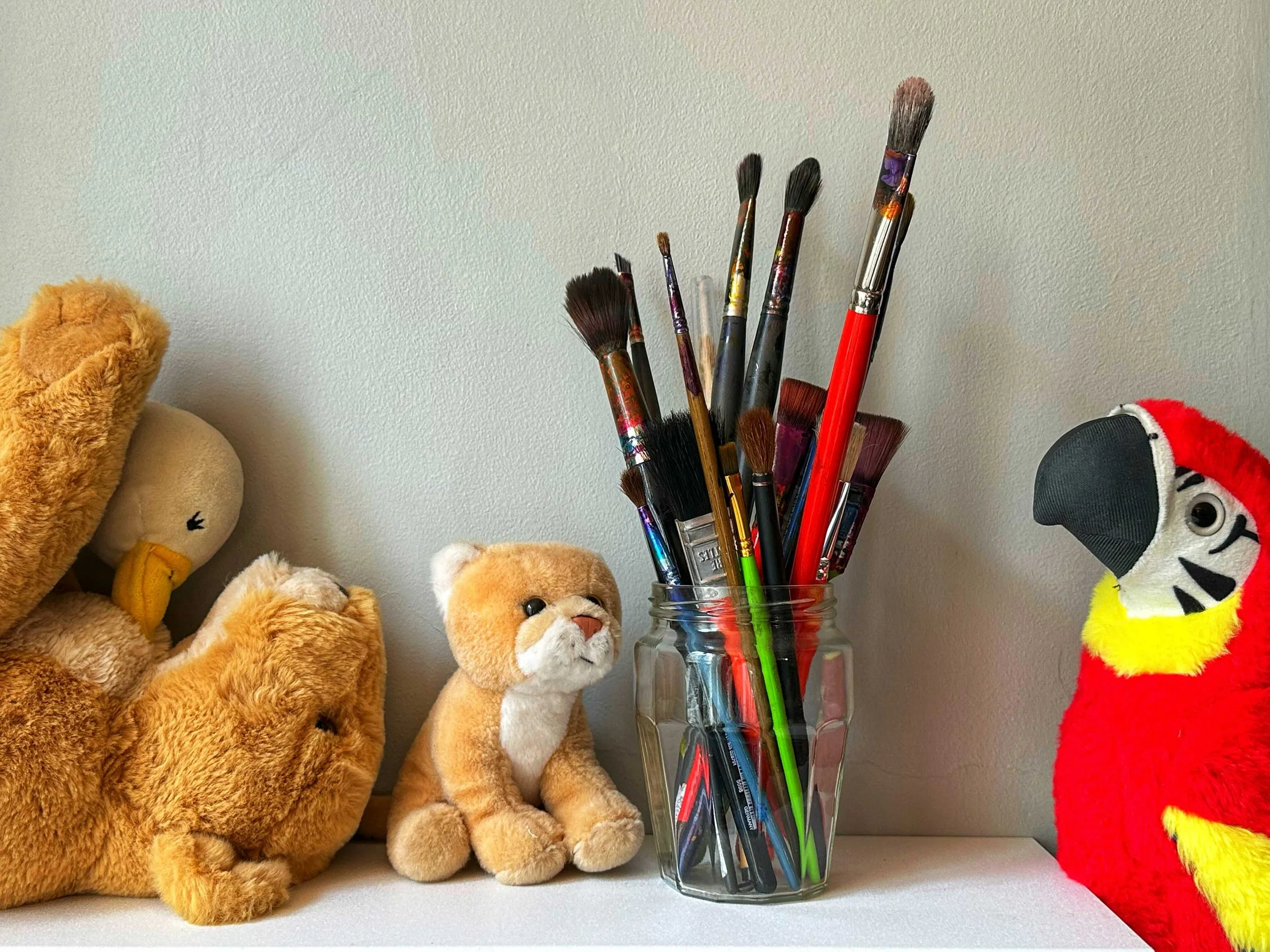
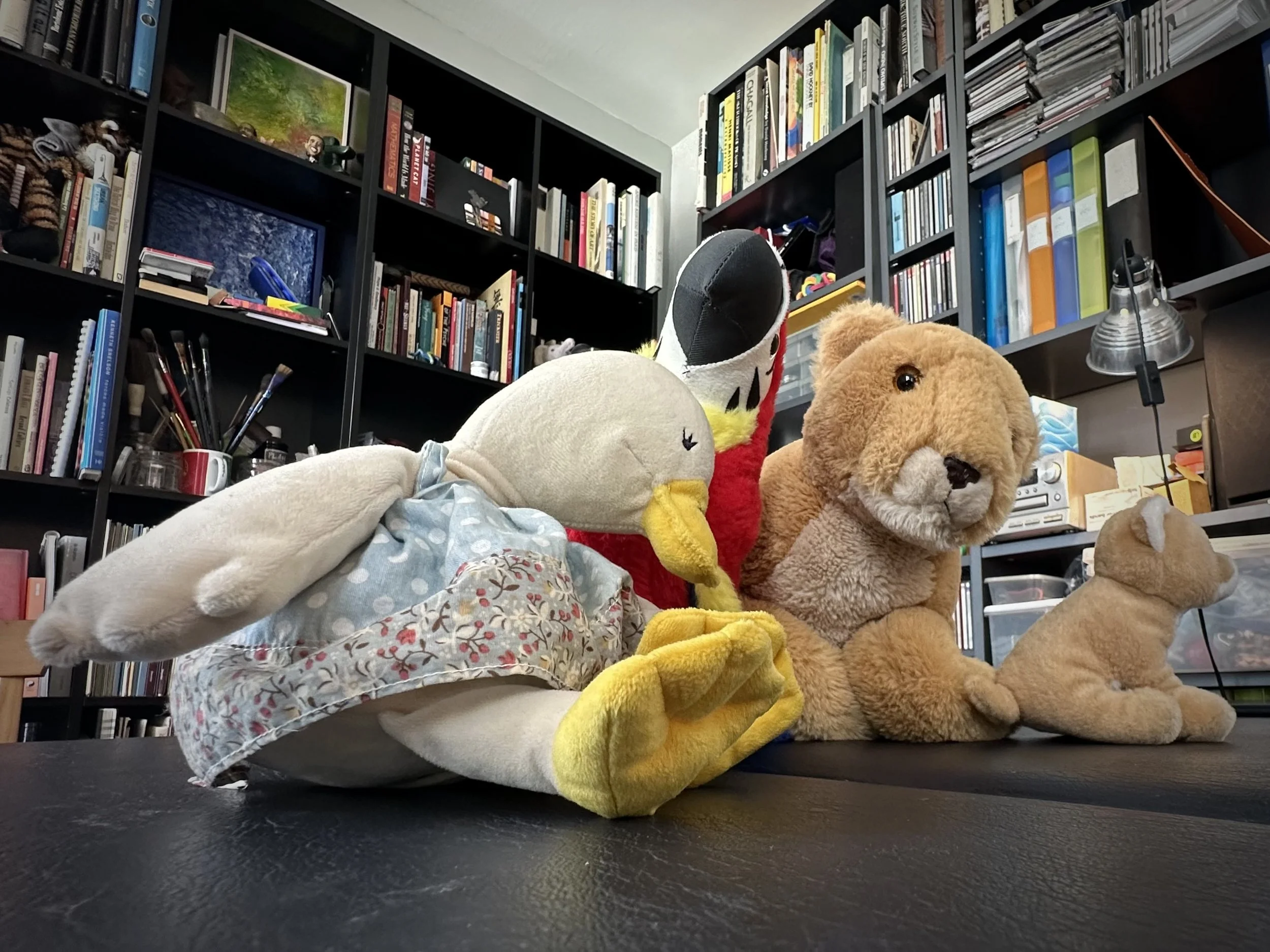
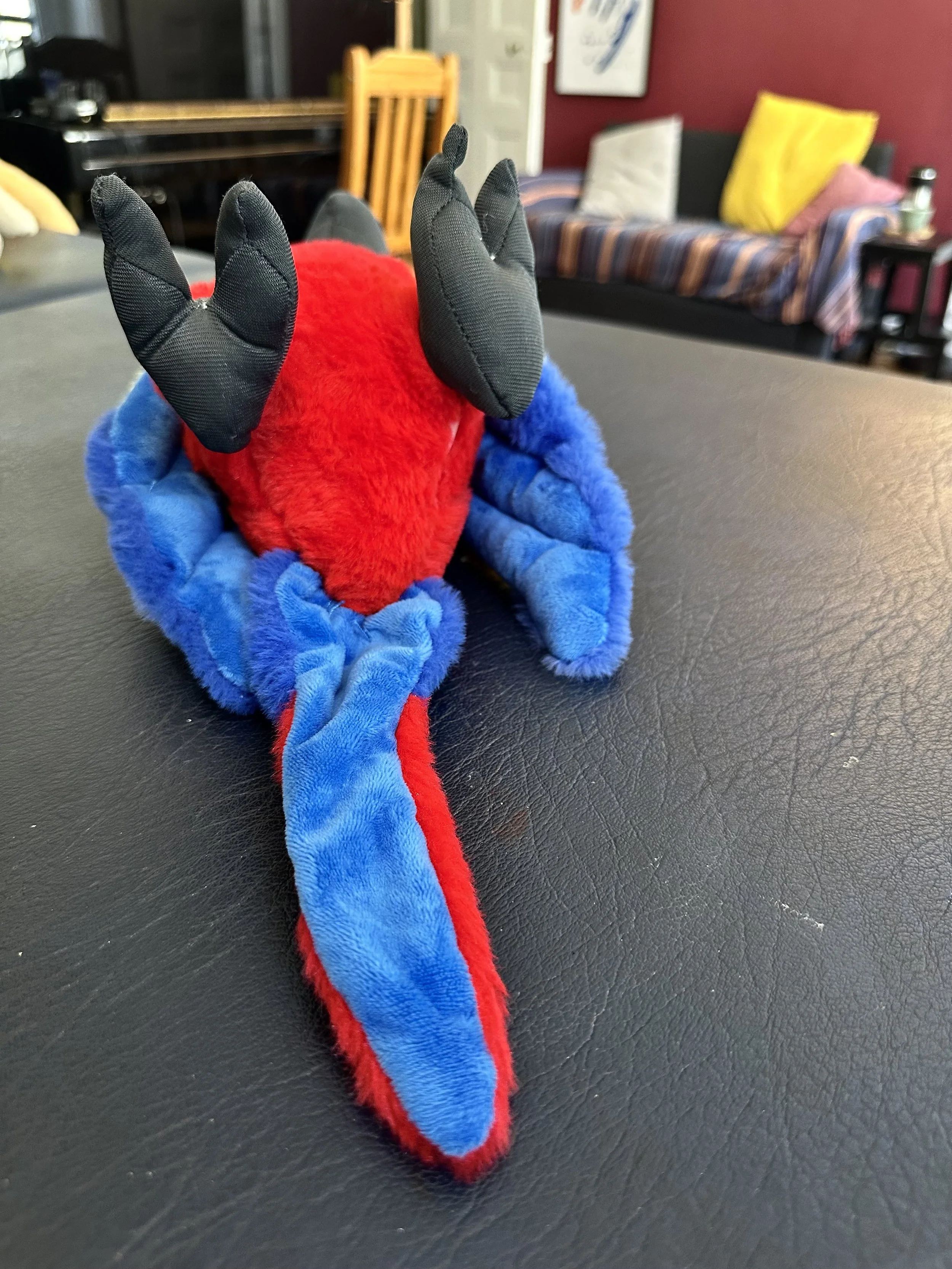
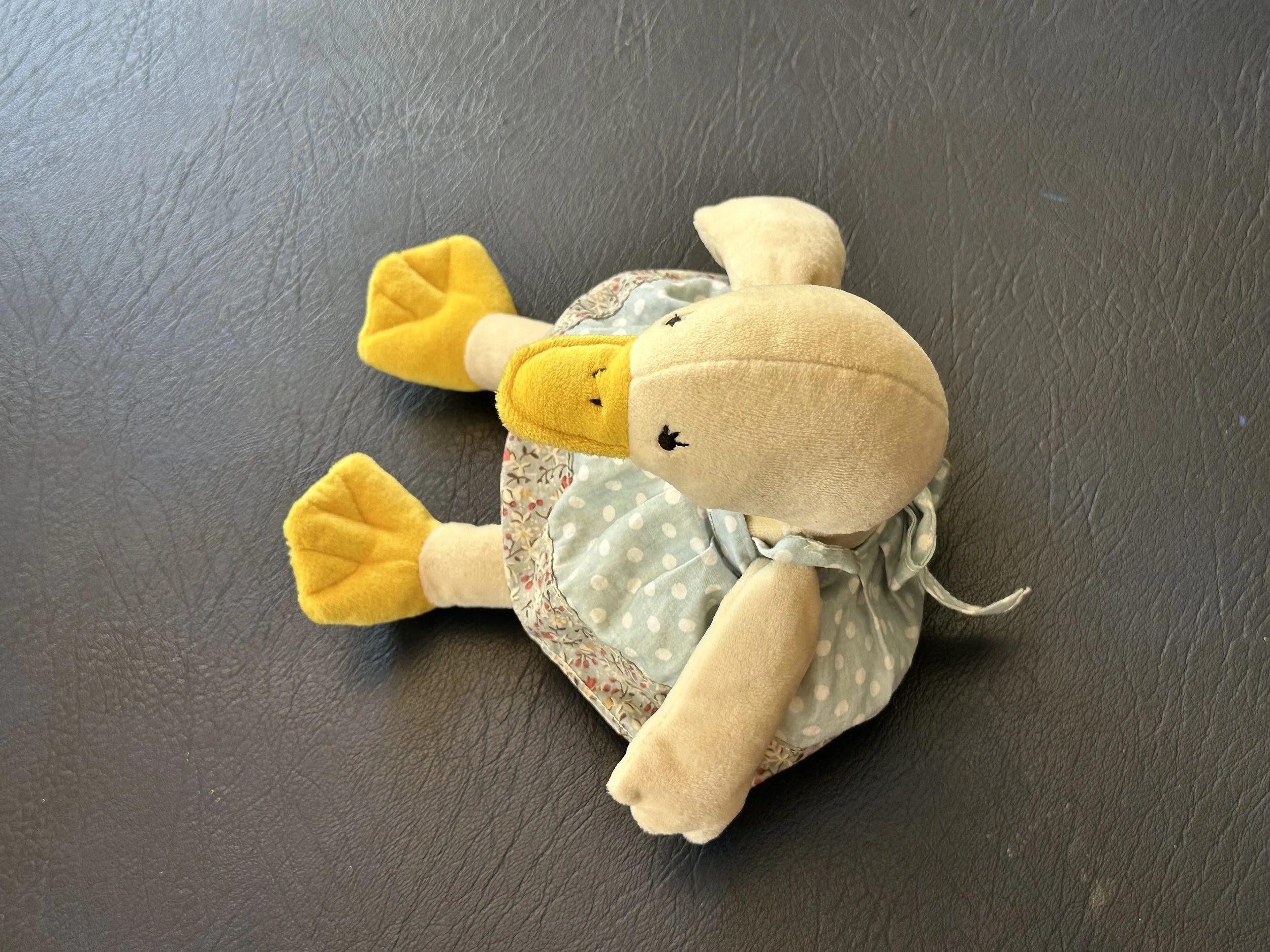
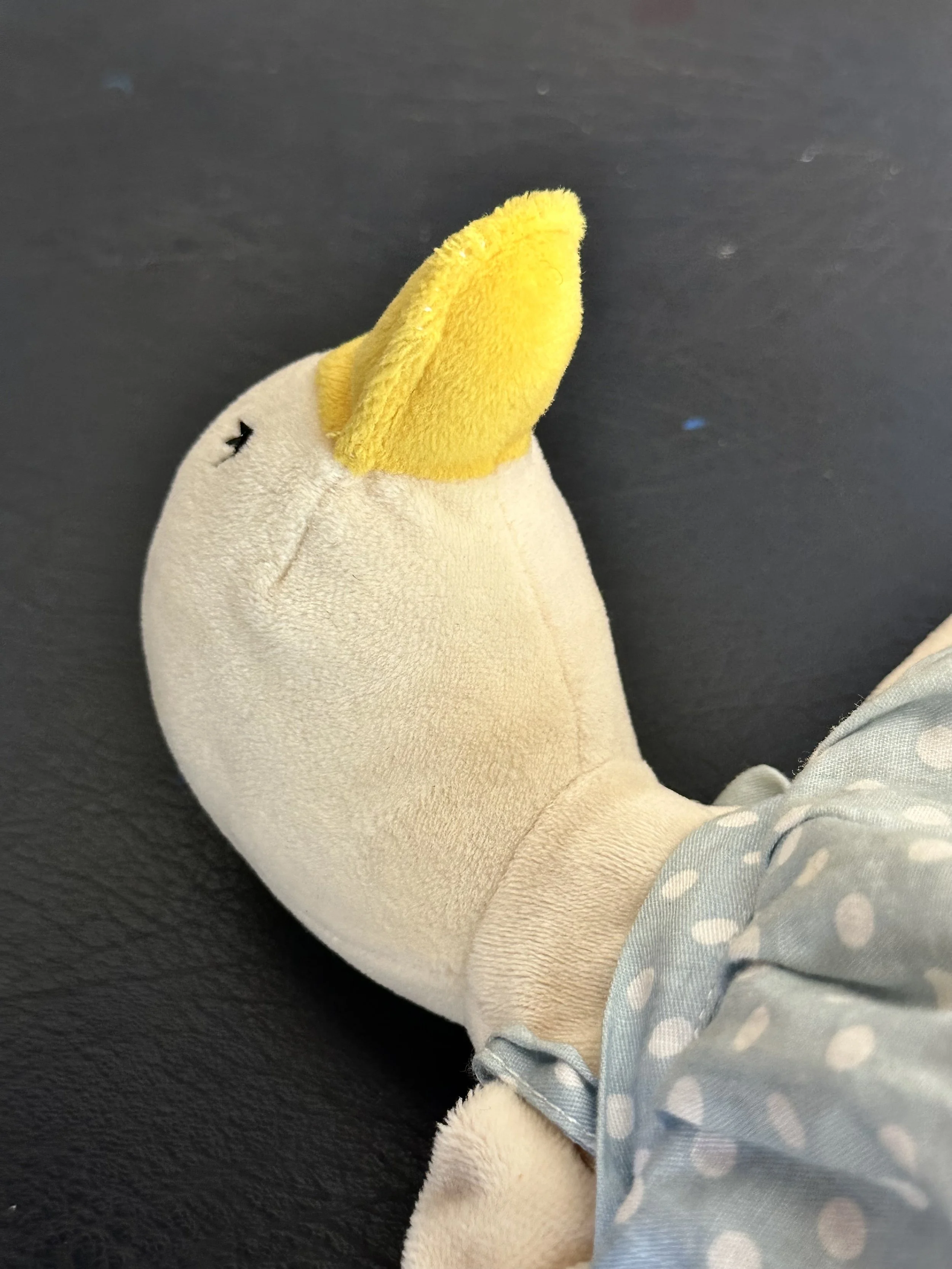
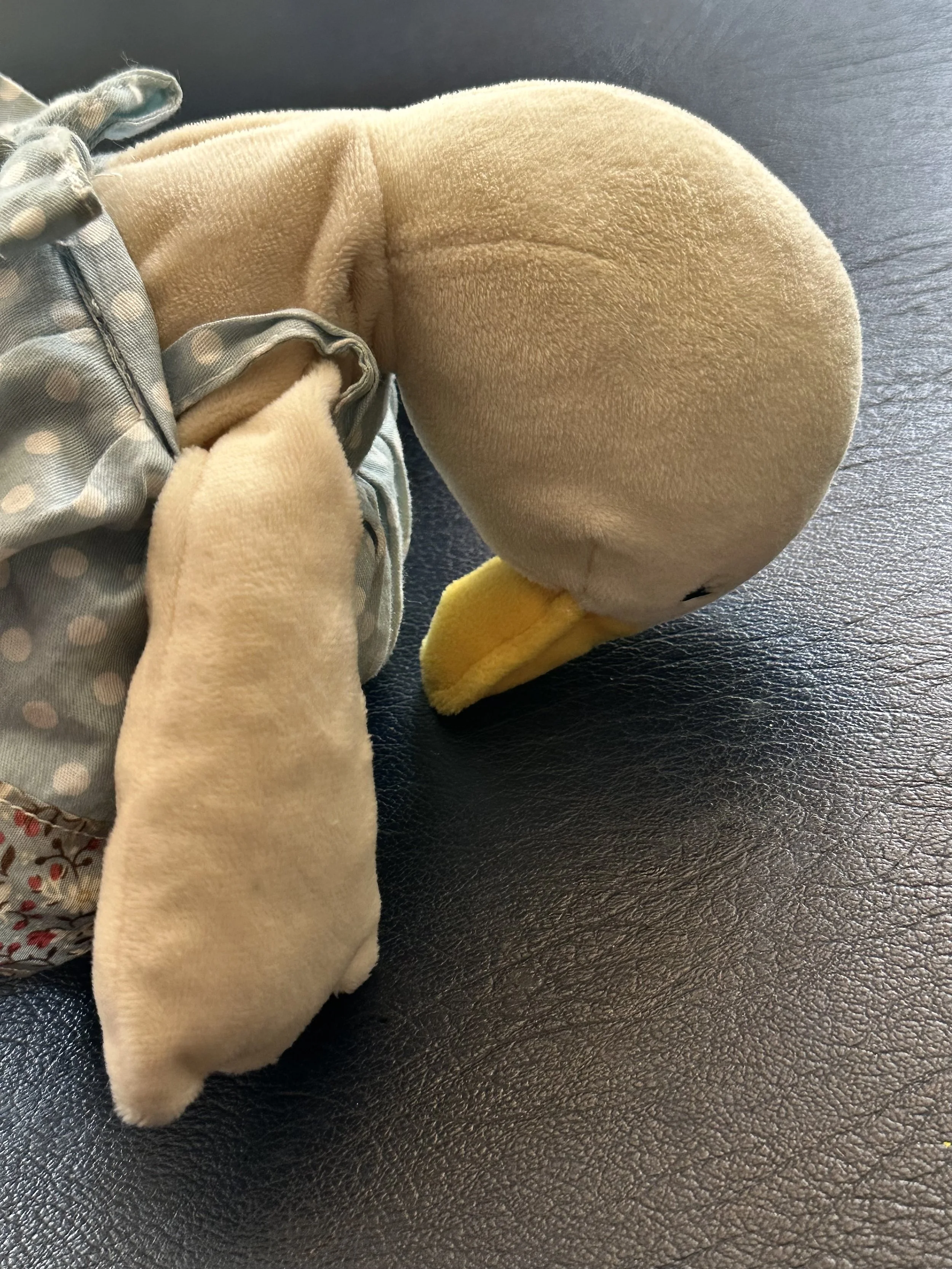
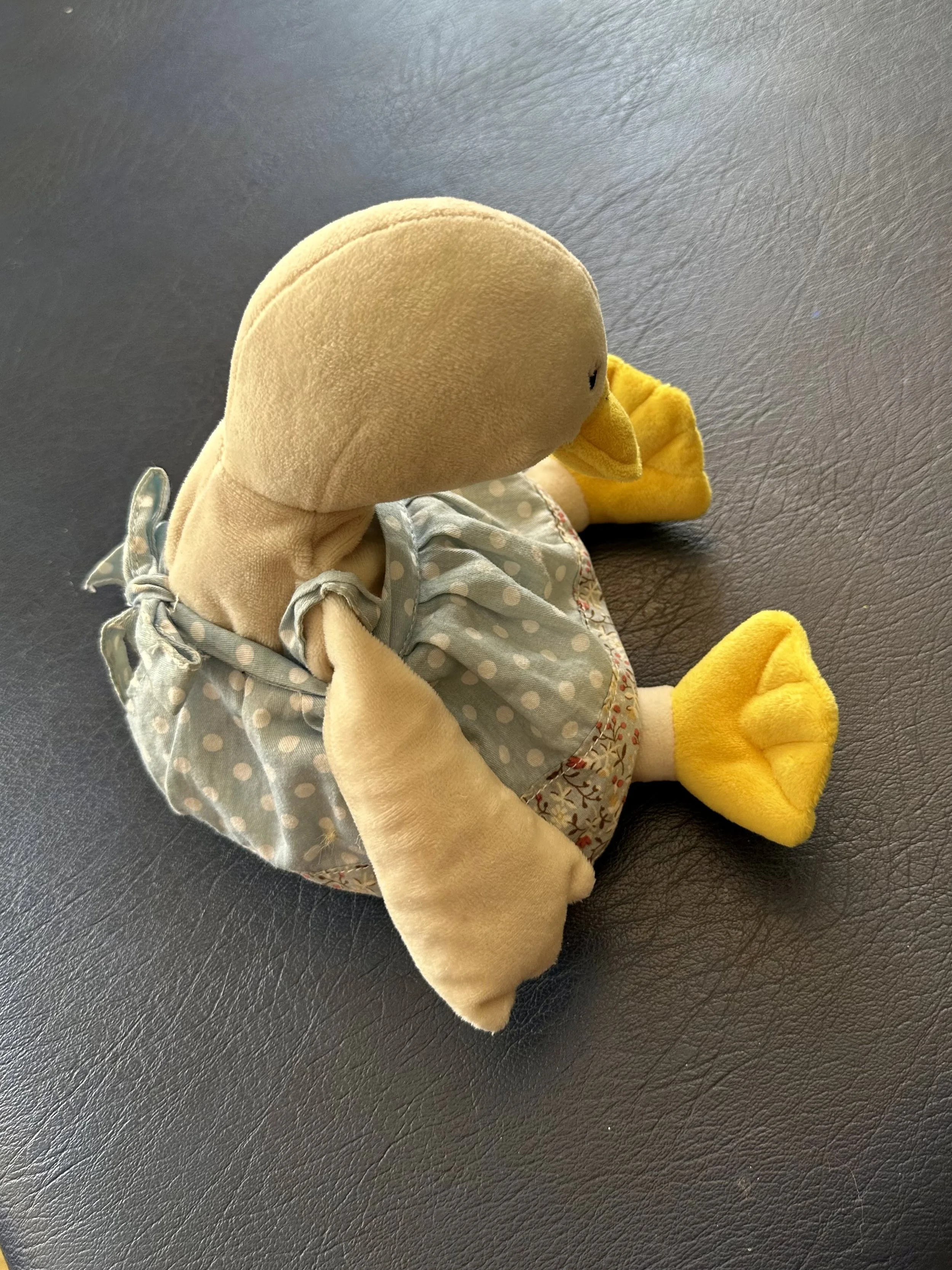
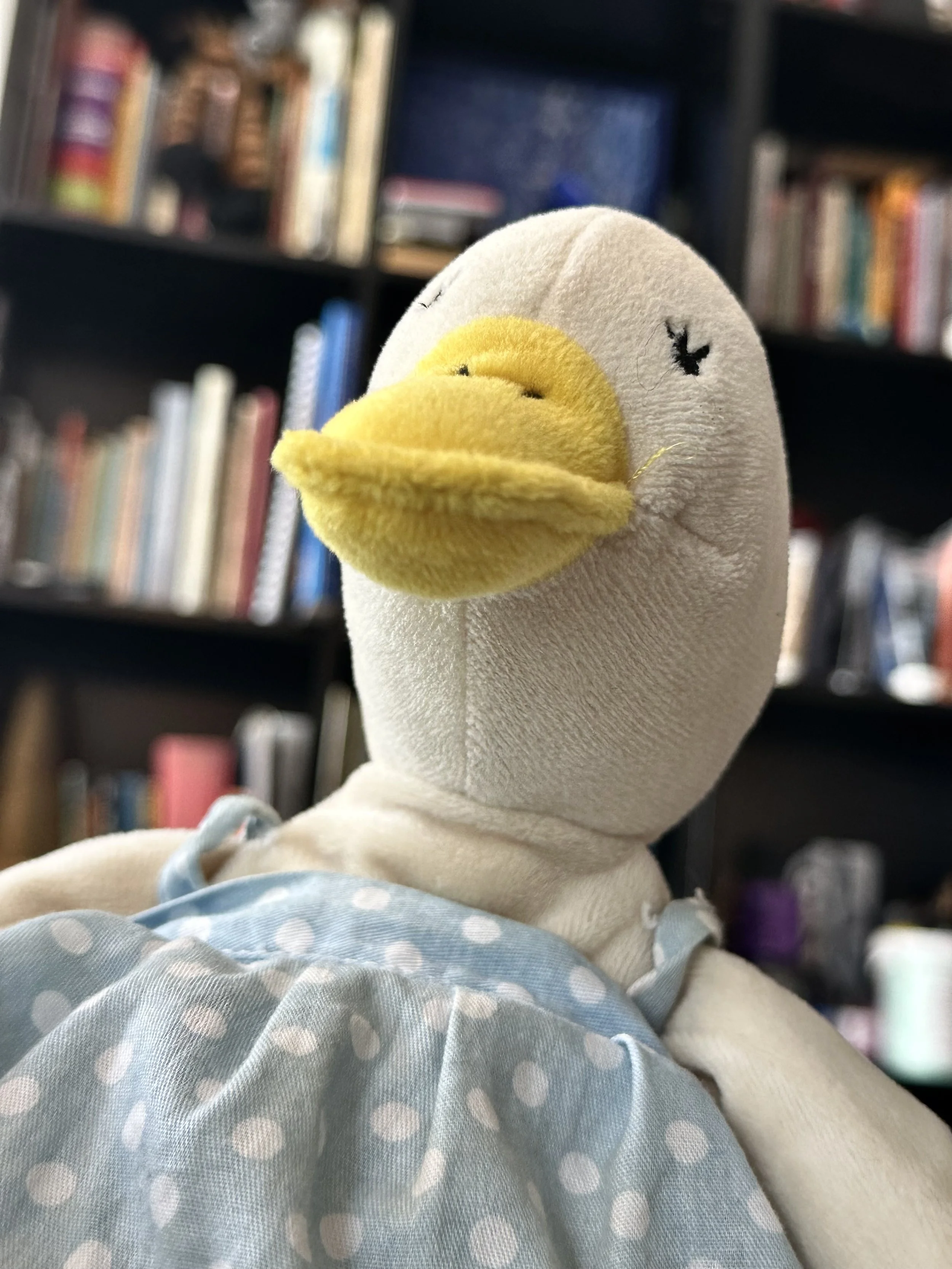
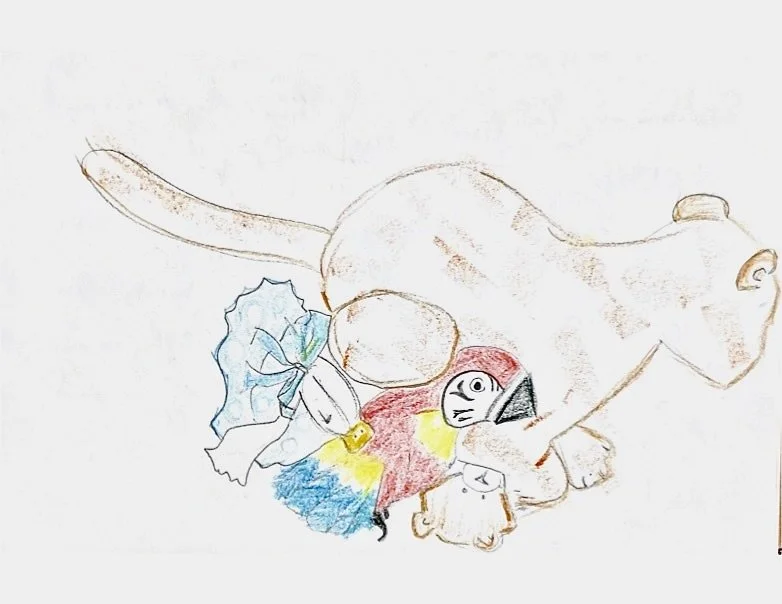
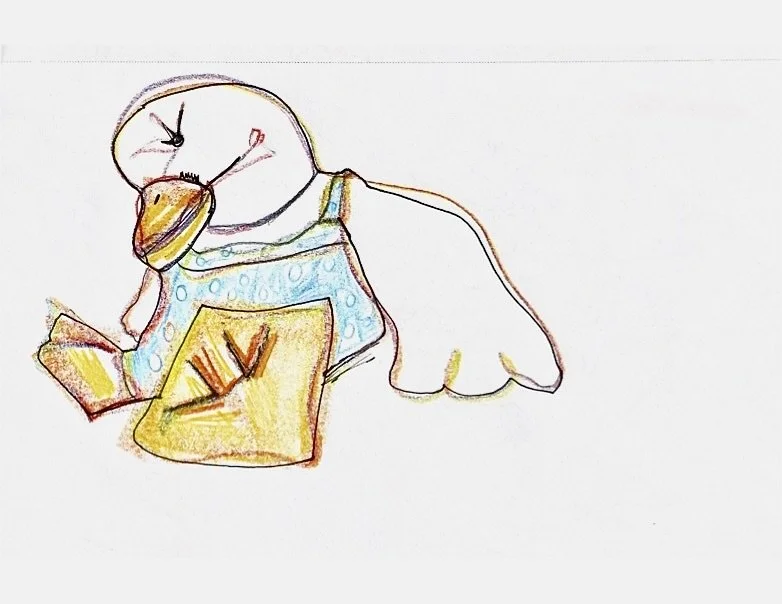
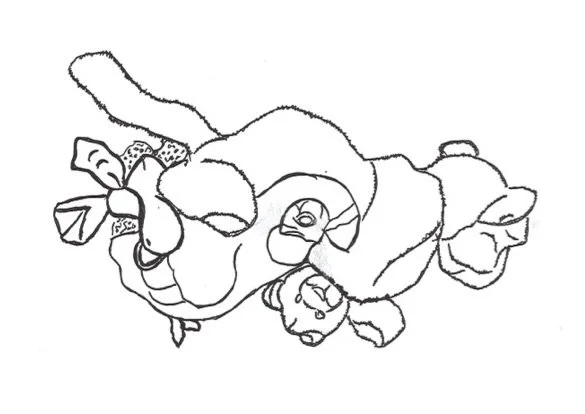
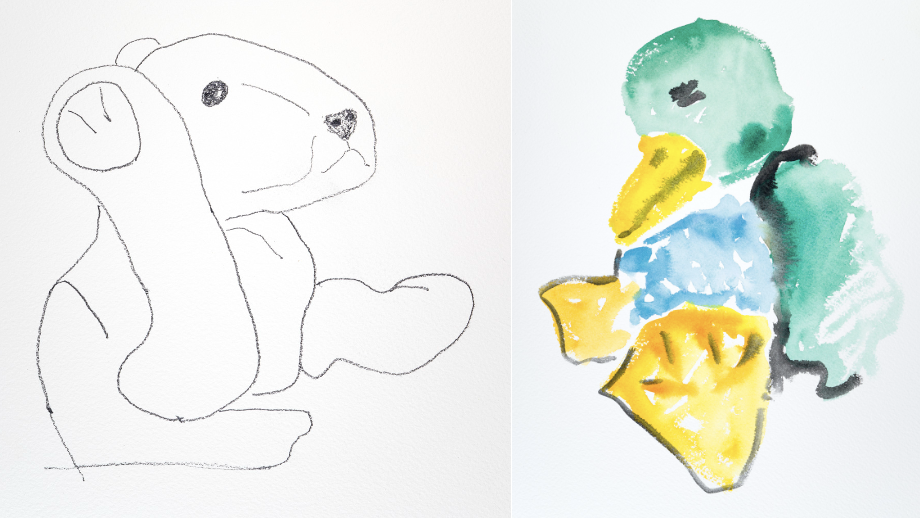
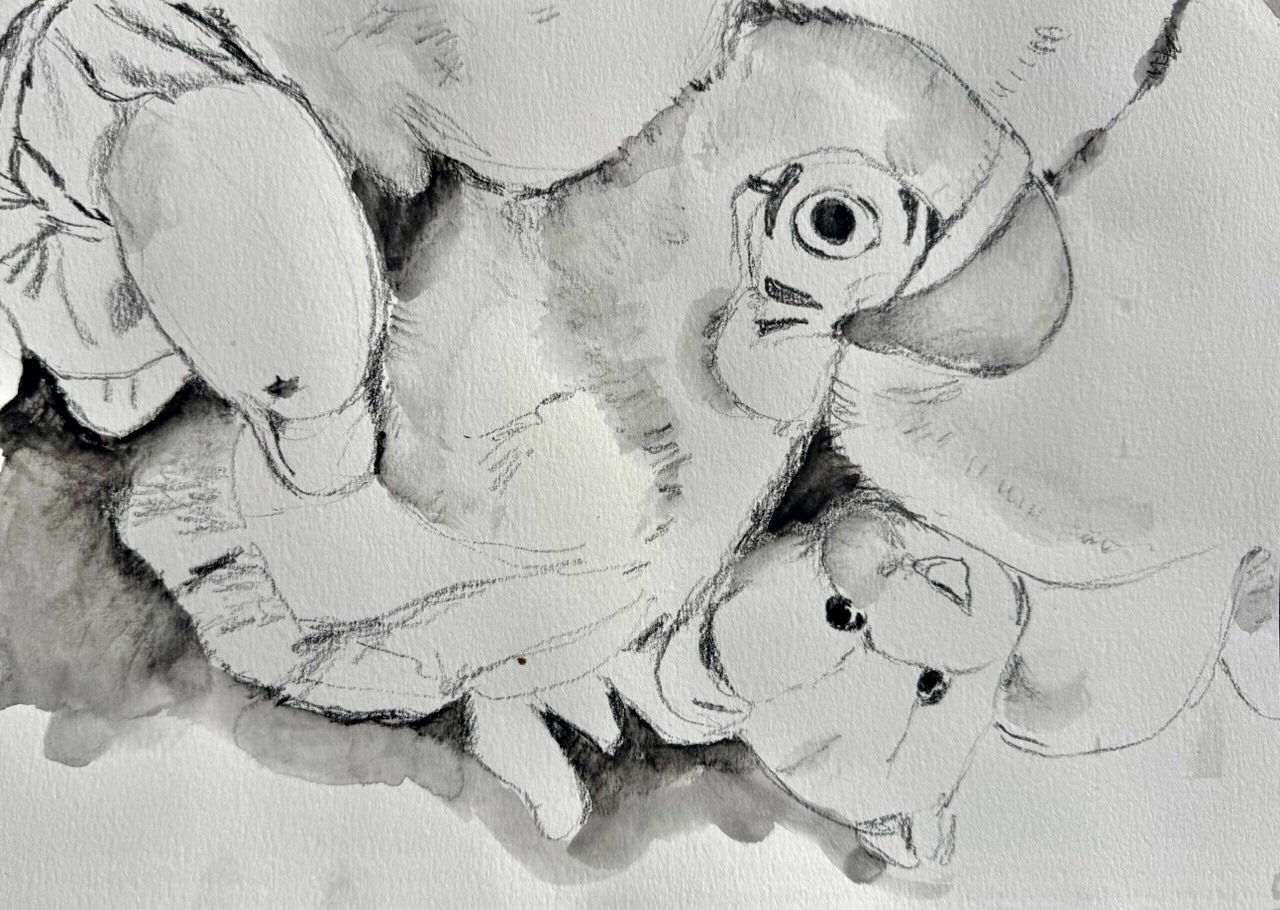
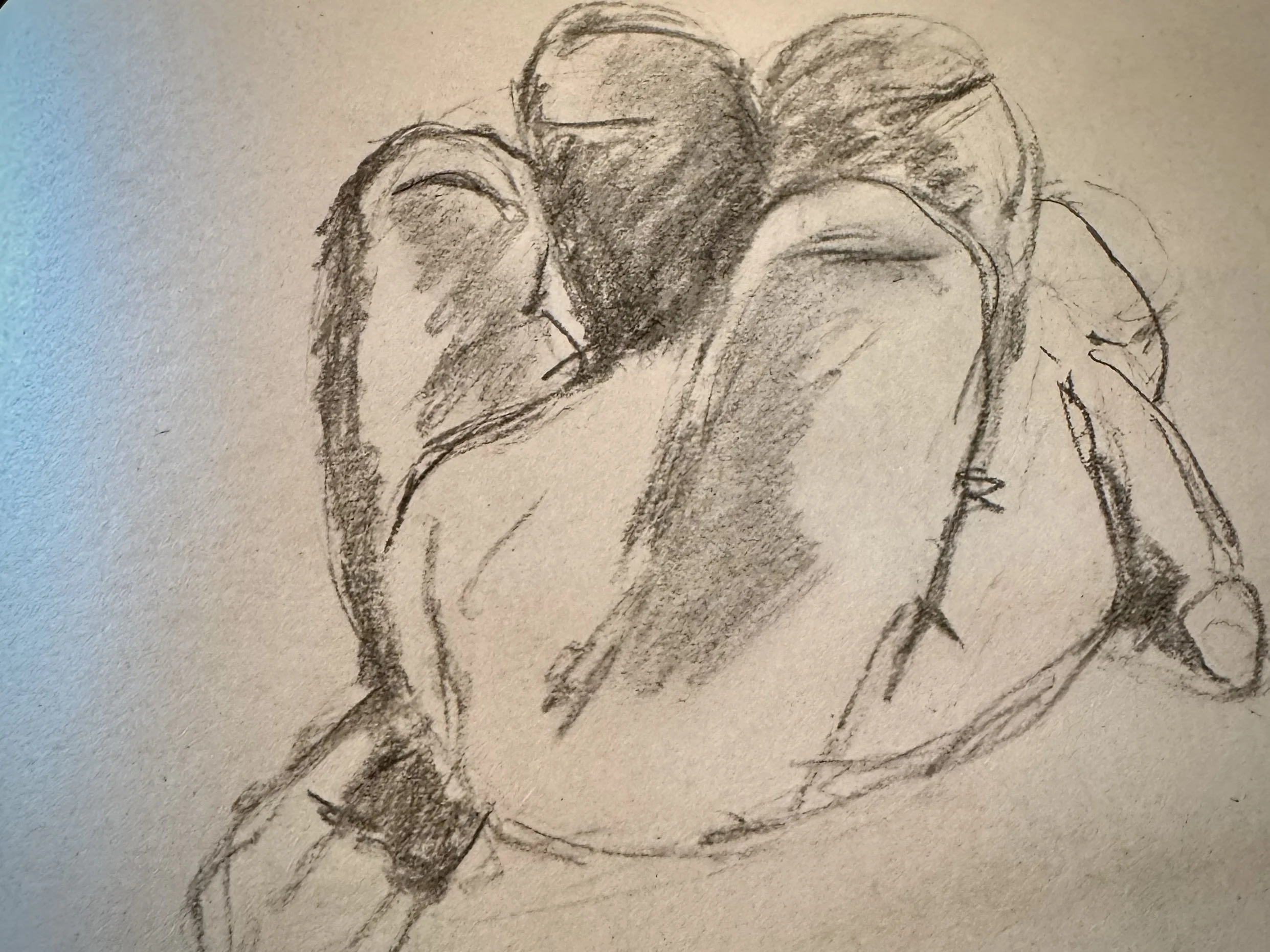
My wife and I don’t have children. We also don’t have a cat or a dog—I mean, a live, flesh-and-blood pet. But we do have stuffed toys; many; a whole menagerie. Lion, tiger, duck, elephant, and assorted ambiguous entities. Some are palm-of-the-hand little, others are big enough to encompass most of your belly and chest when you and the toy are reciprocally recumbent (r&r). The toys have names, personalities, quirks. When we audition new candidates for the menagerie, we test them for squeezeability, cuteness, sad-making eyes, and fluff.

Stuffed toys are charged with possibilities, both sensorial and symbolic. Wow, the pleasure of handling them; the pleasure of looking at them; the pleasure of listening to them. Yes, they talk. In their own language, of course, but we understand them easily. Wow. Do you know how they talk, those stuffed toys? They go like this: “Wow wow wow wow wow.”

I do think that everyone, everyone! everyone should have a menagerie in their homes: all children, all adults, everyone. Besides the multiple, deep sensorial pleasures that they bring into our lives, stuffed toys carry tremendous symbolic power: the symbol of our own animal nature, the symbol of childhood, the symbol of tenderness and love, the embodiment of Storytelling and Healing. Wow!

As it happened, my wife was traveling when I made the video clip. (I may be crazy, but I’m not dumb.) (I may be dumb, but I’m not crazy!) I took photos of some of our animals. I became a portraitist, a biologist, a psychologist. While photographing them, I got thinking about my home in Paris, the passage of time, the countries and cities where I’ve lived, the languages that I speak. (Wow wow!) I got thinking about the child within. Your heart has four chambers. They correspond to the baby, the 3-year-old, the 5-year-old, and the 7-year-old who together “beat the drums of your heart.” No inner child, no heartbeat!

Editing and organizing the photos, I pondered what it was like to be alone (for instance, when your wife is traveling). I pondered the difference between alone and lonely. And I pondered the play of opposing forces: “me by myself” and “me in company,” two different qualities, two essential energies. It’s an art to be alone, it’s an art to be in company. And it’s an art to meditate on these arts.

Taking photographs, editing them, stringing them into a video clip, adding a soundtrack: you learn a lot in the process of structuring a narrative. You must survey the collection of photos, make choices and decisions, handle technology. It’s a whole education.

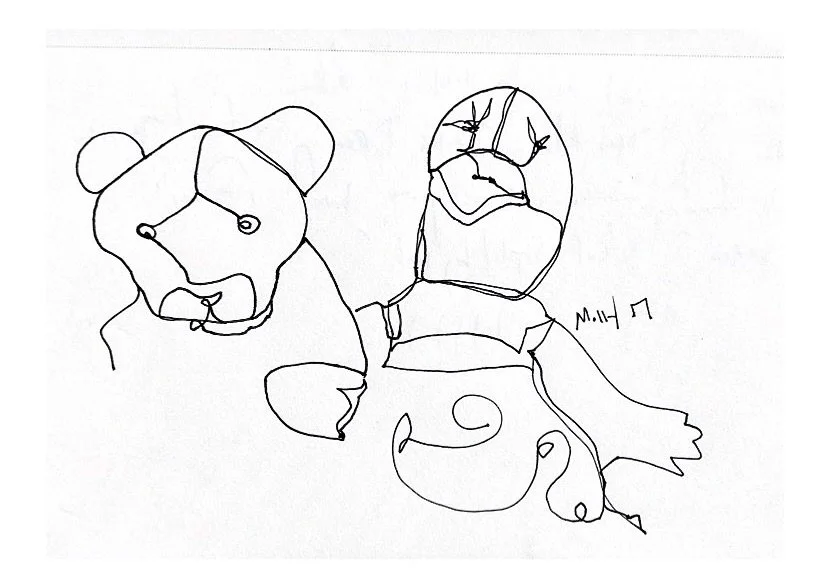
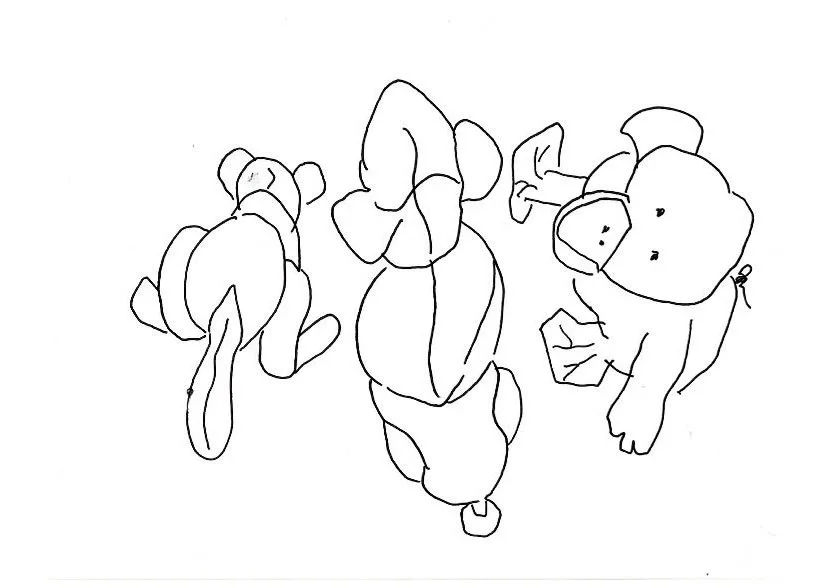
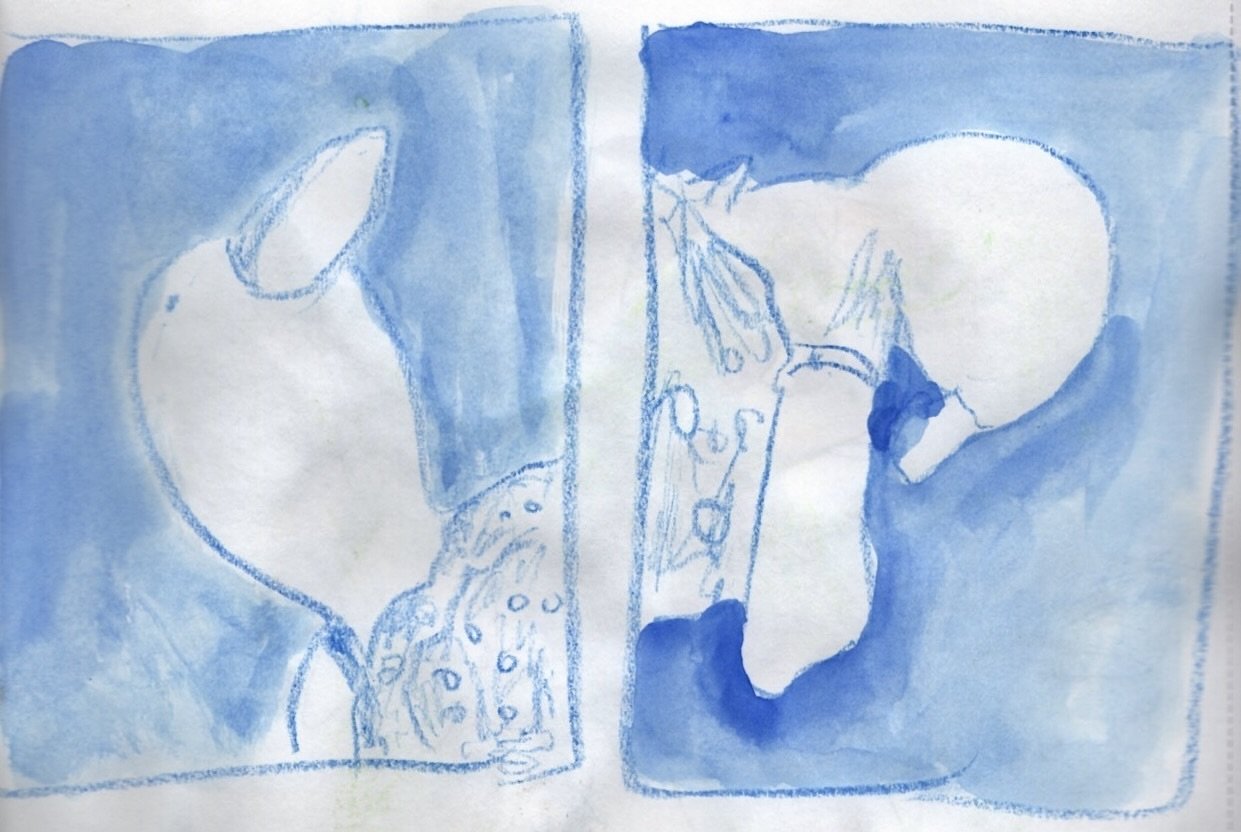
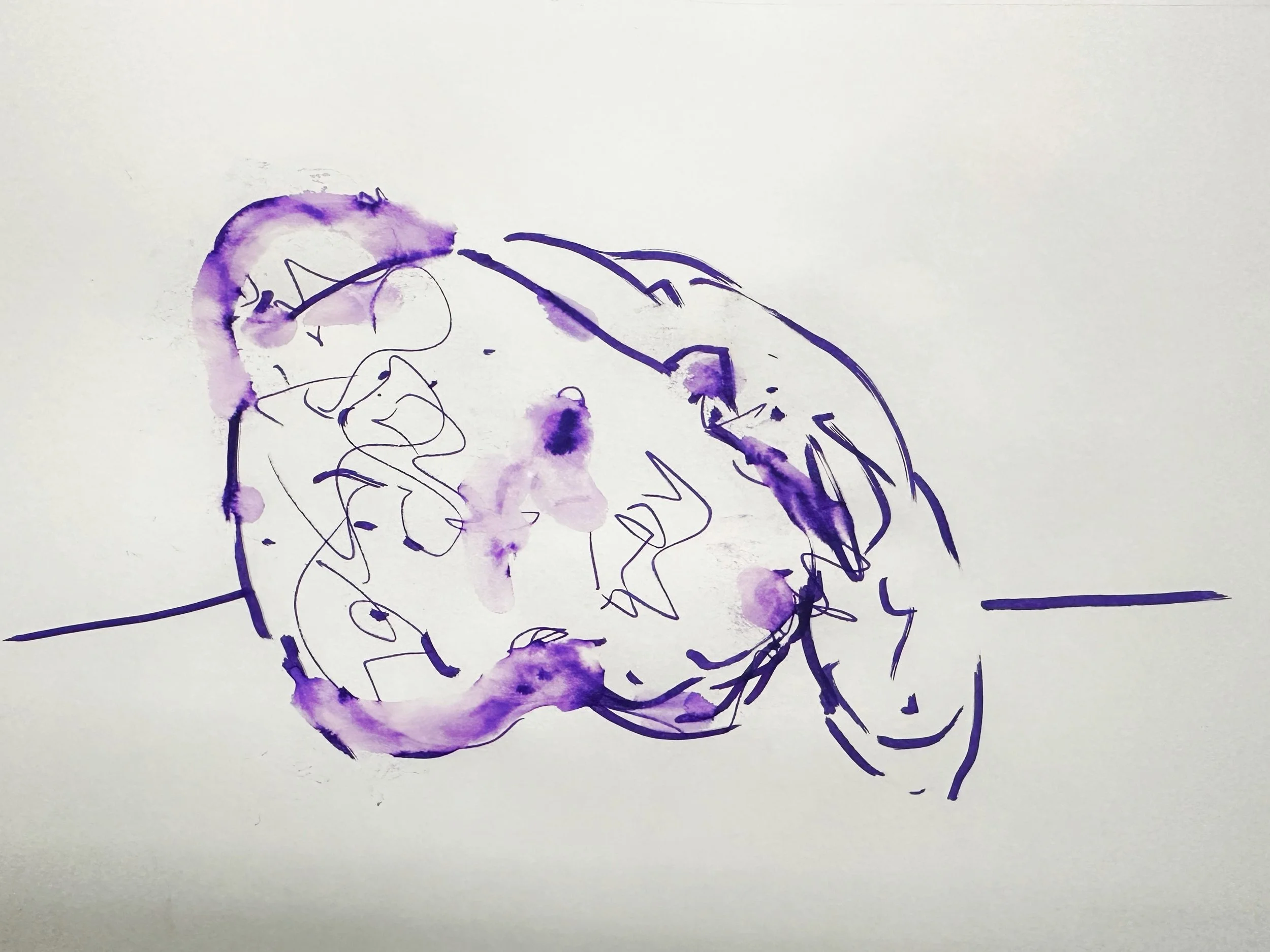
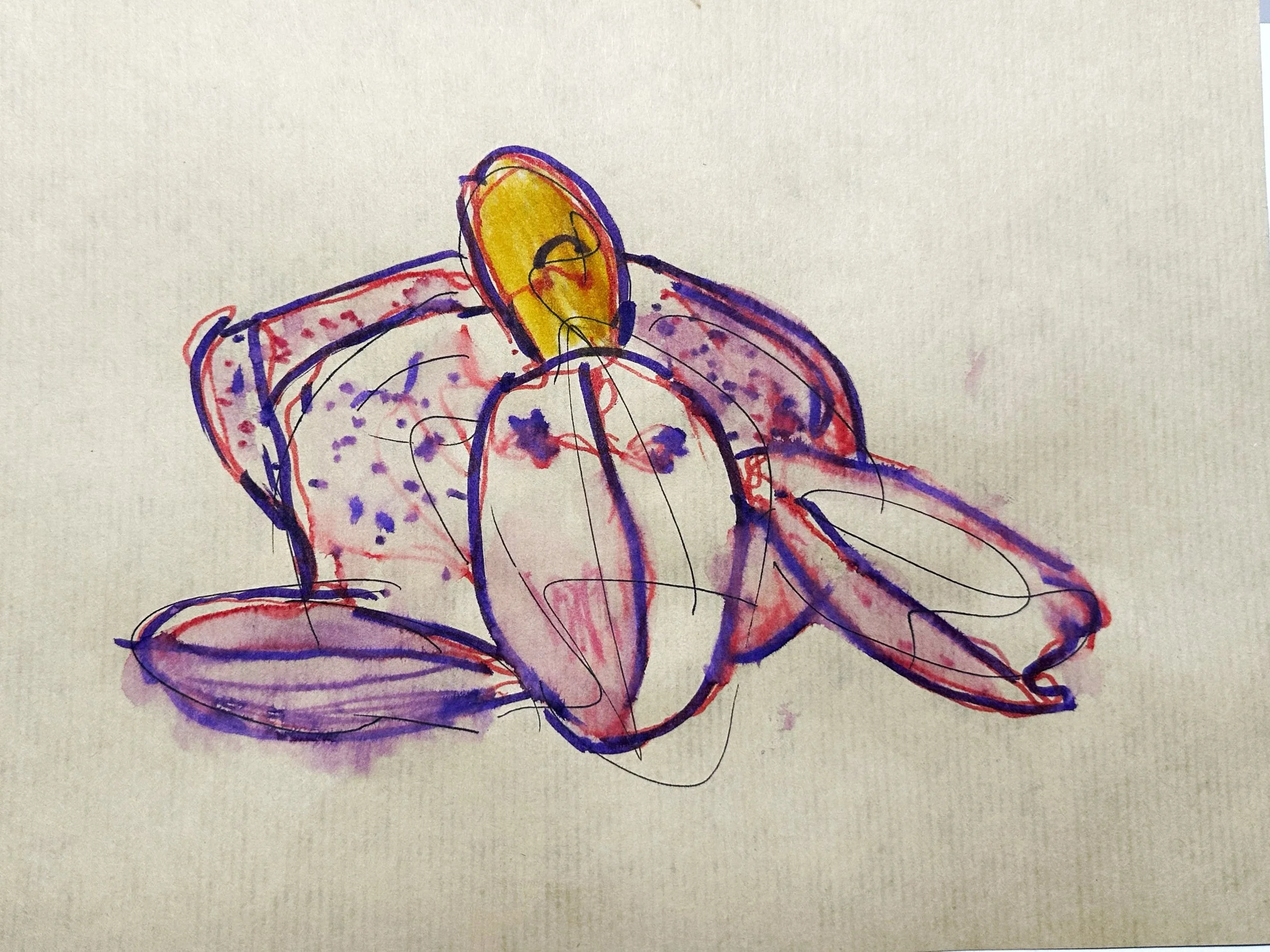
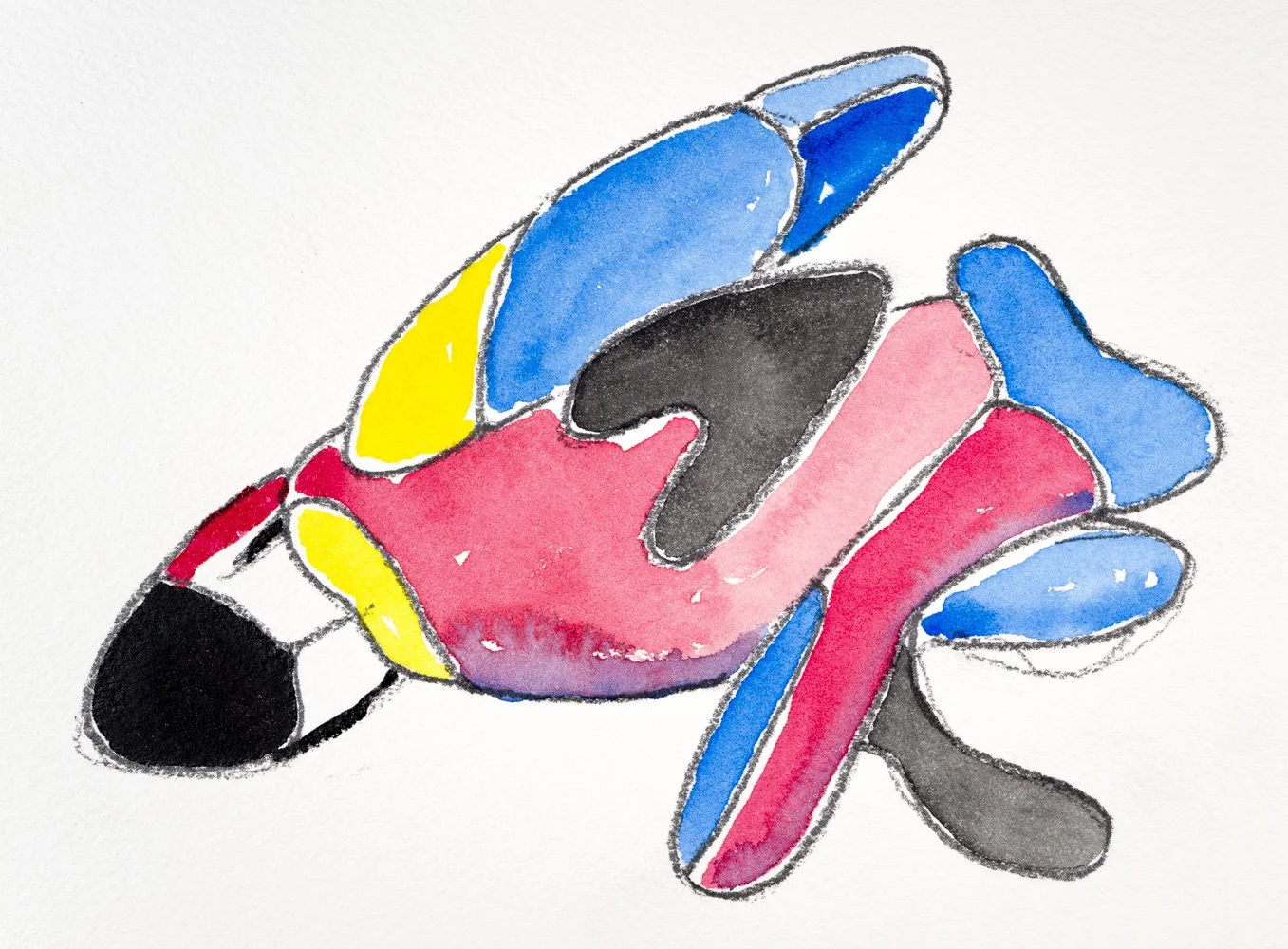
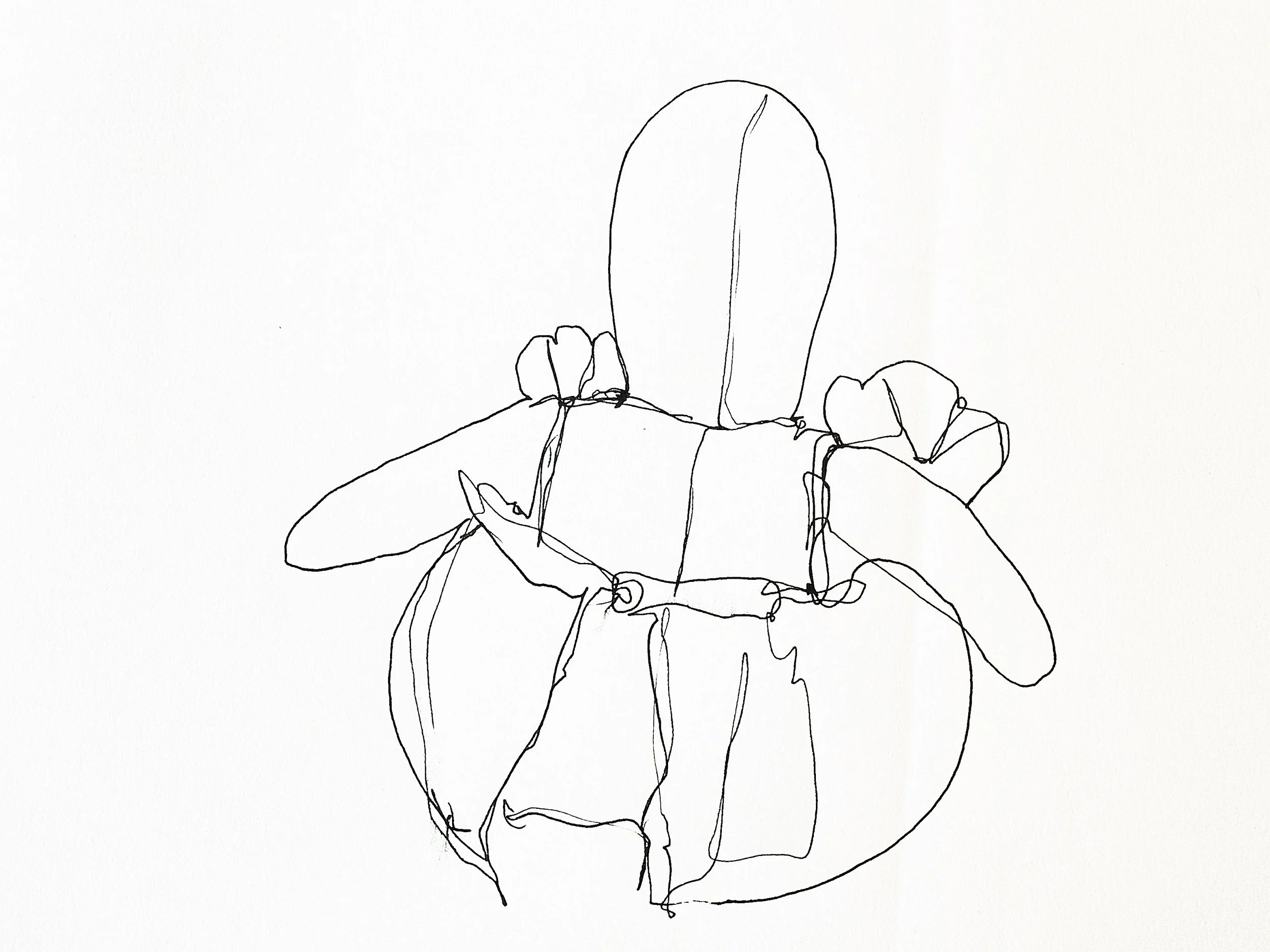
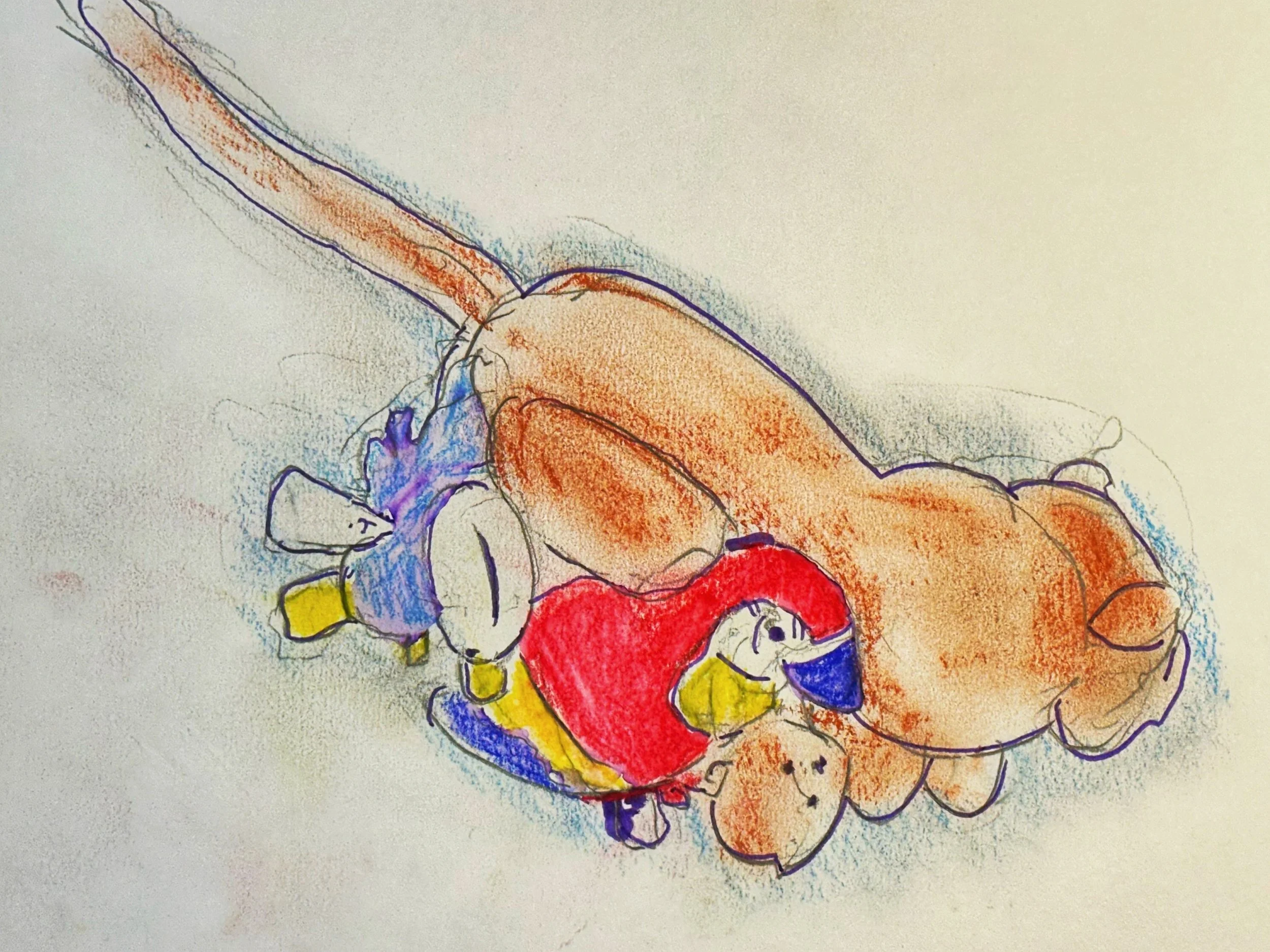
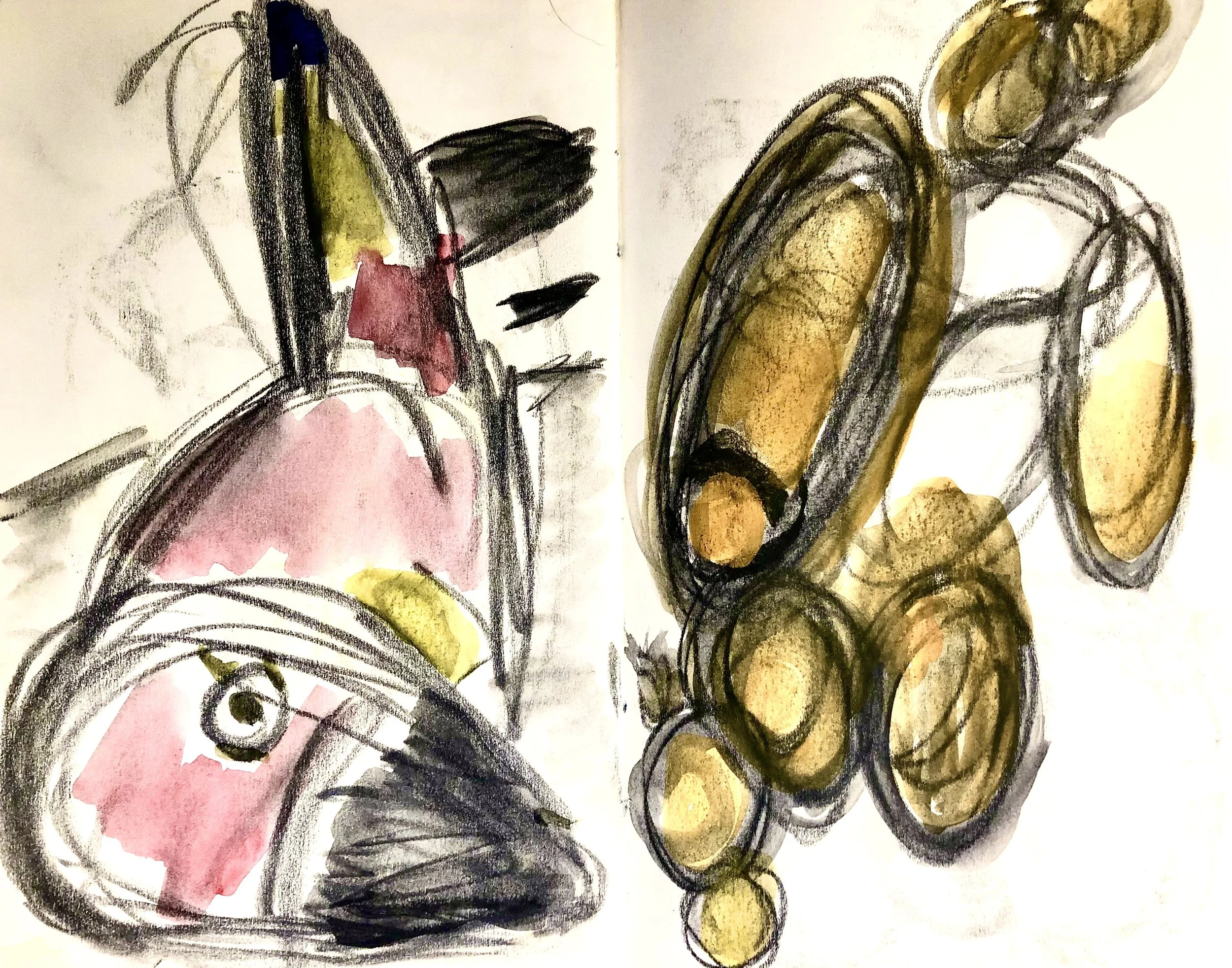
I used the video clip and its materials in my online Drawing Lab. My students and I watched the clip and had emotions, then we made drawings and had emotions. We developed eye-to-hand coordination, plus brain-to-eye and heart-to-brain-to-eye-to-hand-to-paper coordination. We played with contour, silhouette, line, gesture, shape, size, perspective, color, and wow wow.

The workout was so fruitful that I made a second video clip, featuring two ferocious beasts that didn’t appear in the original clip. If the tiger and the elephant beat the drums of your heart, I’ll know that the time I spent producing these clips was perfectly wow wow.

With thanks to Anselm, Blaine, Katharine, Katie, Margaret, Mary, Michele, Sarah, and Tomoko.

©2026, Pedro de Alcantara

The Song of Stone

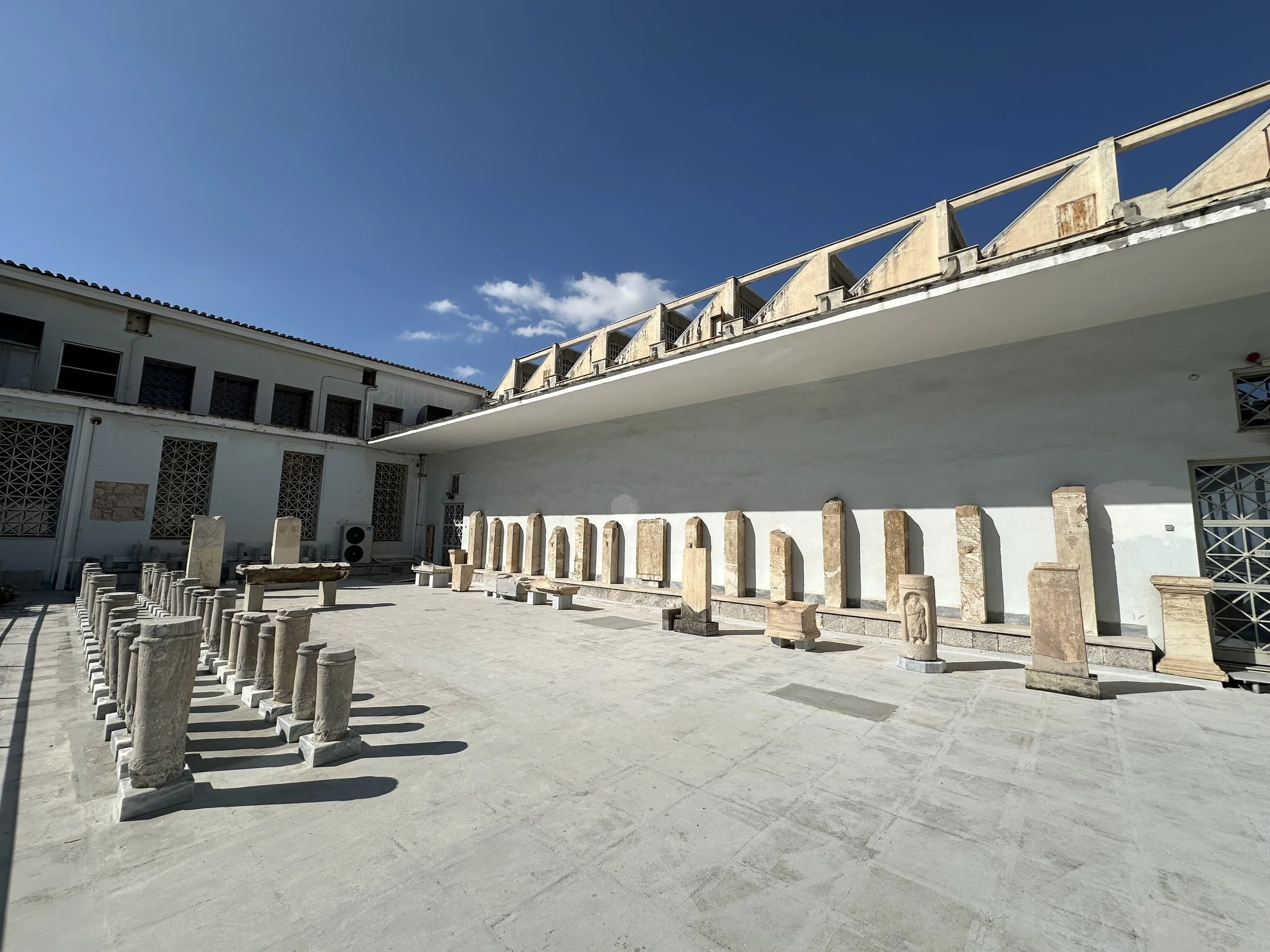
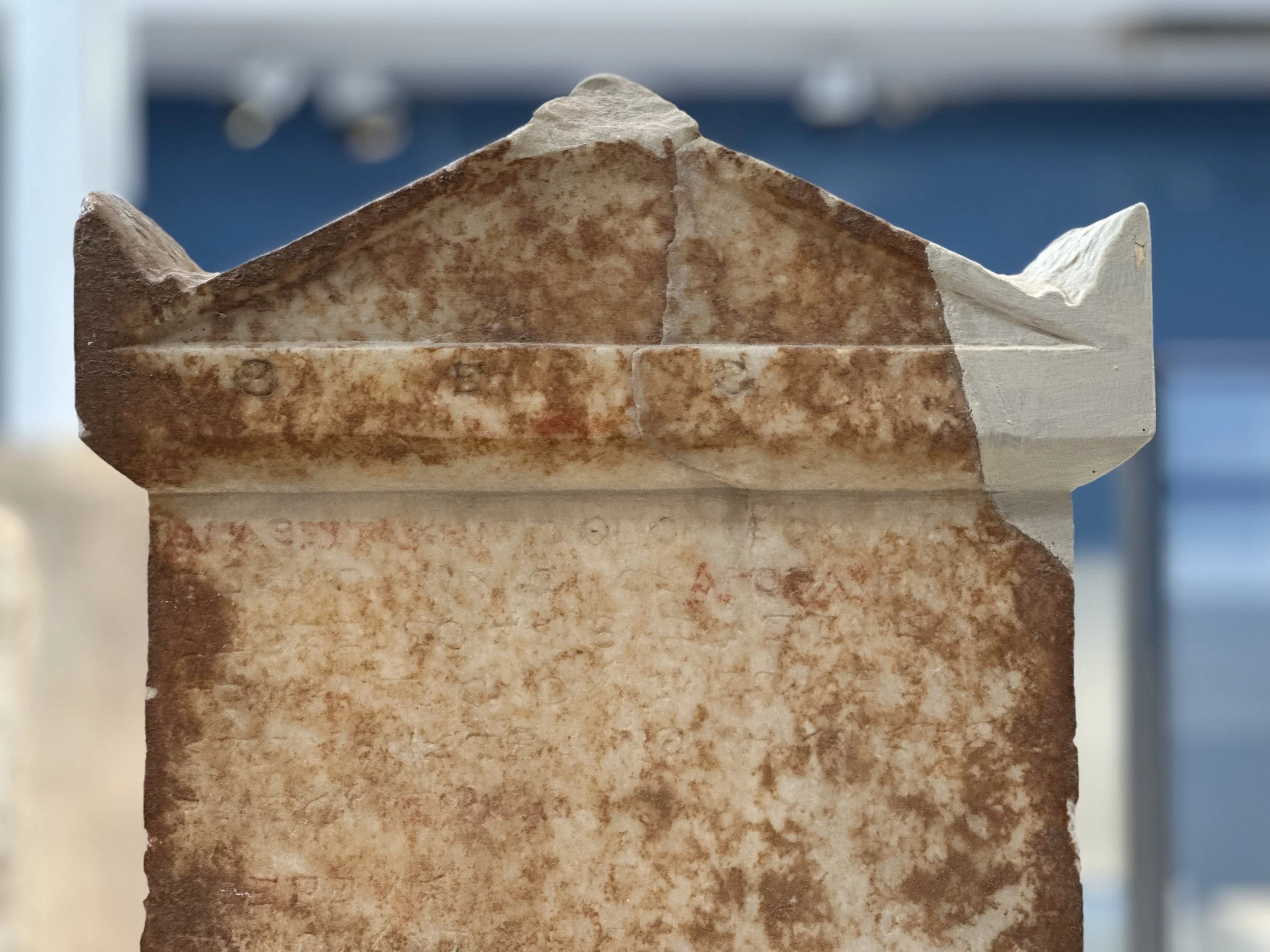
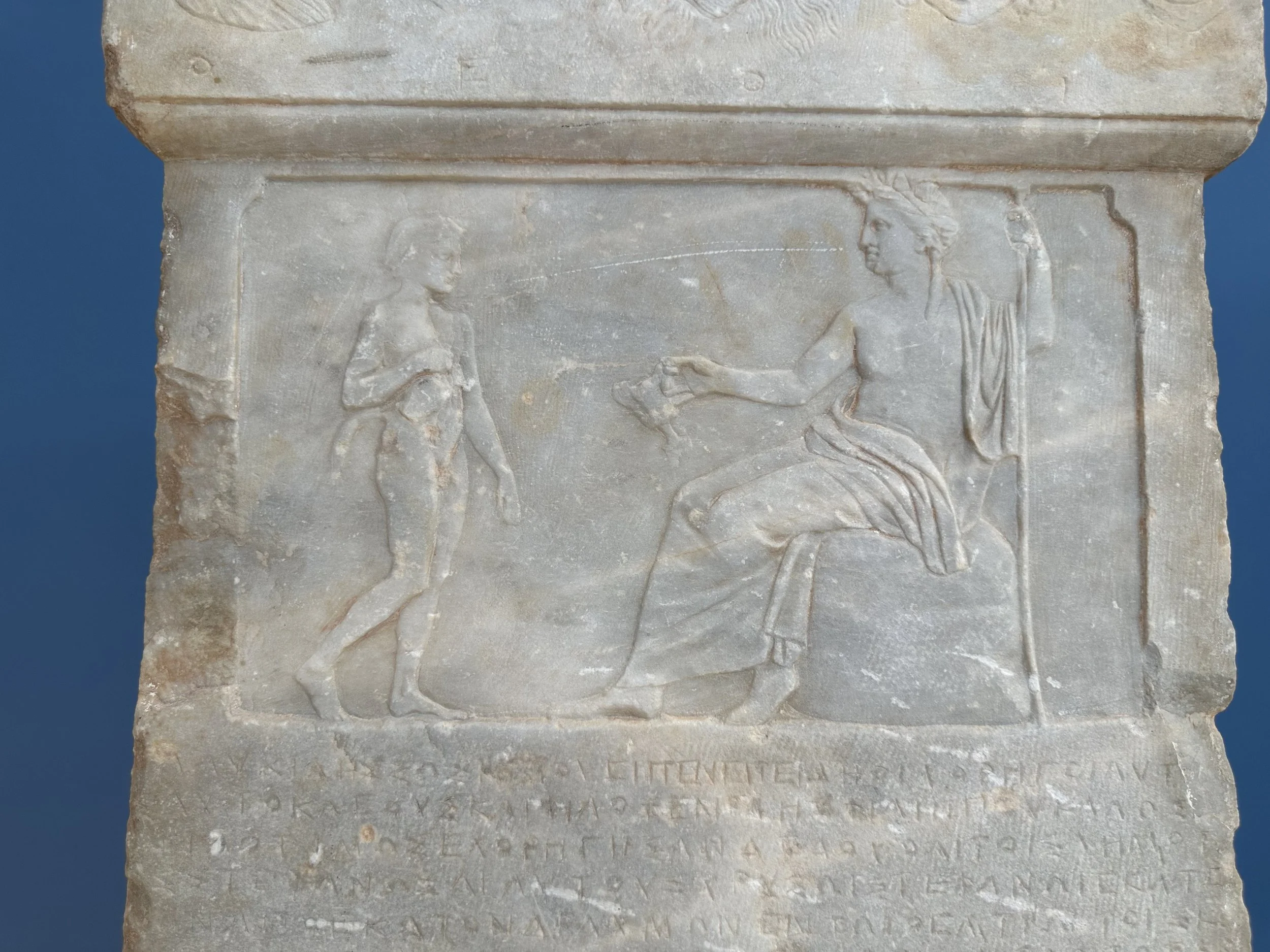
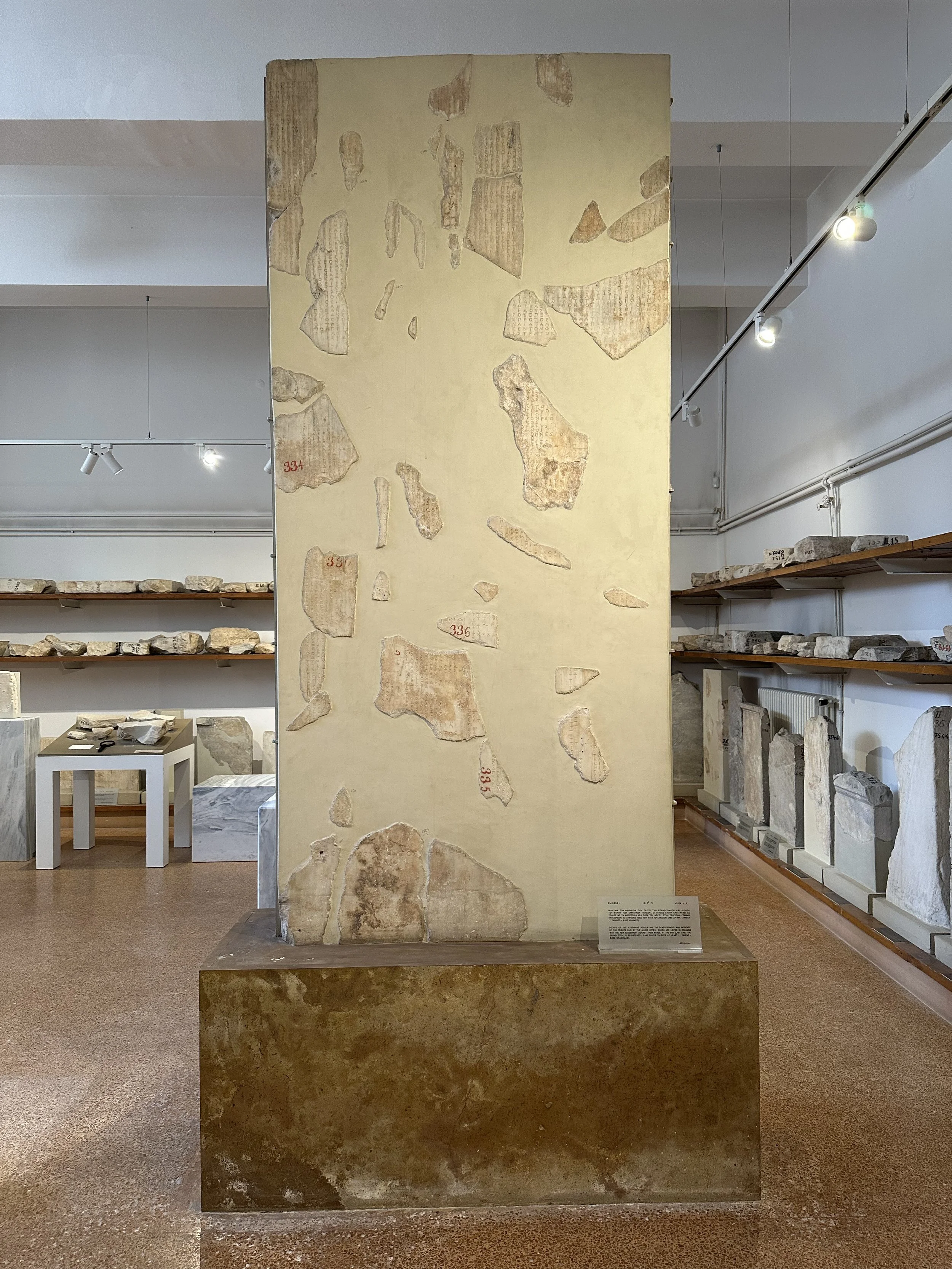
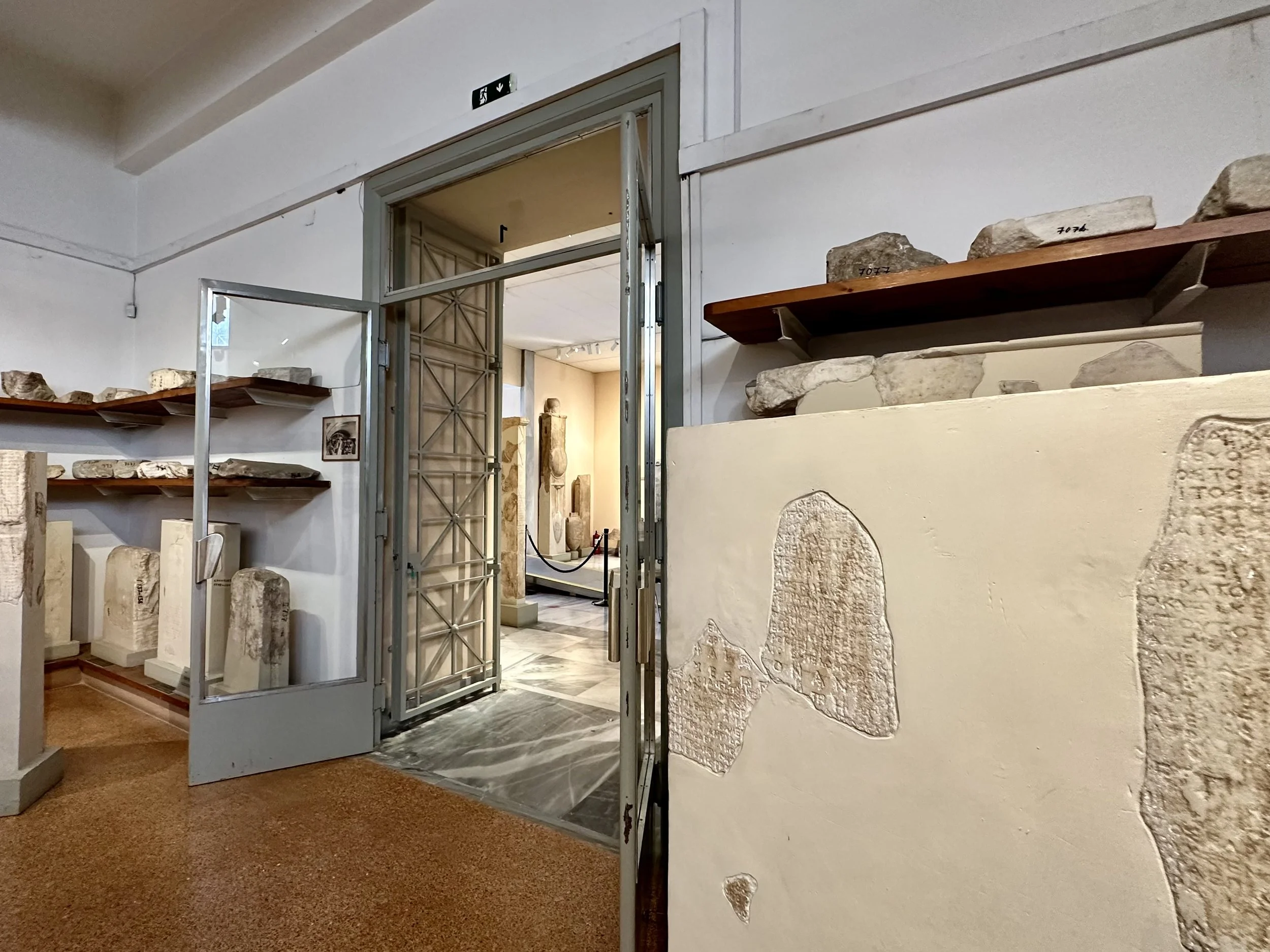
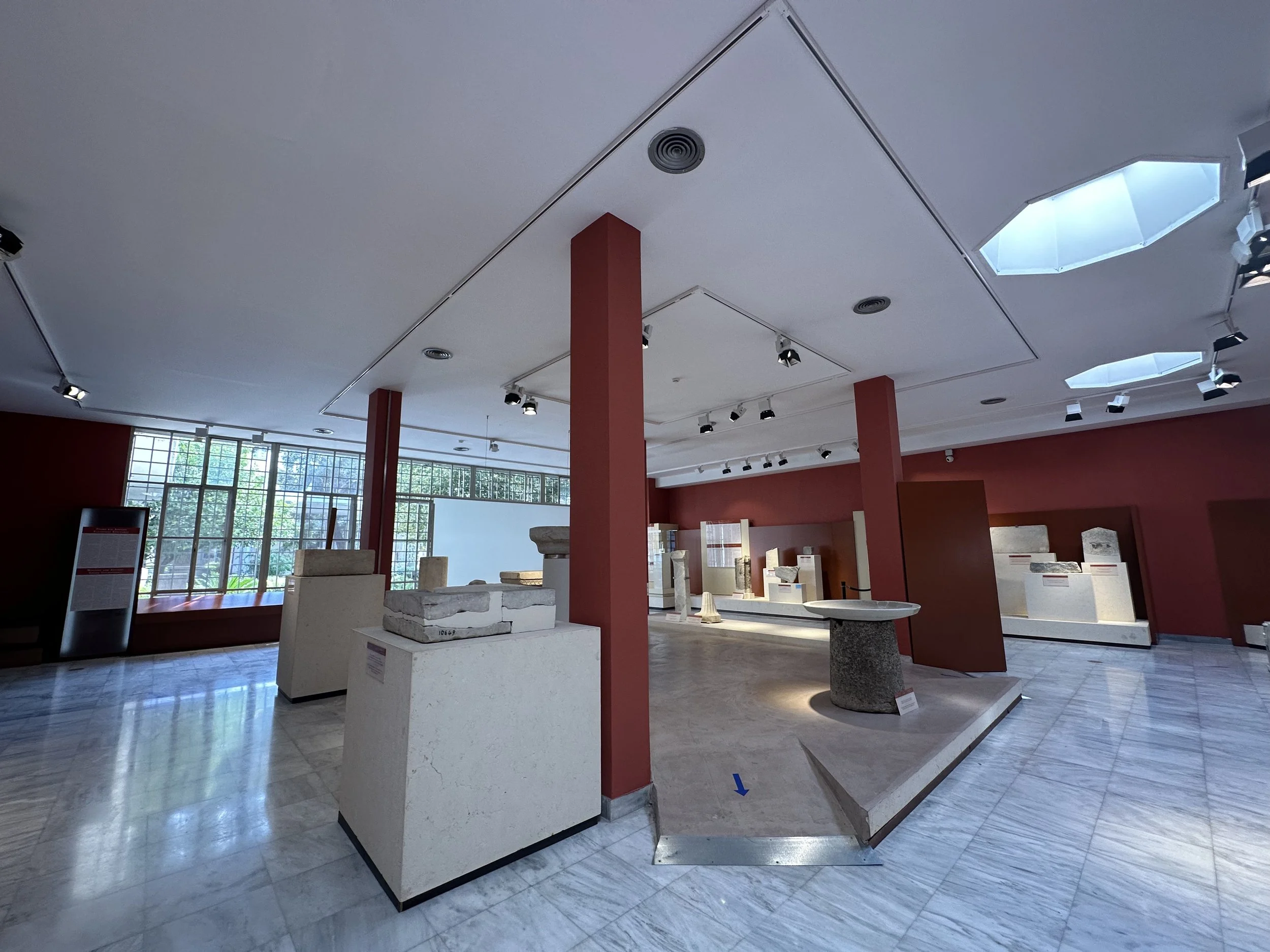
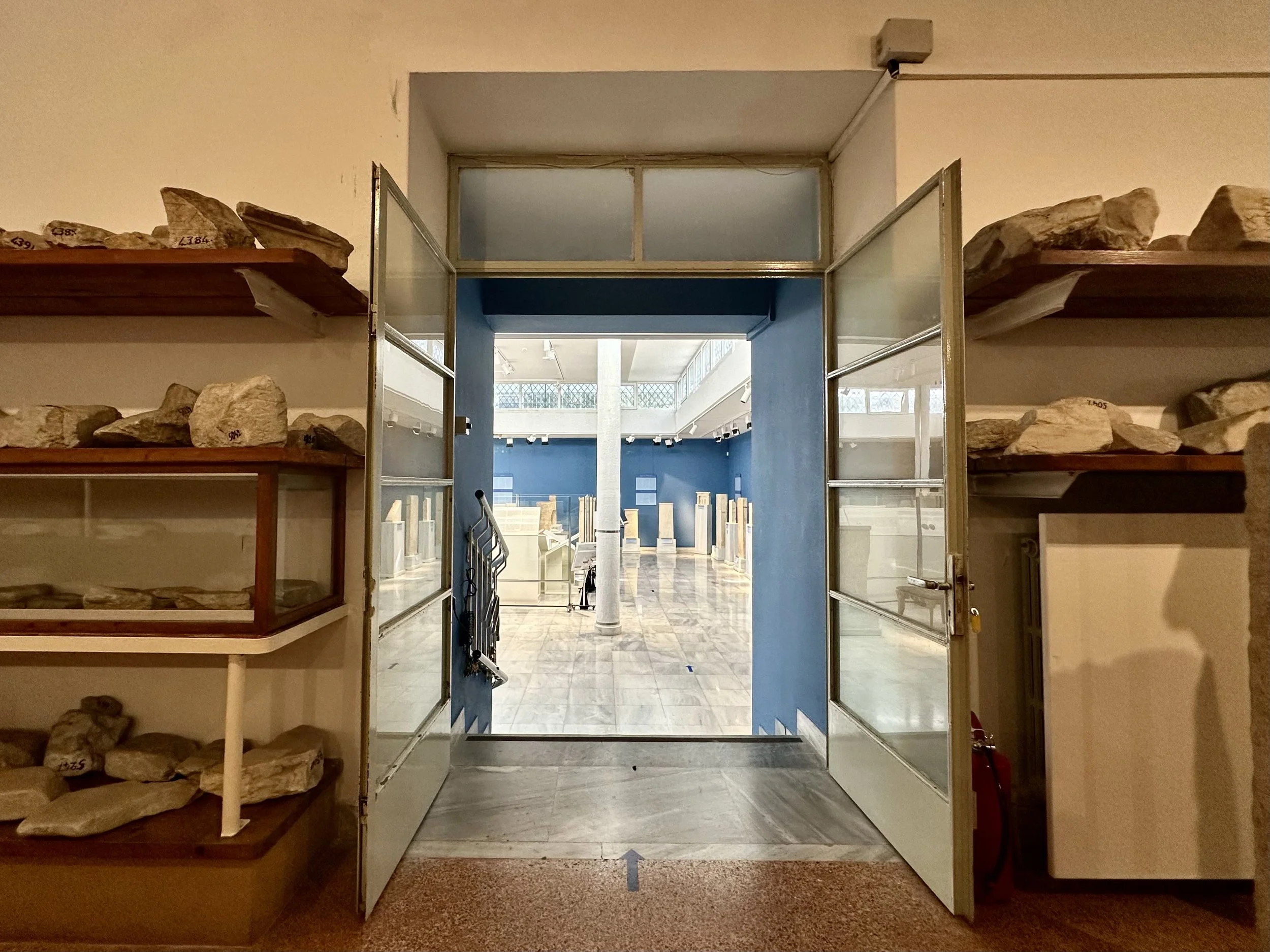
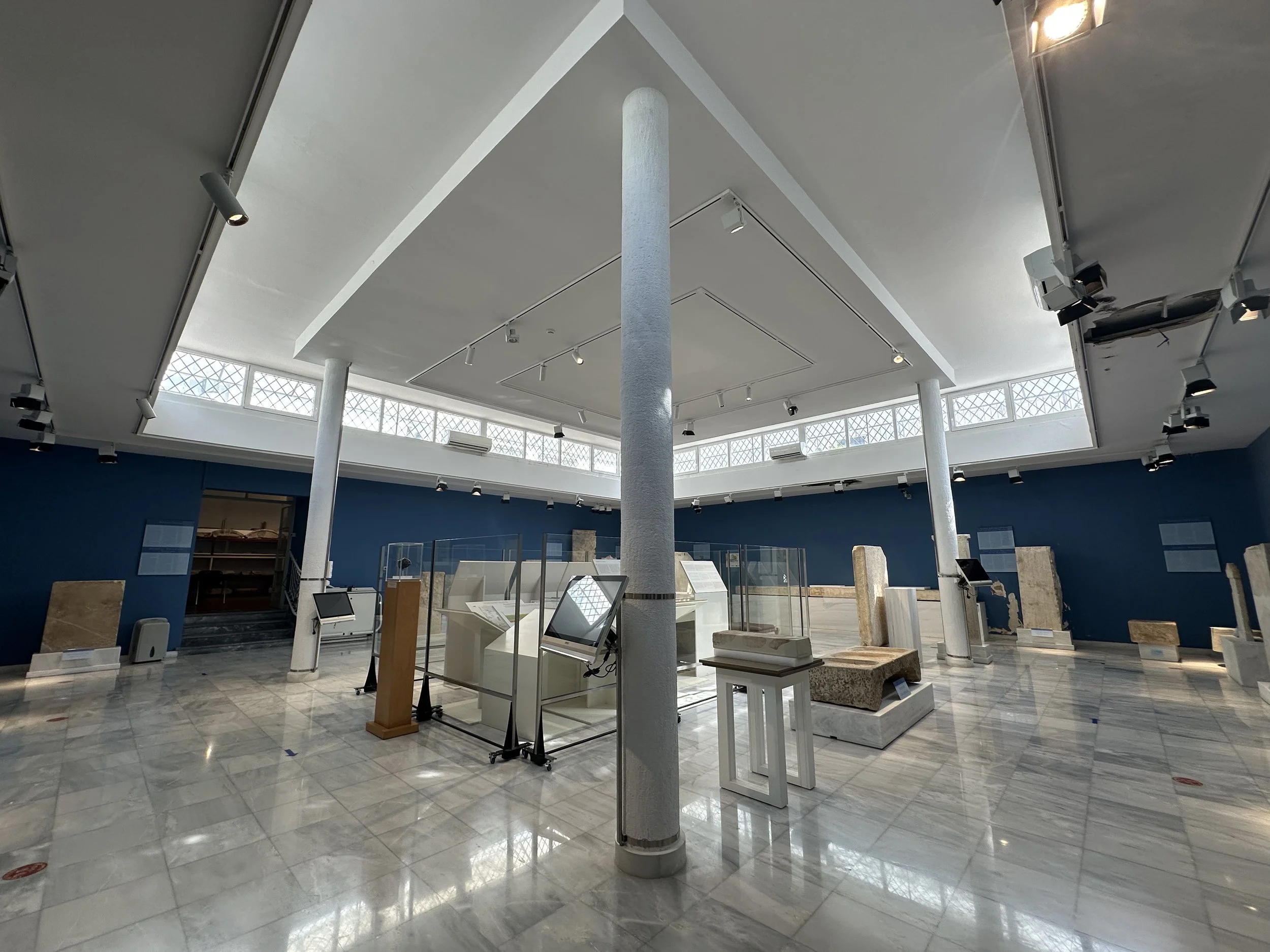
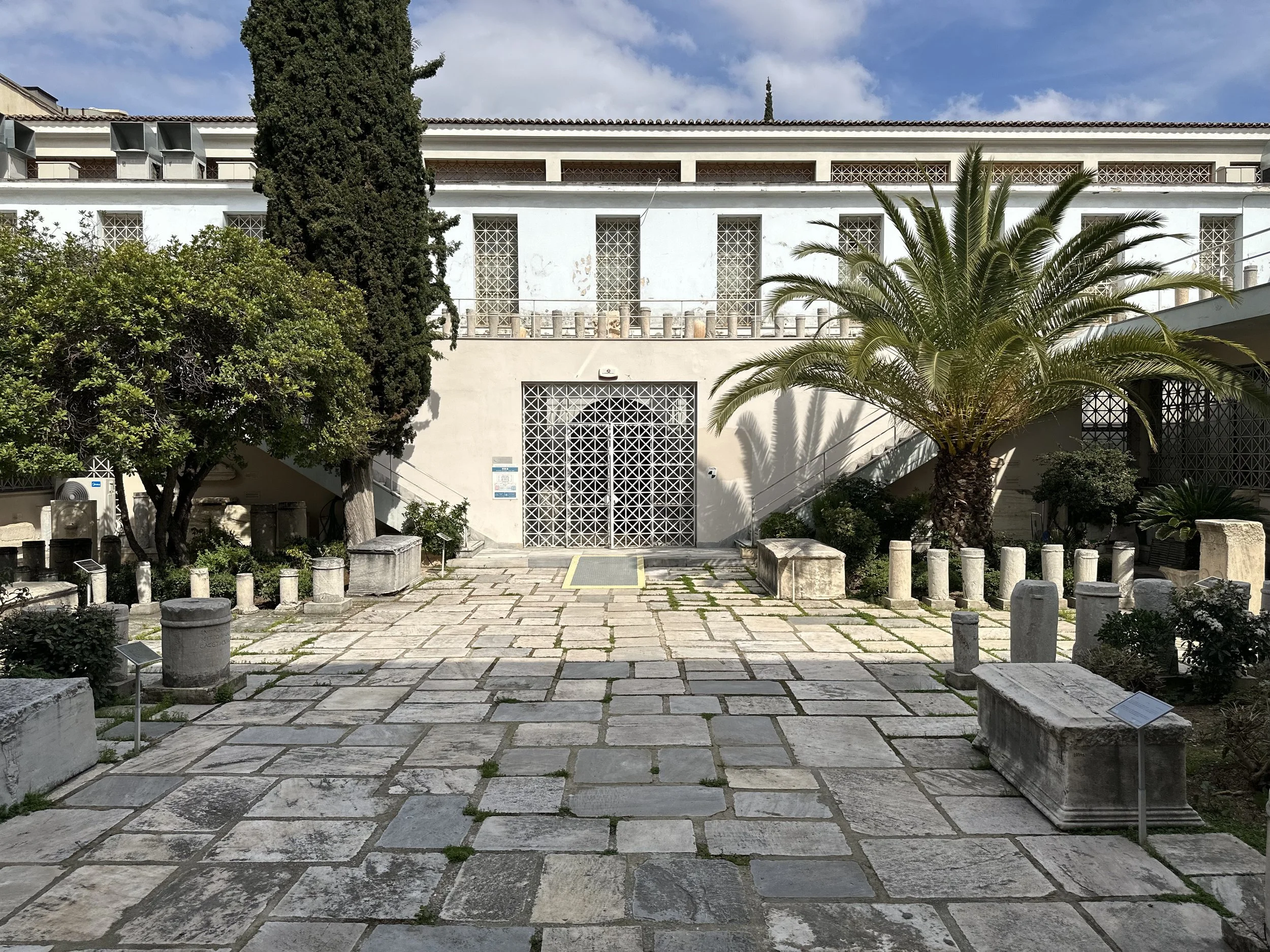
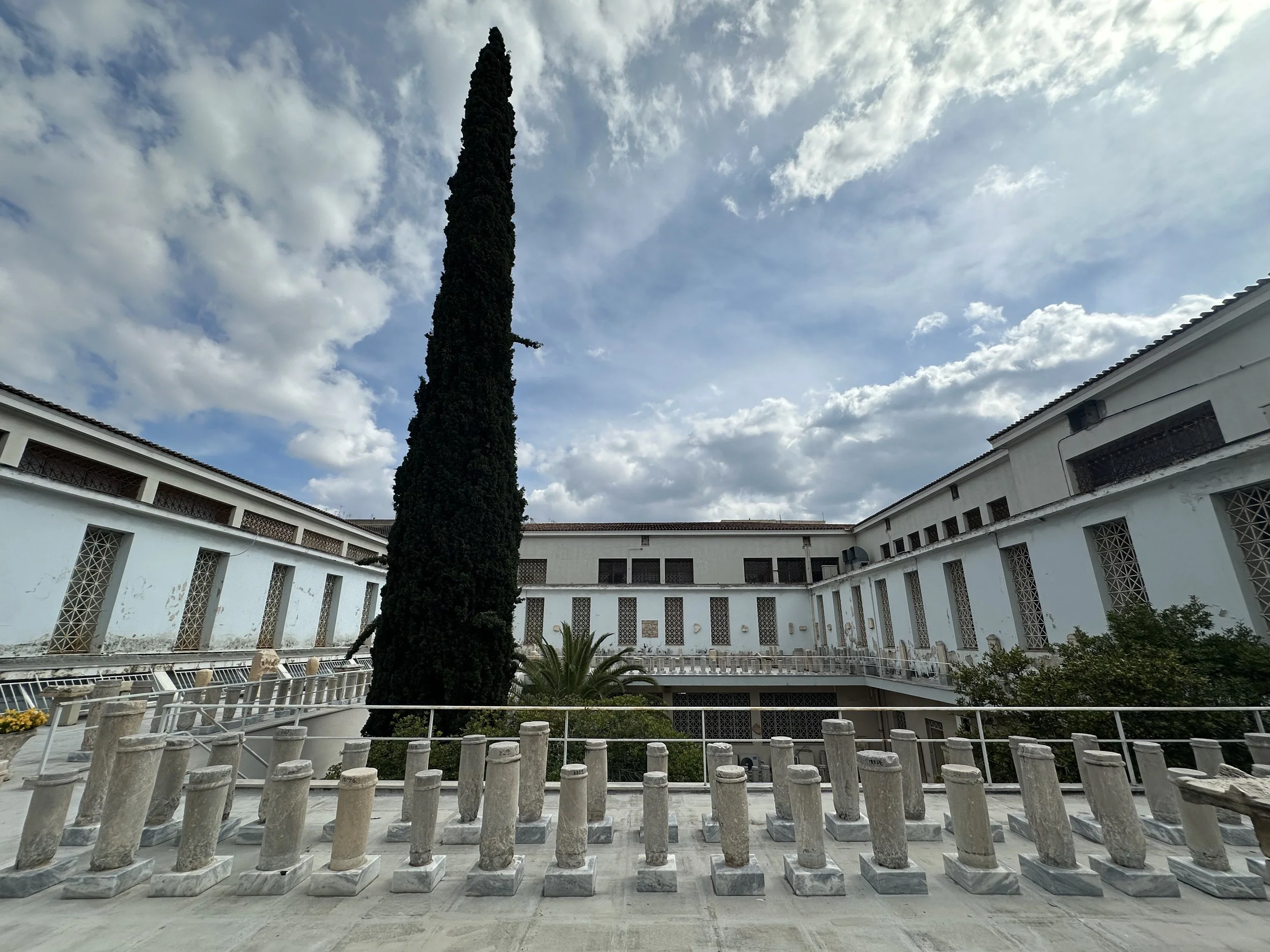
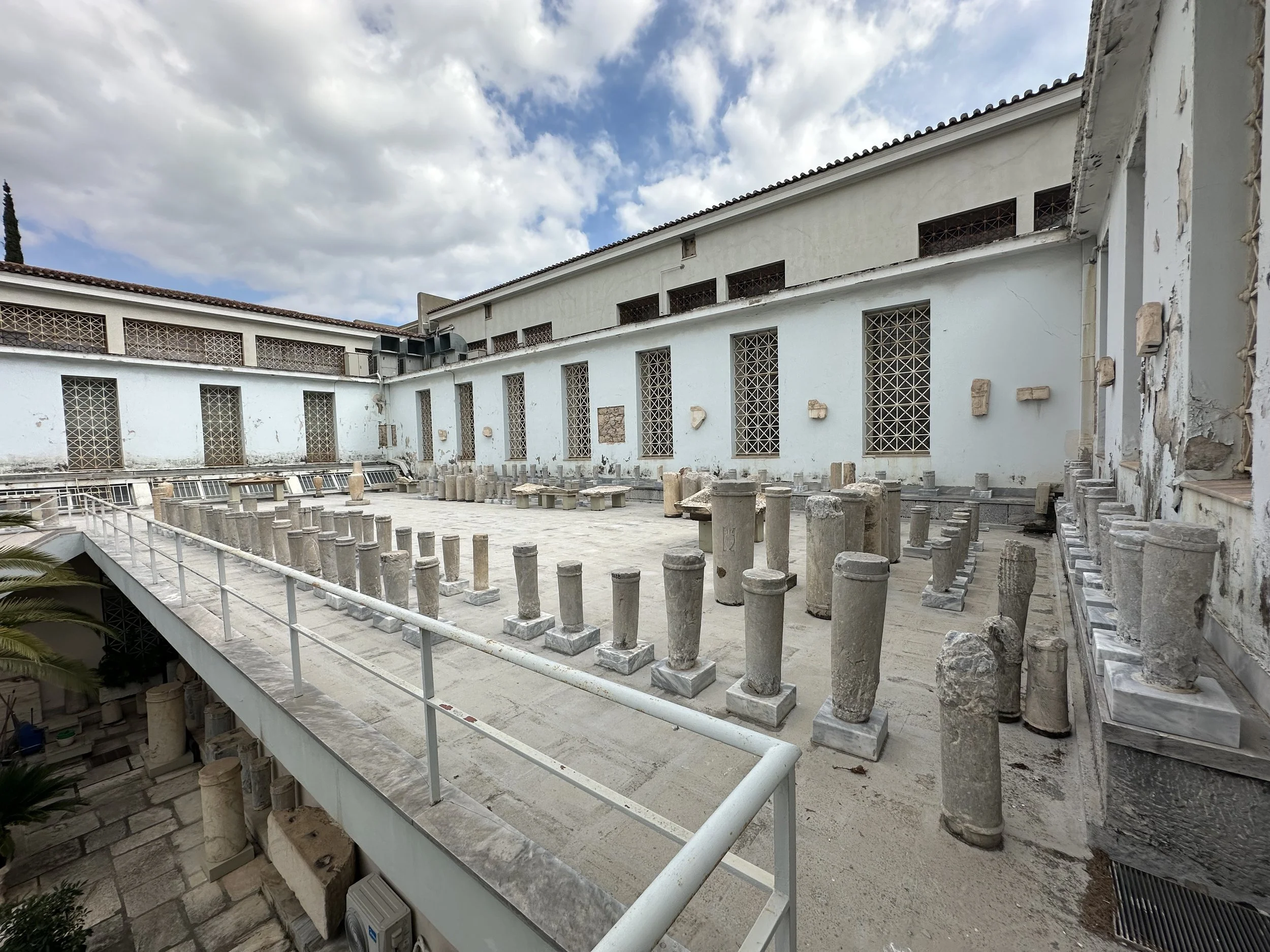
Recently I spent ten days in Athens, giving lessons, workshops, and a performance. I had a wonderful time in the wonderful city. The glorious National Anthropological Museum was just around the corner from my lodgings. Nested against it, with a separate entrance, the smaller Epigraphic Museum was no less glorious. I visited it four times during my stay.

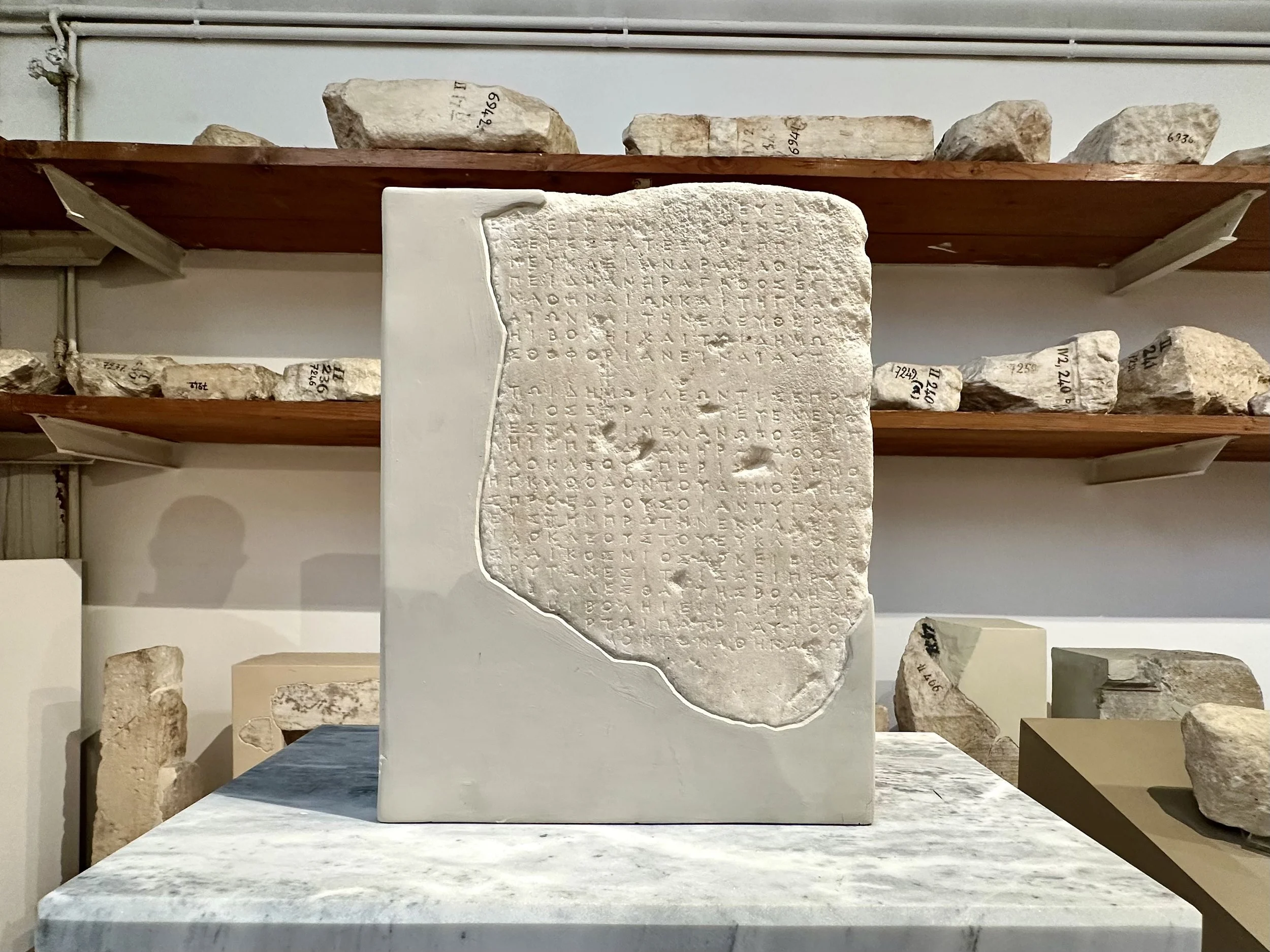
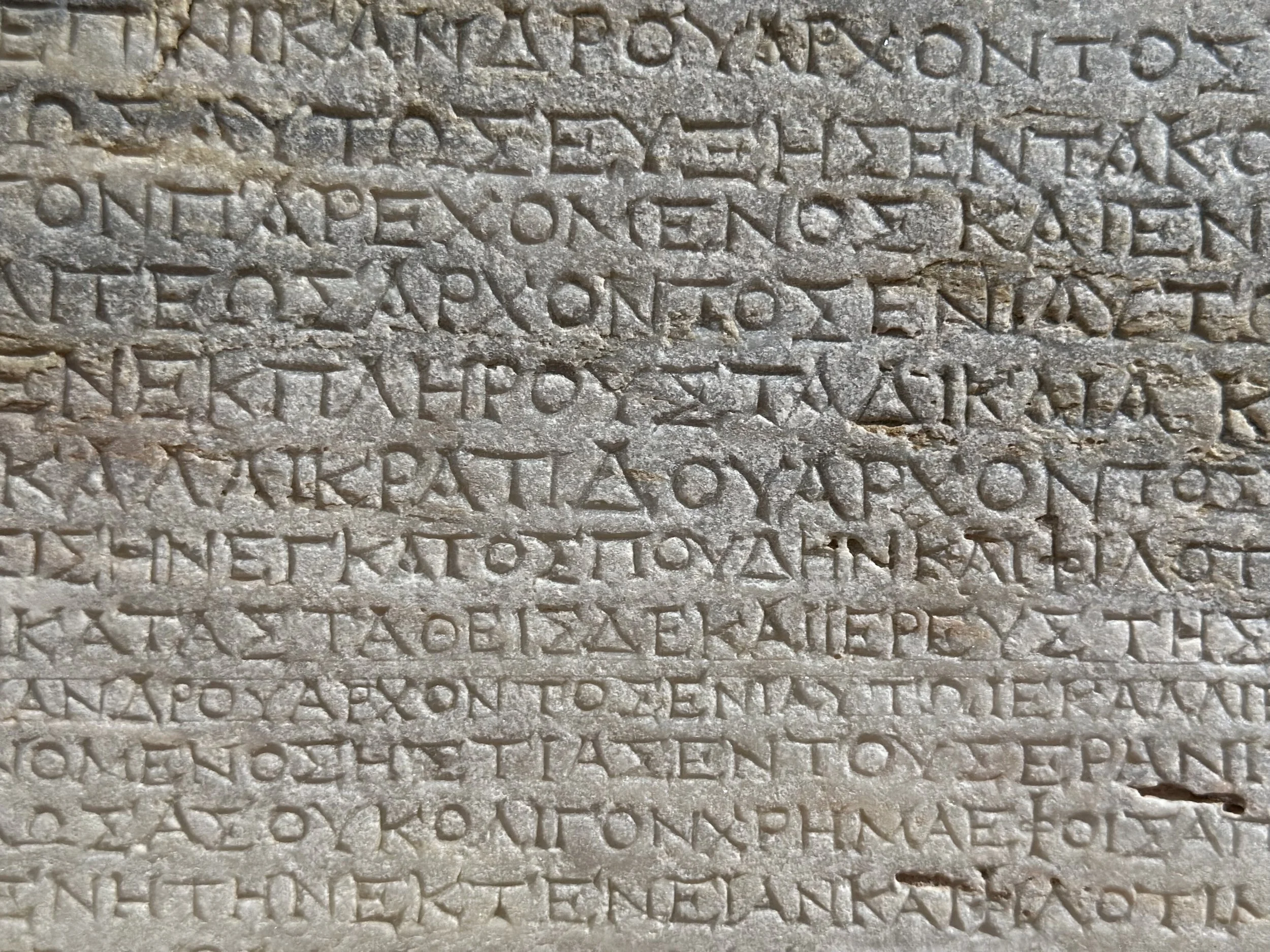
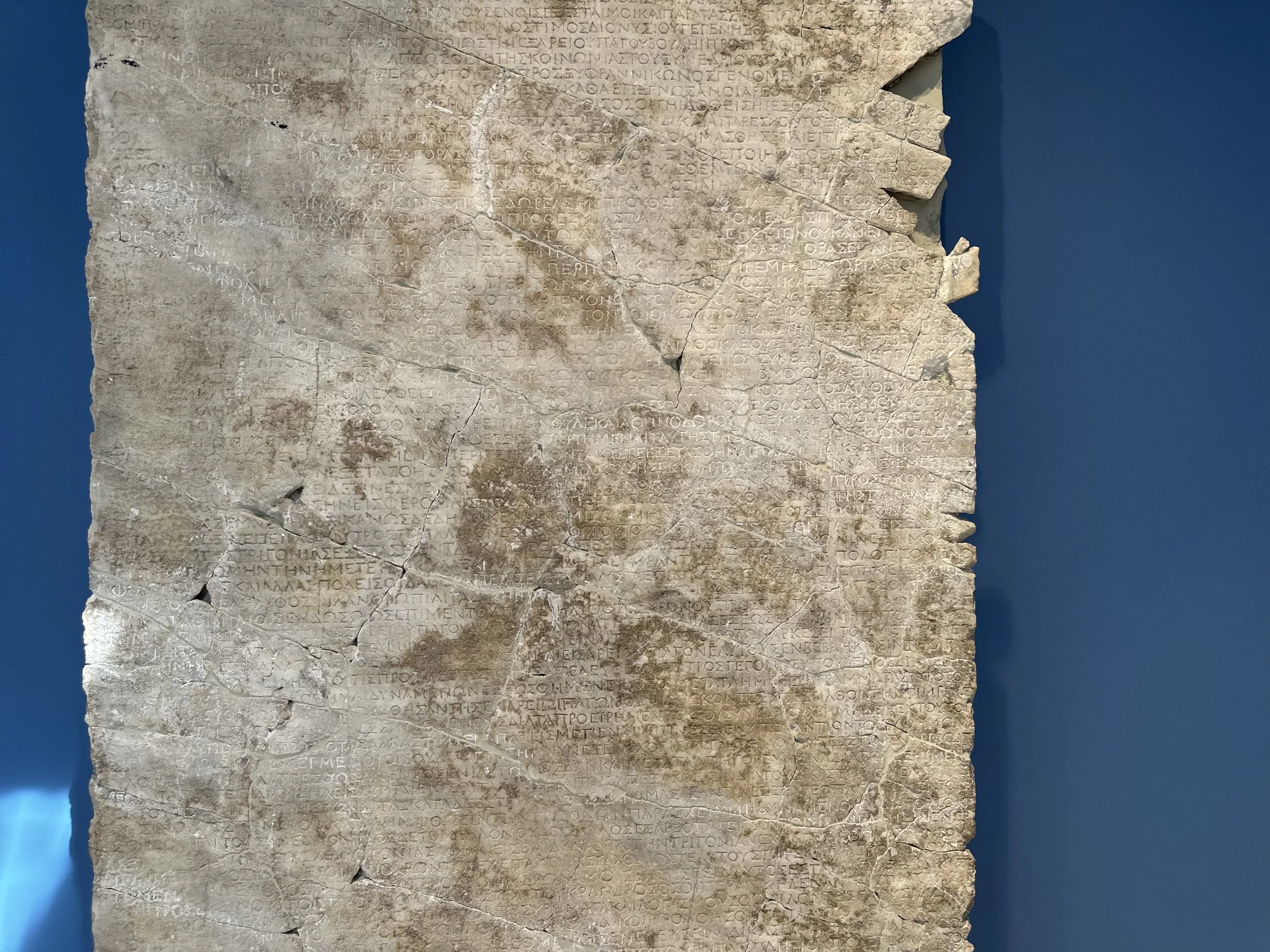
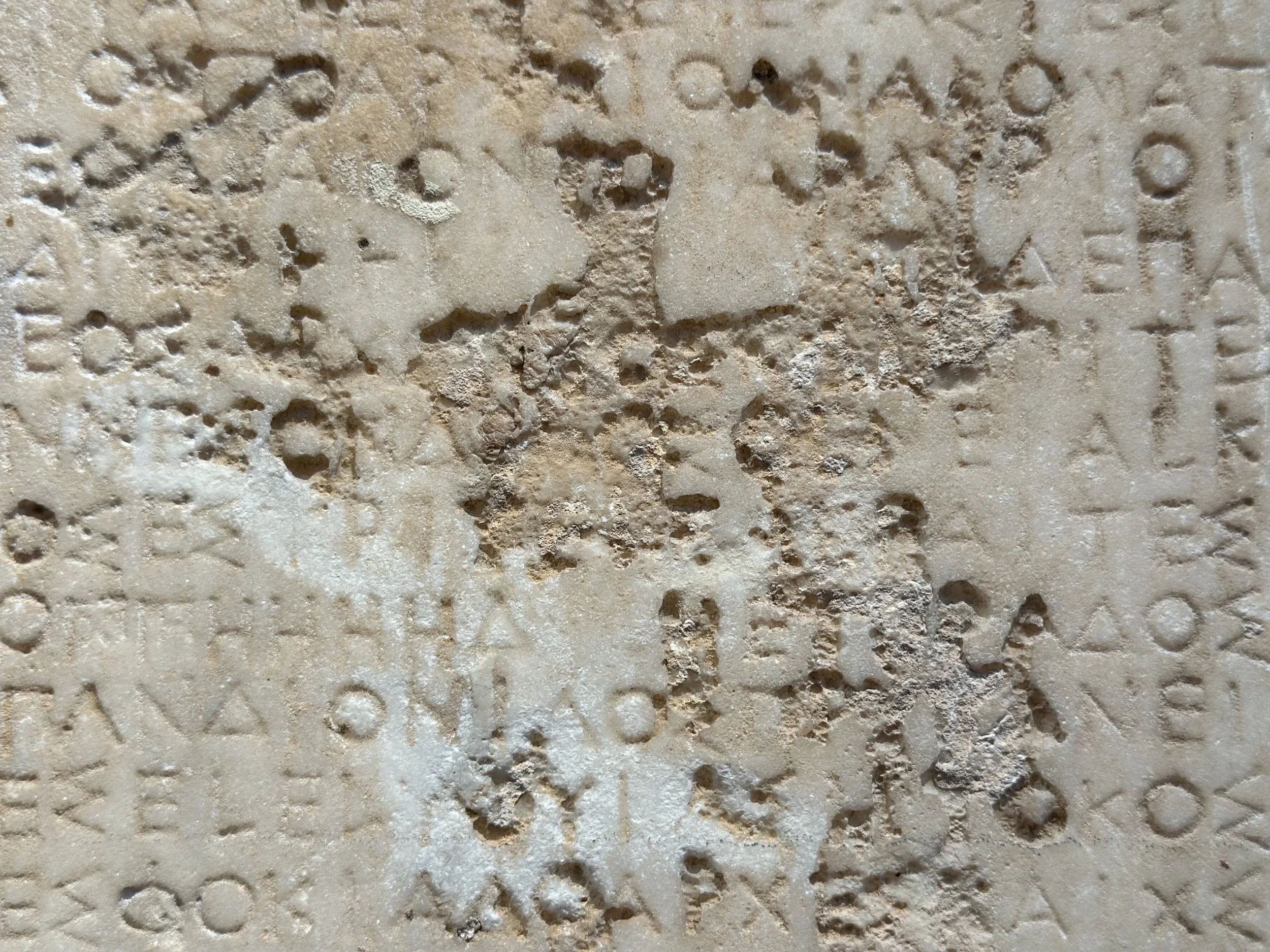
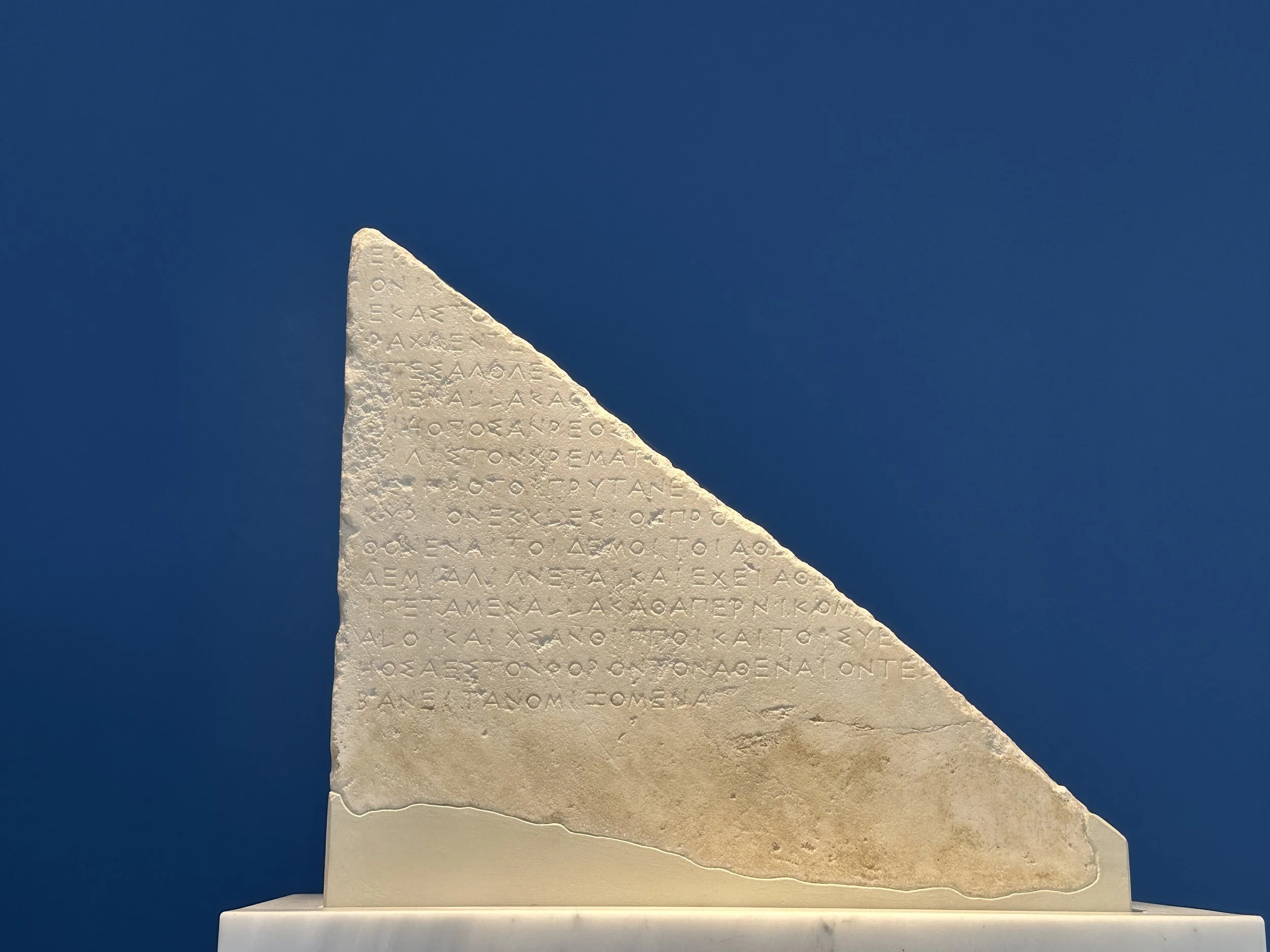
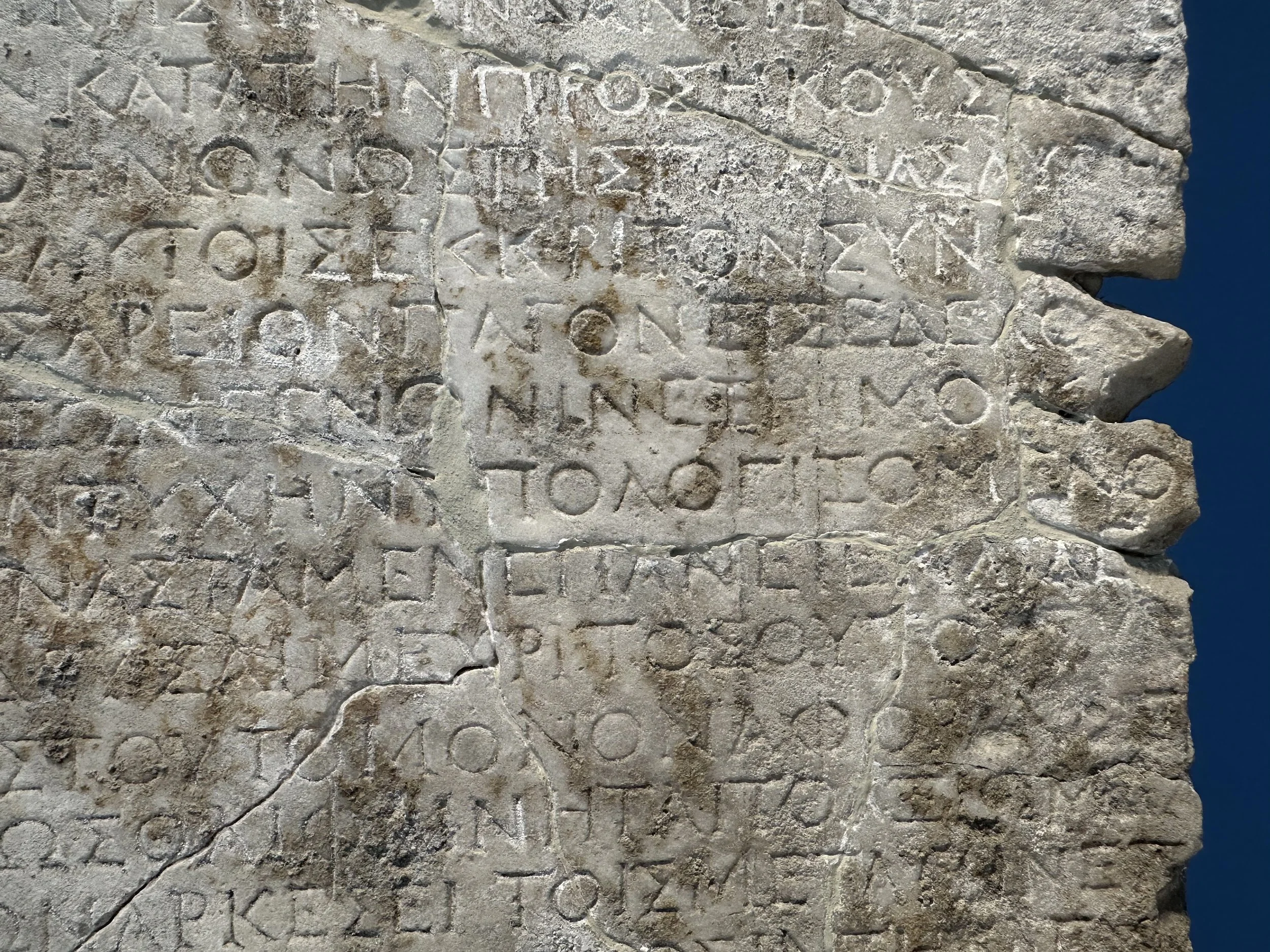
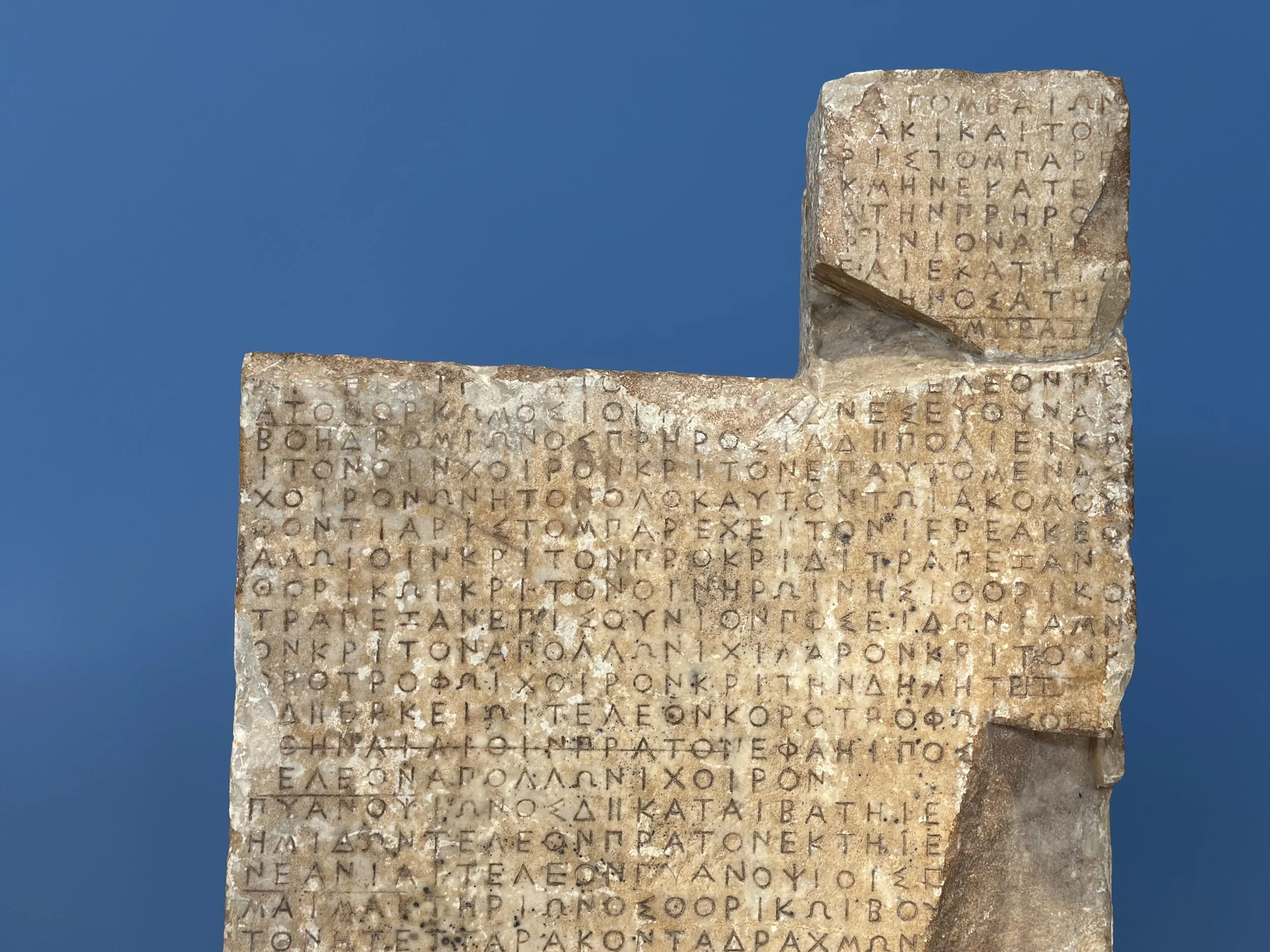
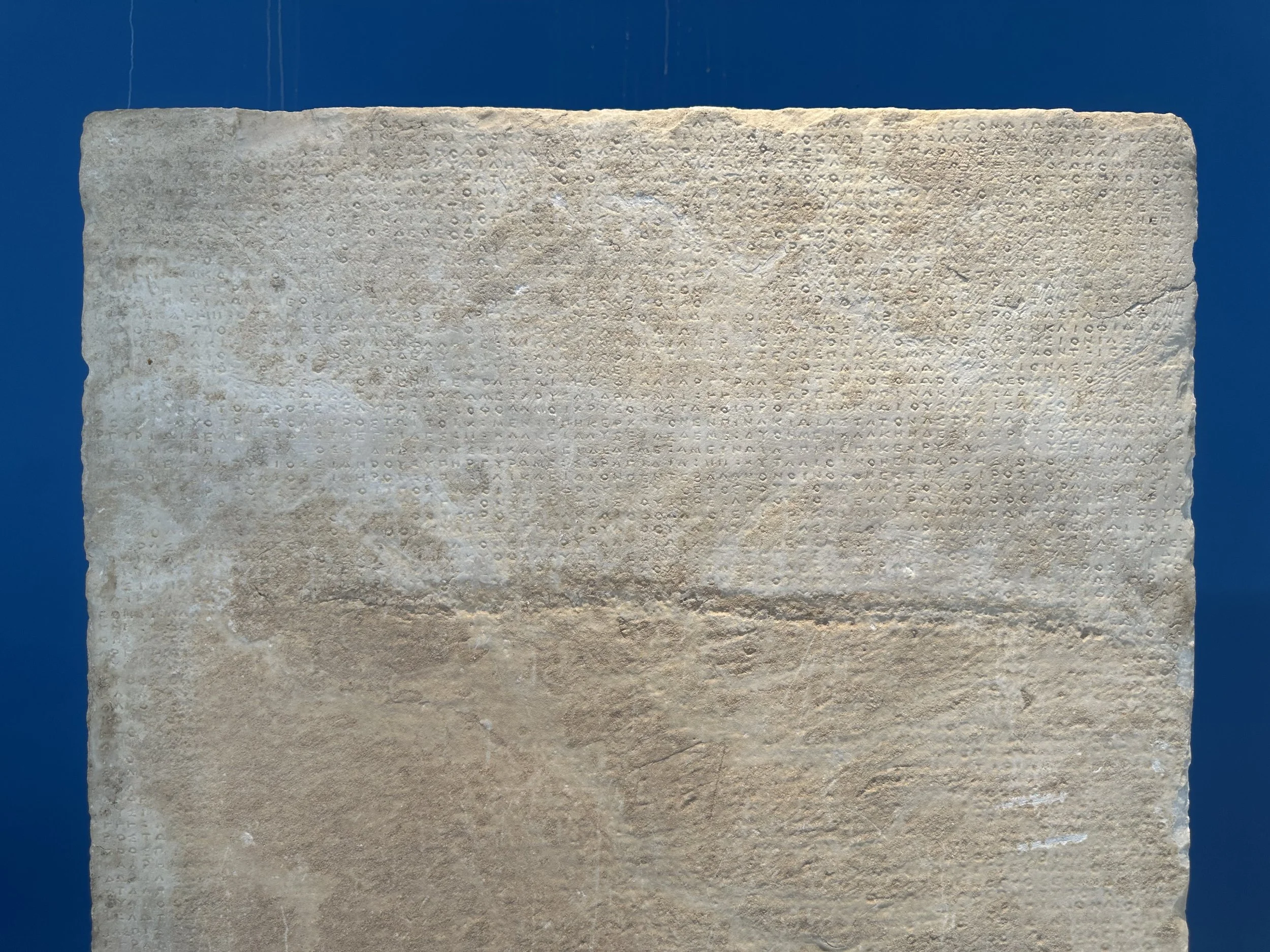
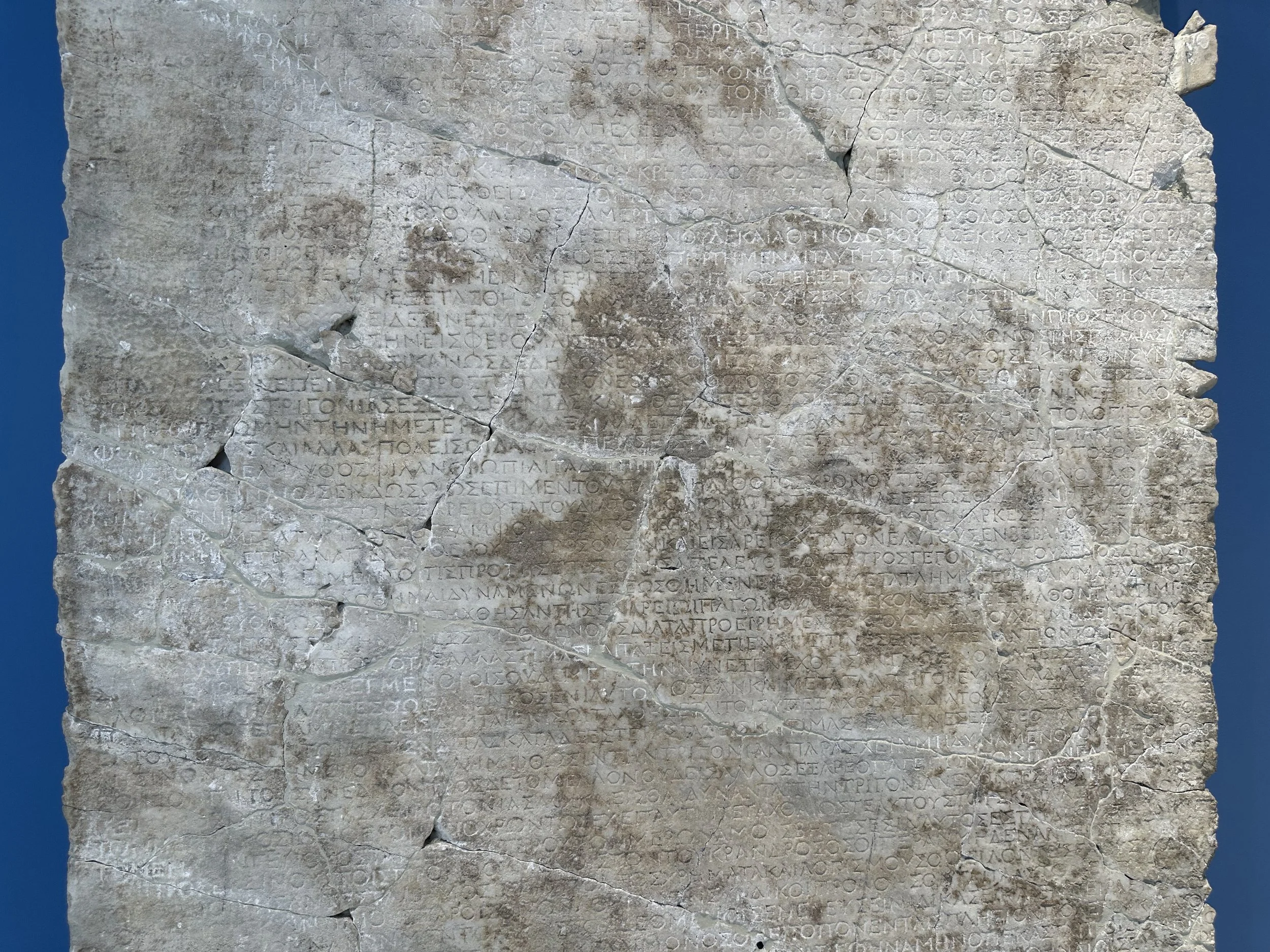
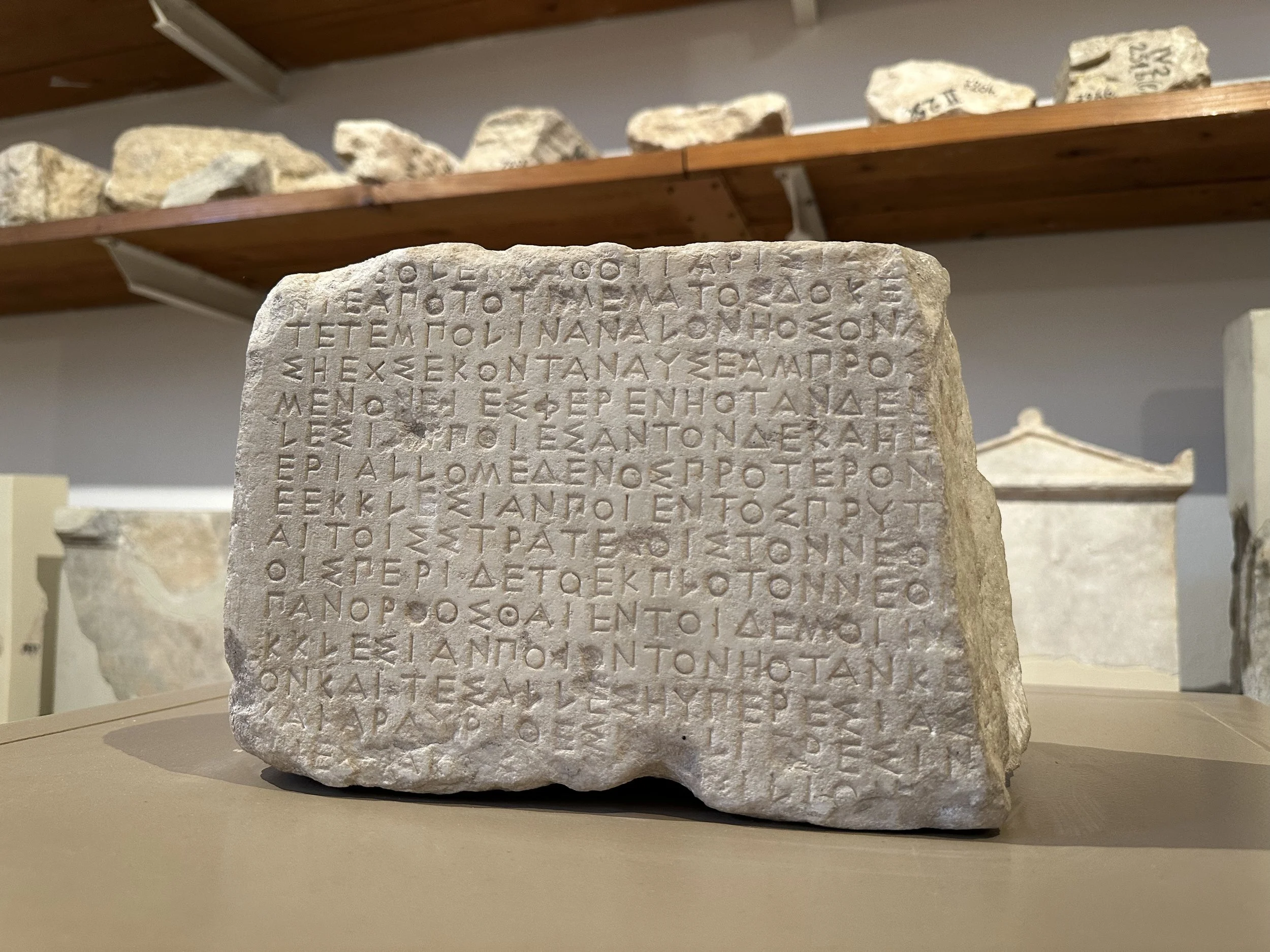
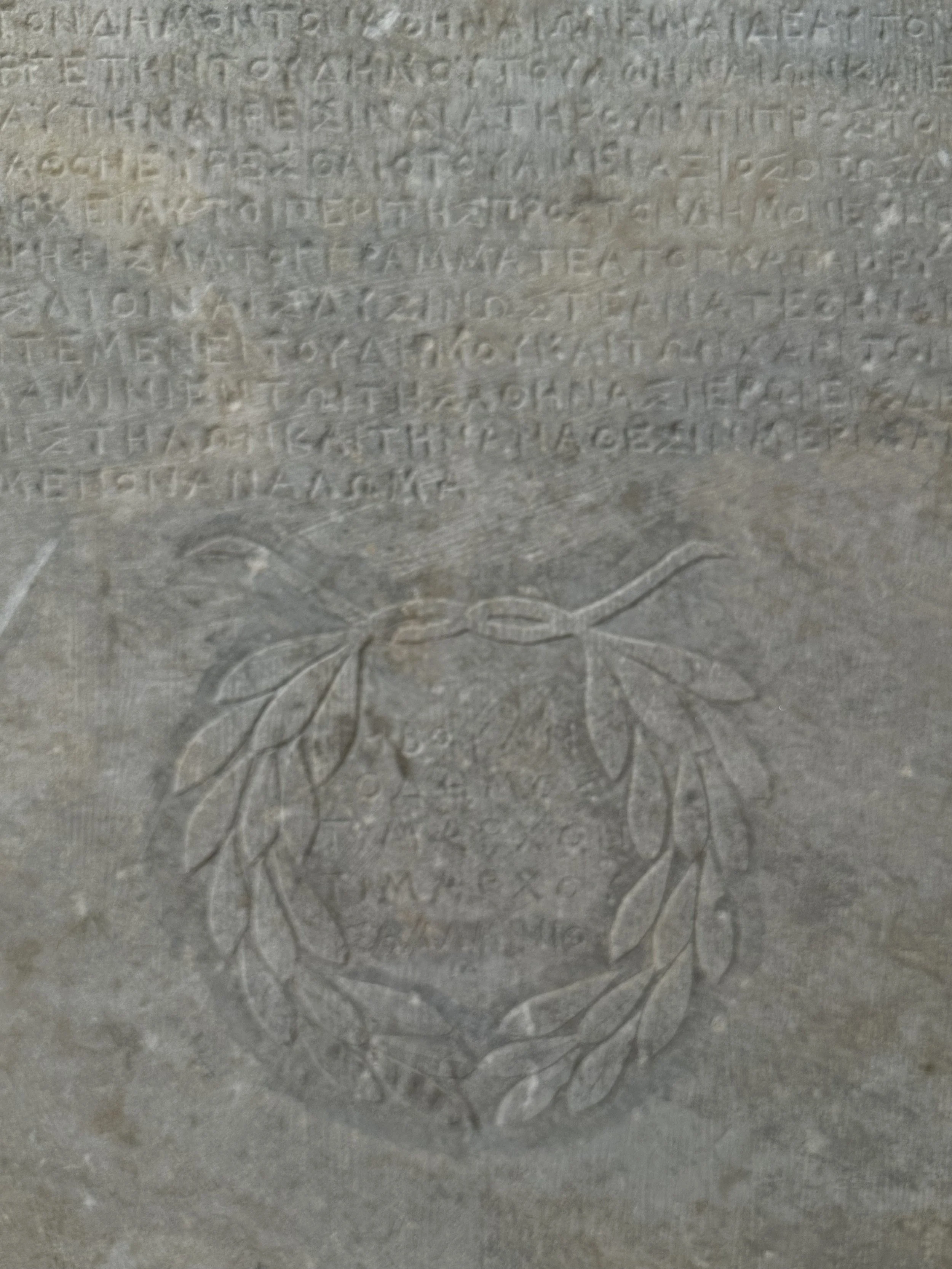
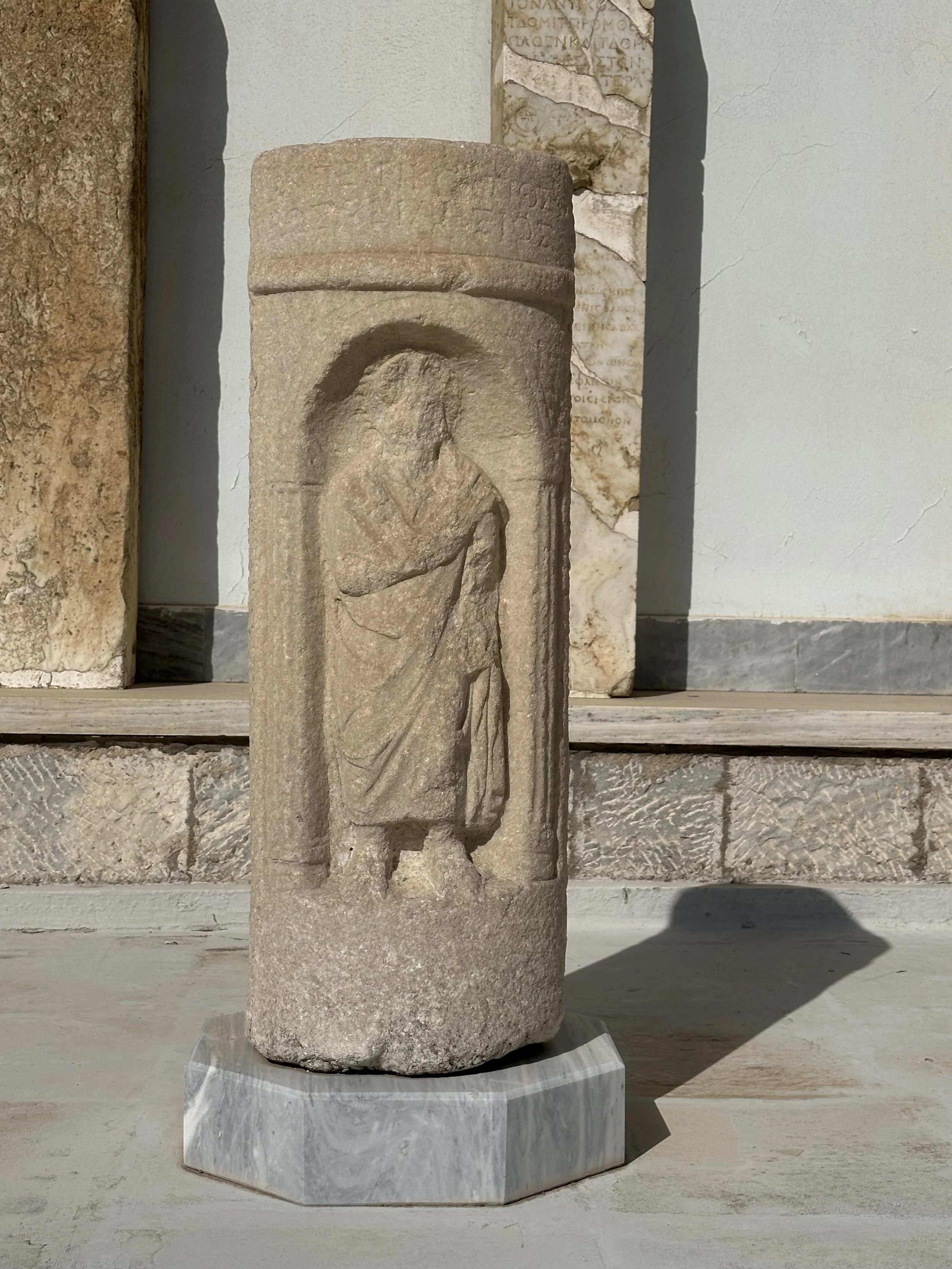
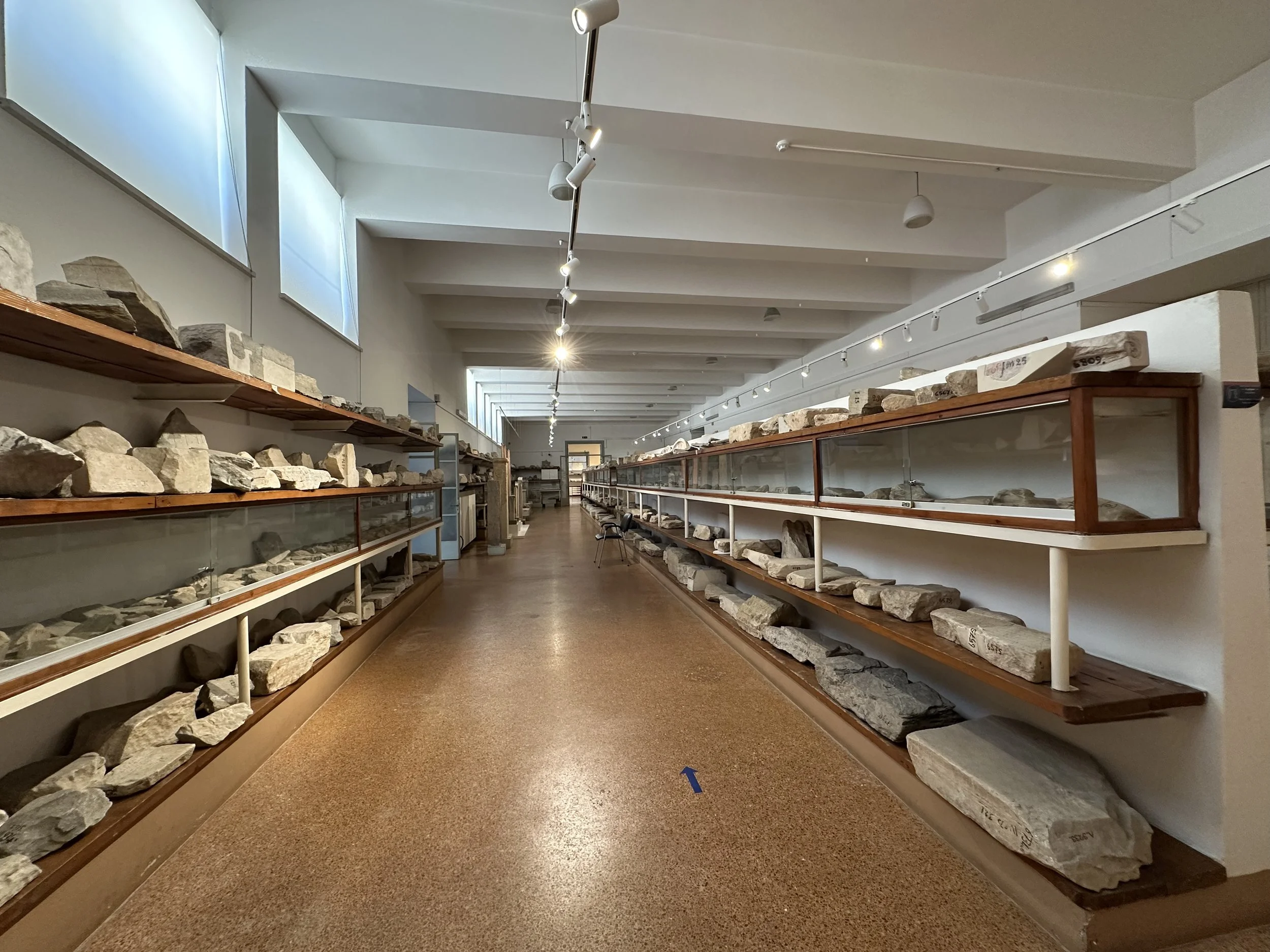
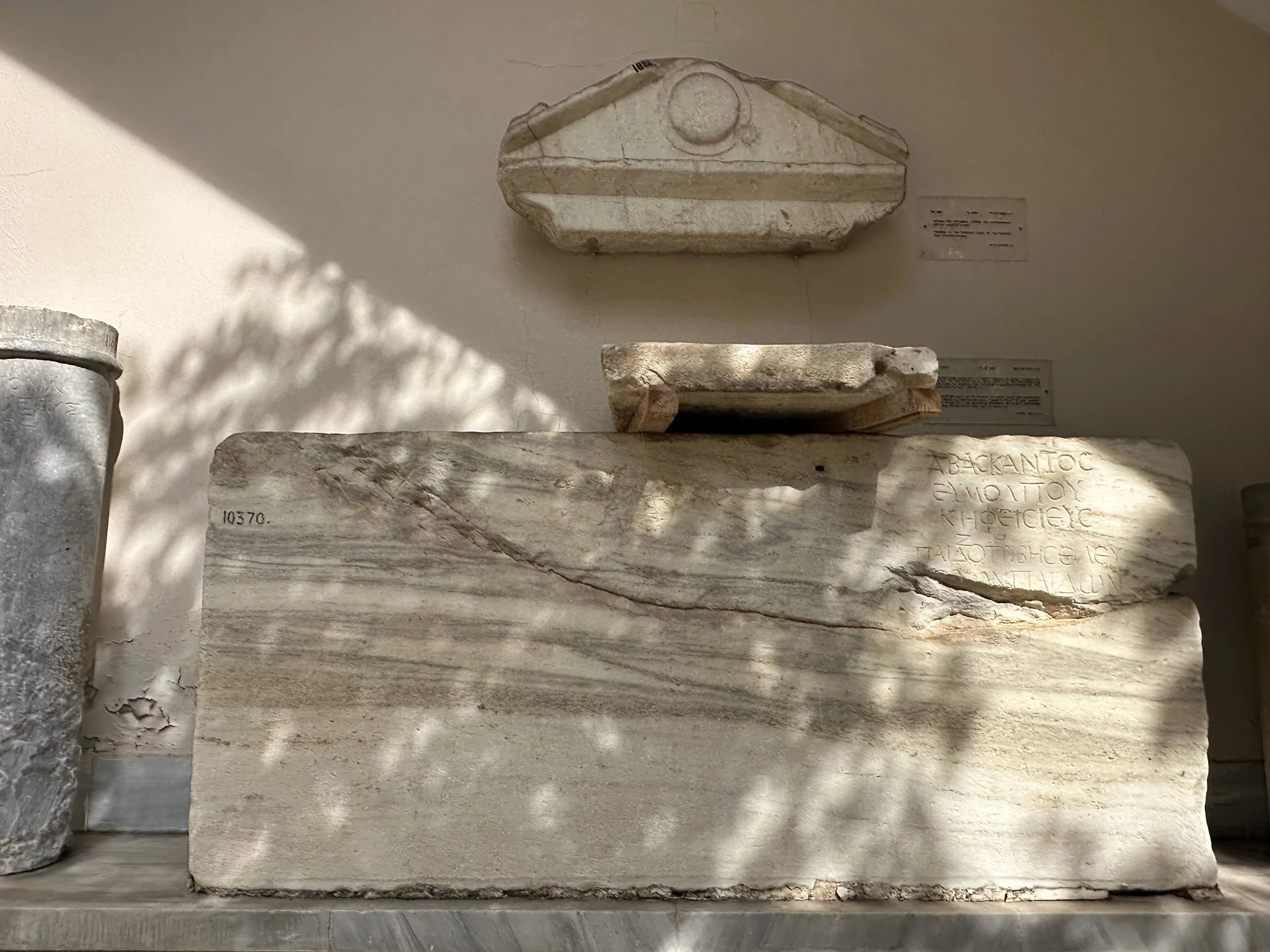
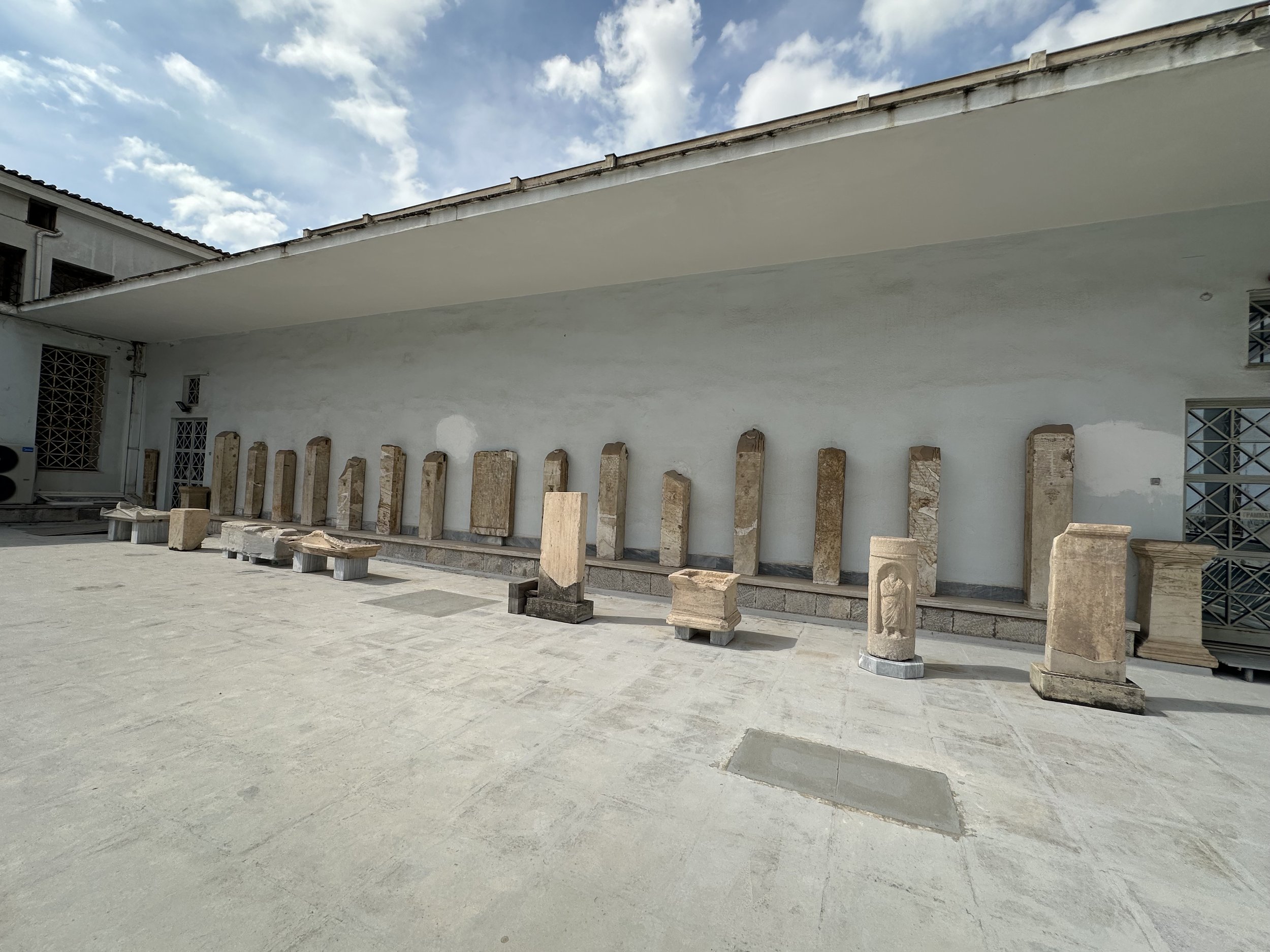
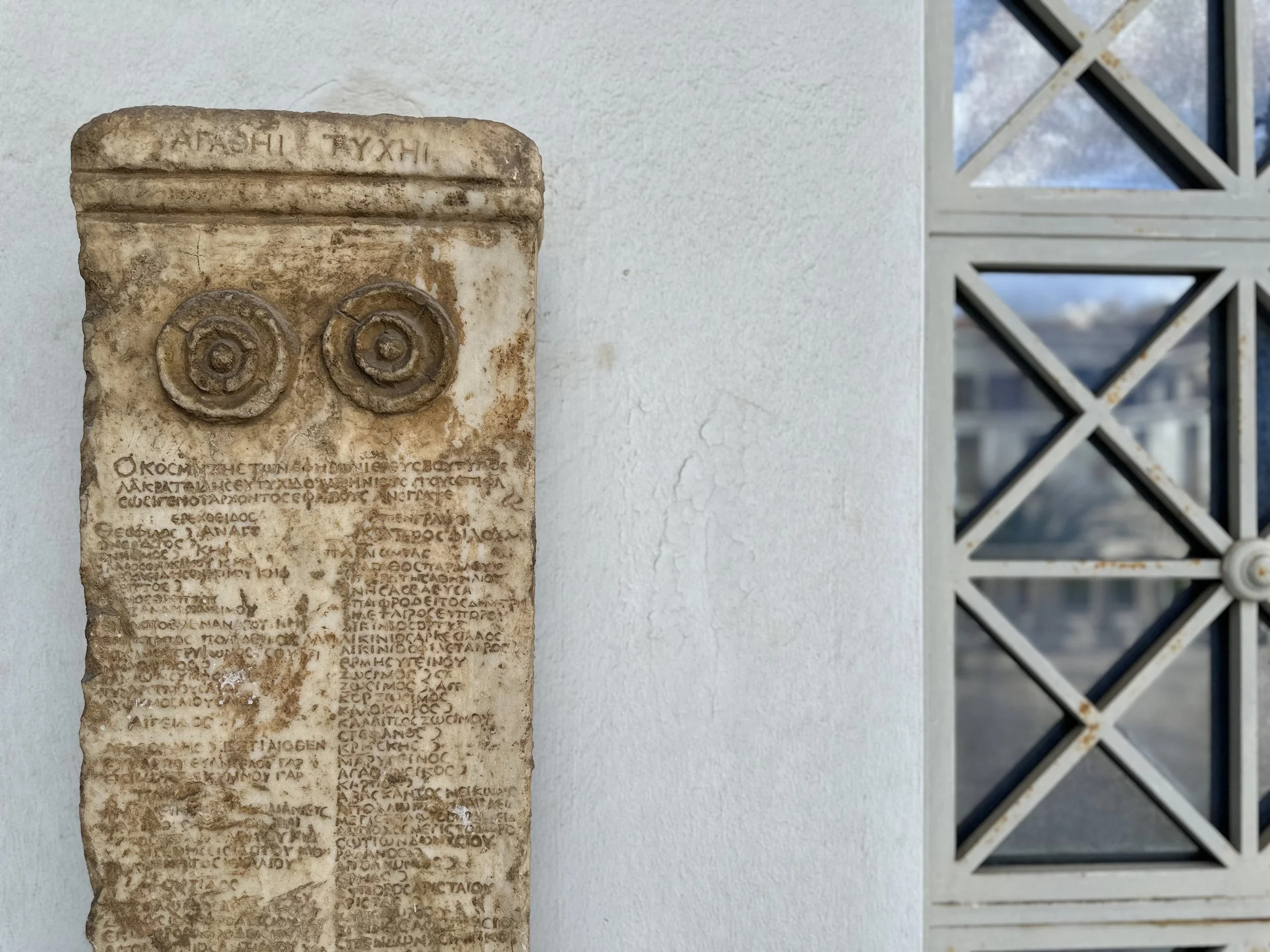
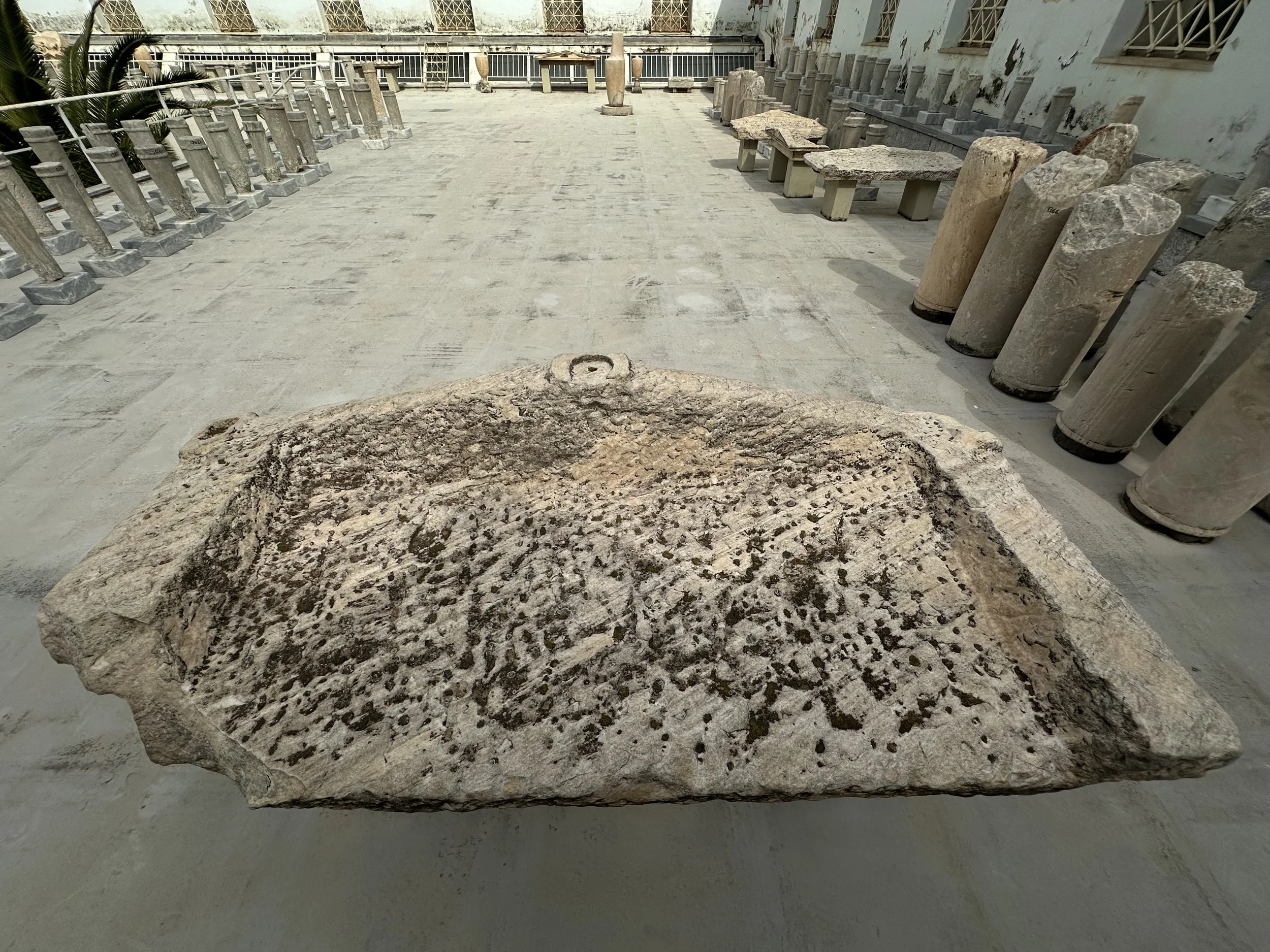
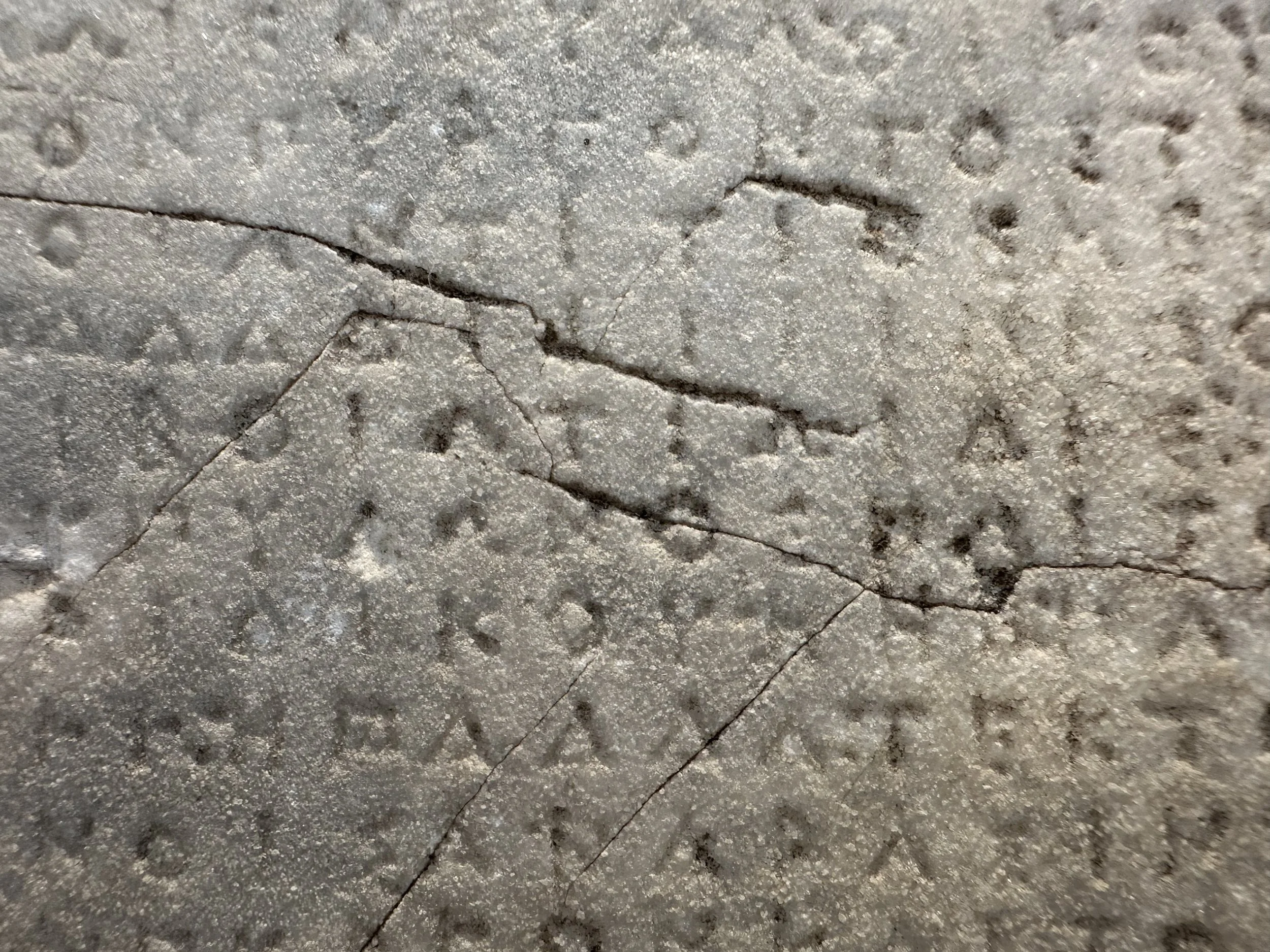
Epigraphy is the study and interpretation of stone inscriptions. The Museum has an incredible collection of beautiful stones and stele, carved with ancient texts that show the linguistic, cultural, and sociopolitical evolution of Greece starting nearly three thousand years ago.

The scribes and carvers who inscribed the stones left their mark, literally. Will this blog post here survive for two or three millennia? Predicting the future is an uncertain art, but I’ll go ahead and predict that in two years (let’s not mention the millennia again) this blog post will have sunk into oblivion, together with much of everything that we’re all doing right now.

You don’t have to read a word of Greek to appreciate a carved stone as a thing of exquisite beauty. Any stone represents all stones. At the Epigraphic Museum I “saw” Isamu Noguchi and Constantin Brancusi, I “saw” every tombstone in every cemetery I’ve ever visited, I “saw” every child who ever collected pebbles at the beach. Every stone eternally sings the Song of Stone. The Epigraphic Museum isn’t as silent as you think at first.

My wife came with me on my first visit to the museum, but after a while she had to leave to go to work. Then I found myself alone; completely alone; I was the only visitor in the entire museum. On two of my subsequent visits, I again was completely alone. On my fourth and last one, I witnessed a group of schoolchildren rush through the galleries. In front of an exhibit showing the evolution of the Greek alphabet, the children recited the alphabet out loud. They quickly exited the museum, and I was by myself again. Being alone in an astonishing environment, often in the middle of a bustling city, has long been a regular feature of my life. One day I’ll try to tell you more about it.

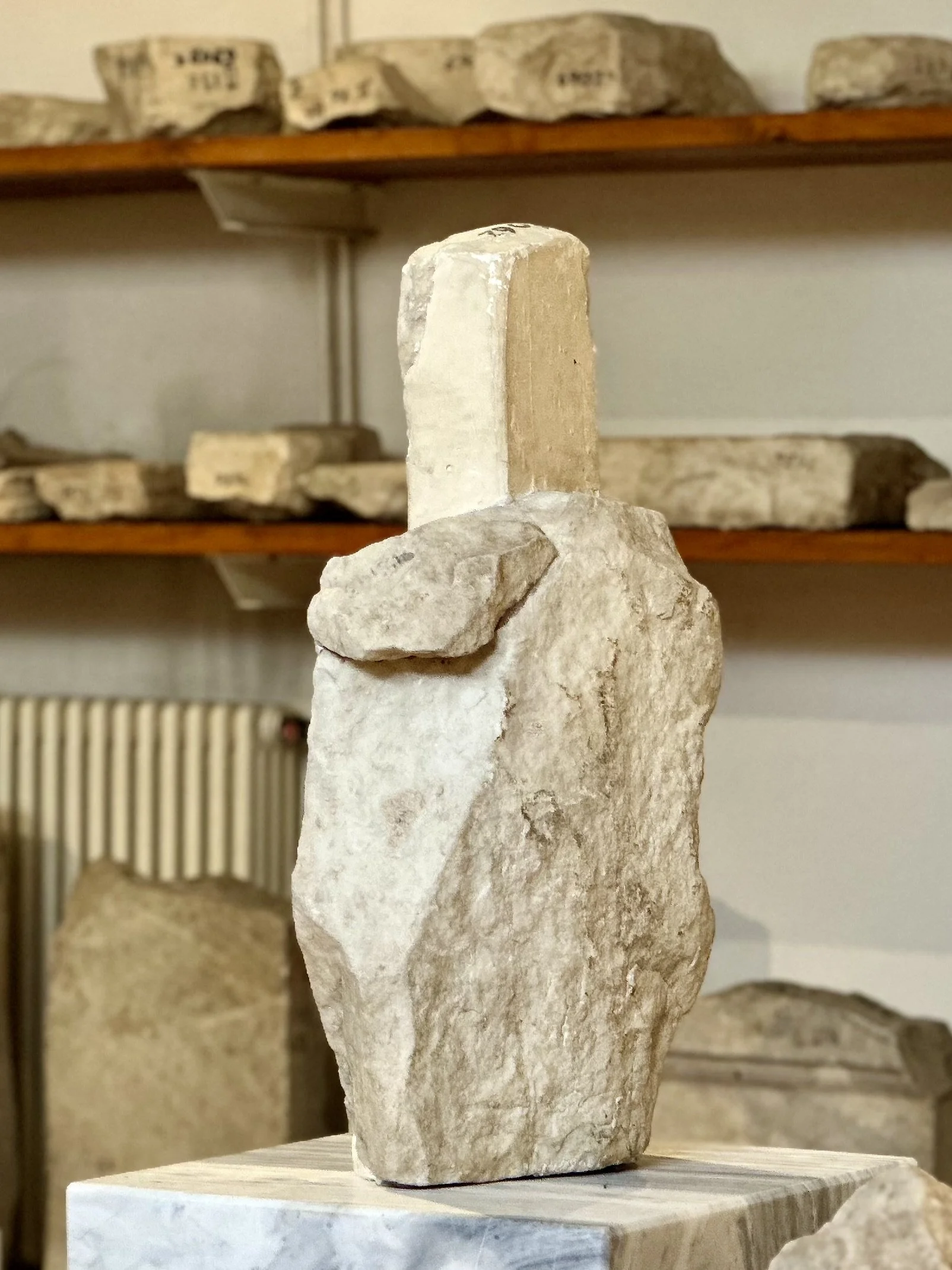
The museum workers (there were three of them) became intrigued by my presence. Two of them barely spoke foreign languages, but they weren’t bothered and spoke to me mostly in Greek. During my last visit, one of the workers approached me and said, “Come.” And he walked me through the storerooms and conservation workshops, which are behind locked doors and out of bounds for visitors. The workshops were bigger than the museum, crammed with artwork, work benches, tools, incalculable riches normally hidden from view. It was just the two of us in there, the stranger and the threshold guardian. The stones were singing, and we were dancing.

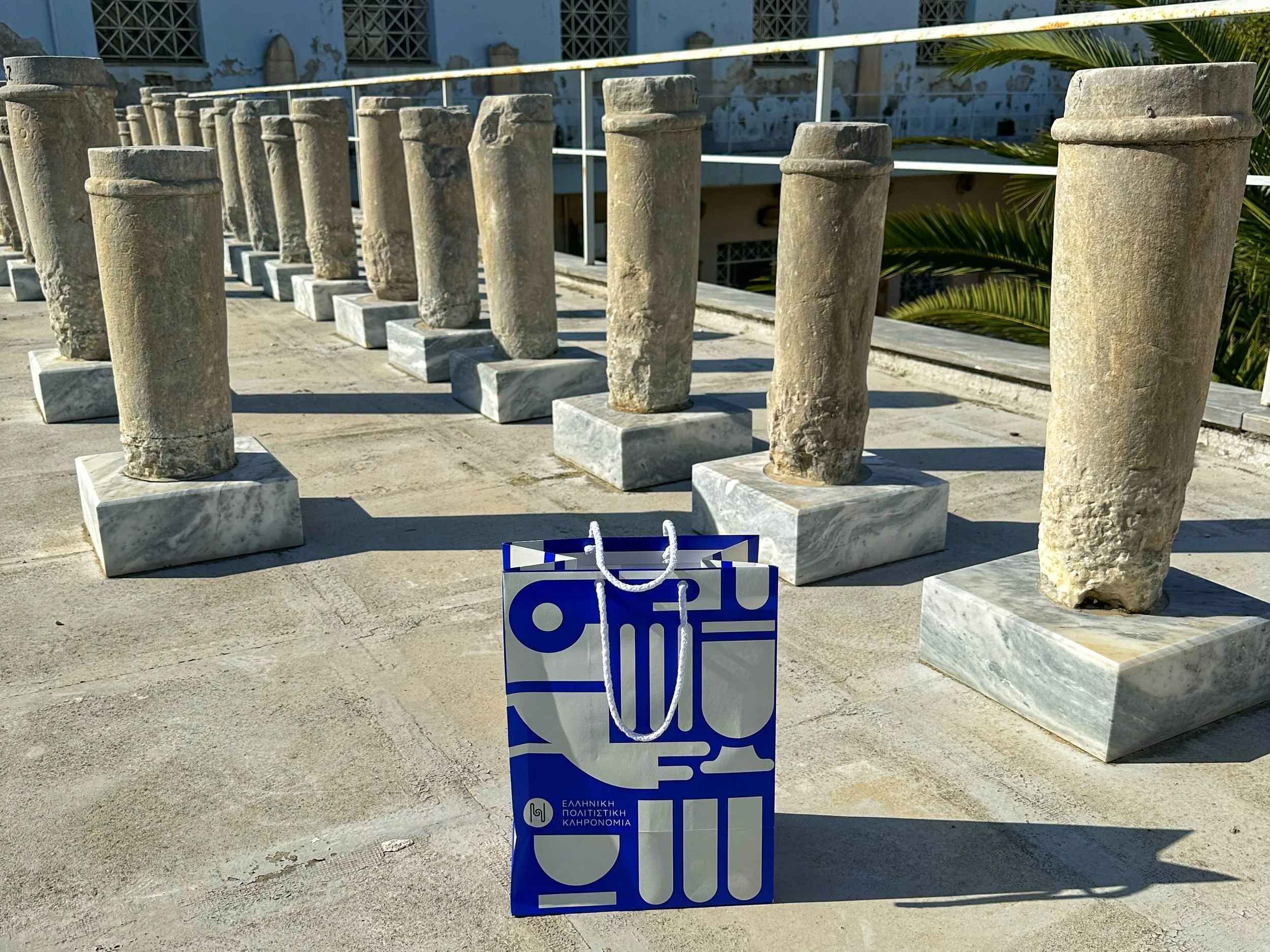
Afterward, another of the workers approached me and gave me a book from their stash. I mean, a gift; for free, offered with love and a smile. A moment later the worker gave me a gorgeous bag for my gift. And later again, the worker gave me a second book. A worker who spoke English then engaged me in conversation. She seemed a little puzzled that someone, anyone would keep coming back to the museum so many times in such a short period. “Are you some sort of professor?” she asked.

I babbled. You can’t ask the happiest boy in the world to explain his professional and creative identity.

“Είσαι τόσο μωρό,” she said.*

*”You’re such a baby.” She didn’t say that, of course. But she wouldn’t be wrong.

©2026, Pedro de Alcantara

The Art Show

At an art show you can “see the art” or “see the show.” Truth be told, there are hundreds of ways of looking at any situation, but for now we’ll embrace this either-or simplification.

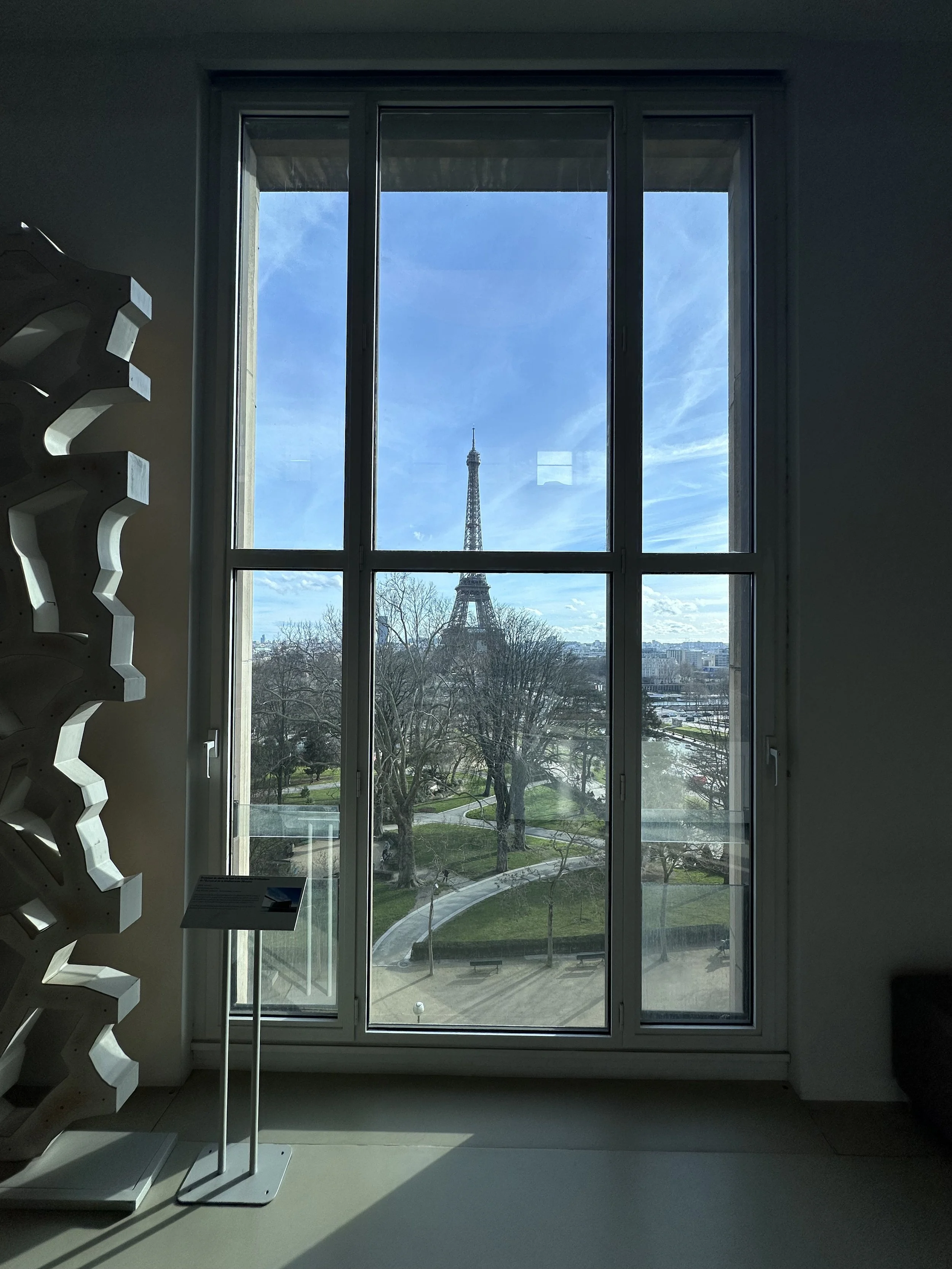
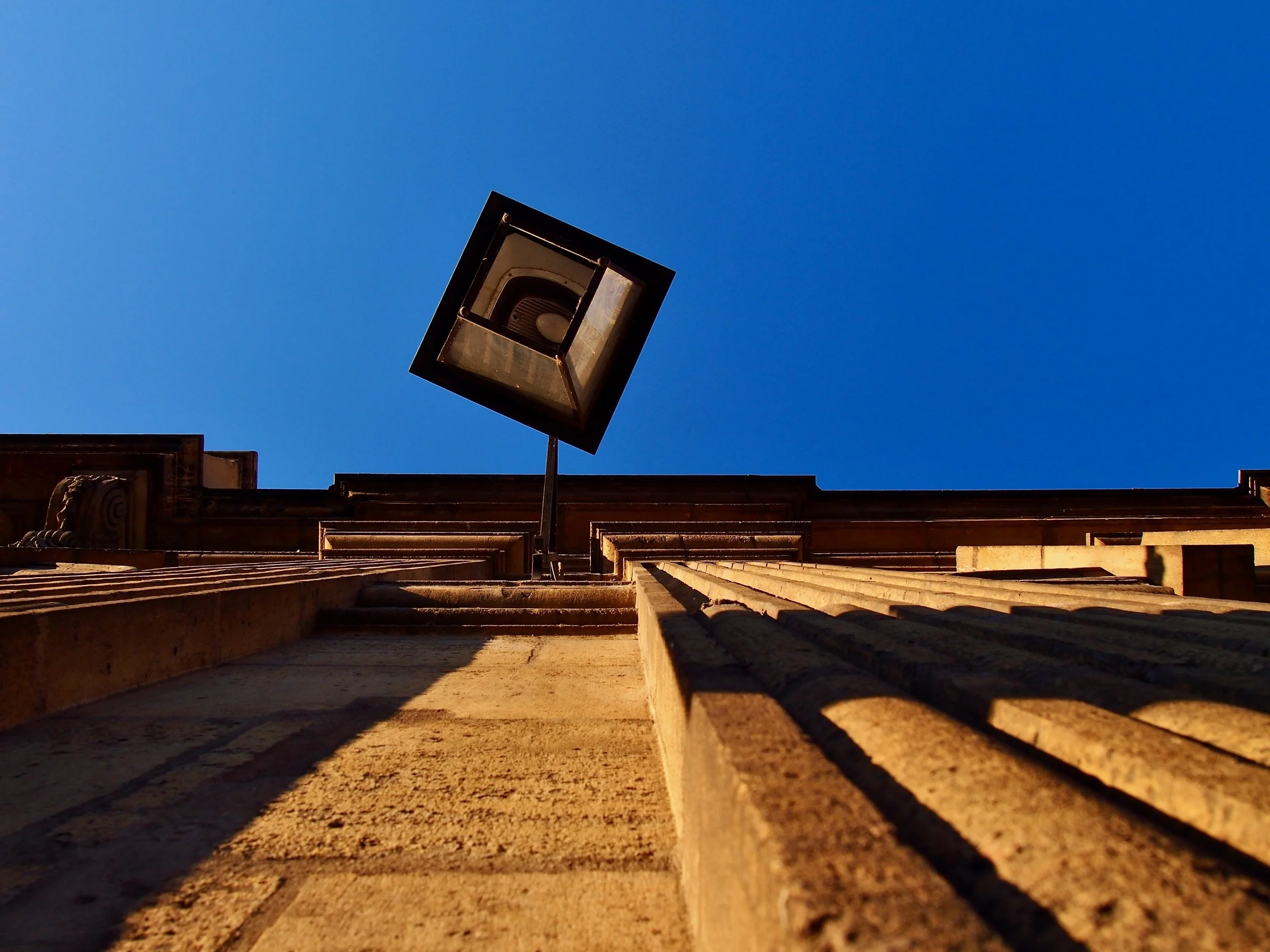
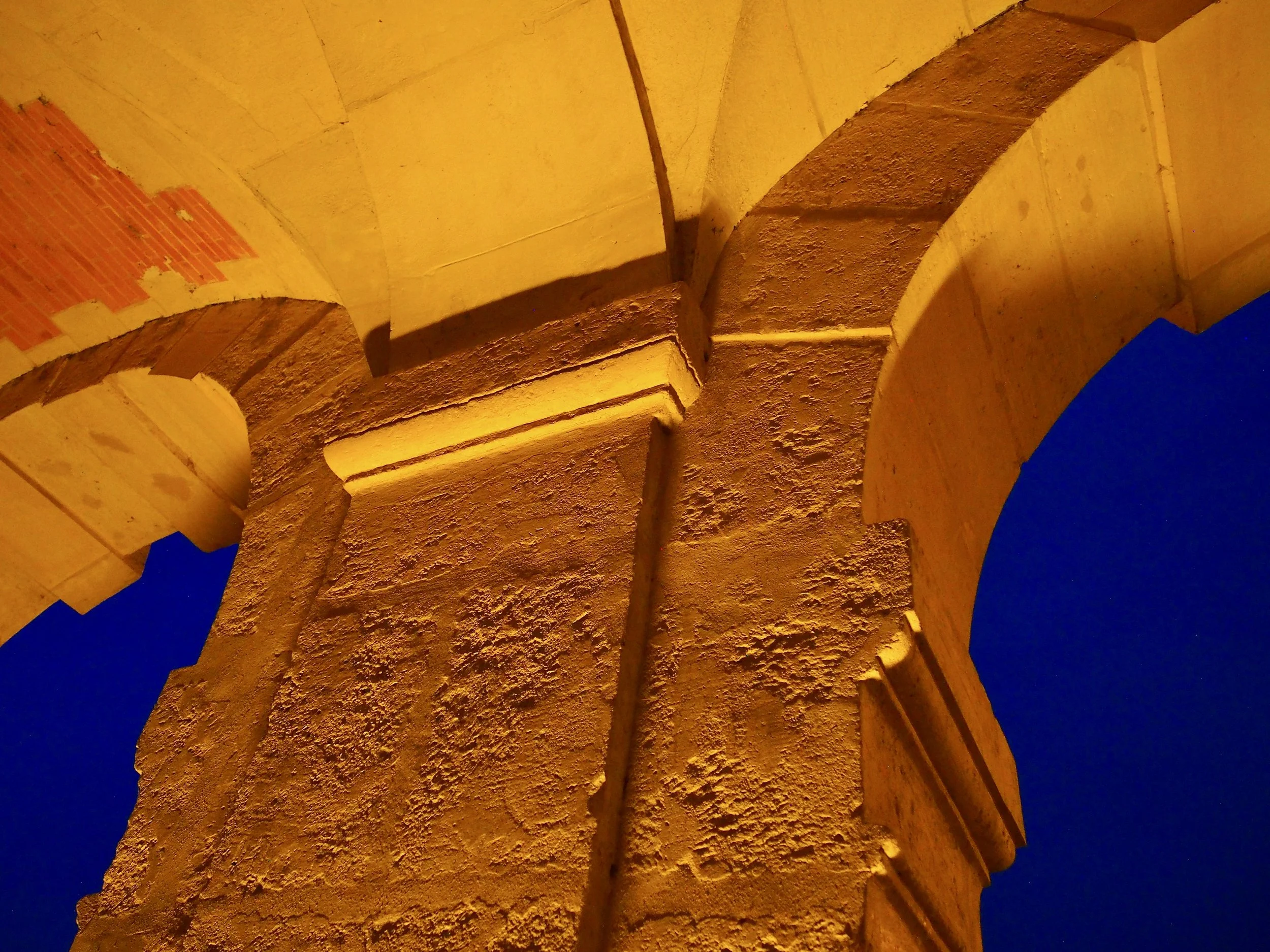
One of the great Paris museums, the Cité de l’architecture et du patrimoine, is housed in a huge 1930’s building perching on a hill overlooking the Eiffel Tower.

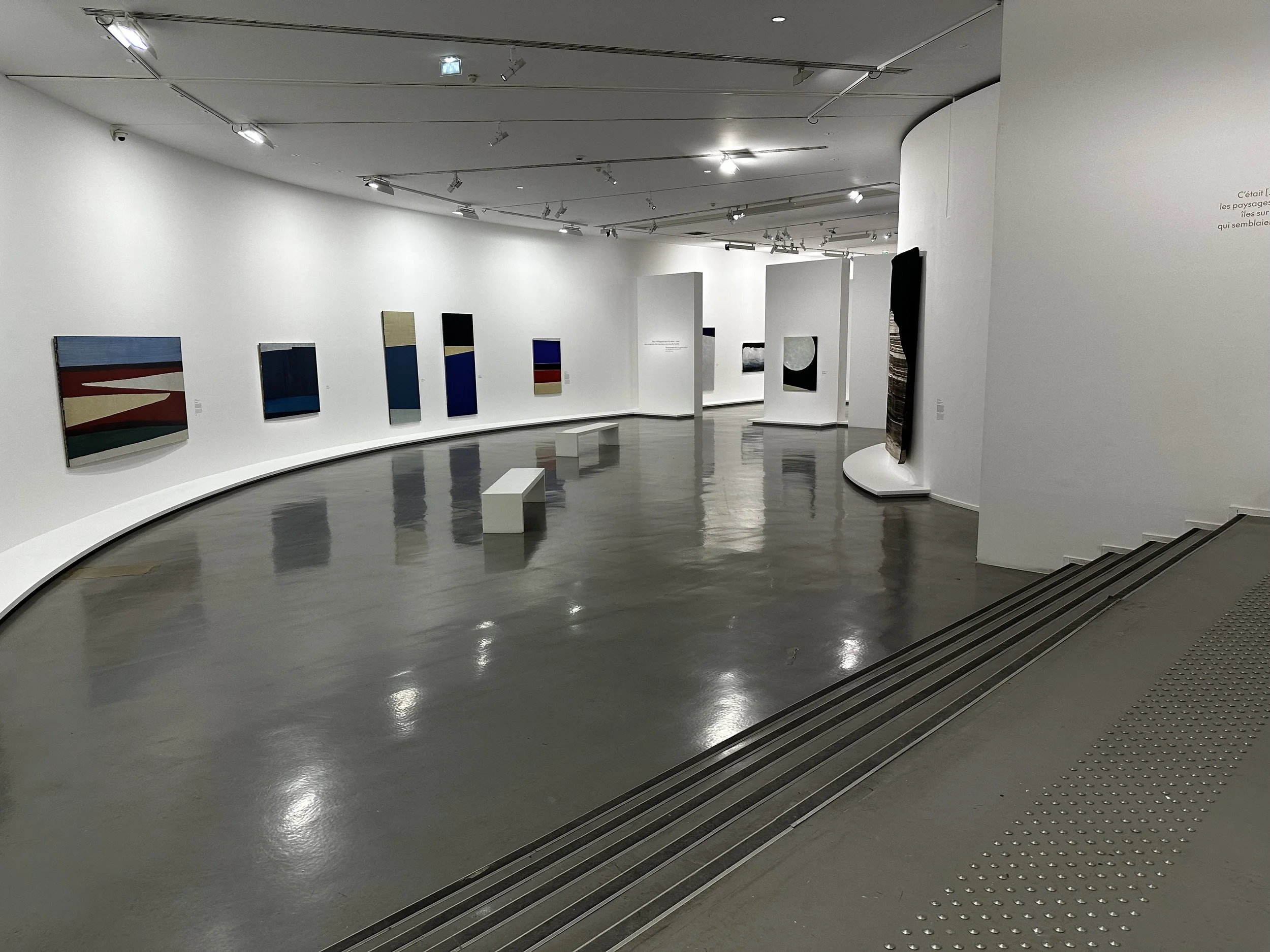
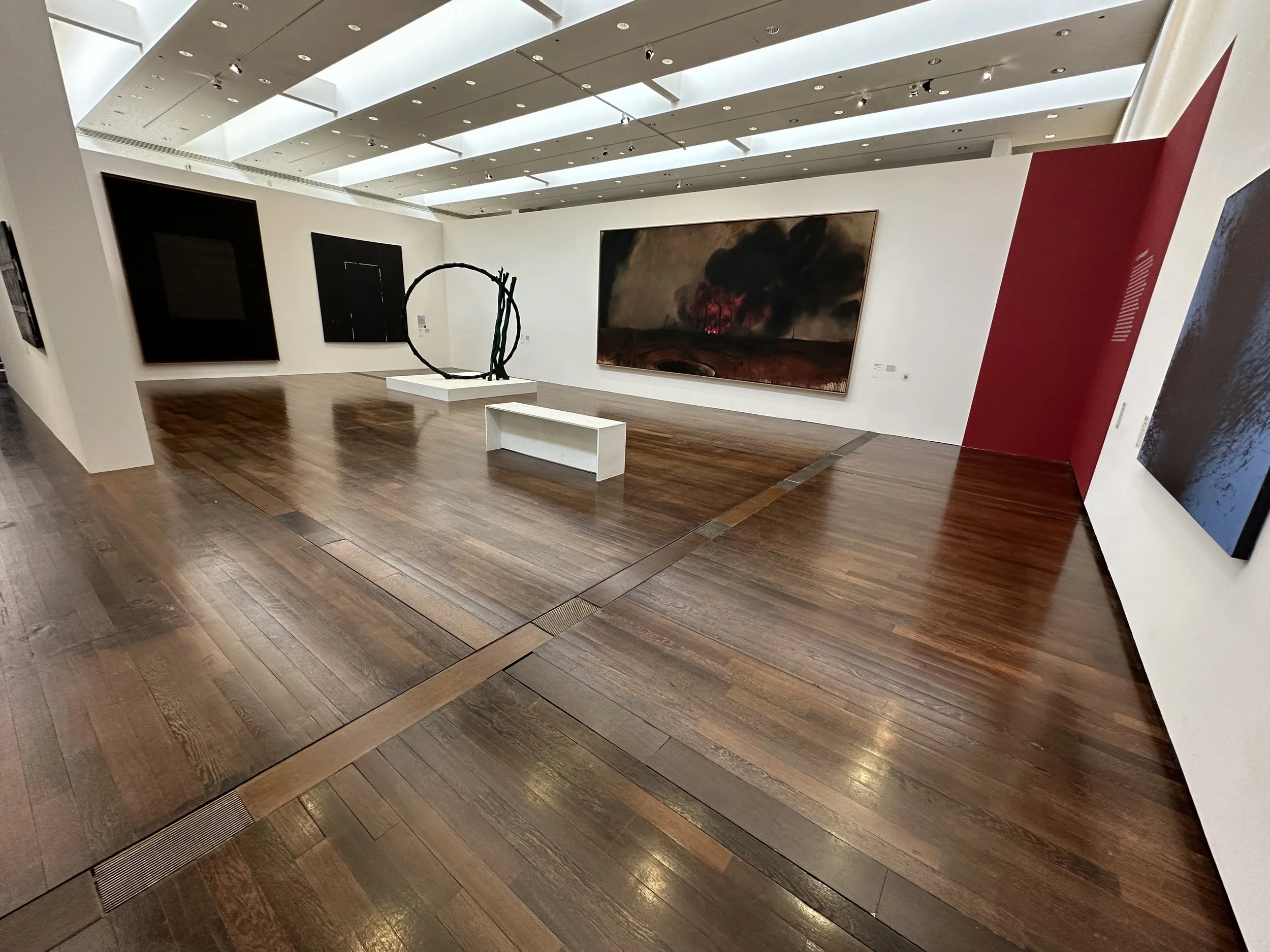
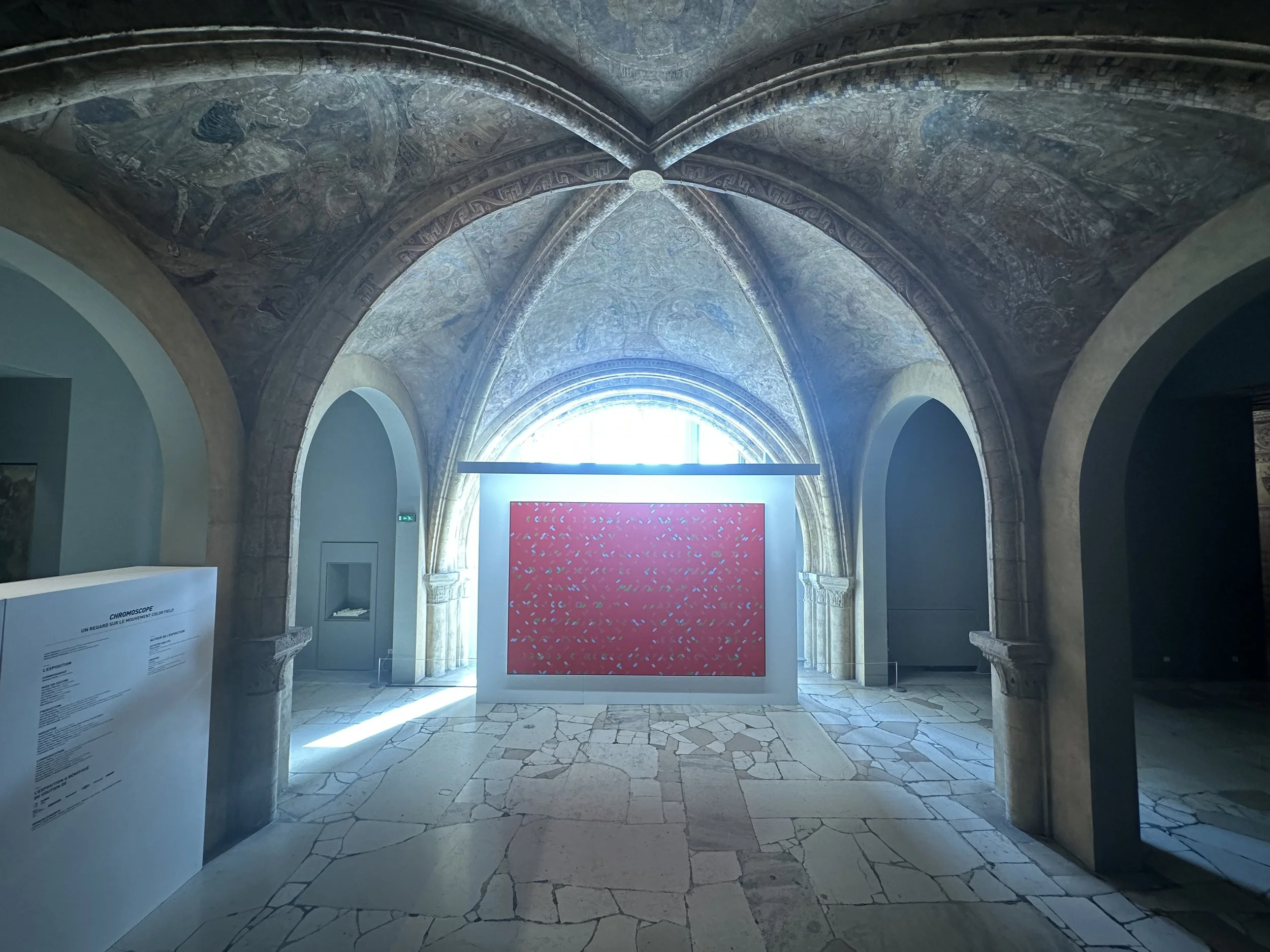
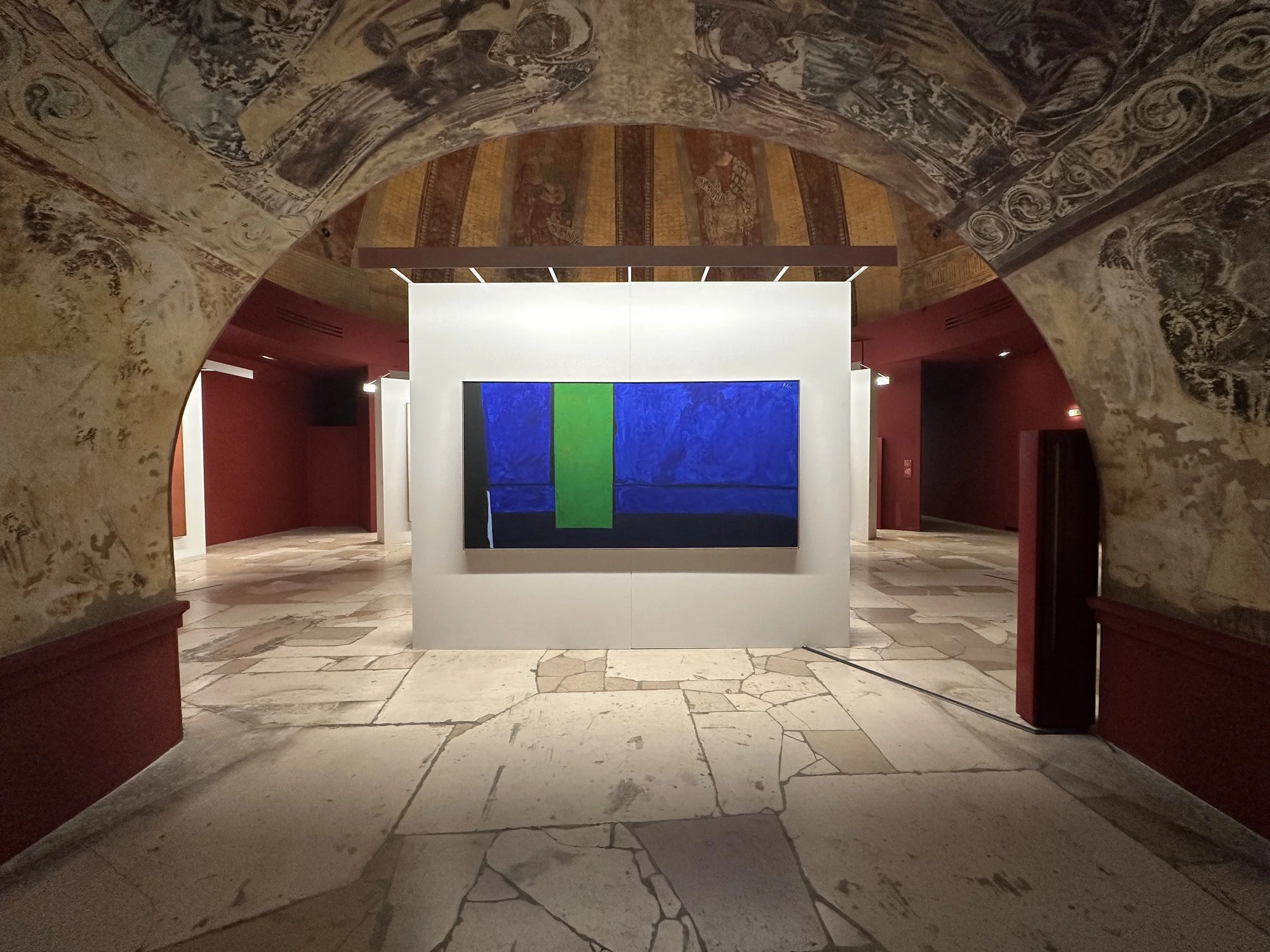
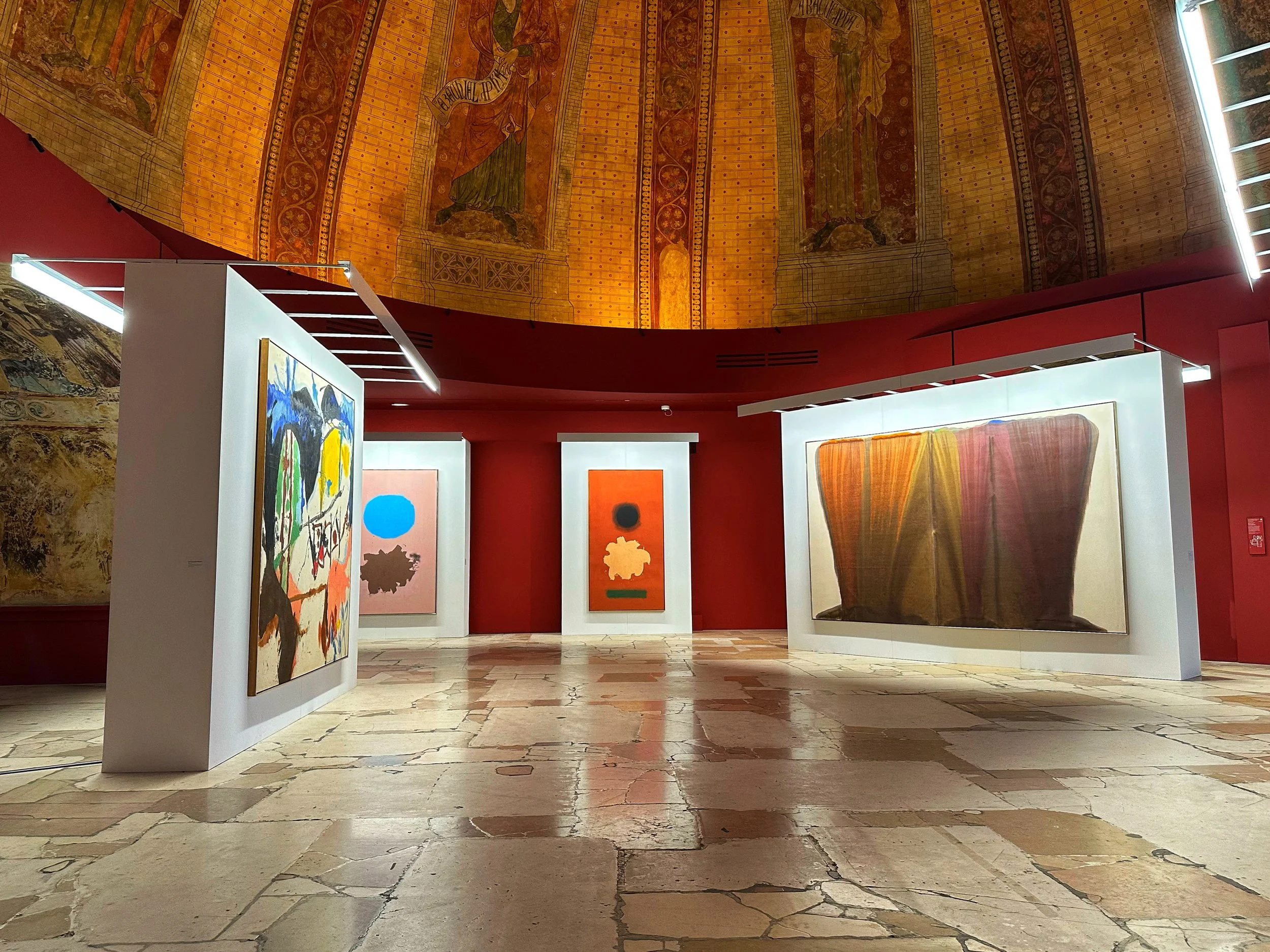
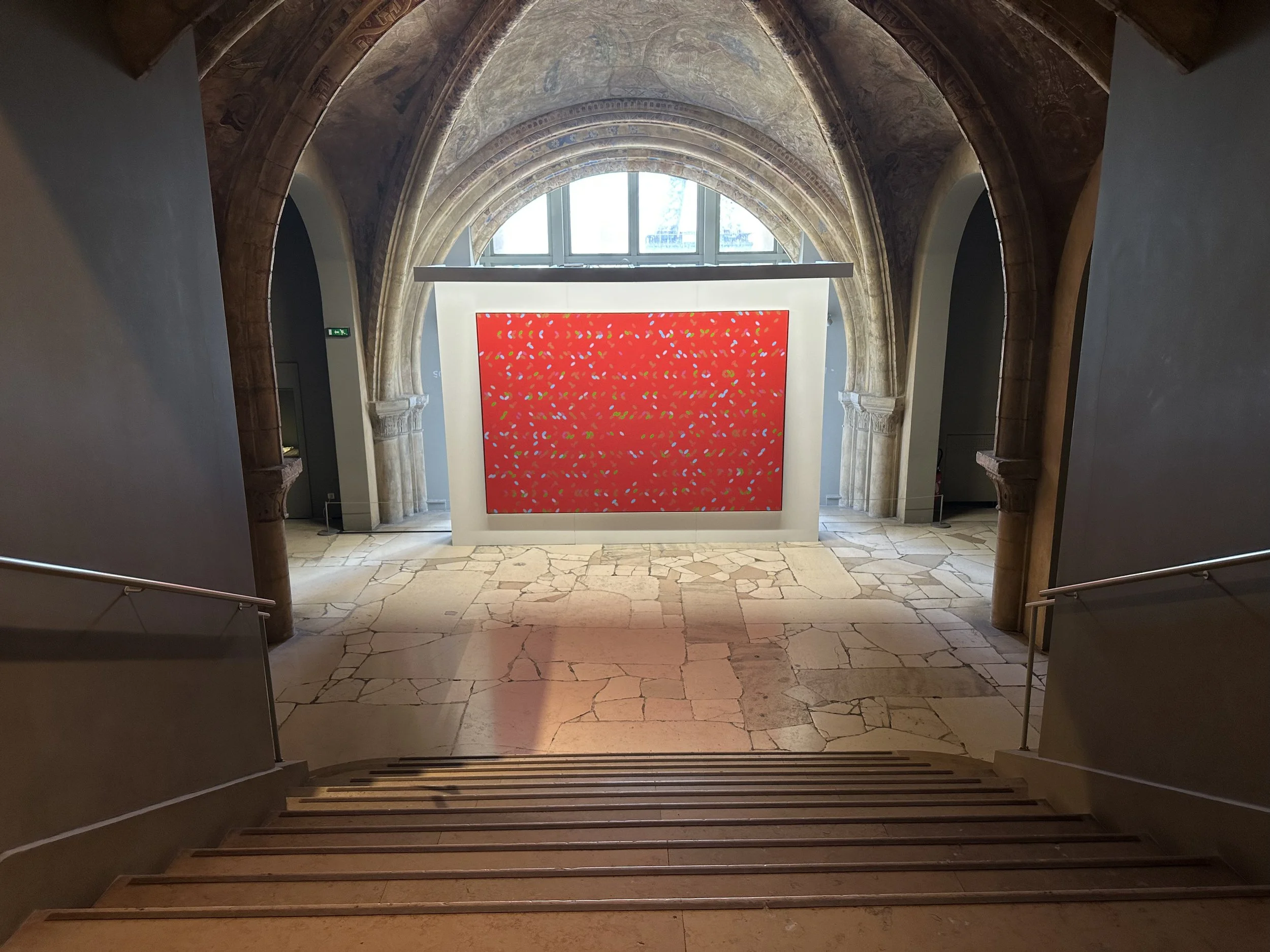
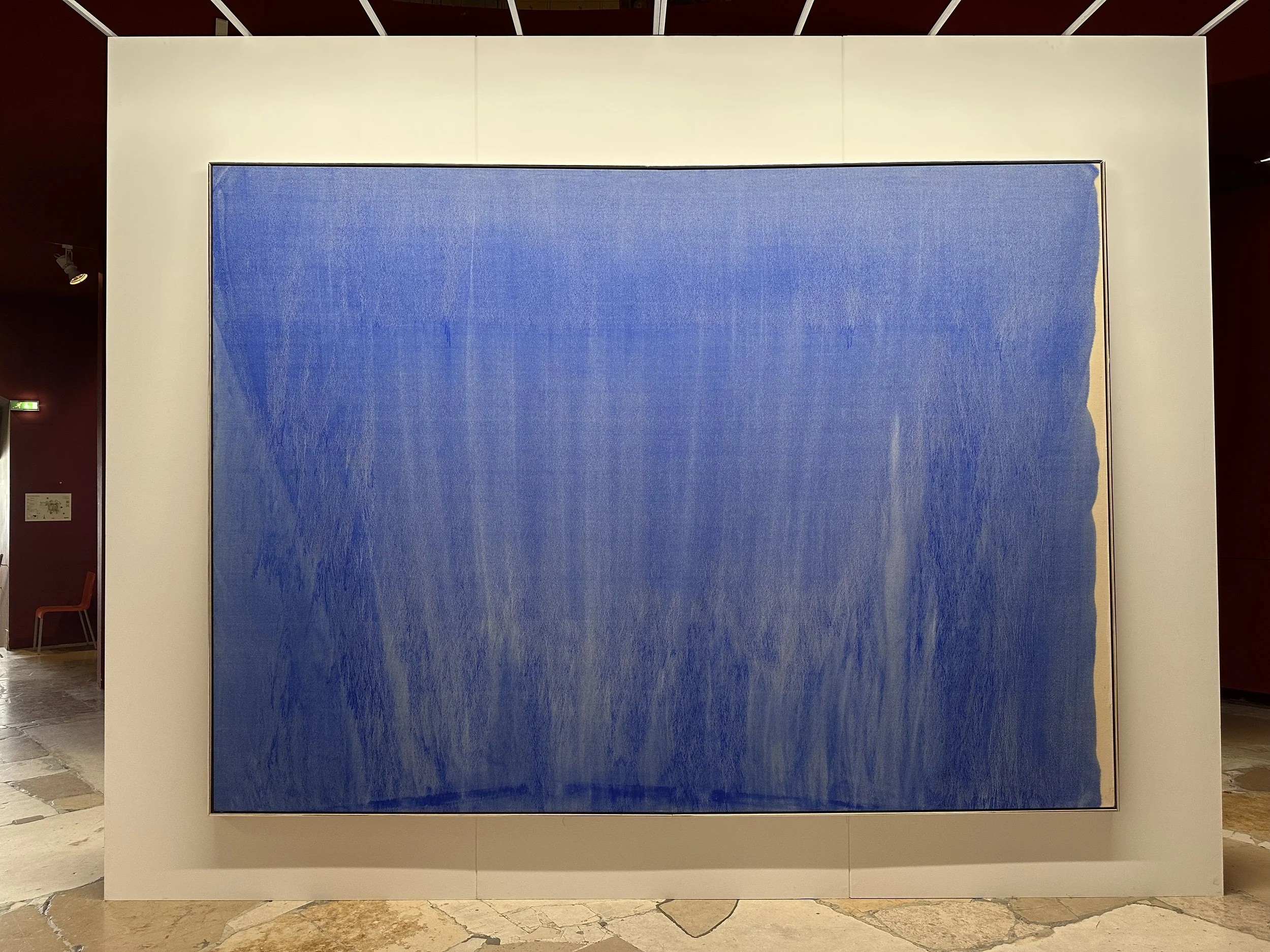
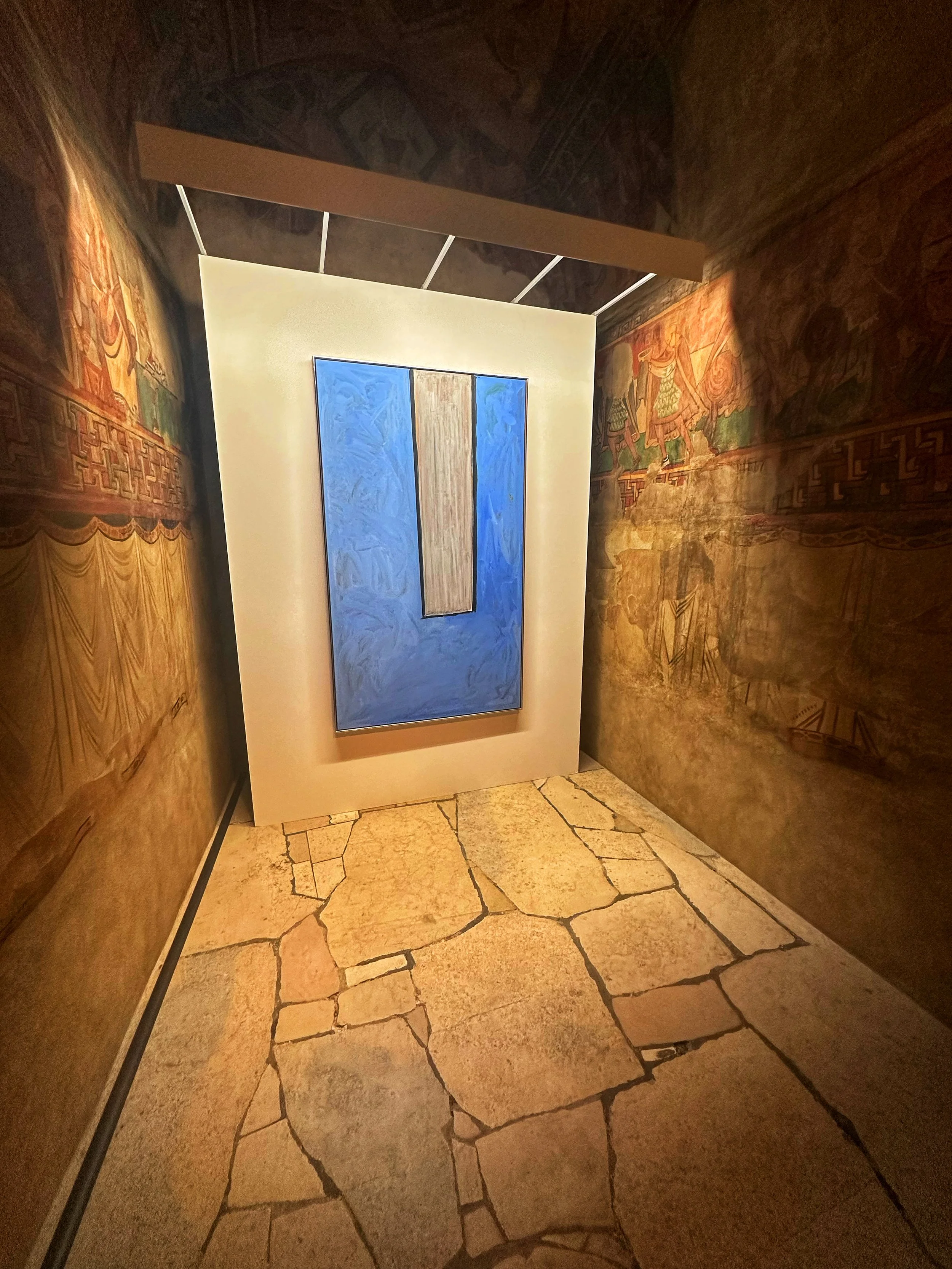
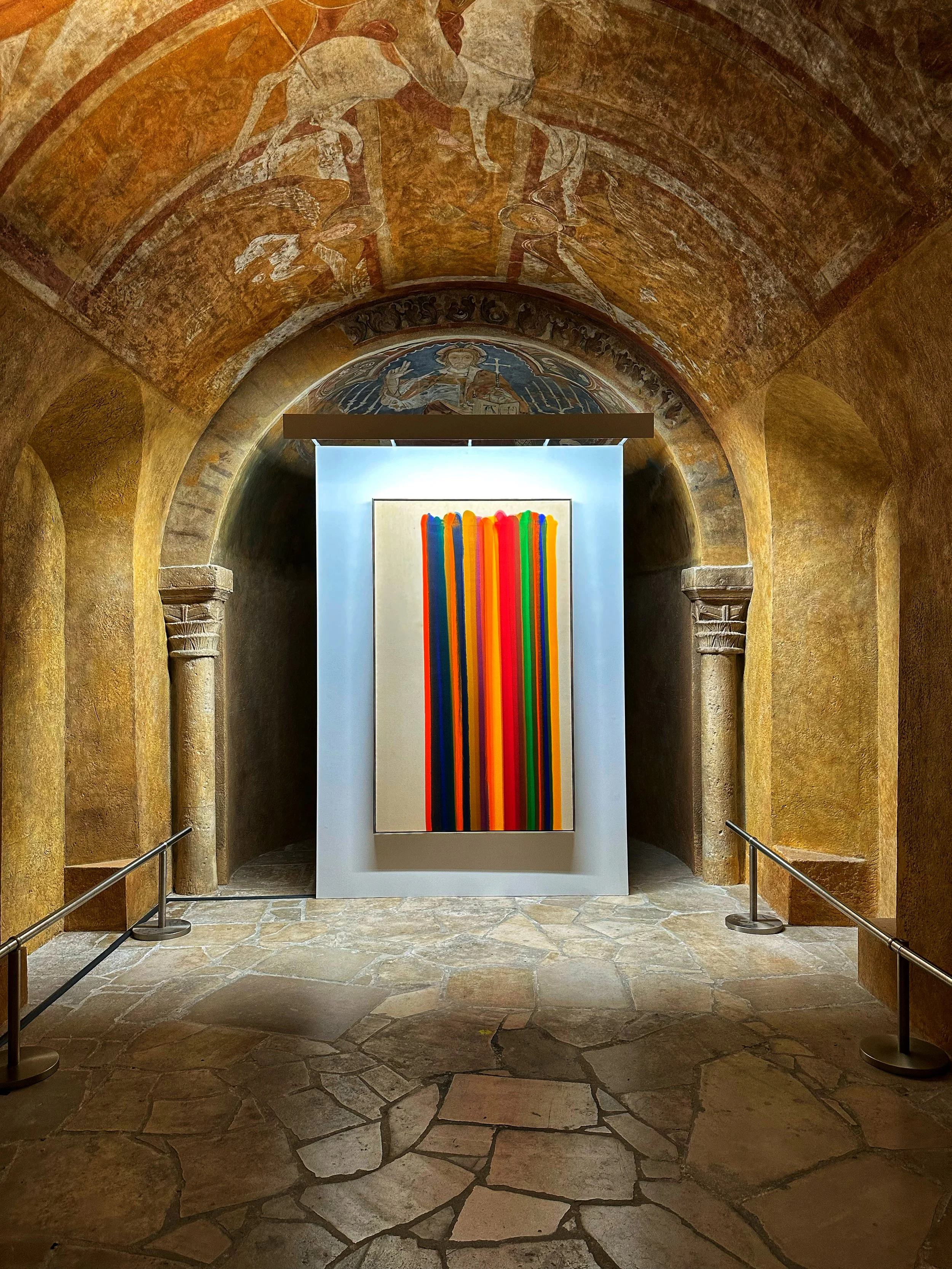
The museum contains reproductions of statues, porticoes, and other architectural features from historic monuments. On its top floor there’s a warren of windowless galleries with reproductions of frescoes. One of the galleries is under a high domed ceiling. Other galleries are reminiscent of monks’ cells, being “constrained and restrained.” Along these galleries, the museum put on a show of twenty-three Color Field paintings—large works in which the canvas is dominated by blocks or splashes of color. The artists included Robert Motherwell, Morris Louis, and Helen Frankenthaler, among others.

The paintings were wonderful, the setting was exquisite, and the dialogue between the artwork and the physical space was inspired and inspiring. I visited the show three times in a period of two weeks. During the visits I was often completely alone. I would stand in front of a painting for ten minutes without bothering anyone. Discovery, pleasure, astonishment; meditation, perception, insight. I was so happy I could have cried.

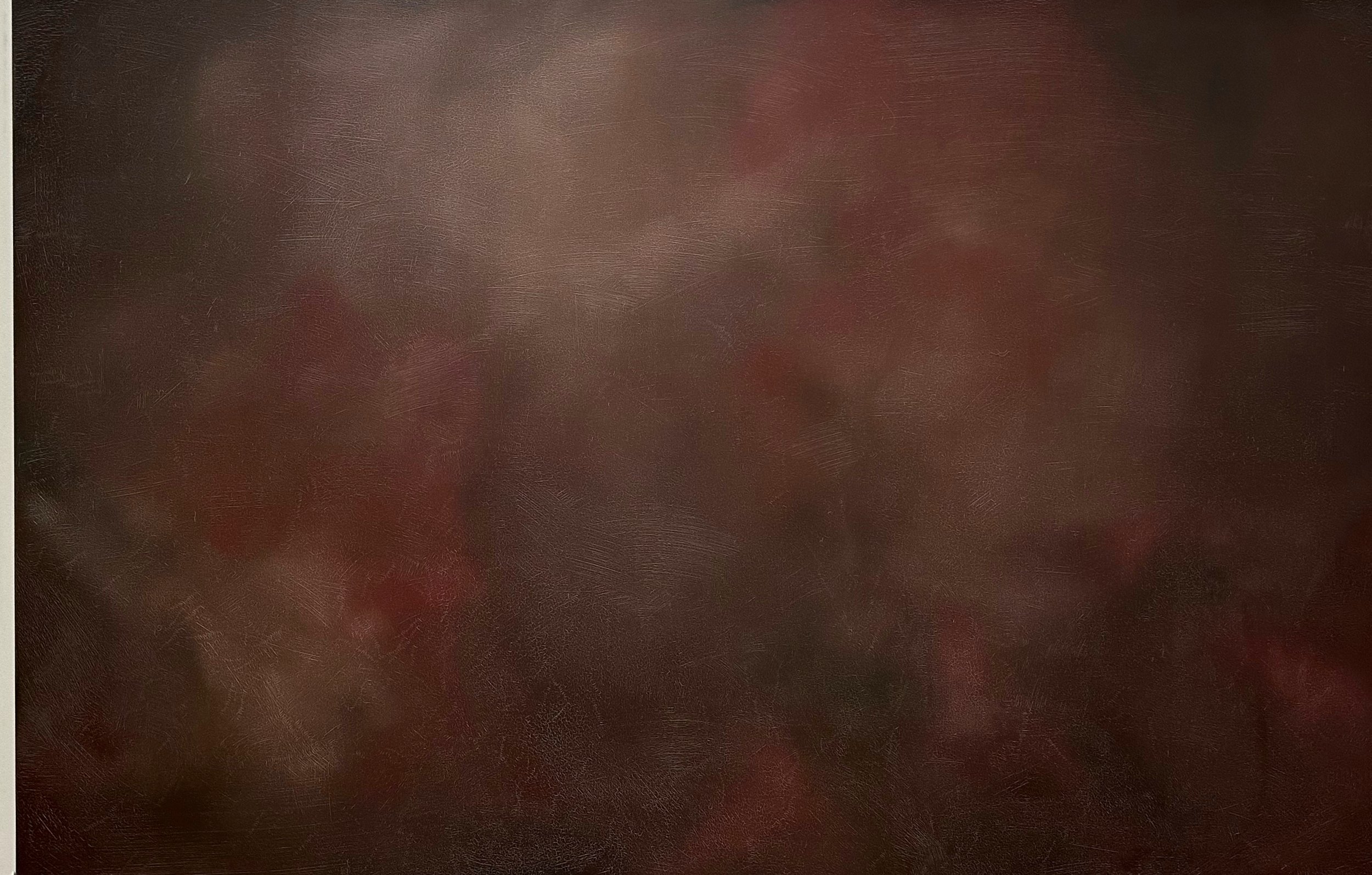
Another great Paris museum is the Fondation Louis Vuitton, housed in an ambitious labyrinth of a building by Frank Gehry that opened in 2005 in the Bois de Boulogne. It tends to put on gigantic retrospectives of a single artist such as Mark Rothko, Cindy Sherman, and David Hockney. The shows are often too big, overwhelming, exhausting. And usually they’re quite crowded. The most recent show featured Gerhard Richter, a prolific, accomplished, and very famous German artist. I was familiar with his work and thought that I liked it very much, but the retrospective led me to change my mind. A French thinker once stated that "facility is nature’s most beautiful gift, provided that one never uses it." It feels to me that Richter uses and overuses his tremendous facility, to the detriment of meaning. Don’t get me wrong; Richter is a great artist and I did really love a handful of his paintings.

Gerhard Richter.

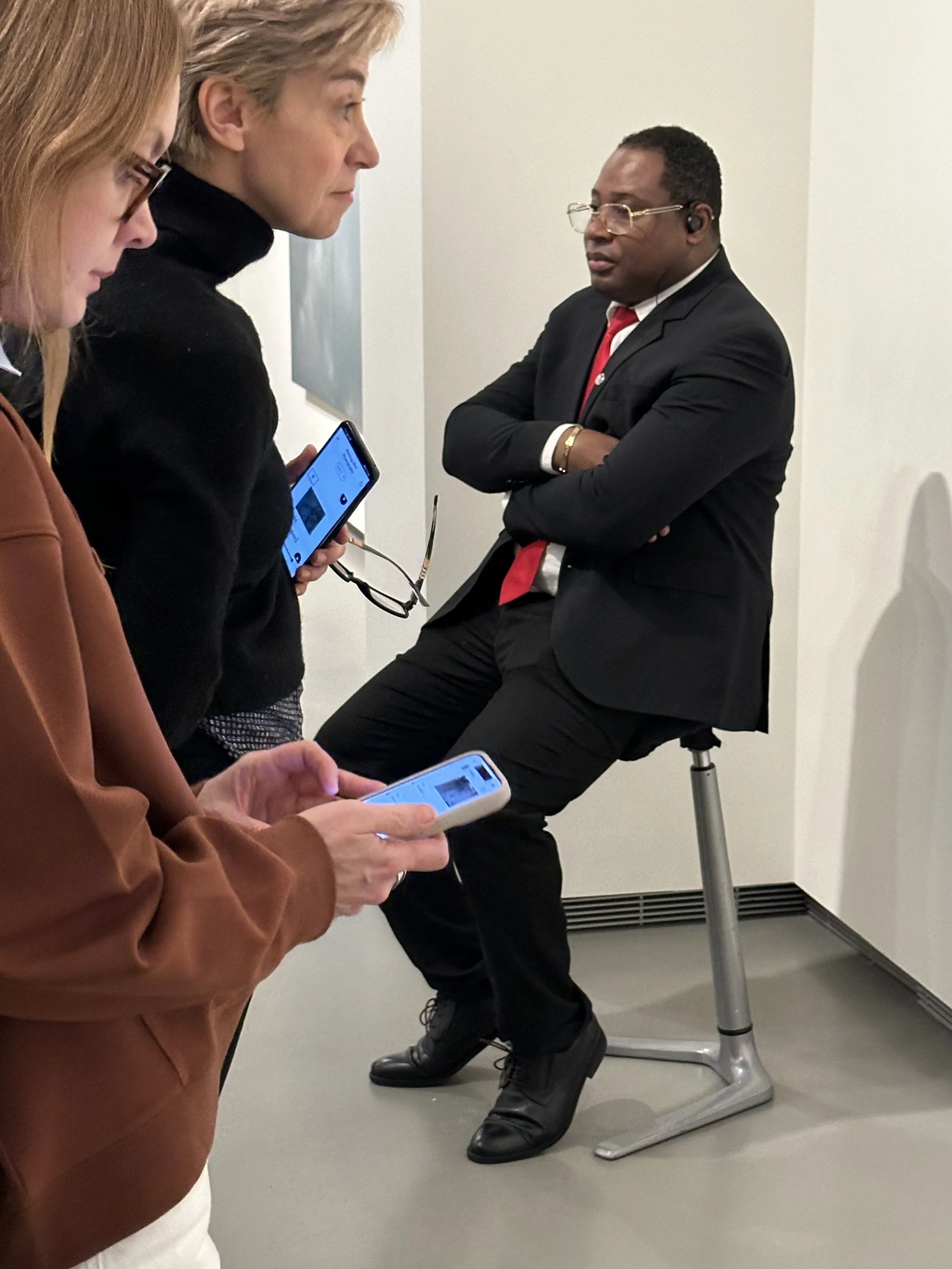
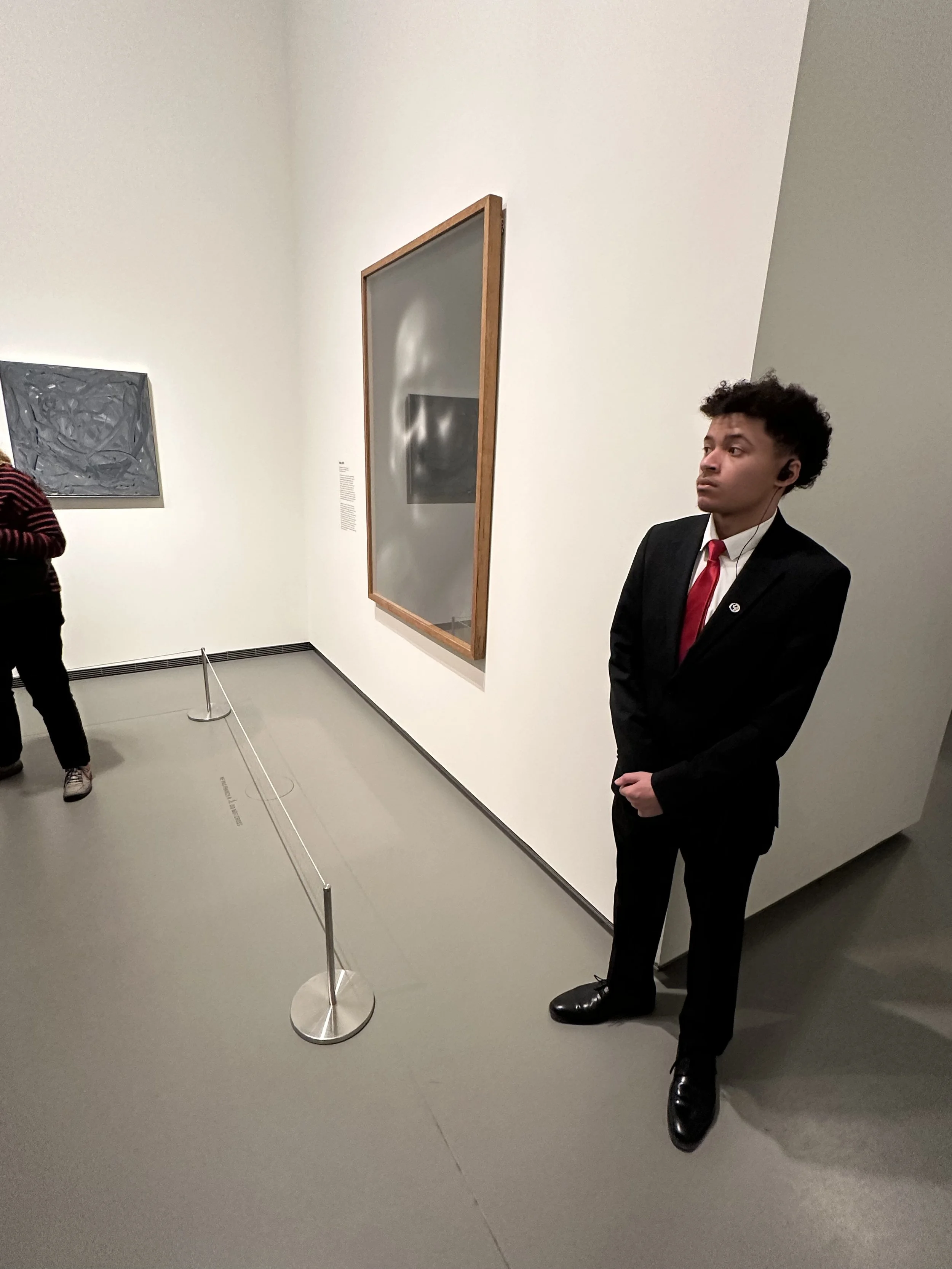
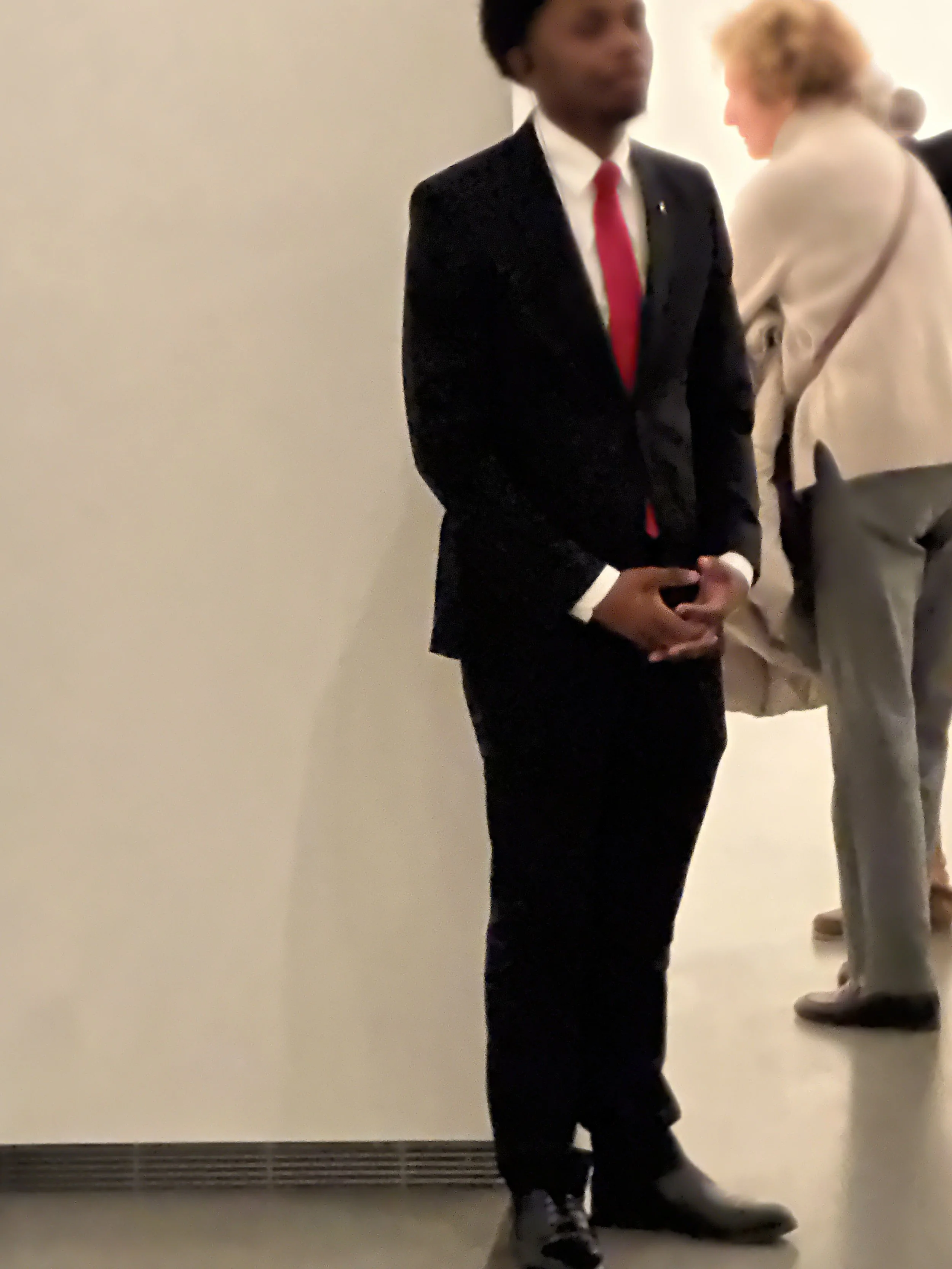
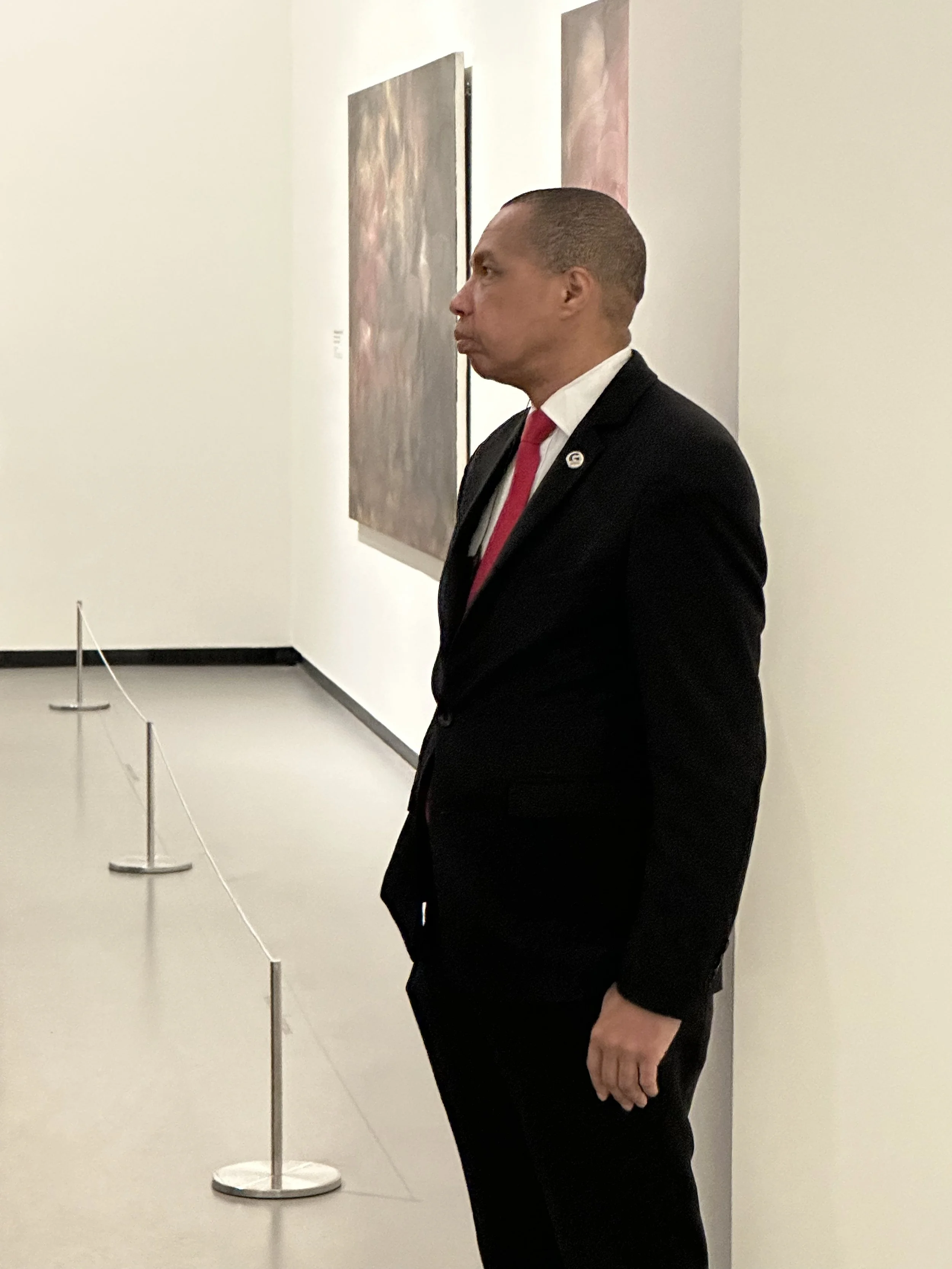
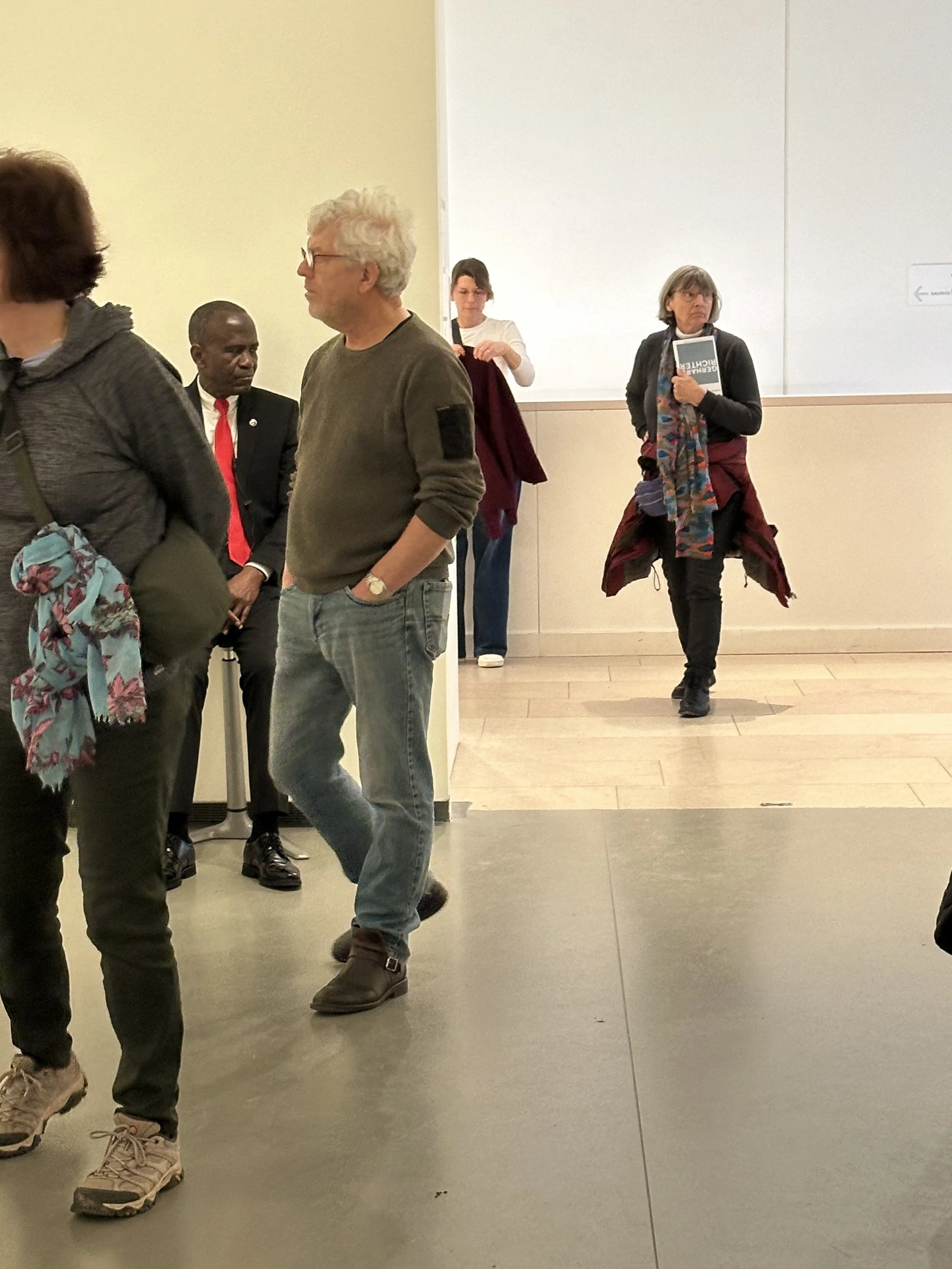
I visited the show twice. On my second visit I wasn’t willing to look too closely at the art, and I decided to turn my attention away from the art and toward the flow of museum goers, the endlessly varied faces and postures of the Parisians and tourists and little kids crowding every nook and cranny of the labyrinthine museum.

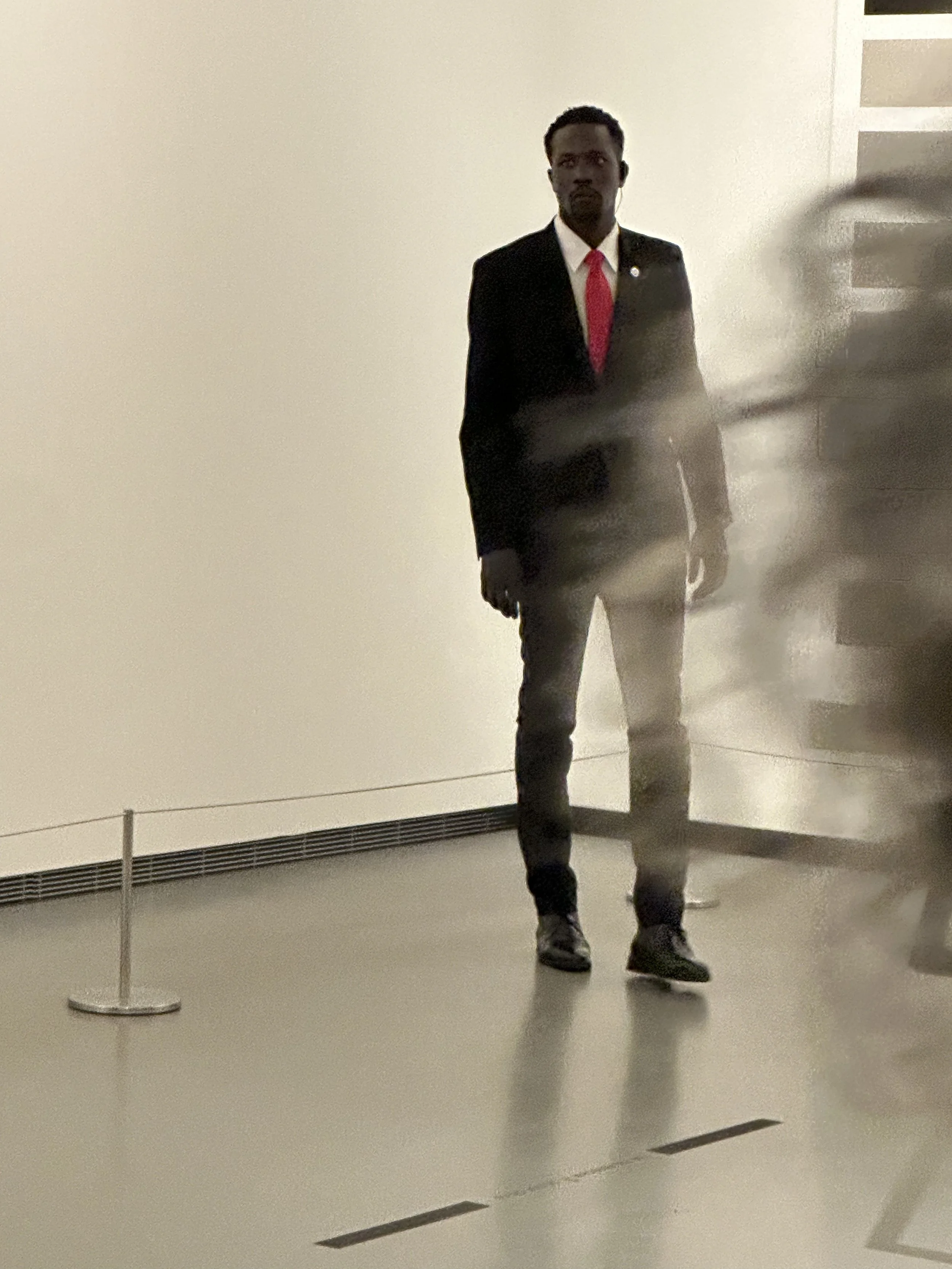
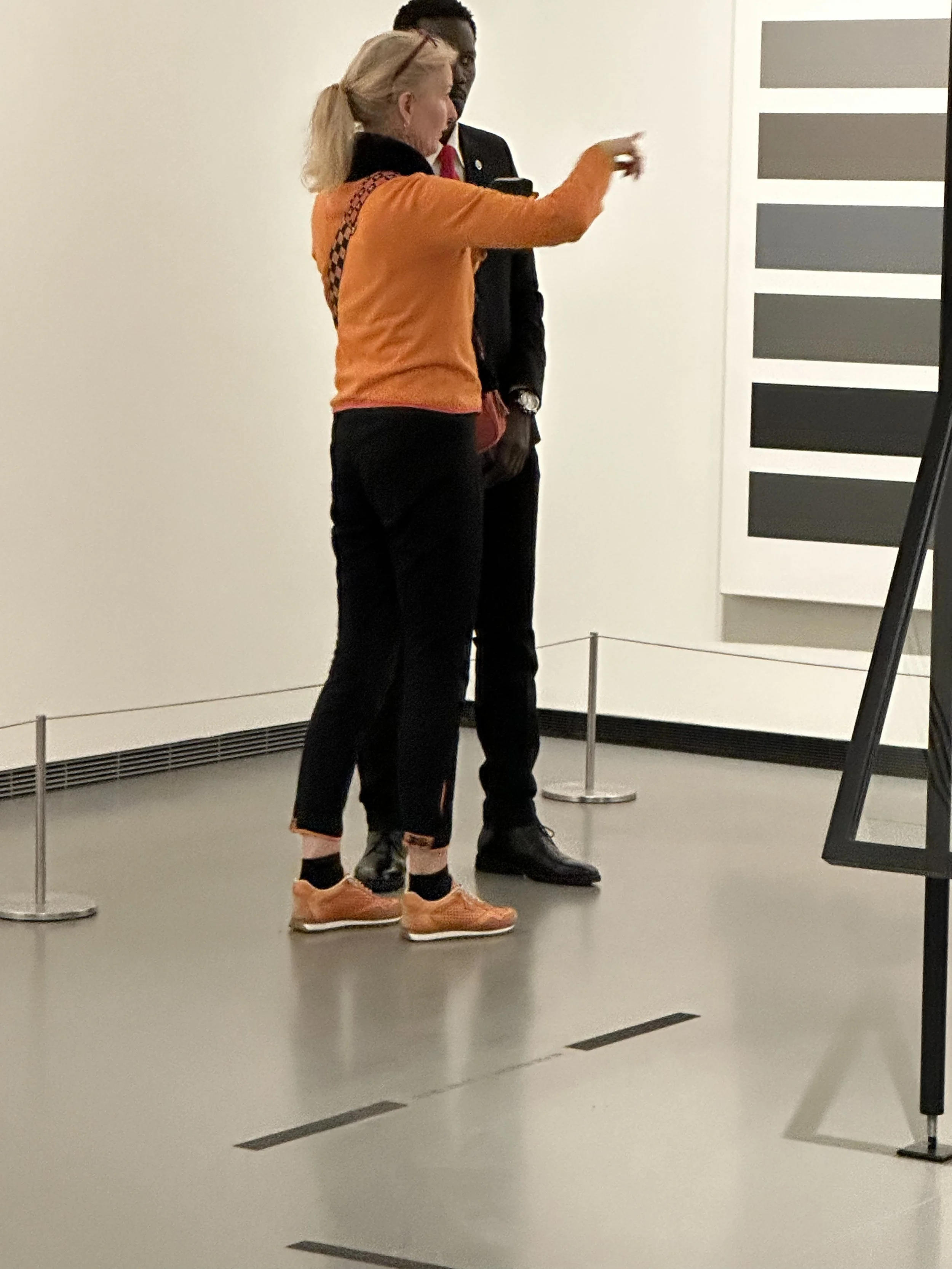
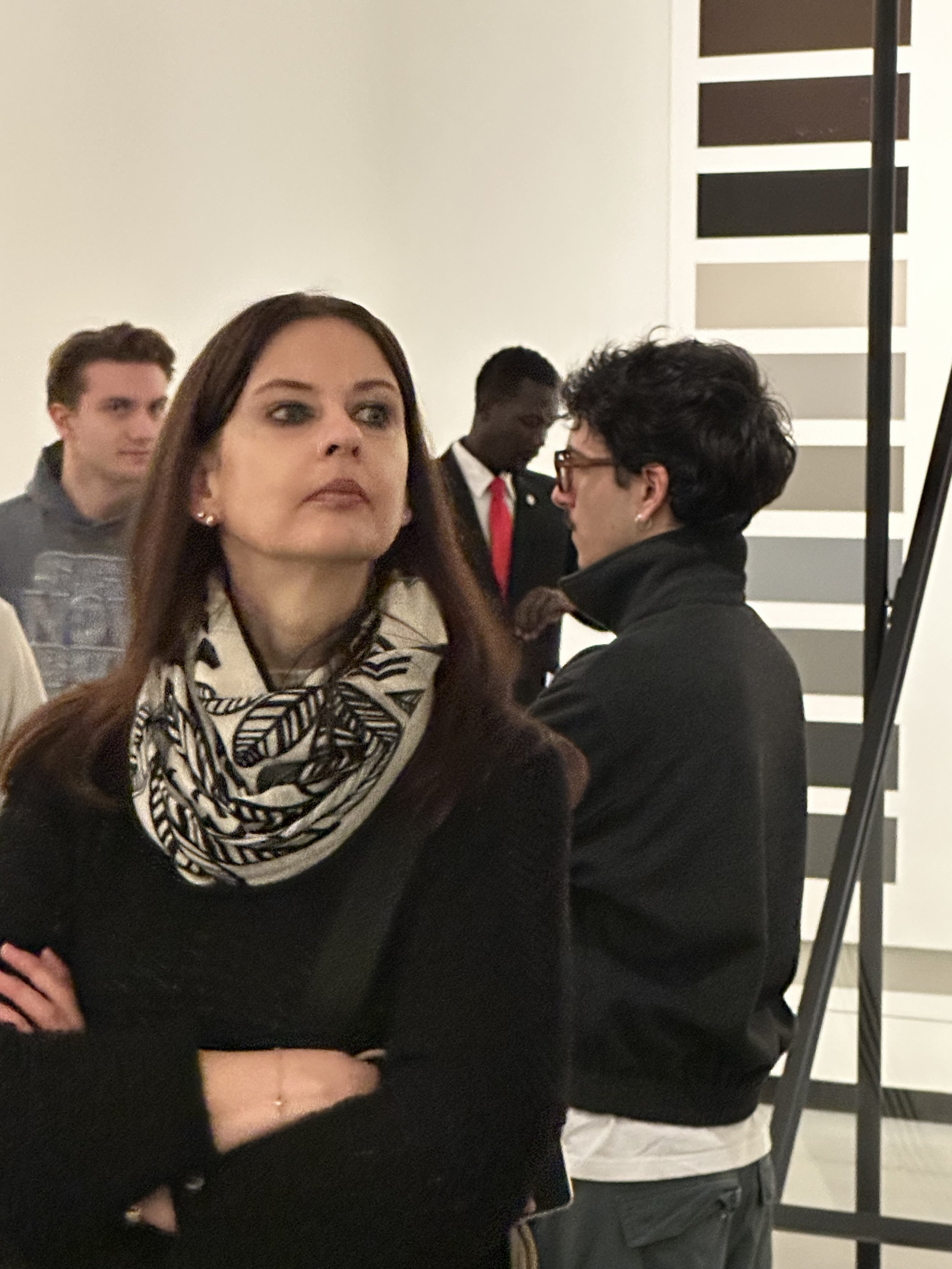
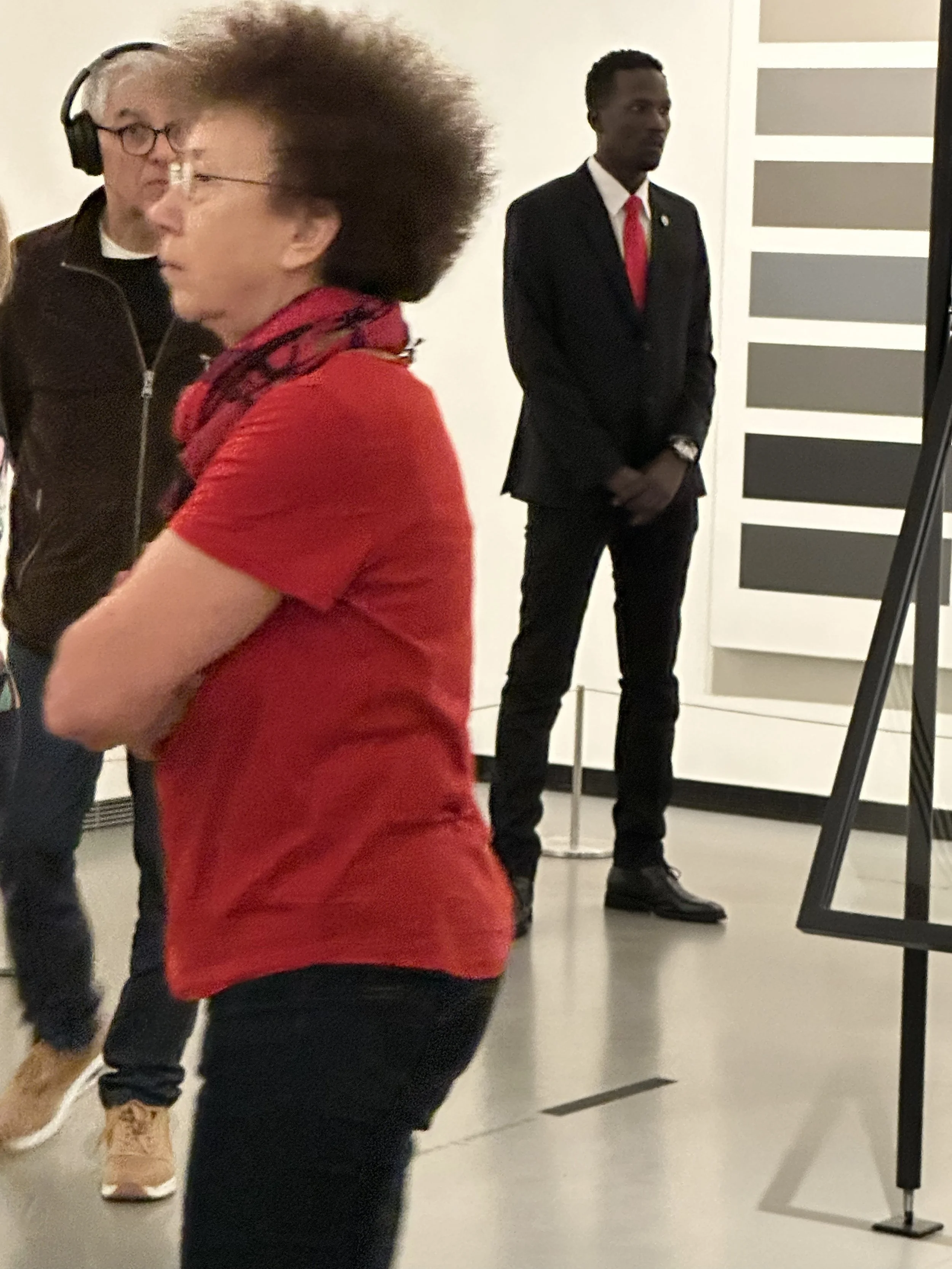
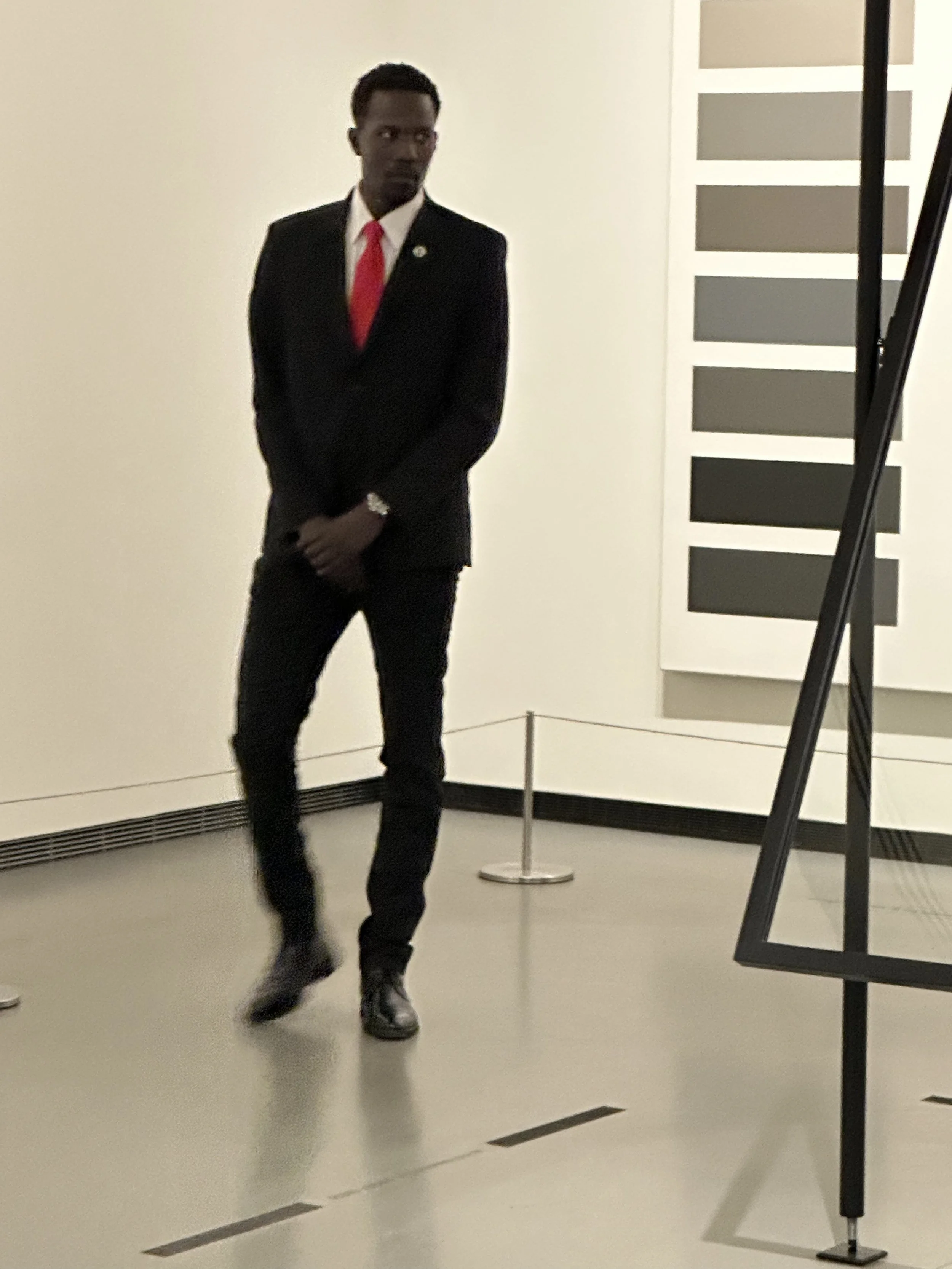
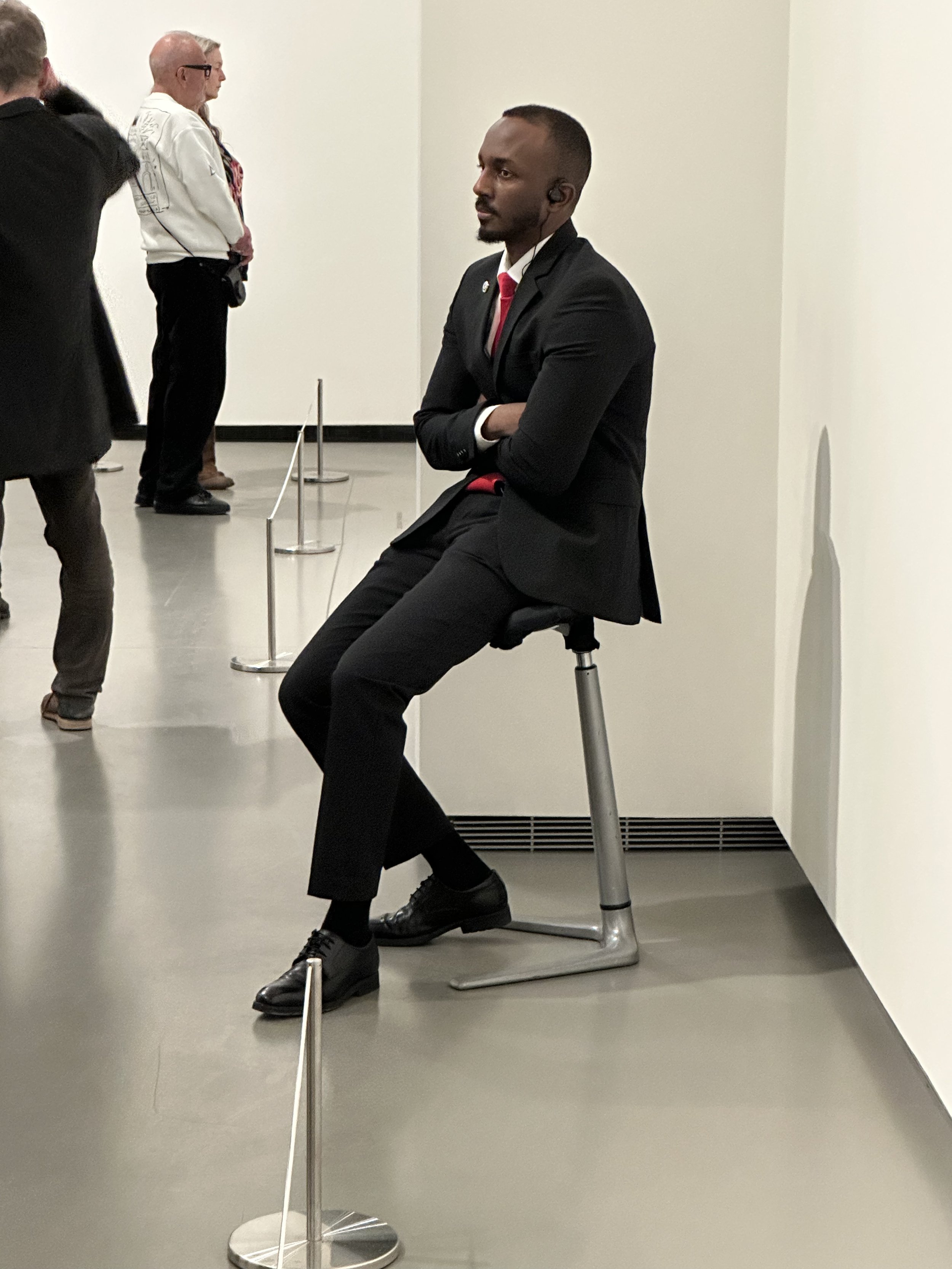
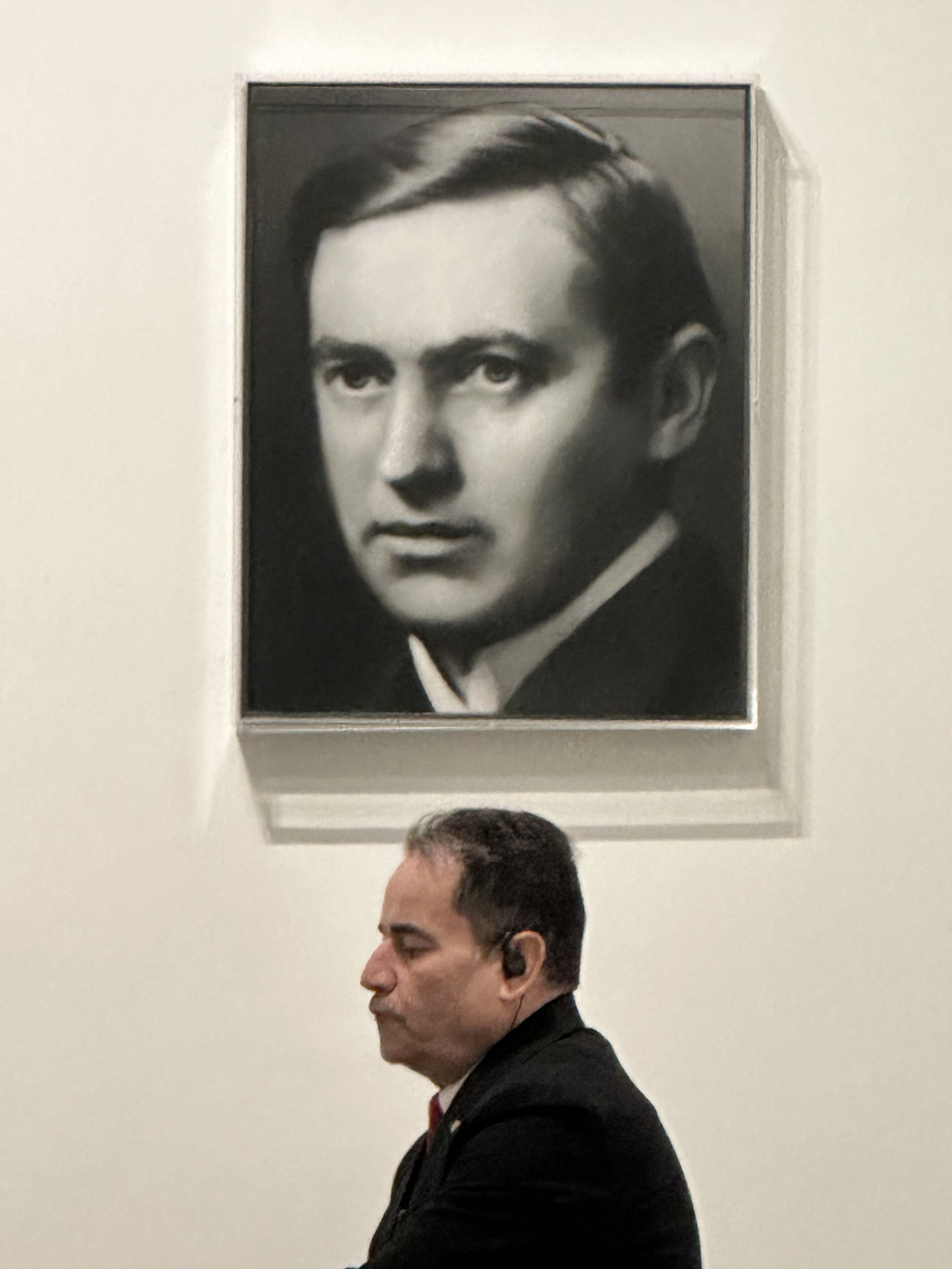
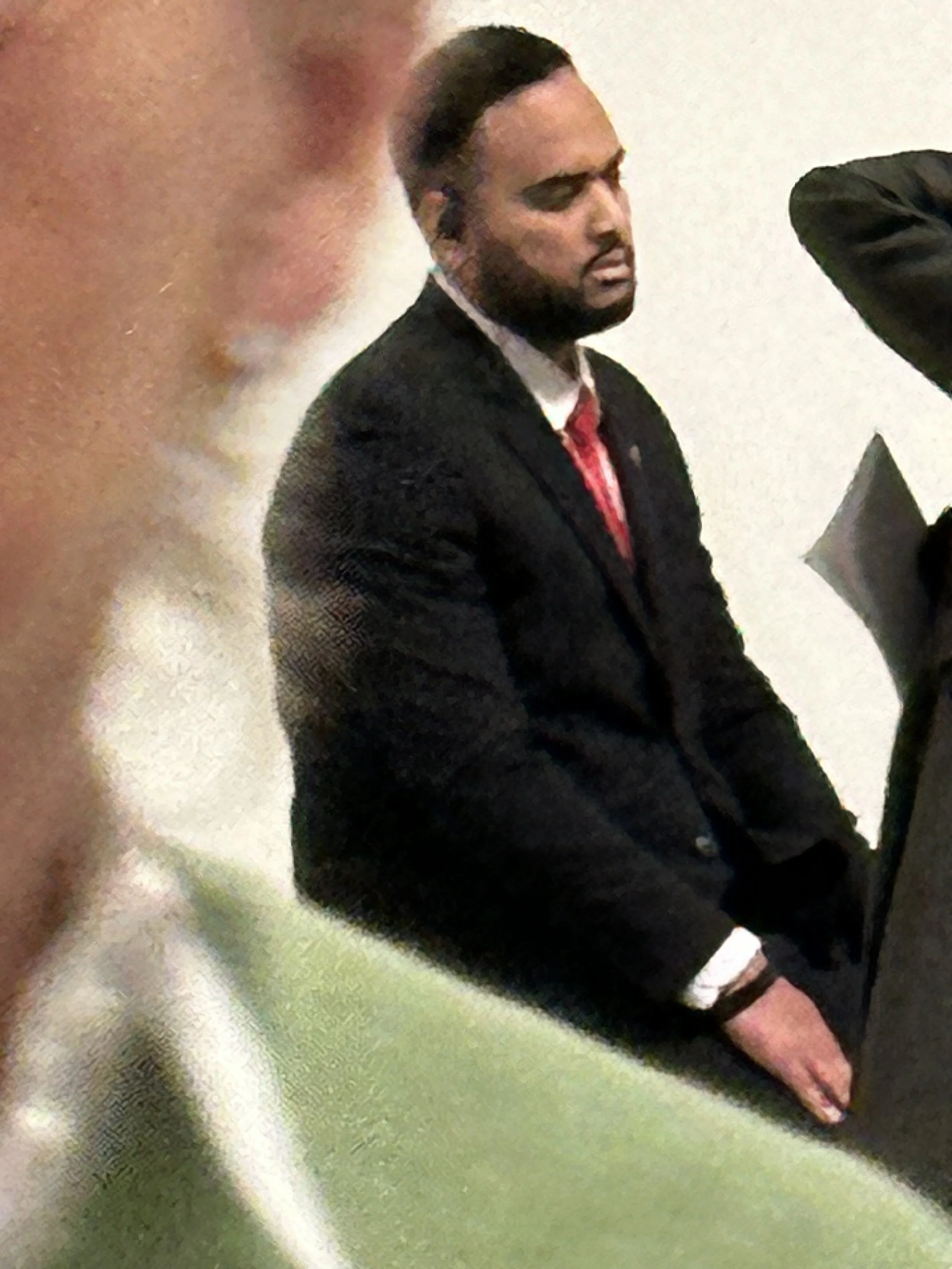
I focused on the museum guards, who have long fascinated me. Museum guard is a demanding job, not only because you’re responsible for the safety of the art and of the museum goers but also because you risk being bored out of your skull. Six or more hours of standing here and there, in airless or windowless environments, day after day, year after year?

I sometimes talk to museum guards and hear their interesting stories, but on this visit I decided to keep a sort of distance from them and surreptitiously take their portraits. It’s as if I was curating an art show of my own, perhaps titled RICHTER | GUARDS.

Richter famously transformed photos into paintings, and famously painted themed series of realistic portraits. Call me a fool, but I think my little photo essay here is vaguely and definitely Richterian. I’m glad I went to see the show.

©2026, Pedro de Alcantara