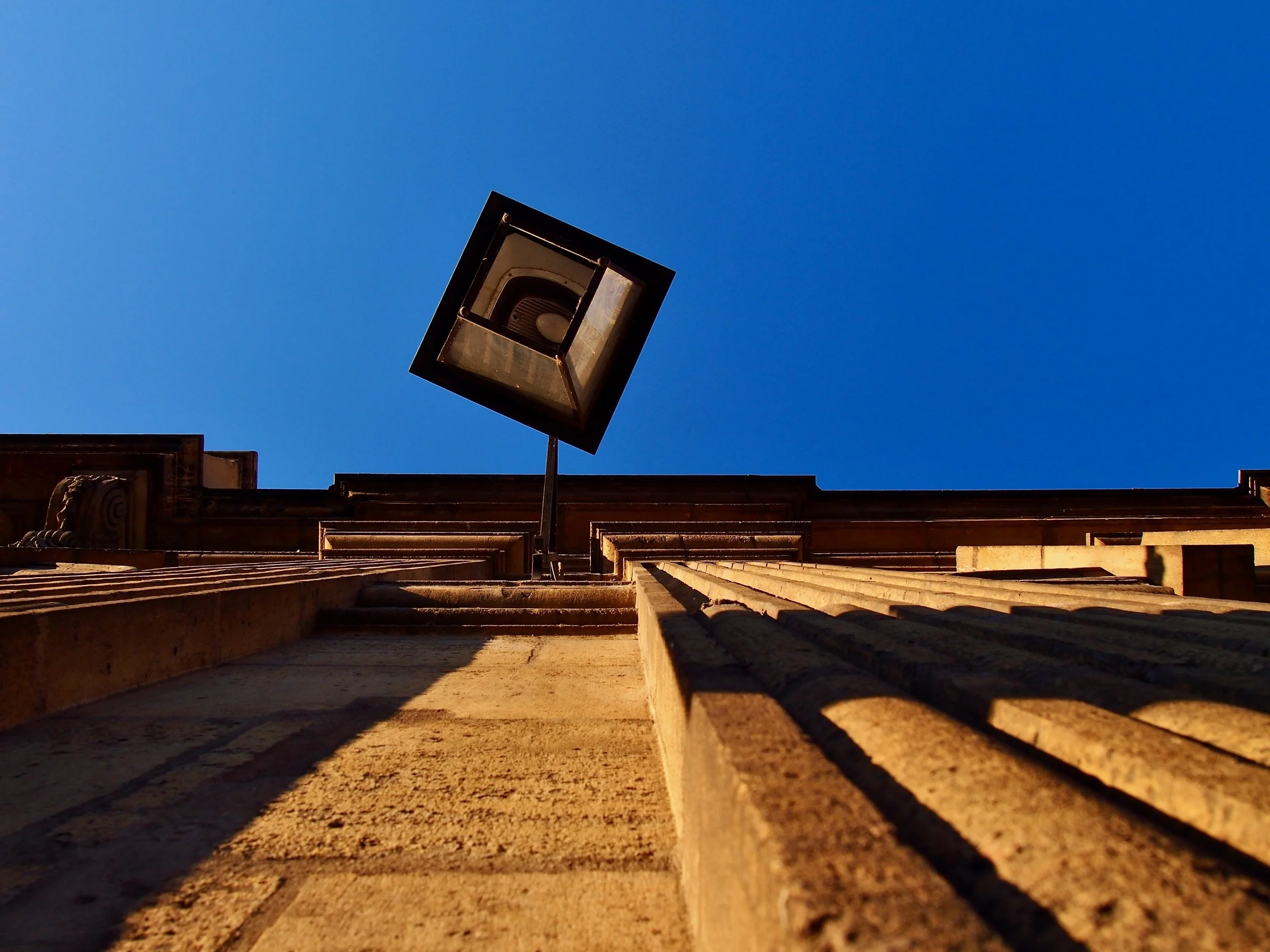
What do you want to be when you grow up?
Back in the days, in my quasi-native Brazil, I had my ideas. I was maybe ten years old when I chose my first profession, or when I first chose a profession: architect. I didn’t really know what it meant to be an architect. I was acting upon an intuition or inkling. And I was maybe 12 when I revised my choice: diplomat. I think that by “diplomat” I meant “cultural attaché,” learning languages, traveling far and wide, curating literary events. Believe it or not, at that time I was learning Esperanto, the universal language. The word Esperanto literally means “one who hopes.” And I was 14 when I decided to become a cellist—still an intuition rather than a reasoned decision, because the cello turned out to be not a destination but an entry point toward wider creative exploration: an excellent entry point, as it turned out.
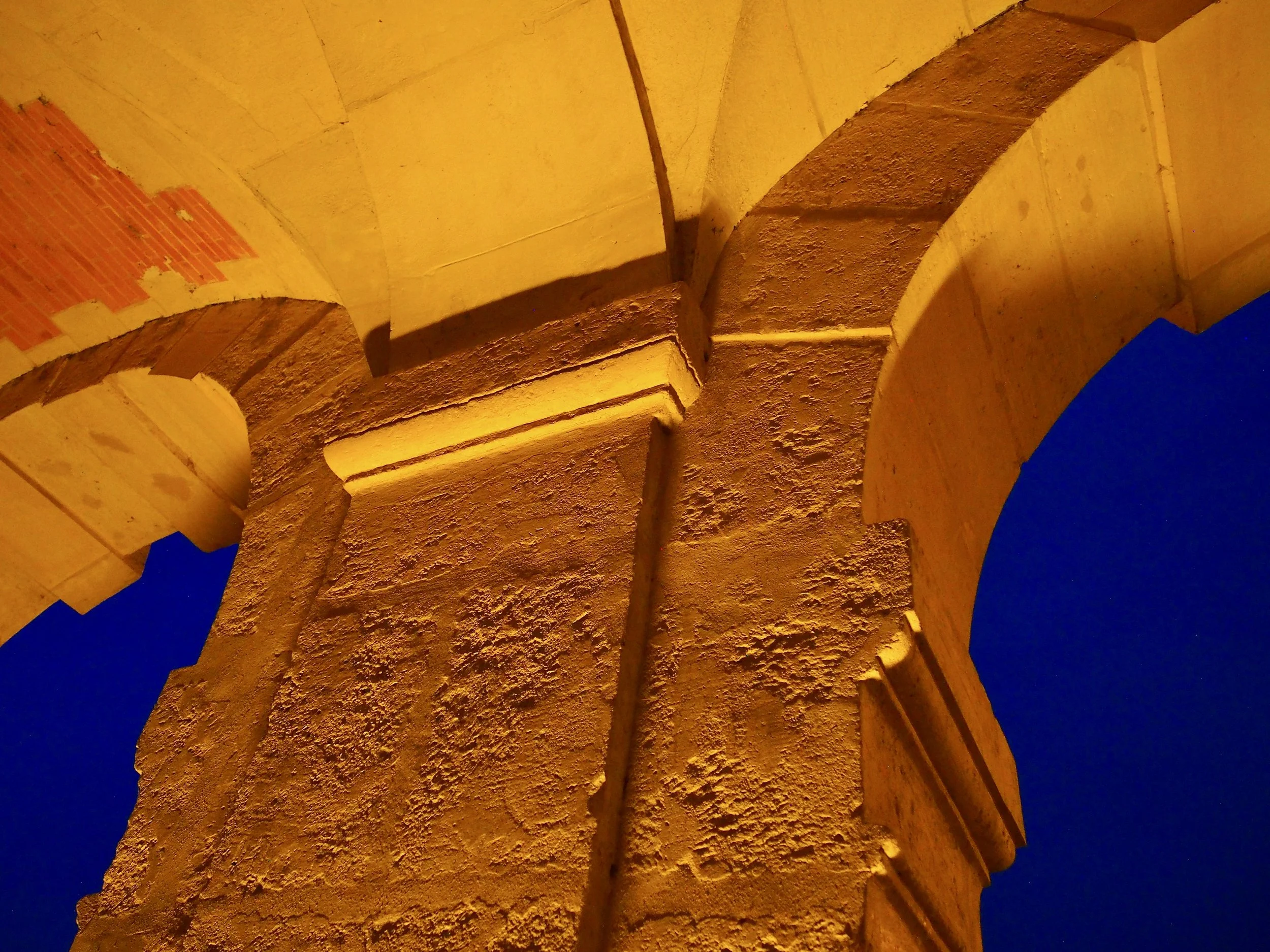
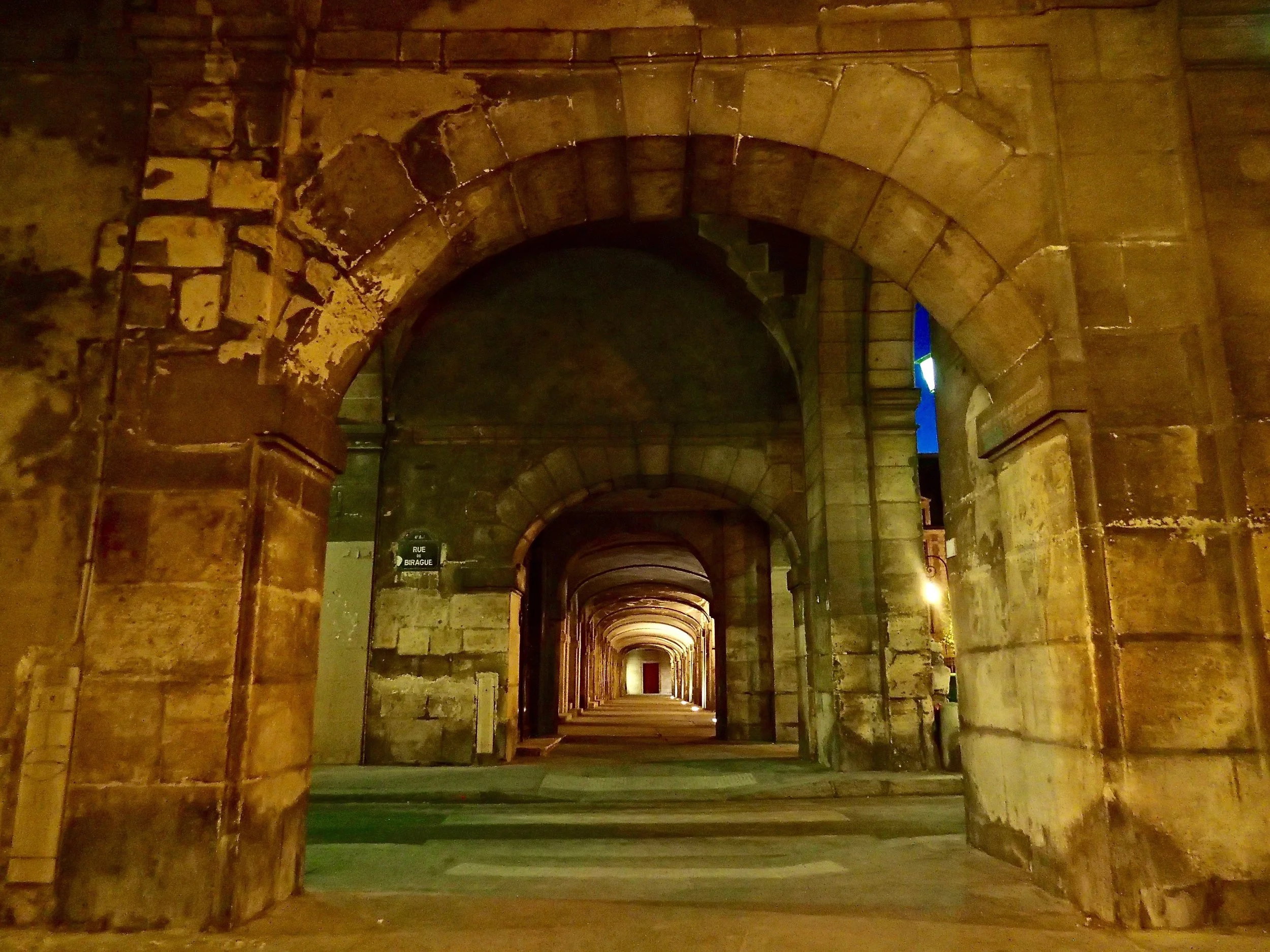
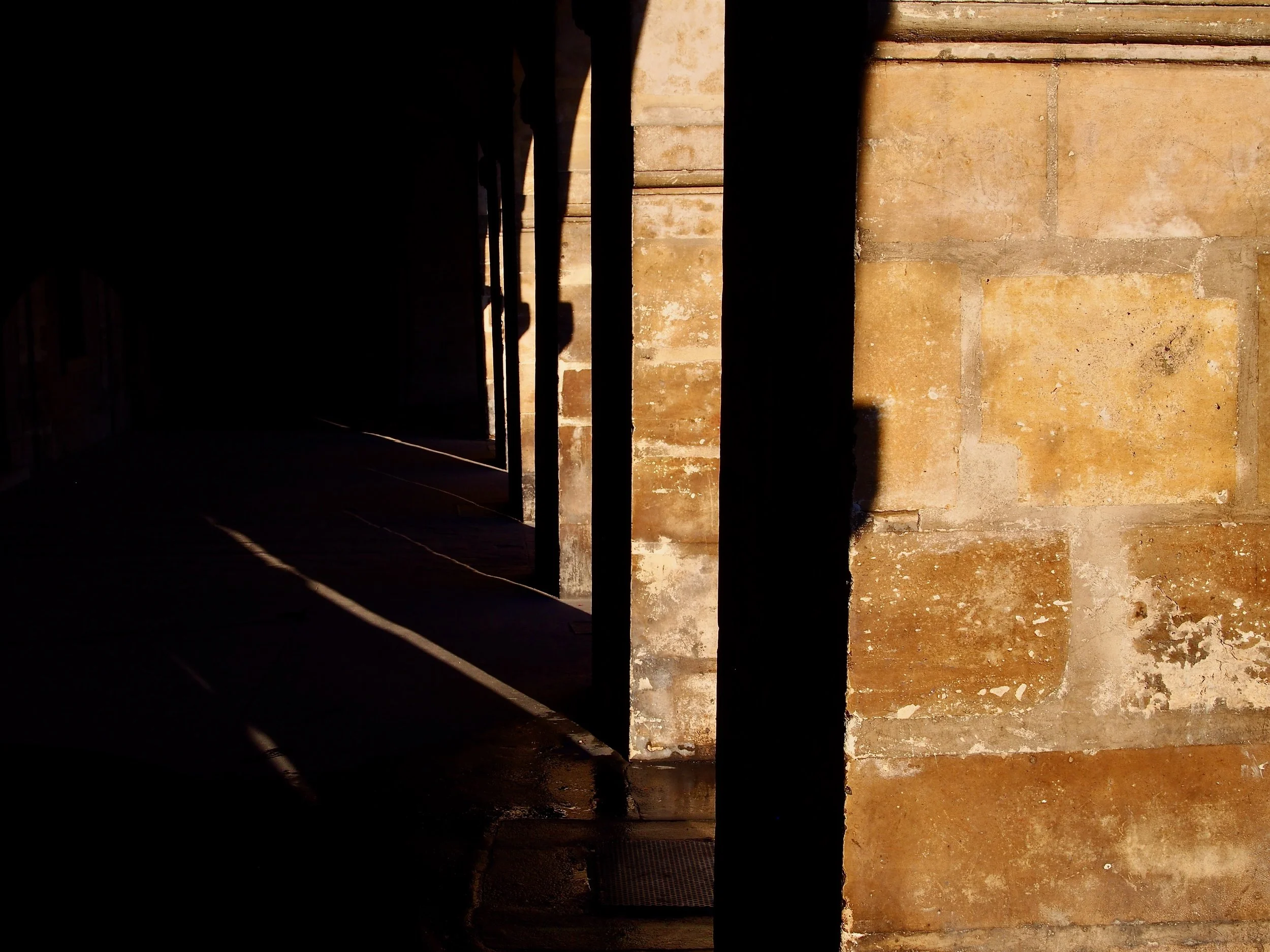
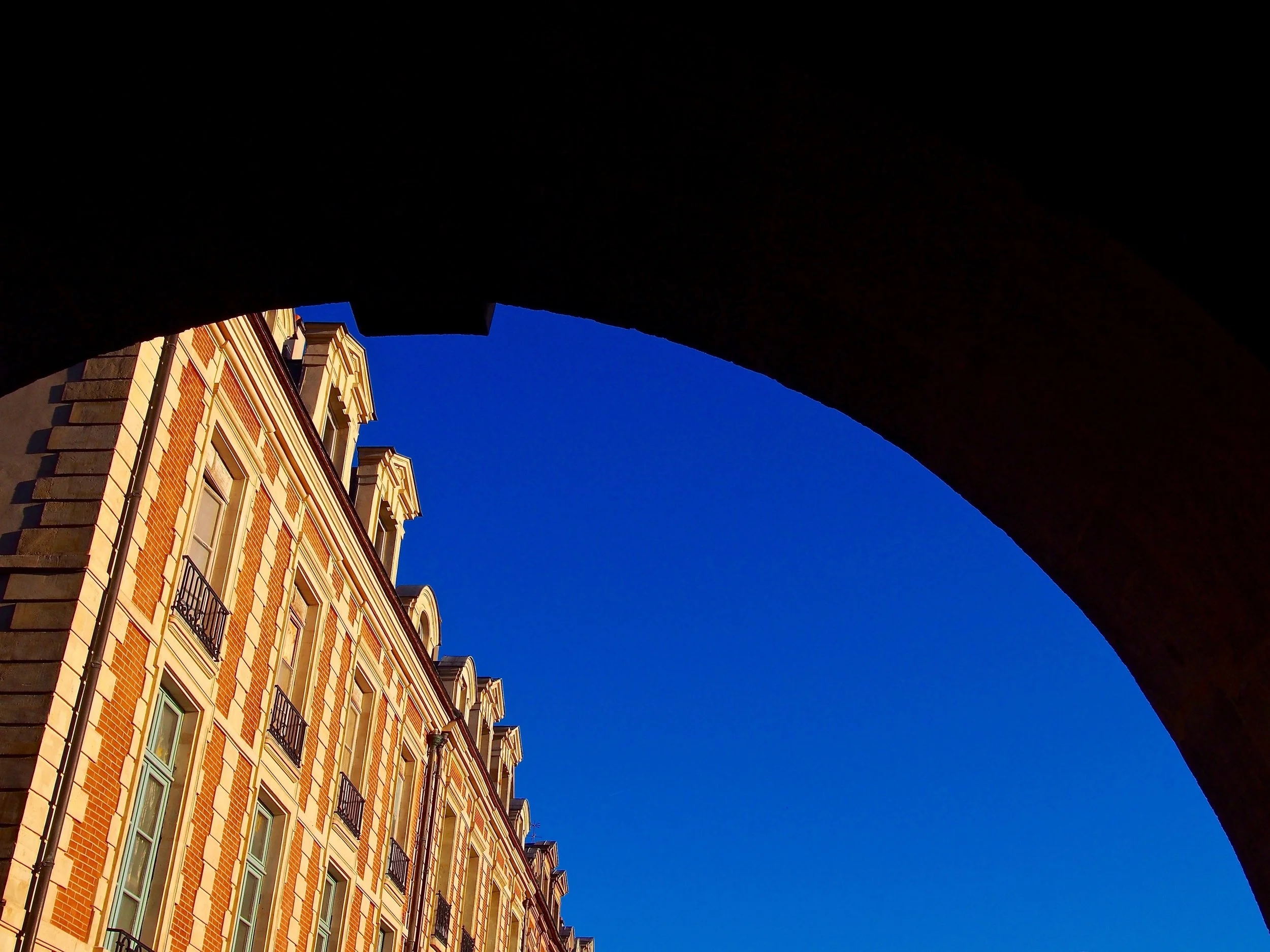
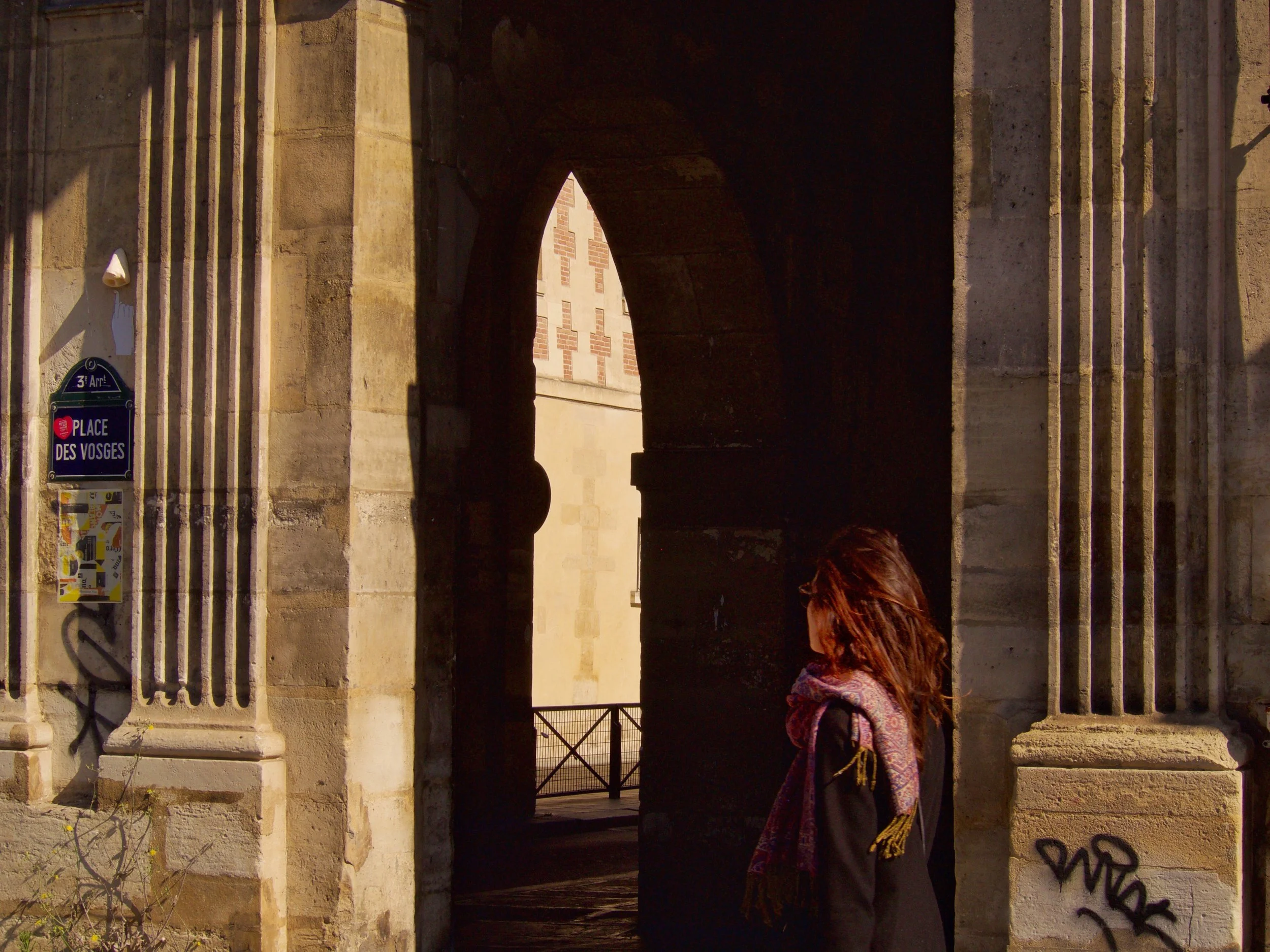
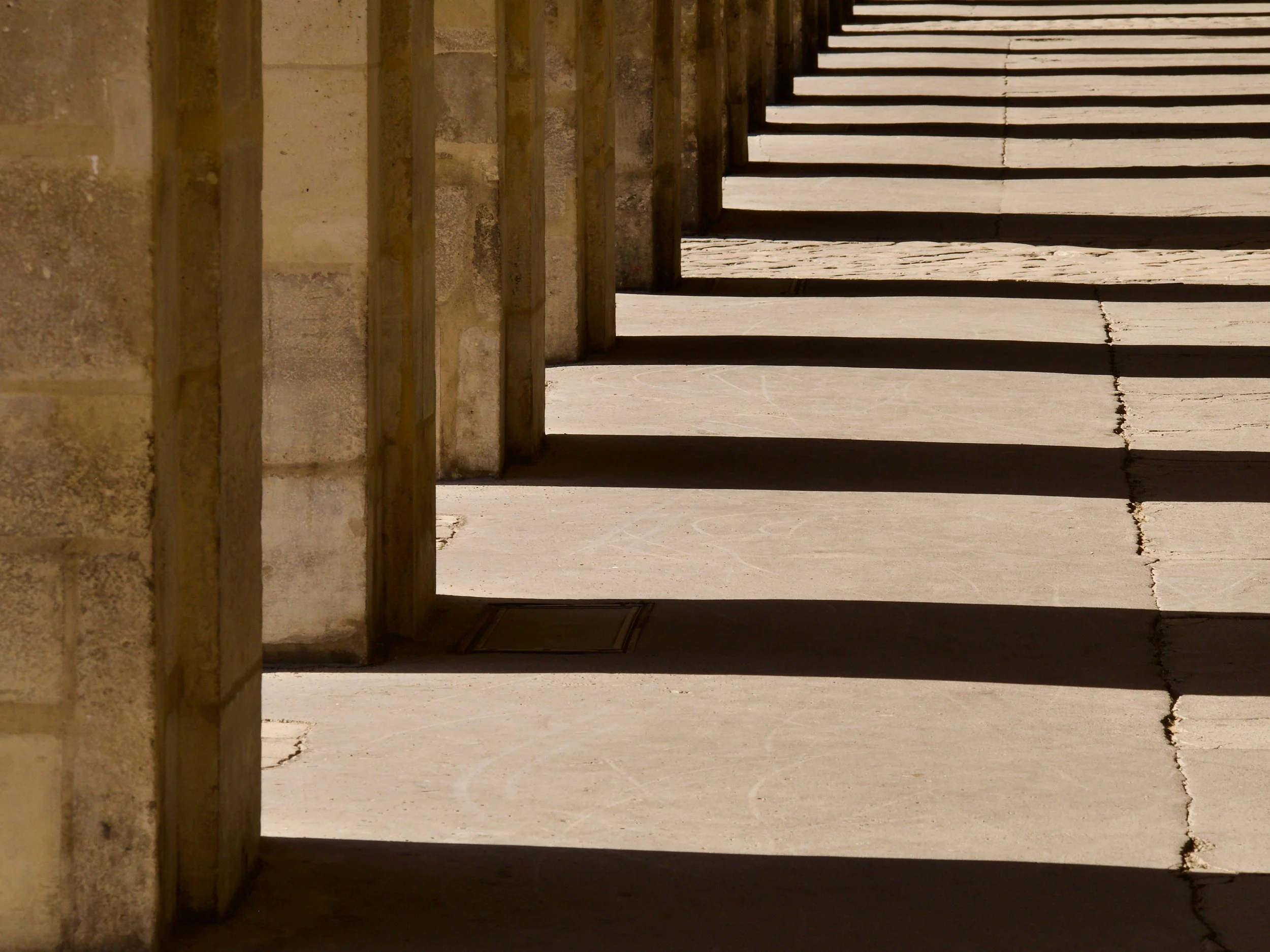
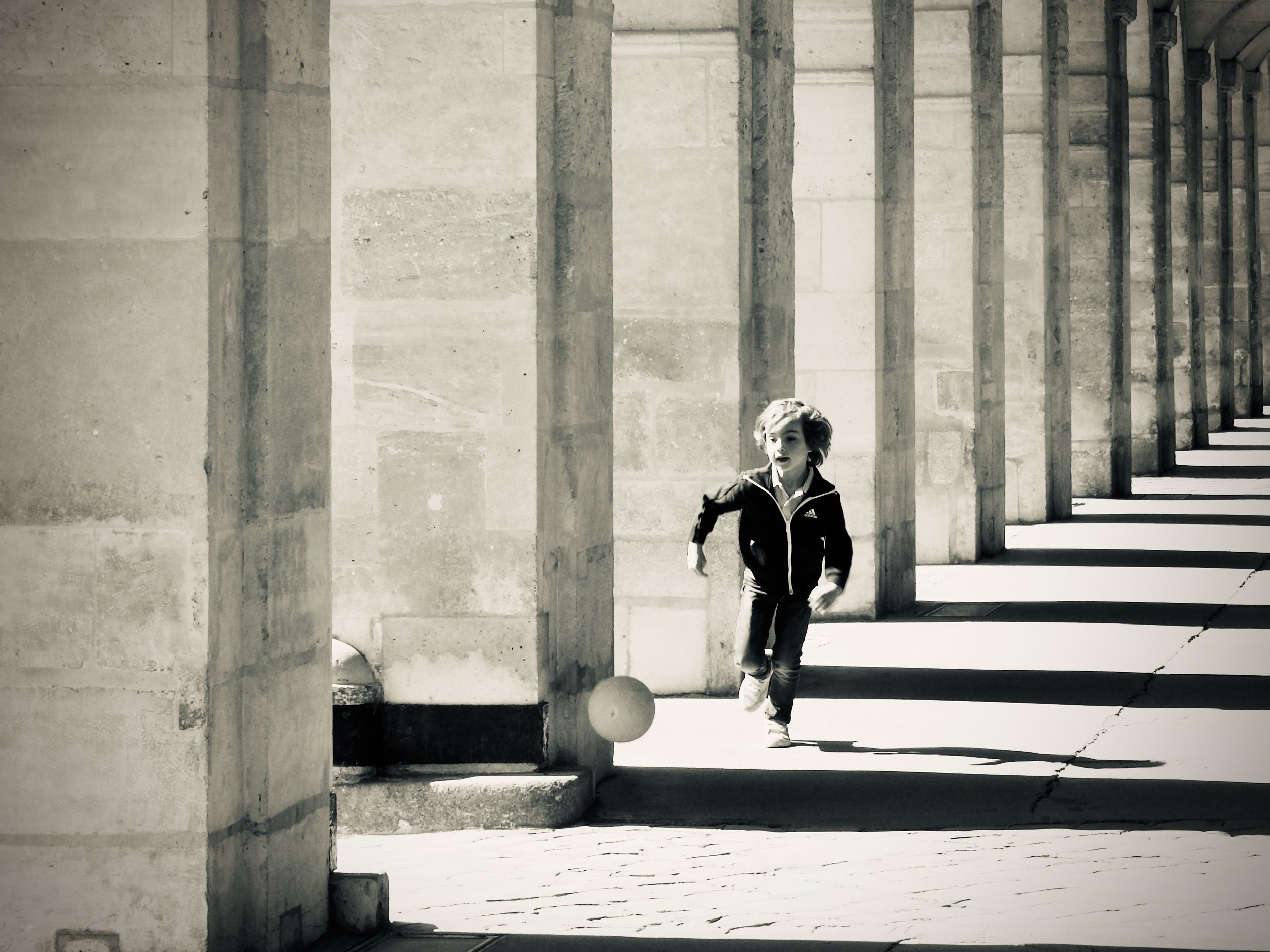
Although I never did train as an architect, architecture has remained a central point of my existence. Symbolically, the notions of perspective, design, order, mathematical structure, function, and proportion are present in my writing processes. I don’t claim that my books are exemplars of balance, only that my writing processes are informed (even if confusedly and incompletely) by architectural notions. And I can help my musician students figure out and navigate the architecture of the compositions that they perform. Show me a piano sonata by Franz Schubert, and I’ll show you how you can bring its design to the fore. Structural thinking is fundamental for the health of a musician.
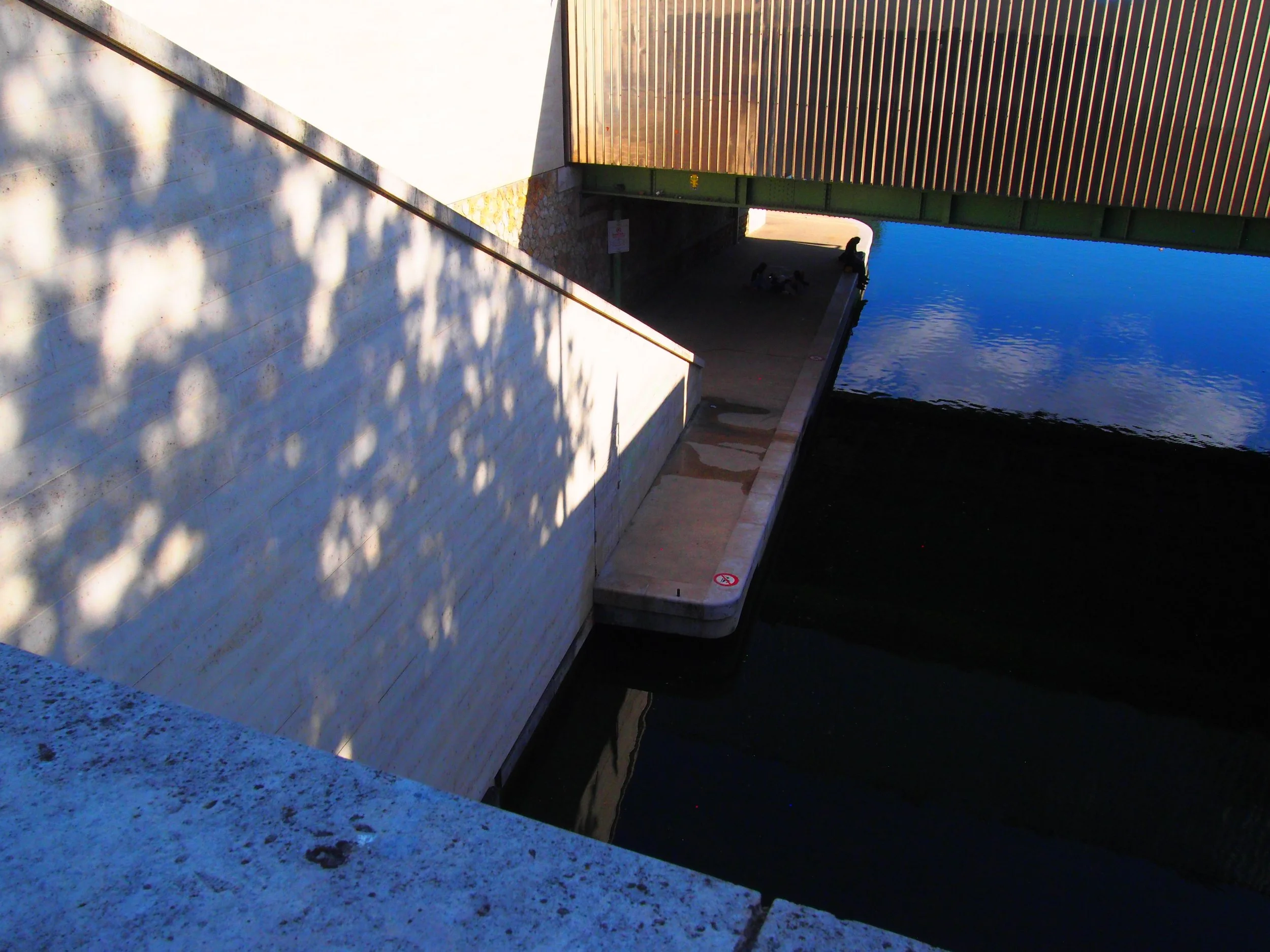
People interested in food visit a city to enjoy its gastronomy, its markets and restaurants. I visit a city to enjoy its buildings, its façades and courtyards, its train stations, its occupation of space. When perceiving space, you might realize that you’re actually perceiving your own self in relation to the space. Let’s call this phenomenon “the perception of perception.” It’s a big deal.
To notice, to see; to understand, to appreciate; to see again and again, and not tire of seeing; to see again and again, as if seeing for the first time every time; to discover, to find out; to be enveloped by a space or a cityscape: give me a building, a museum, a bridge, a corridor, some stairs, and I’ll take those stairs to heaven.
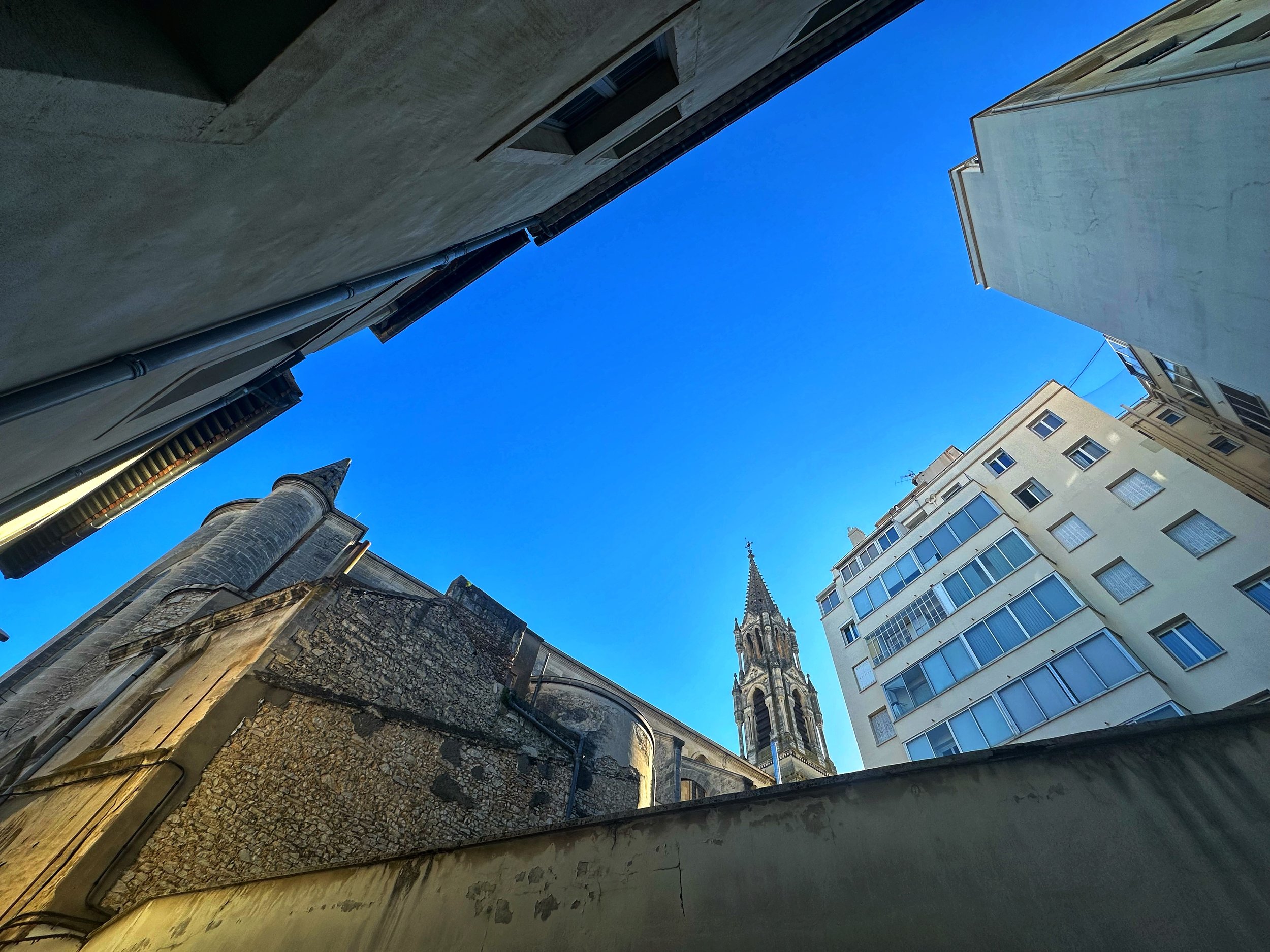
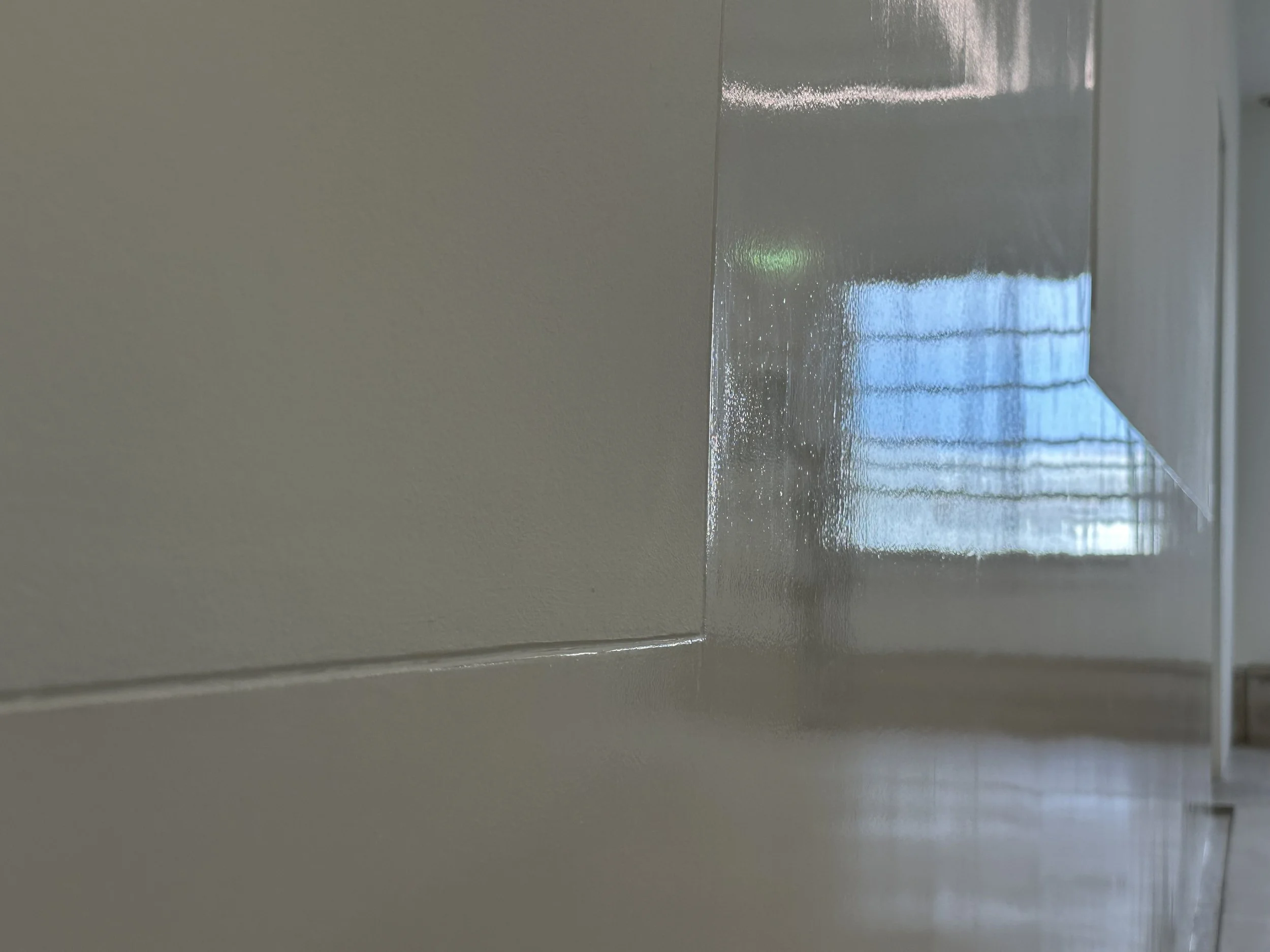
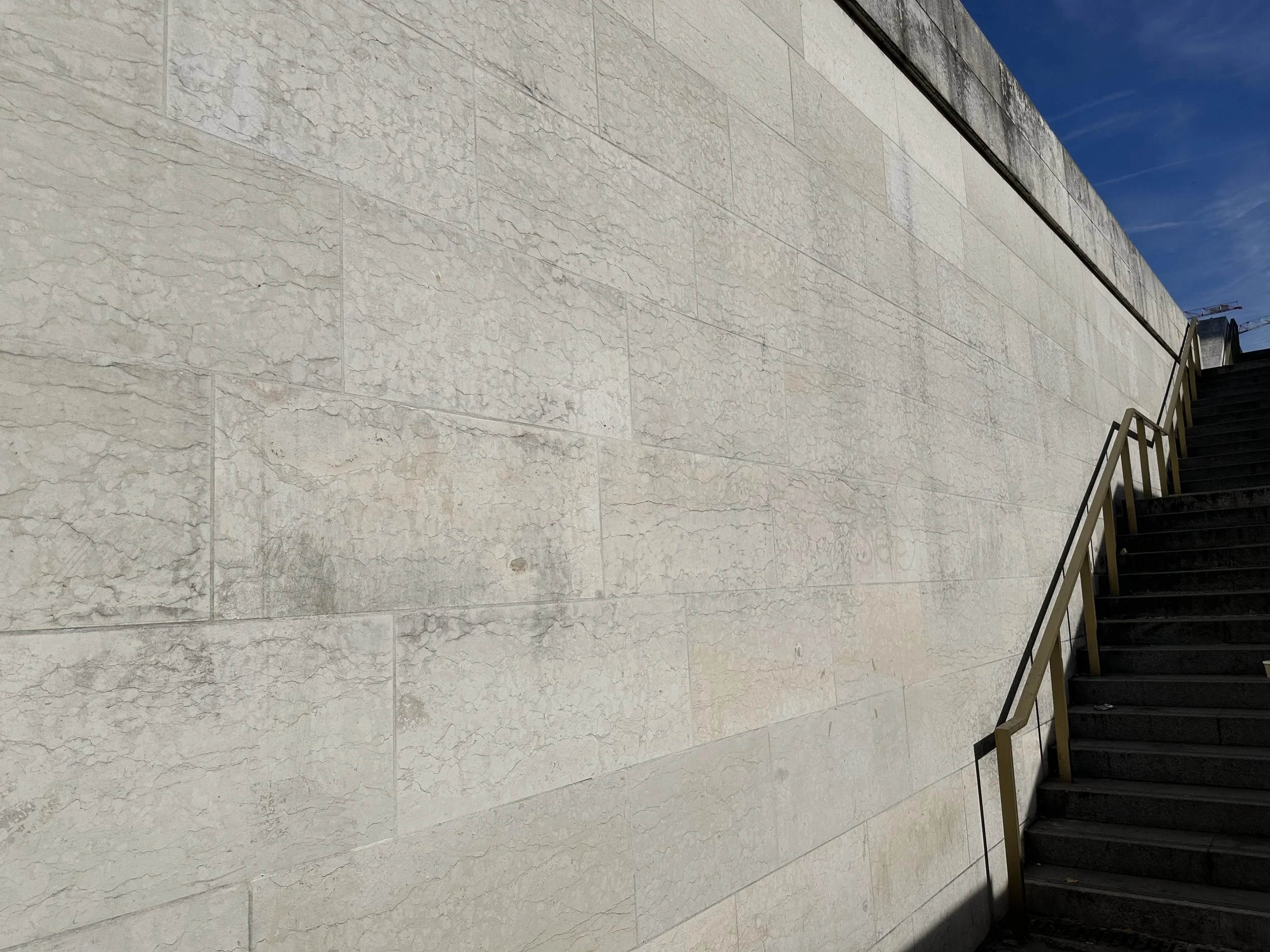
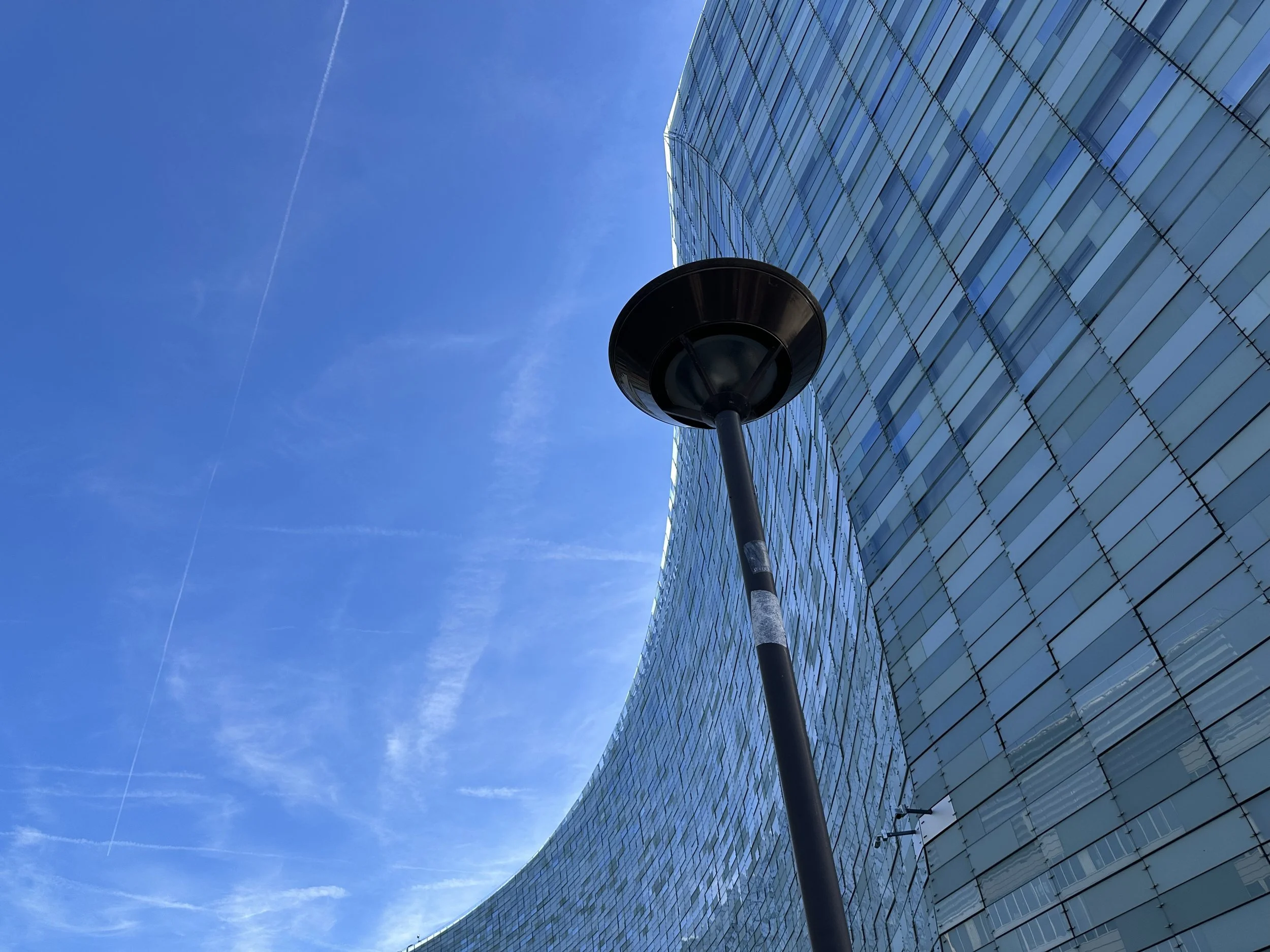
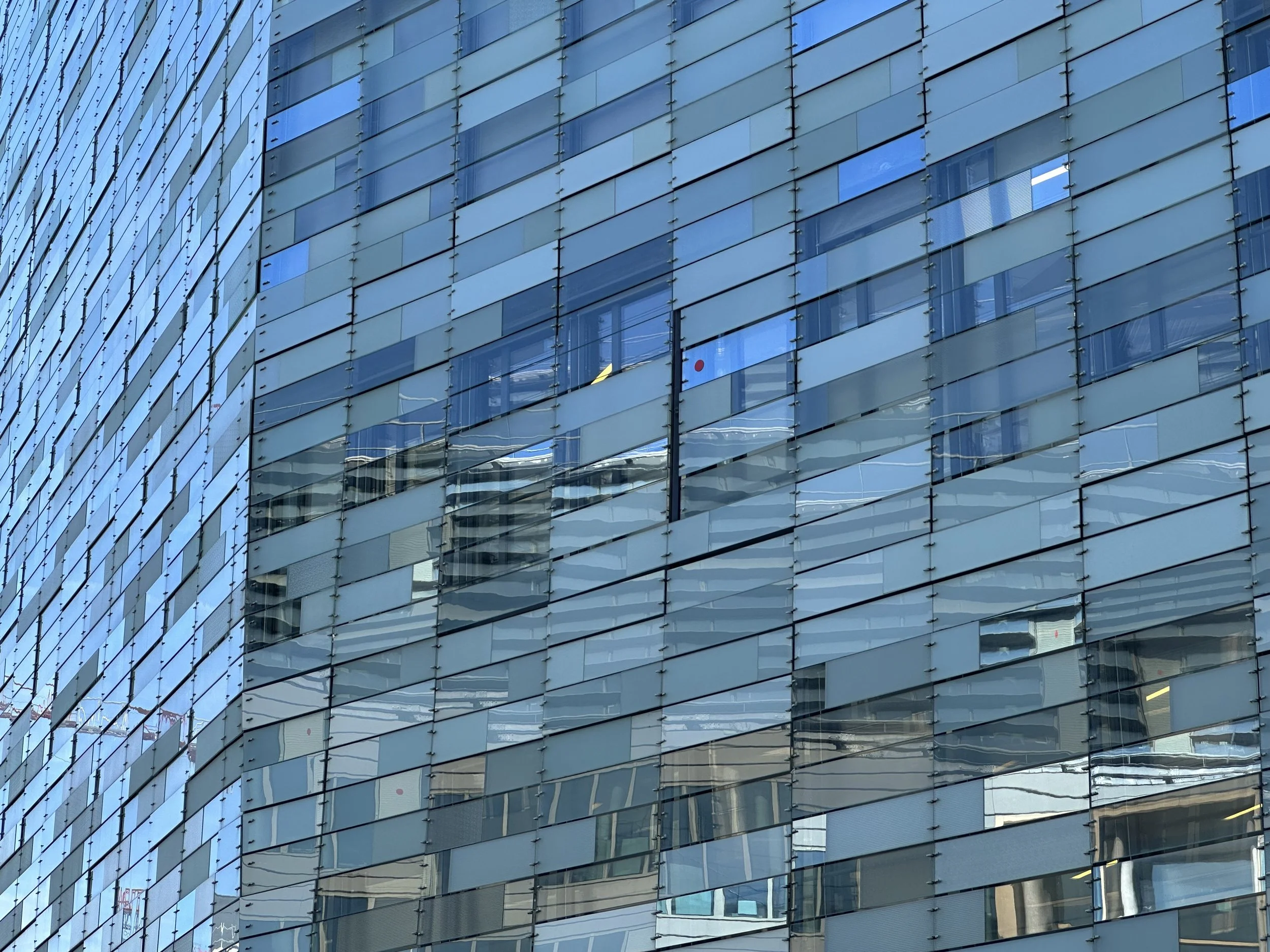
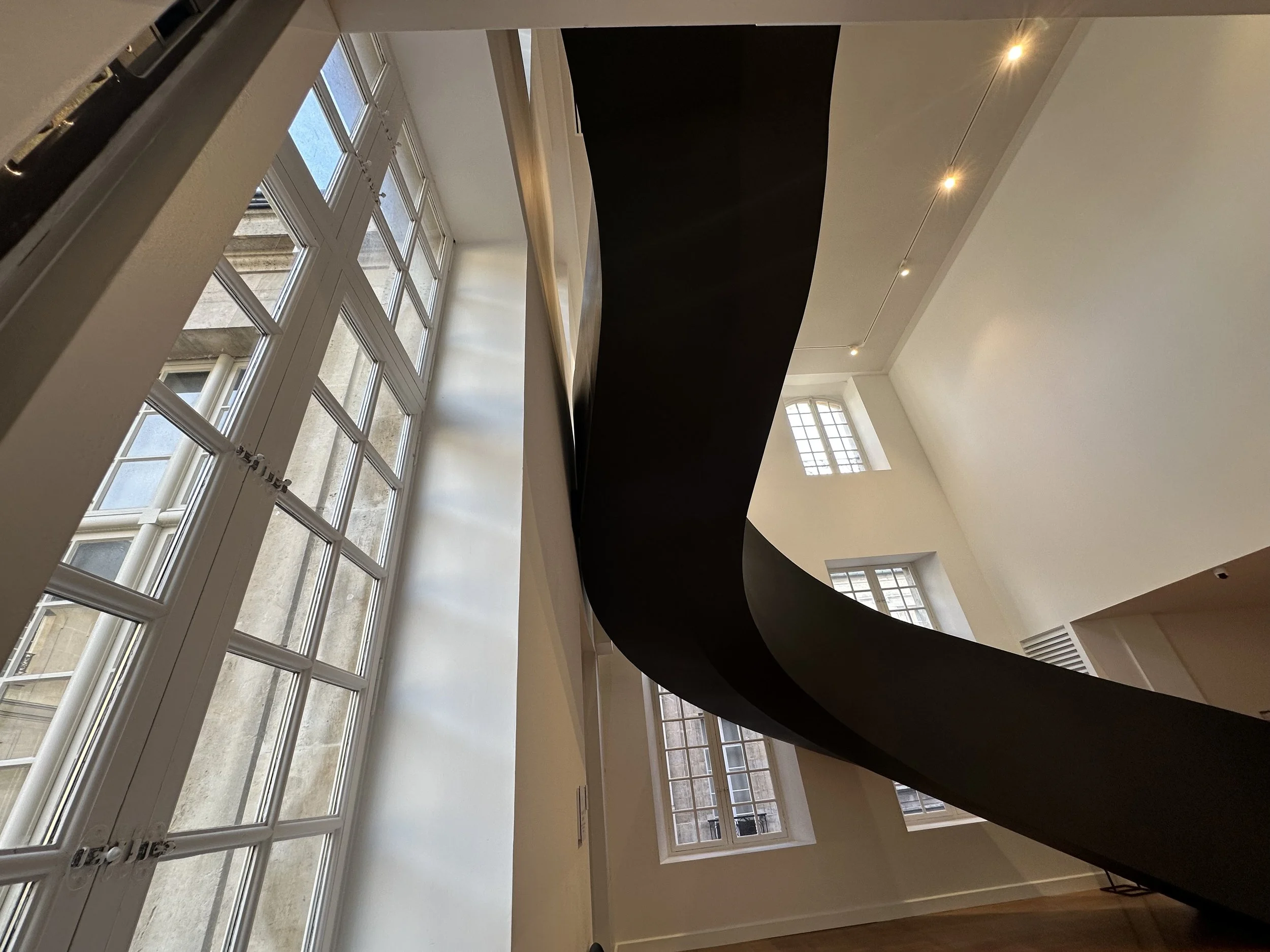
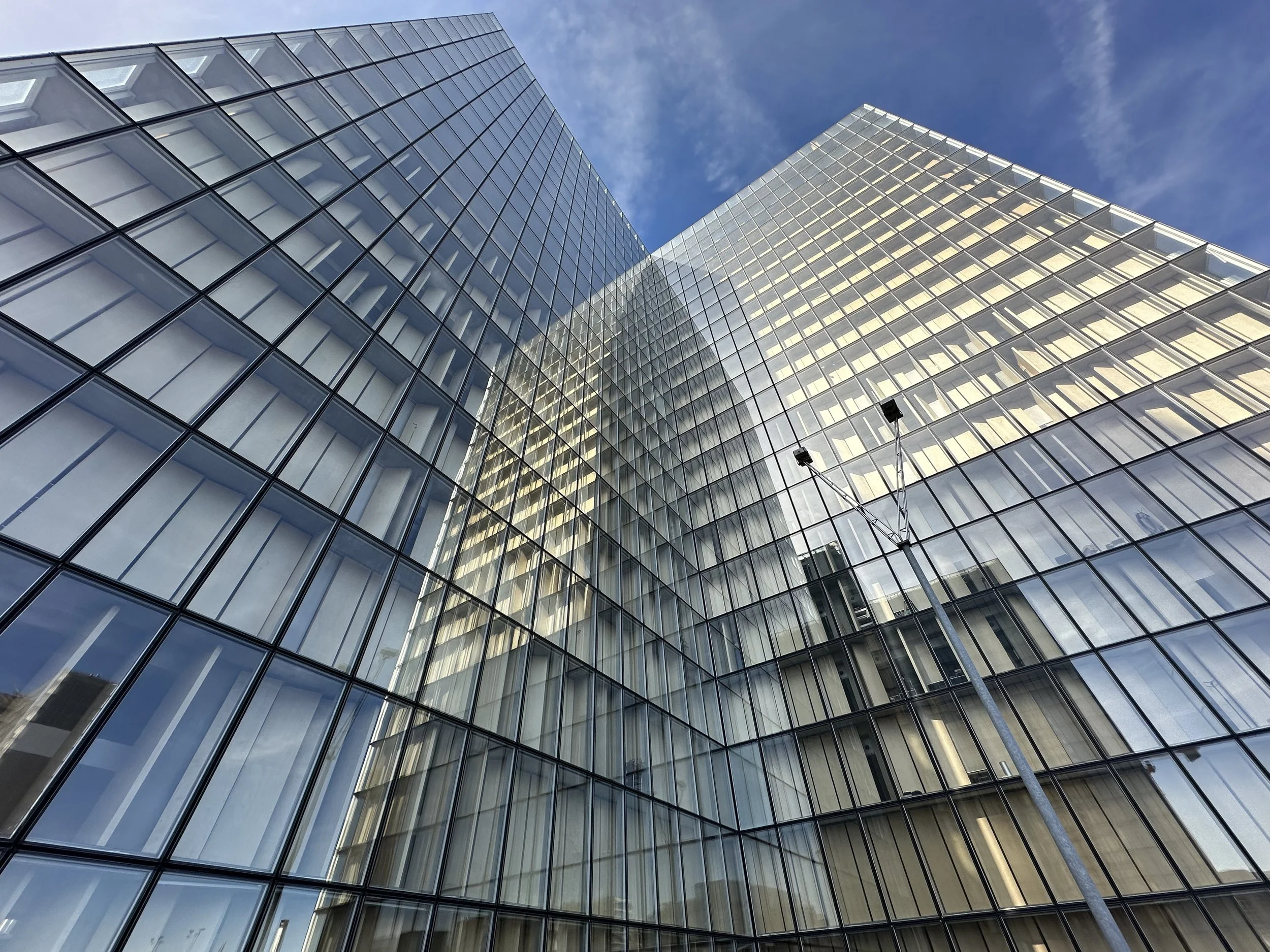
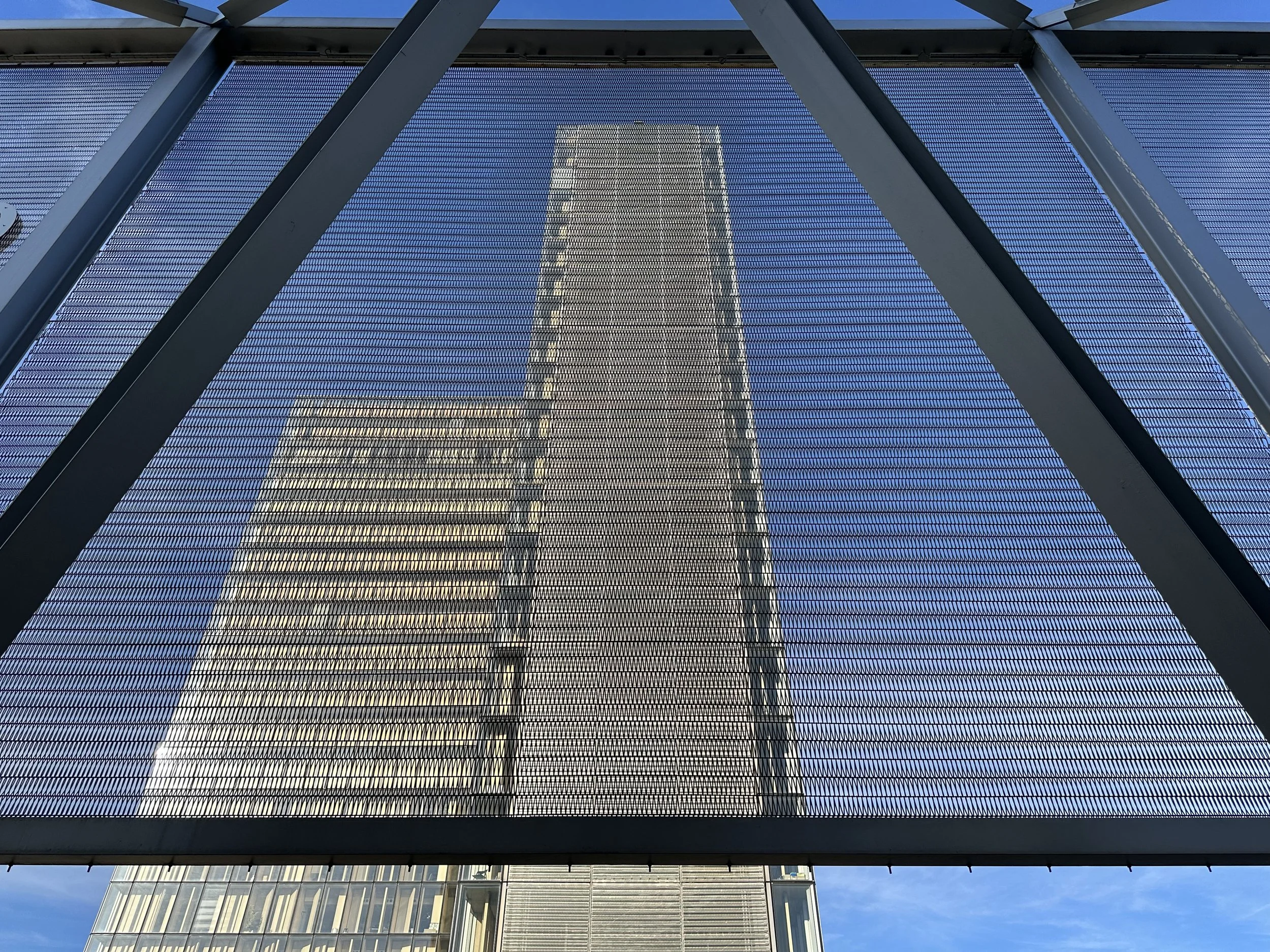
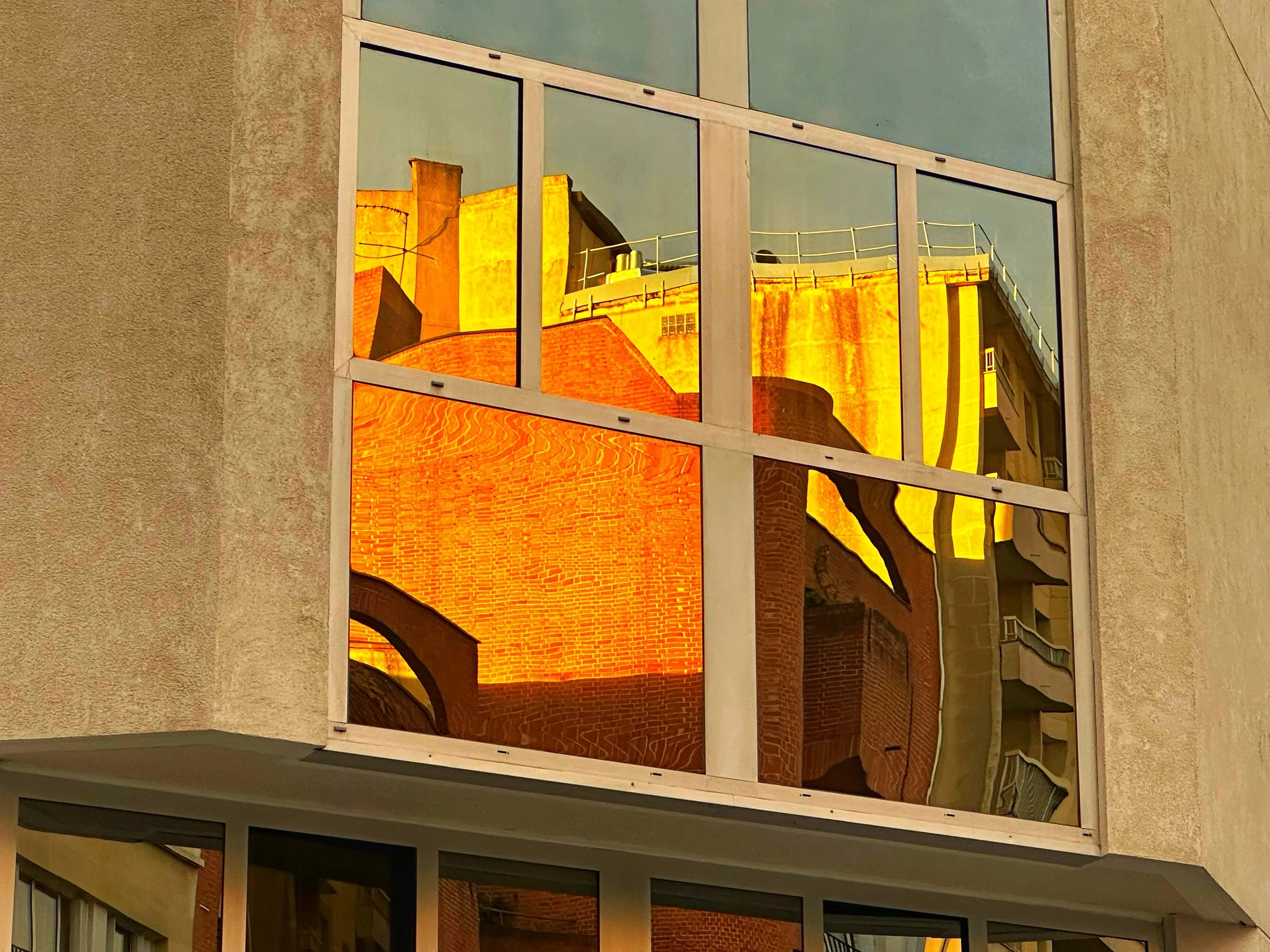
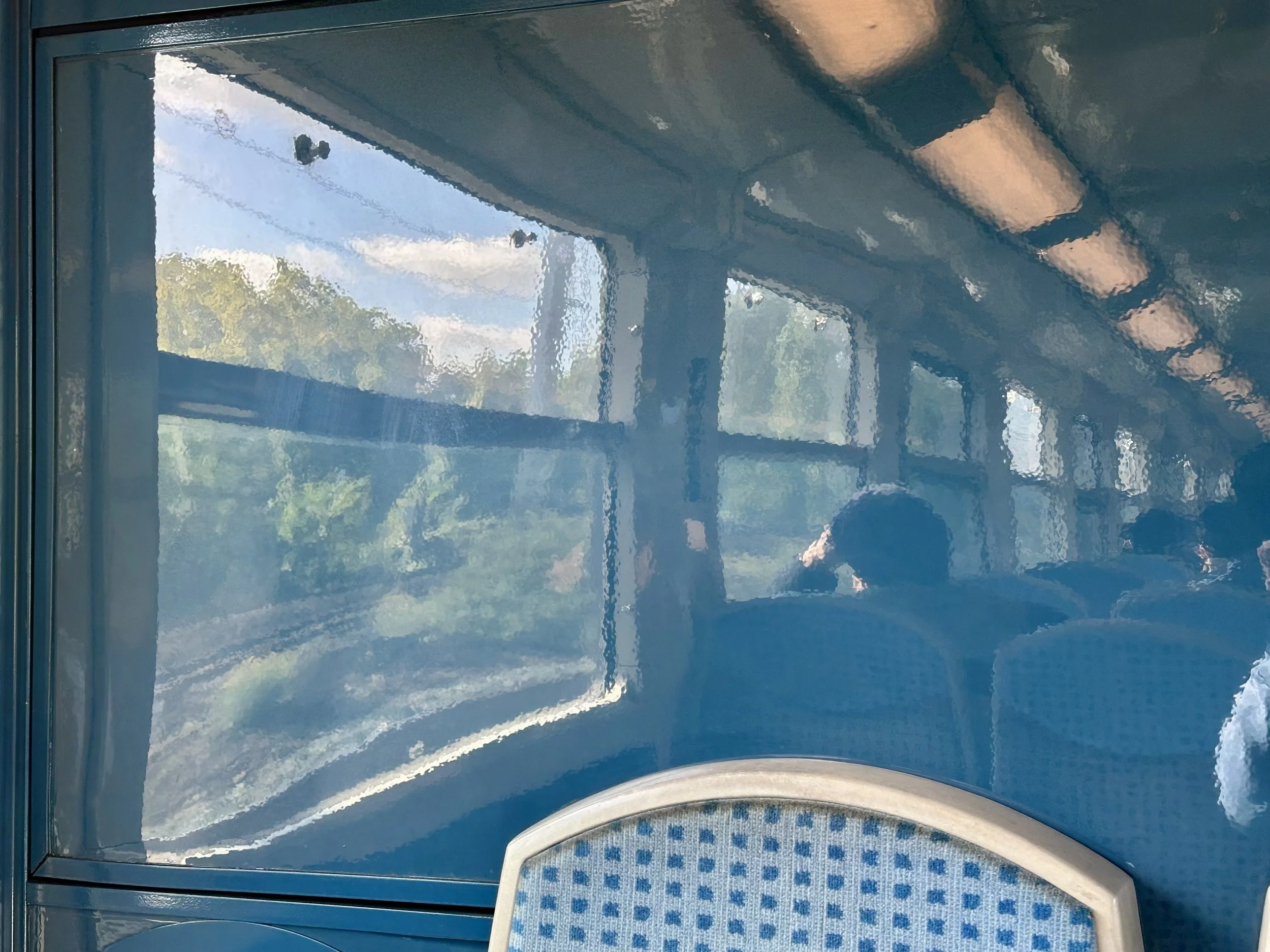
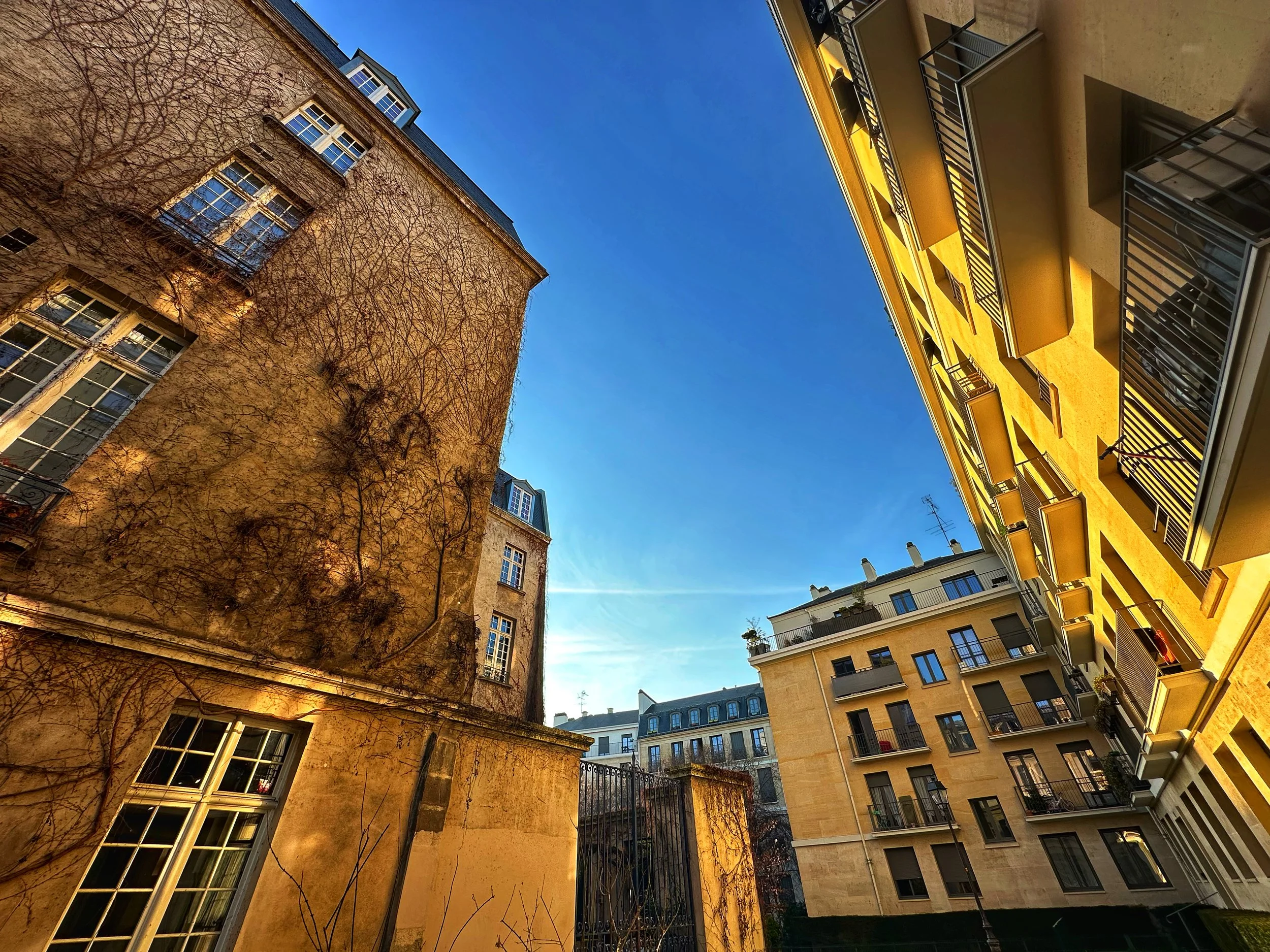
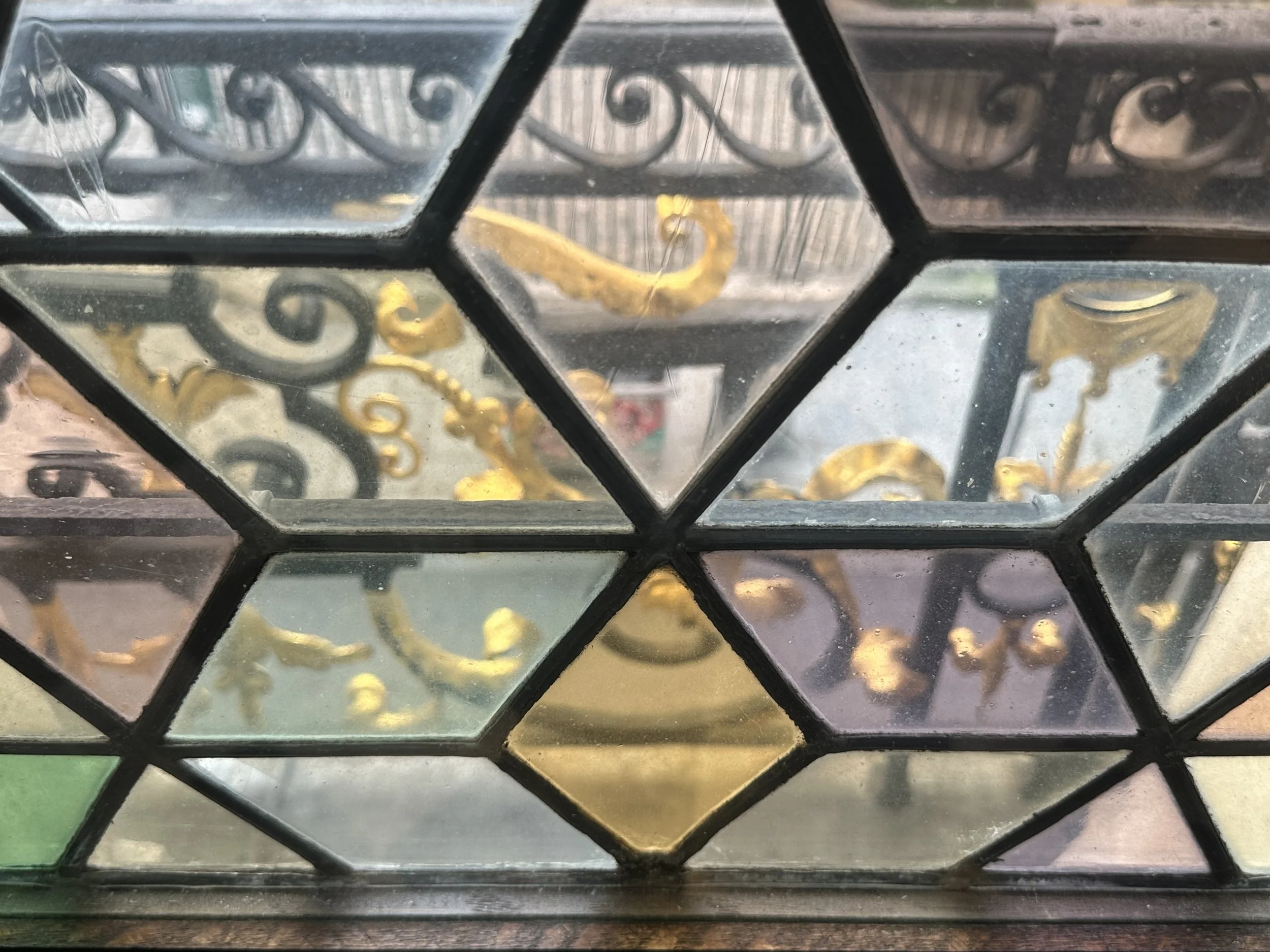
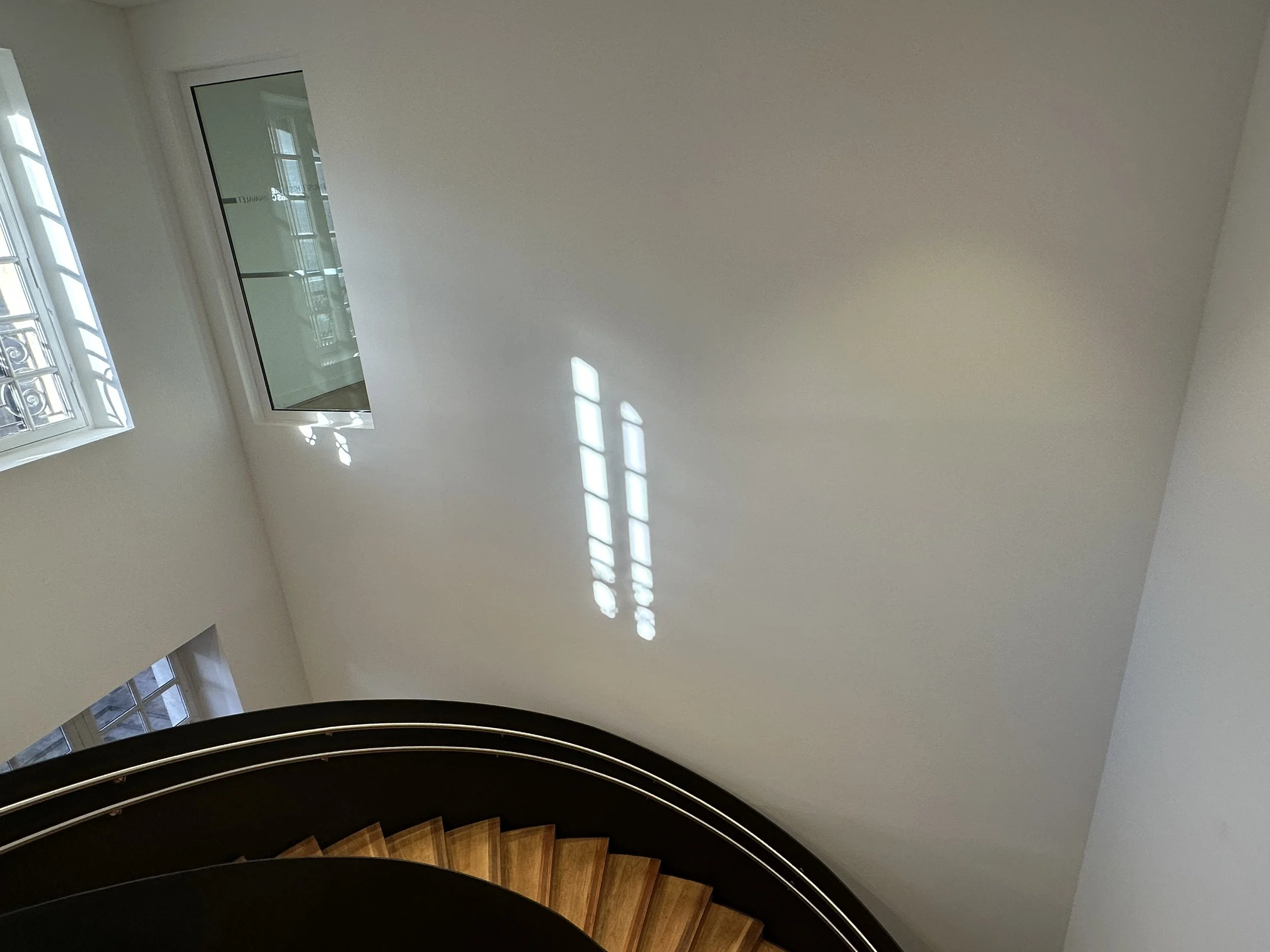
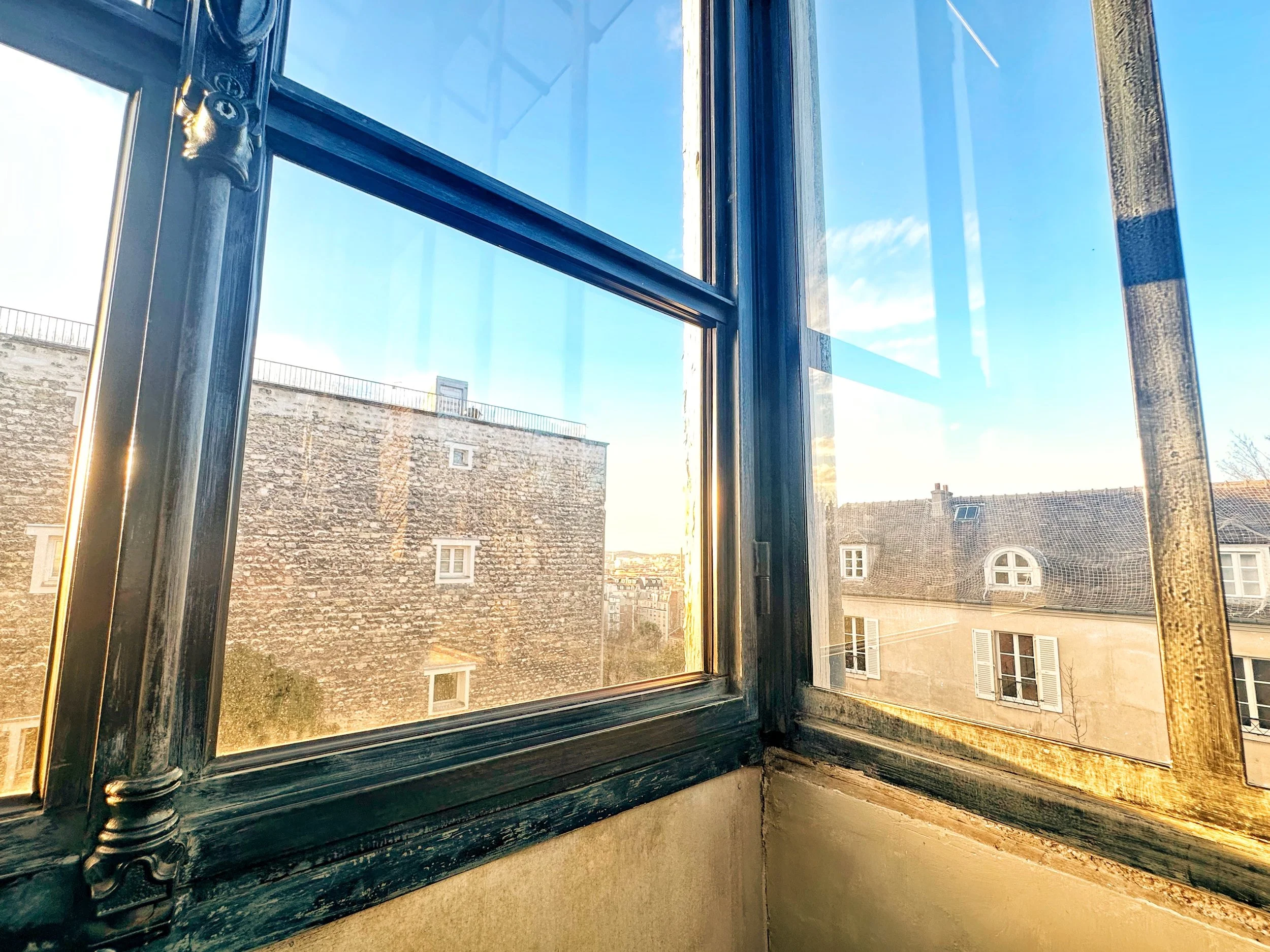
Windows and mirrors plus light and shadow conspire to play tricks on your perception. It’s wonderful to be fooled. It helps you realize that perception is an art as much as a science.
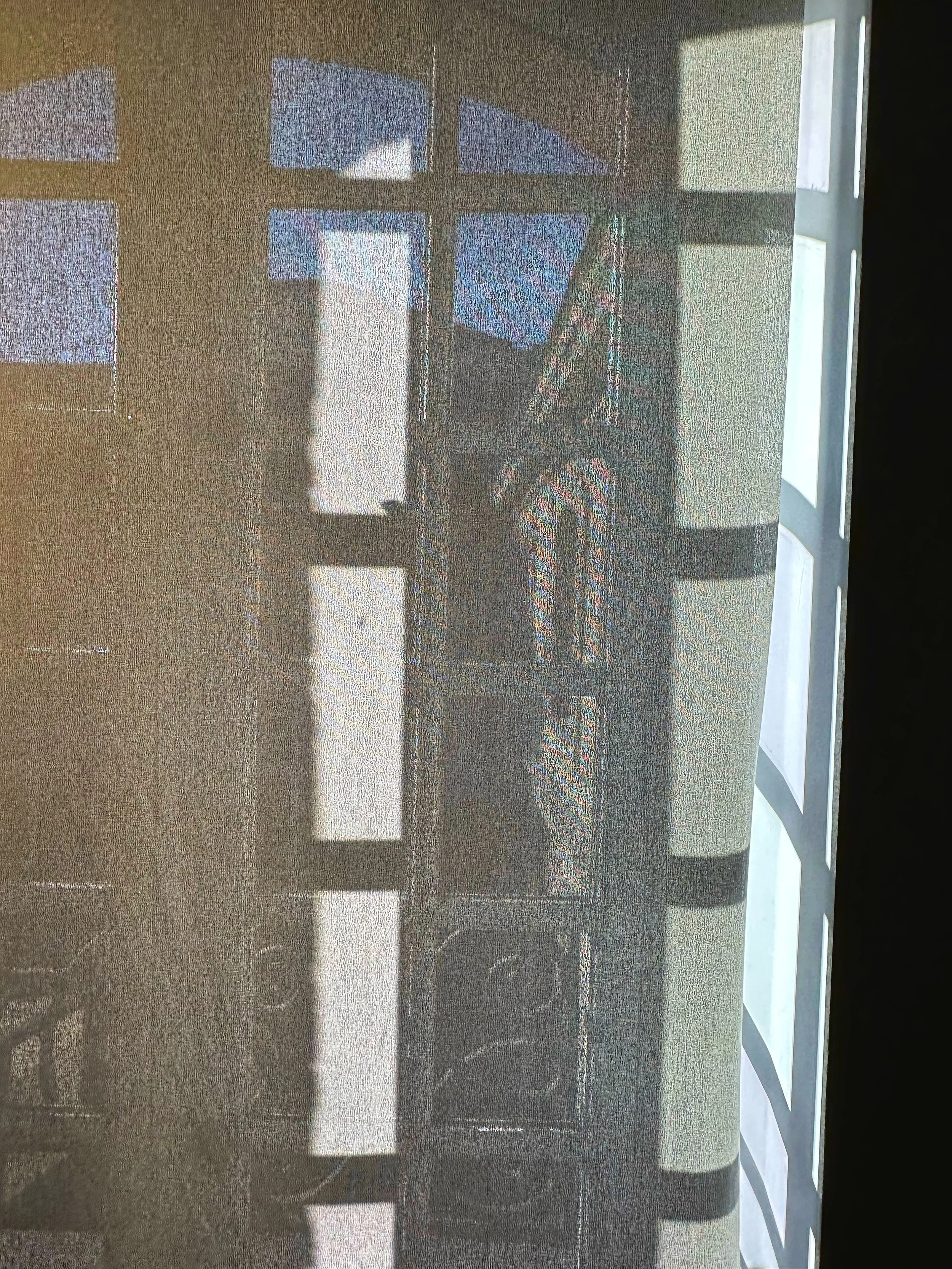
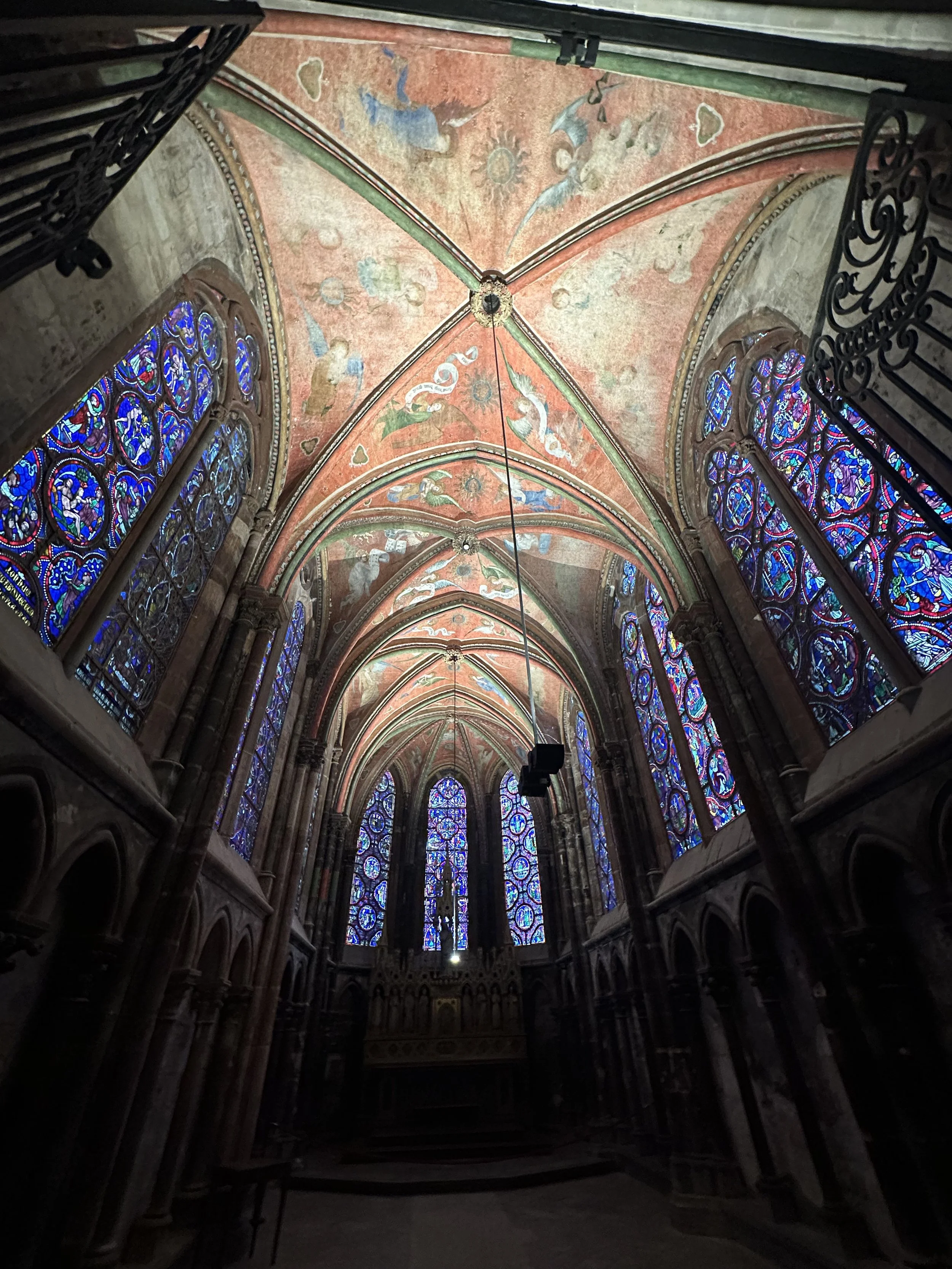
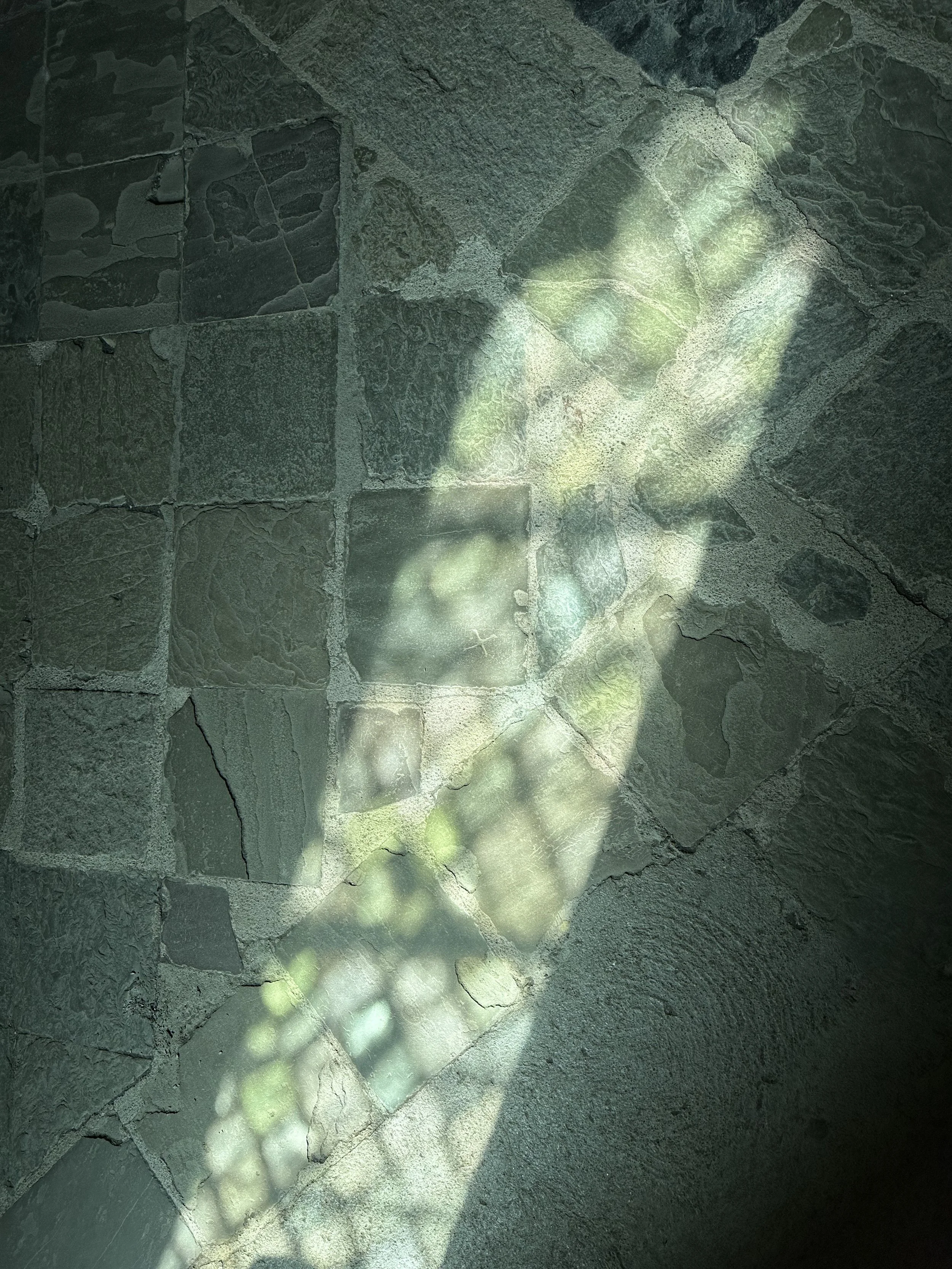
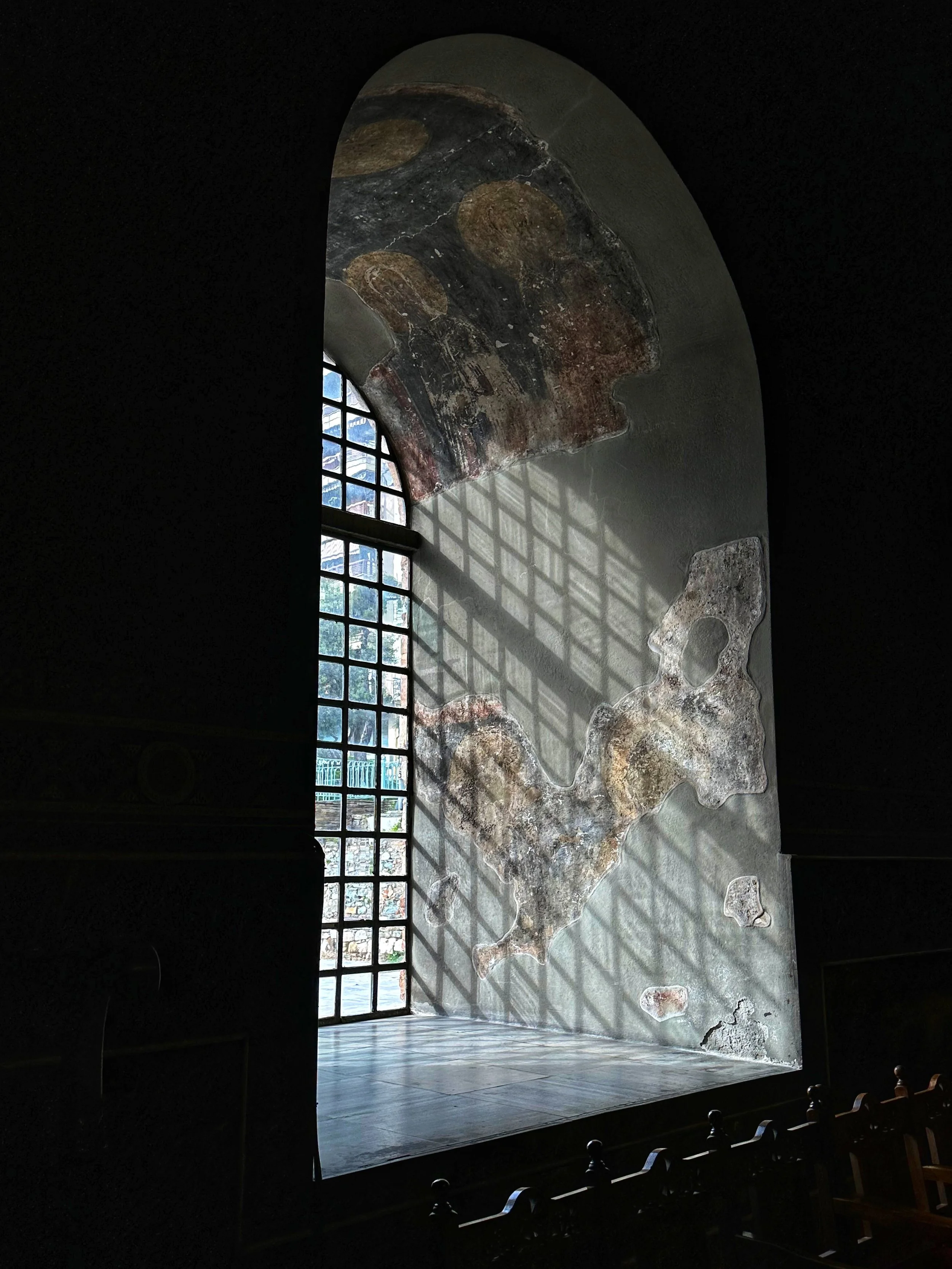
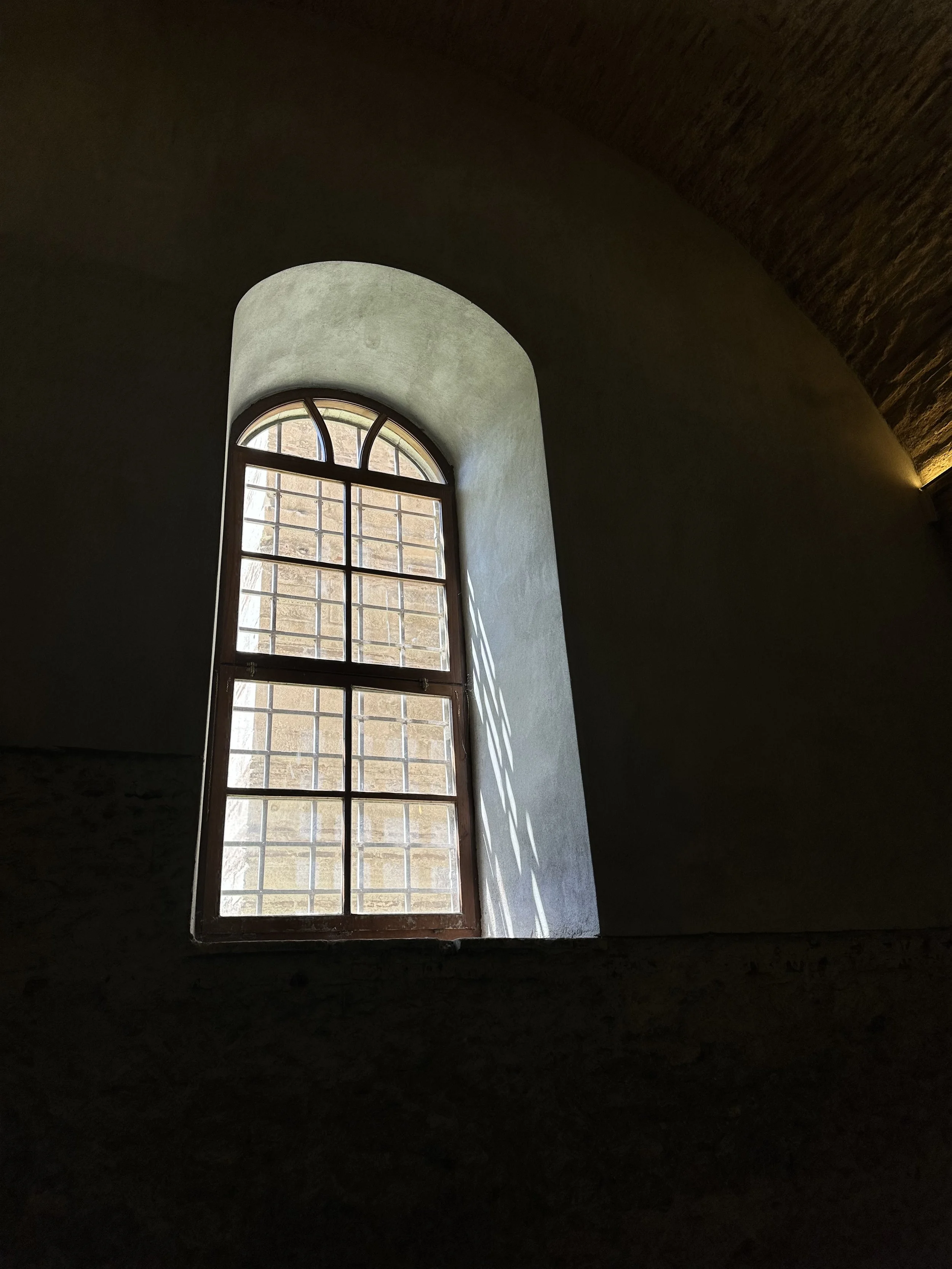
To go out in the world, hoping to be fooled: That’s what I wanted to do when I was growing up. I’m not sure that I did grow up, but my hope about being fooled has definitely been fulfilled.
©2026, Pedro de Alcantara