Four years ago I started using brush and ink in my exploration of drawing, inaugurating a new strand of materials. Material as object: pencil, scissors, brush, ink, Scotch tape. Material as idea: thoughts that become a book, for instance. You’re working on your materials when you think through an issue, when you look for a word, when you build a coherent paragraph. Do you have enough material for a blog post? We’ll see!
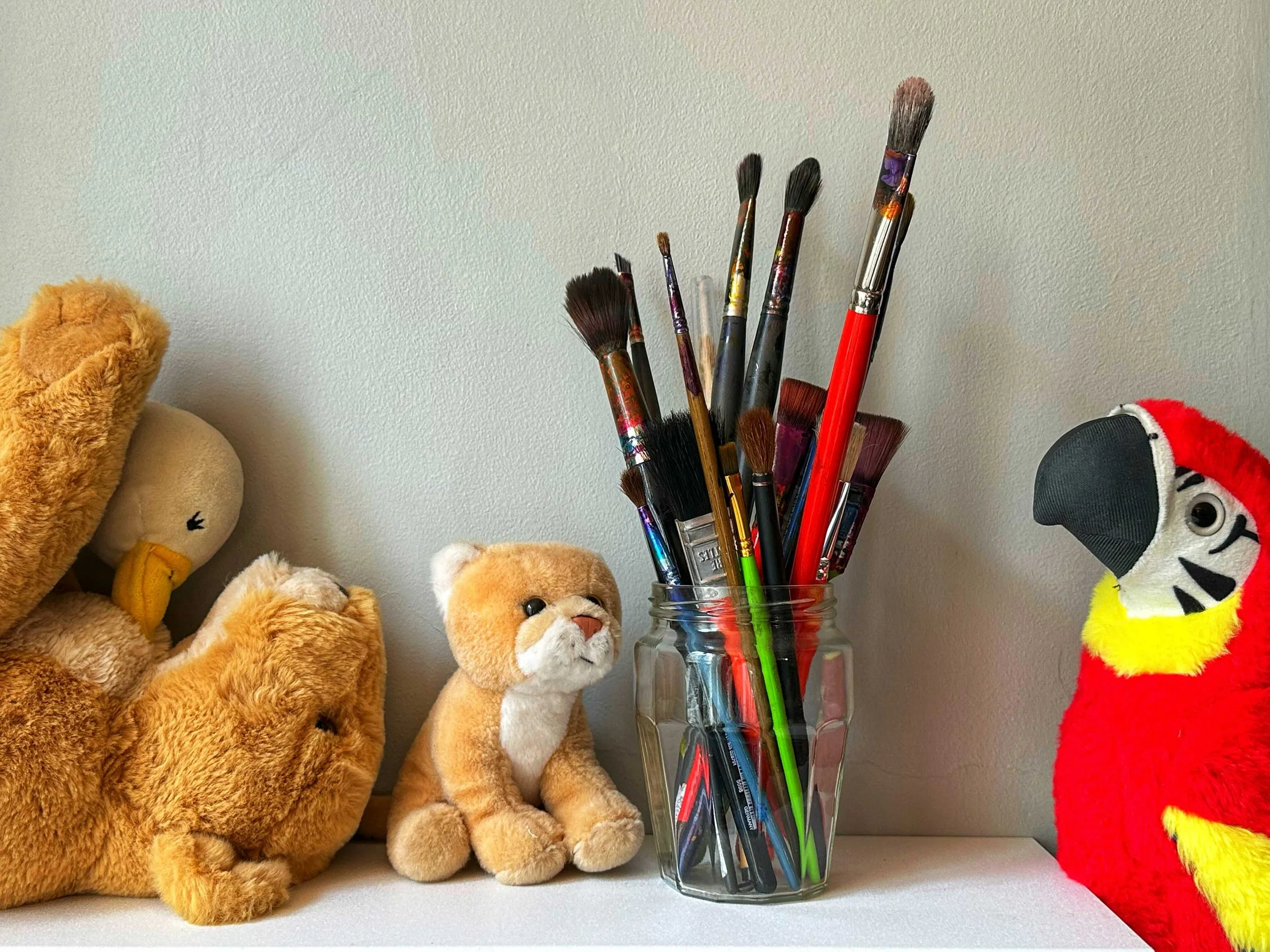
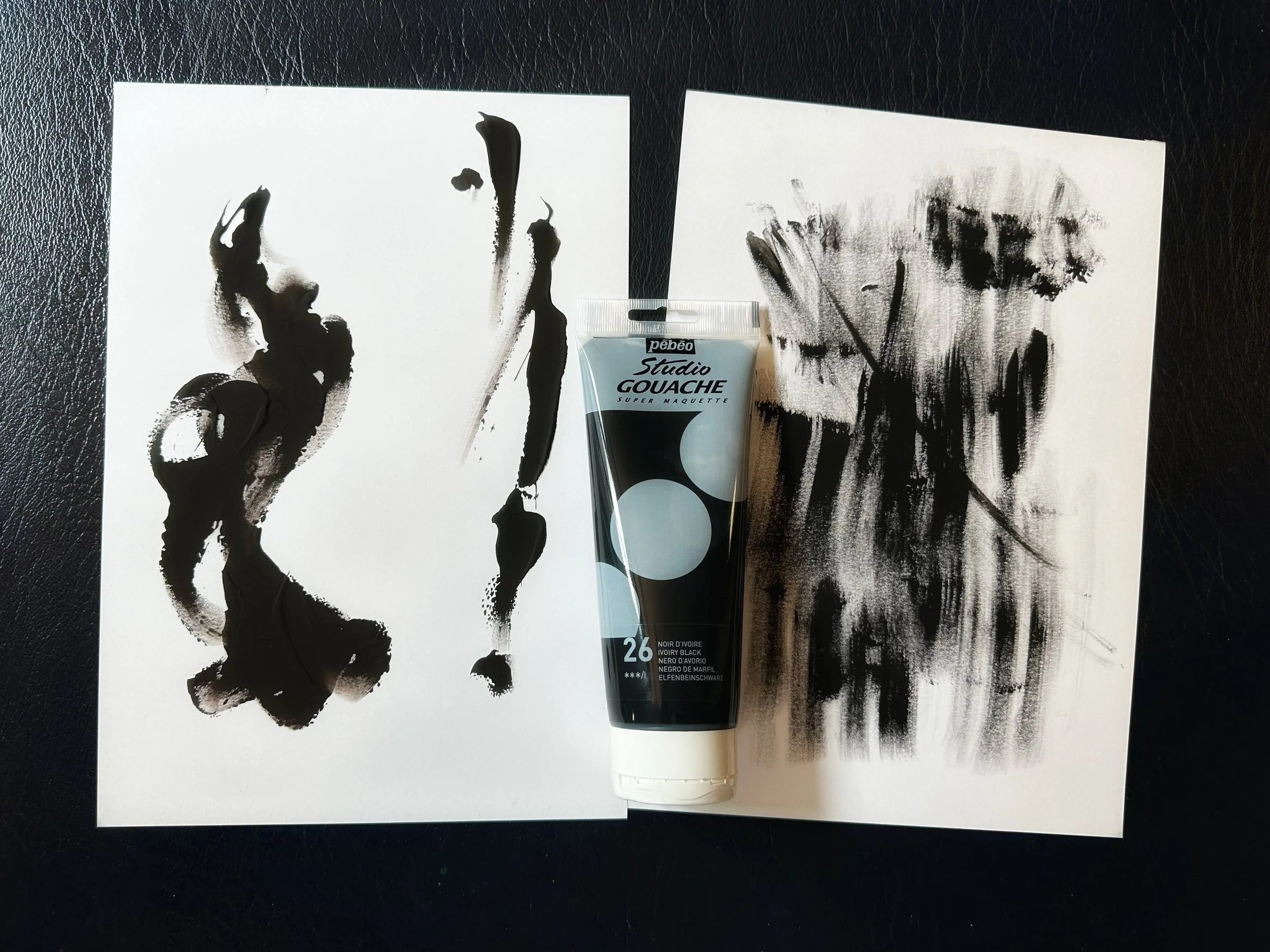
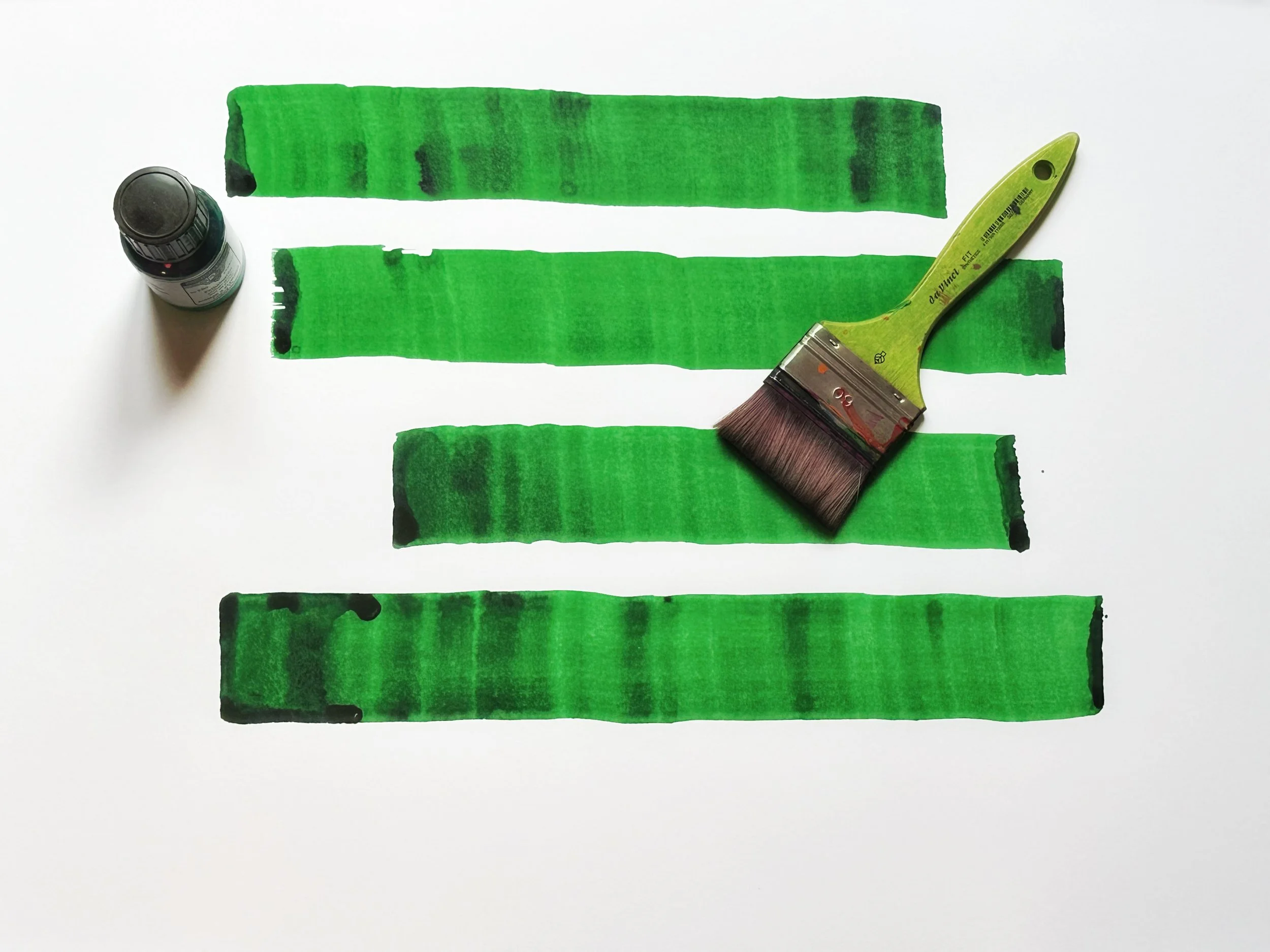
A brush behaves differently from a pencil. There are a thousand types of brushes in the world, but let’s say that I collected twelve brushes over the past few years. Wood, plastic, animal hair, artificial fibers. Each brush has needs and wants, thoughts, emotions. If you don’t pay attention to the brush, she refuses your initiatives. She appears to misbehave and disobey your will; she causes an accident, an error; she goes bendy, she breaks. But it was you who misbehaved; it was you who disobeyed the brush and caused an accident. The brush is willing to do many things, including things that you don’t know about yet. But she has her limits, her boundaries. “Yes, yes, yes, maybe, yes, yes, NO!”
Simplifying an elaborate linguistic discussion, “material” and “matter” come from the root “mater,” which means “mother.” Draw your own conclusions!
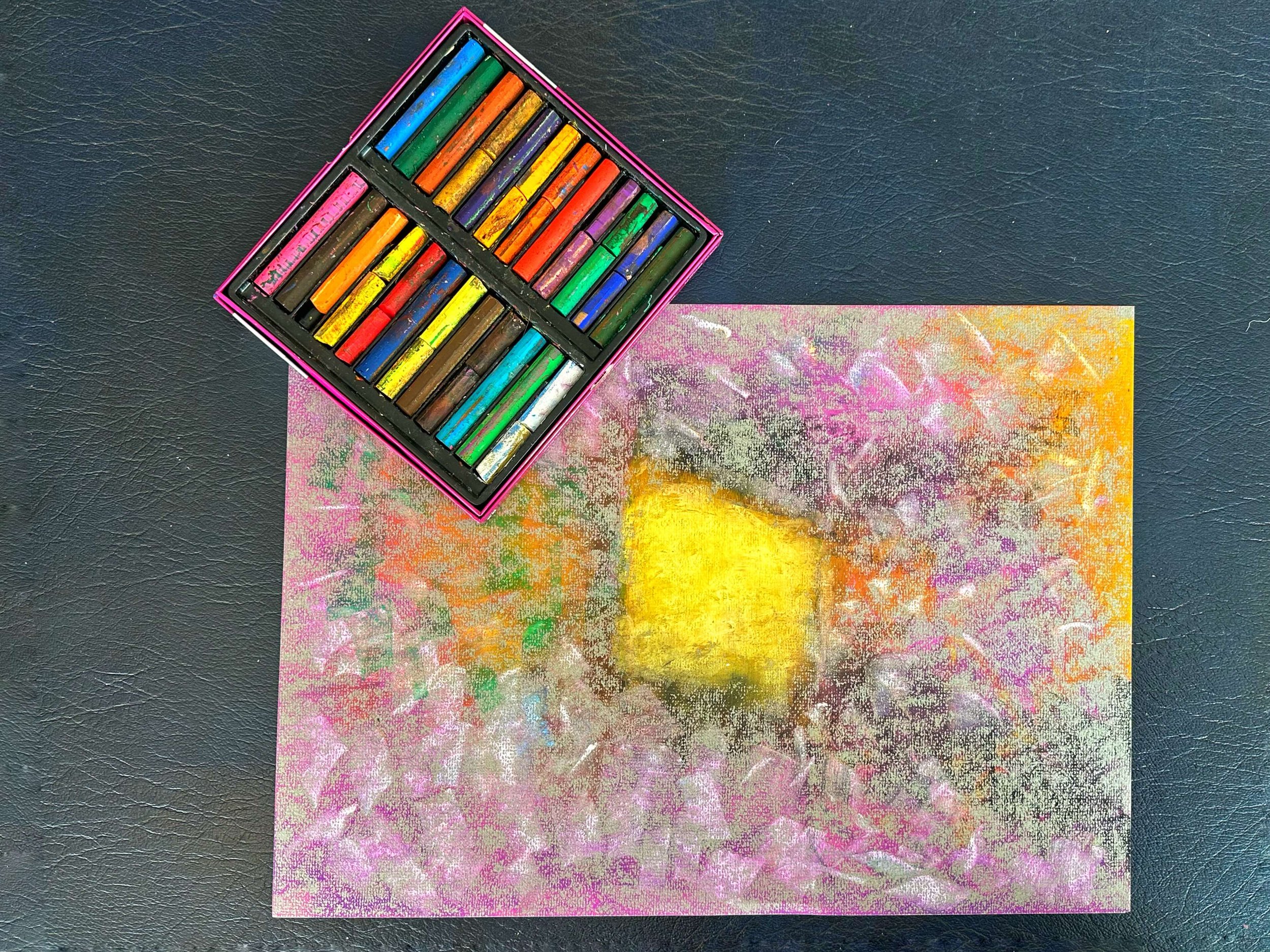
Materials suggest possibilities. A marker marks, a pencil pencils, a pen pens. A brush brushes, an eraser erases, a knife knifes! Hal-le-lu-jah! Red reds, green greens, blue blues. And they mix. I was in the middle of a creative initiative when the blue whispered something: “Purrrrrrrple.” I wasn’t afraid. Colors are forever whispering, singing, shouting. Blue was being perfectly reasonable; blue wanted to dance with pink, blue wanted to meld with pink. To the extent that I can, I’m at the beck and call of the colors, the brushes, the pencils, the papers.
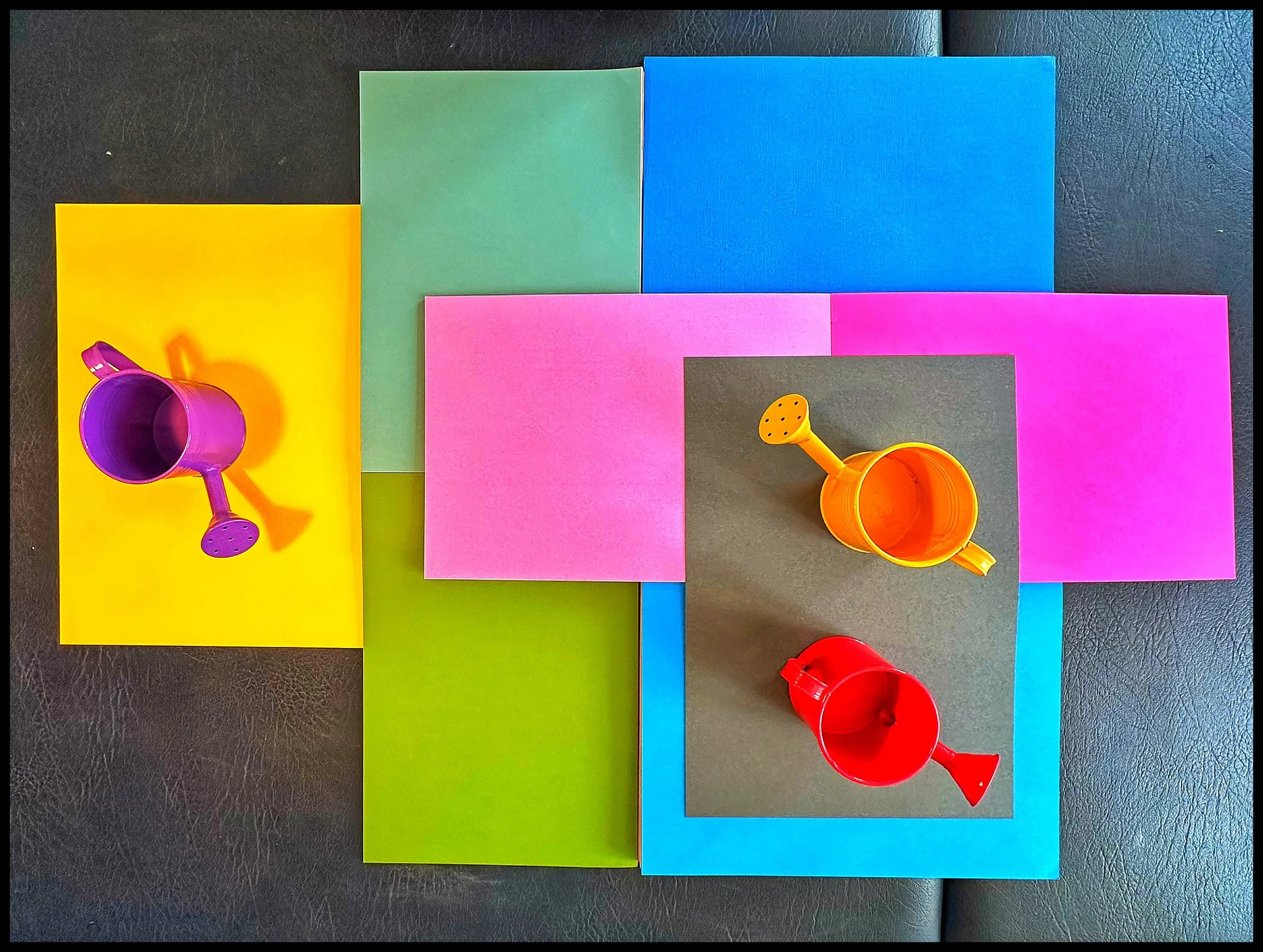
I’ve long had some trouble with Scotch tape, that sticky thing wrapped in a sharp-toothed dispenser. I felt that they—the tape and the teeth and the dispenser—were out to get me. They ganged up on me. They just loved making a fool of me, laughing when I pulled the sticky thing all wrong and cut it all wrong and put it down all wrong. I finally thought I’d grapple with the material. I took a sheet of black paper and some Scotch tape in its spirally plastic case, and I started pulling two or three centimeters out, then cutting it, then laying it on the black paper, using a smooth steady rhythm and smooth steady motions. You know what I learned, don’t you? My enemies had always wanted to be my friends. I was the problem, they were the solution.
A sheet of paper can be fine or rough, thick or thin, large or small. Paper is charged with material qualities—again, not only the physical qualities of the material but the creative potentialities of the material. You wouldn’t write a note of condolence on a Post-it, would you? It’d be materially inappropriate. A university diploma lacks authority if it’s printed on cheap paper. Look around your home, and you might be surprised at the amount of paper and the varieties of paper surrounding you. Office paper, wrapping paper, toilet paper; books, magazines, pamphlets; ordinary paper, wonderful paper. Actually, paper is never ordinary to the observant eye and hand and finger. Paper is amazing, and it’s amazing that paper exists.
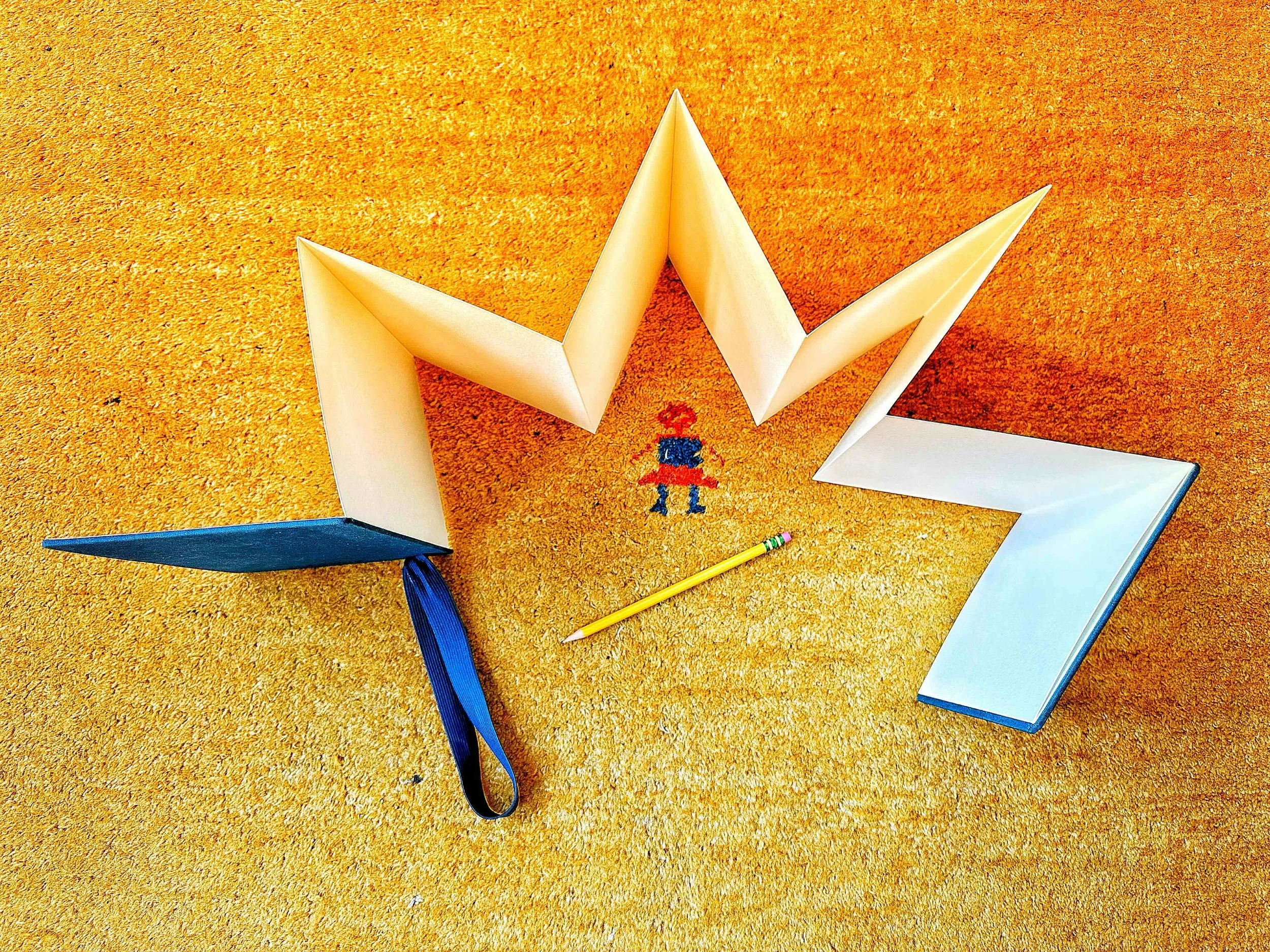
To make a drawing, I choose a sheet of paper, or I listen to a call from a stack of varied papers: “Pedro, pick me. I want to show you something.” Size, texture, color; there are many shades of white, of cream, of off-white. Colored paper, black paper. Square, rectangular. “Pedro, listen.” And the sheet asserts itself, offering its materiality to me as a gesture of friendship and love.
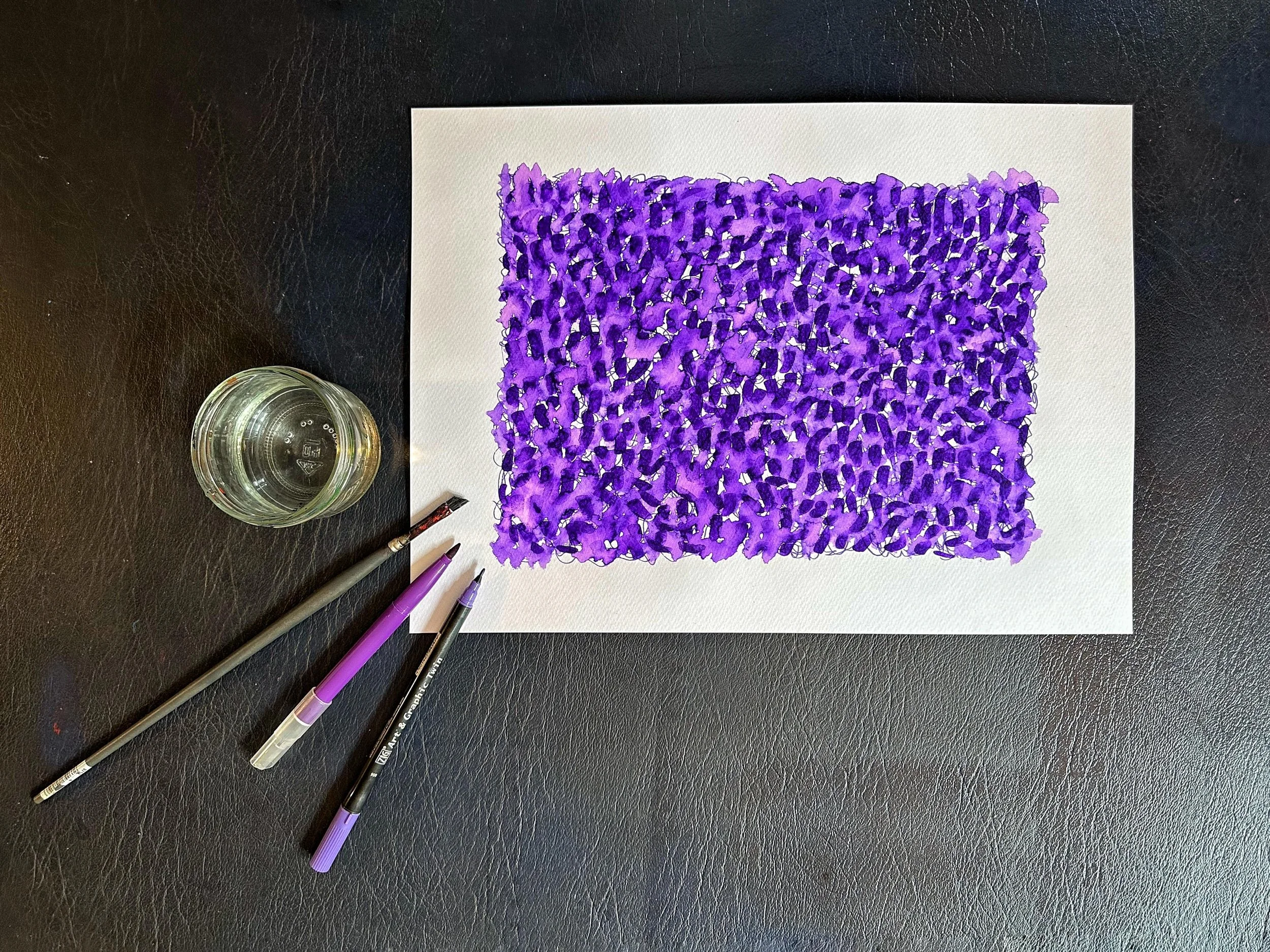
A specific sheet of paper invites a specific tool—let’s say a brush pen. A drawing is a record of their dancing dialogue. Where’s my agency in all of that? It’s quite paradoxical. I made the drawing; the drawing made itself. I chose the materials; the materials chose themselves. I was in charge; I was not in charge.
It’s a universal principle. No two pianists, for instance, play in the exact same way. You can see and hear it. Some pianists are addicted to being in charge and end up overwhelming their materials and their tools. The piano suffers, the composition suffers, the beating heart of music suffers. Disobedience and disconsolate dissonance leave their unsightly scars on the membrane of goodness.
Pay attention to the material. No, venerate the material, the matter, the mother! And become the loving and loved child of the Venerable Material.
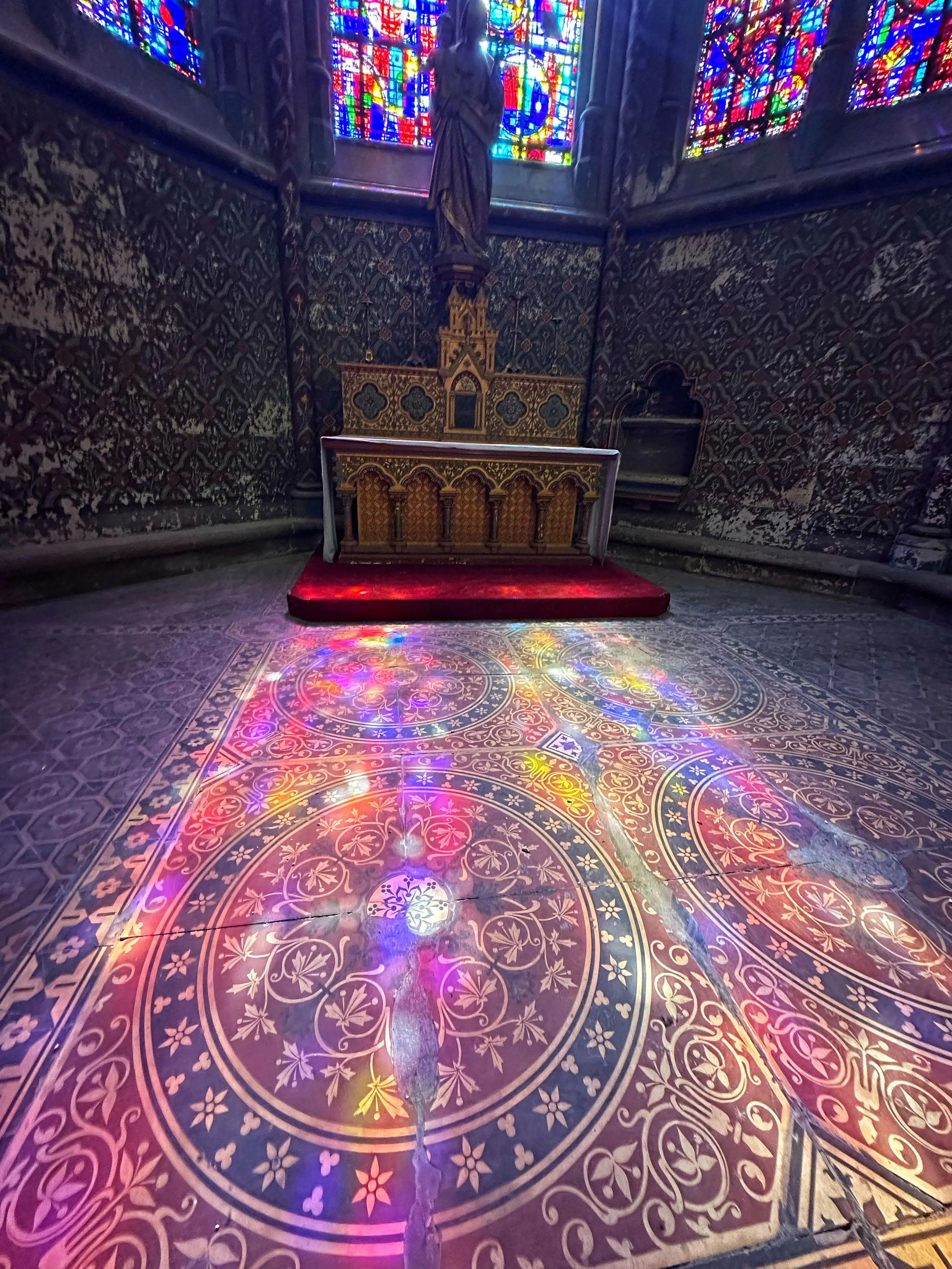
The Beauvais Cathedral.
©2026, Pedro de Alcântara