It’s an art to be completely alone. The word “alone” comes from a root that means “wholly oneself.” We can interpret these words (like all words) in many different ways. Let me just say that “alone” is pregnant with ambiguities that aren’t identical twins.
Ah, I apologize! Let me start again.
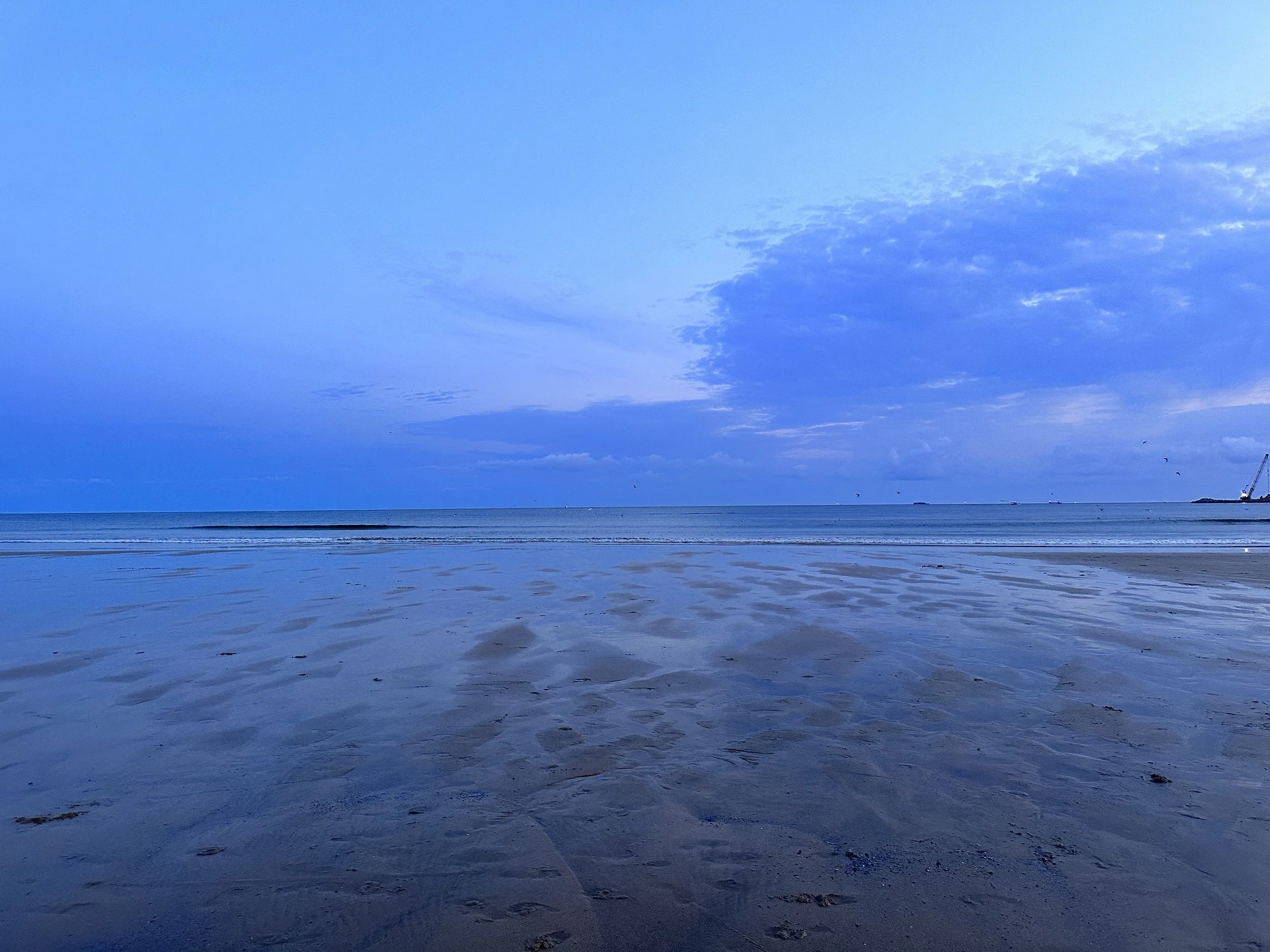
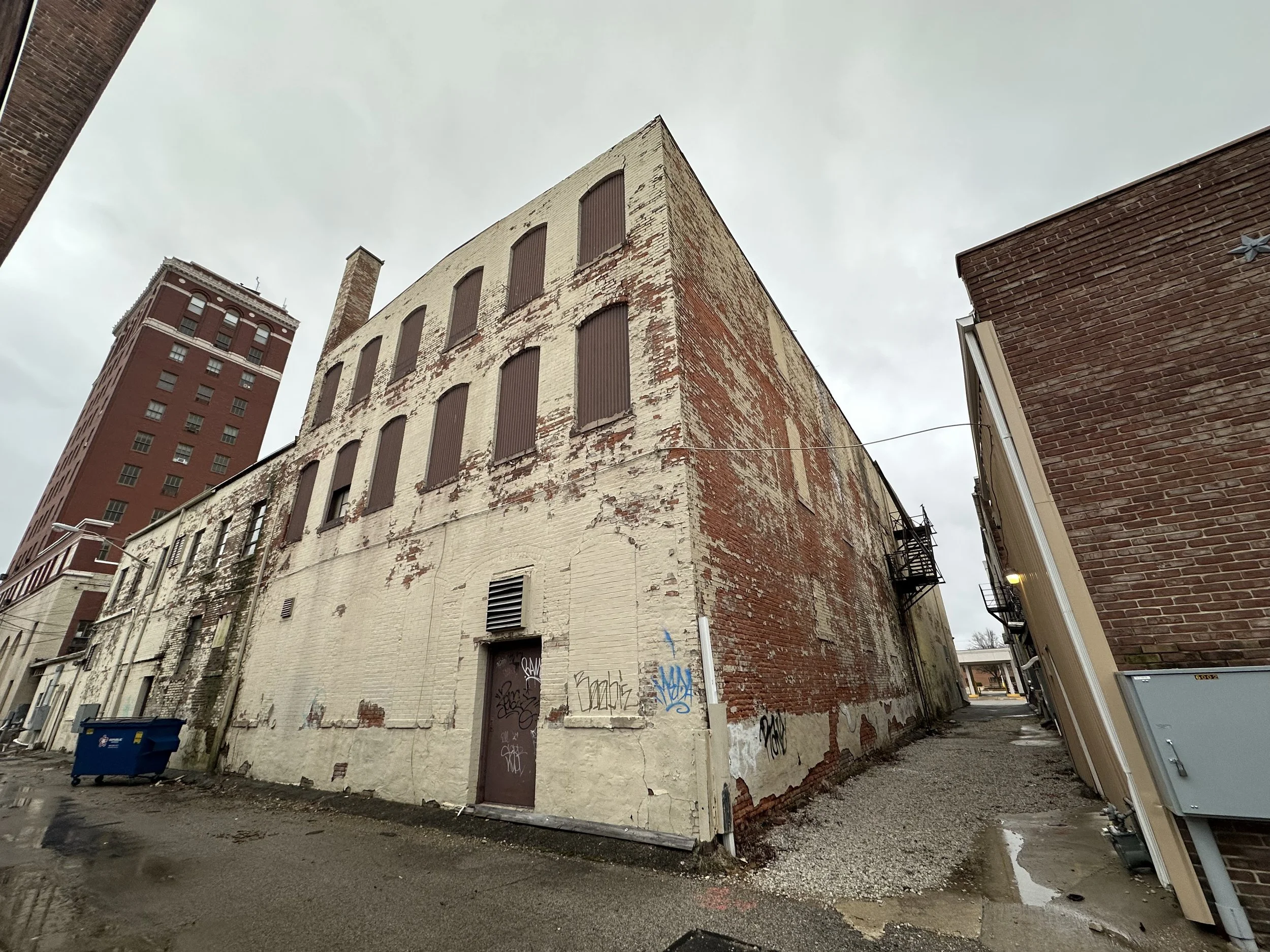
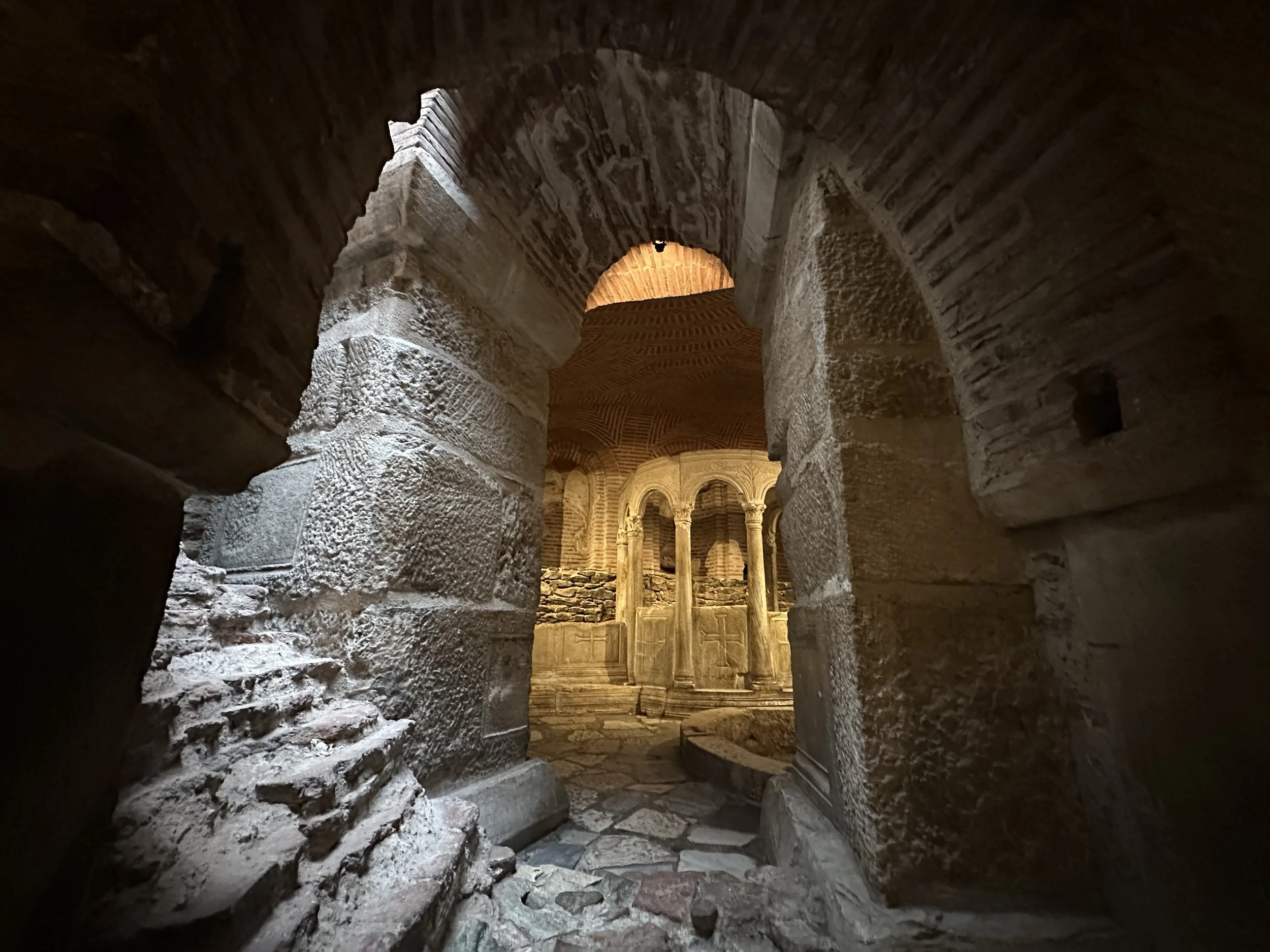
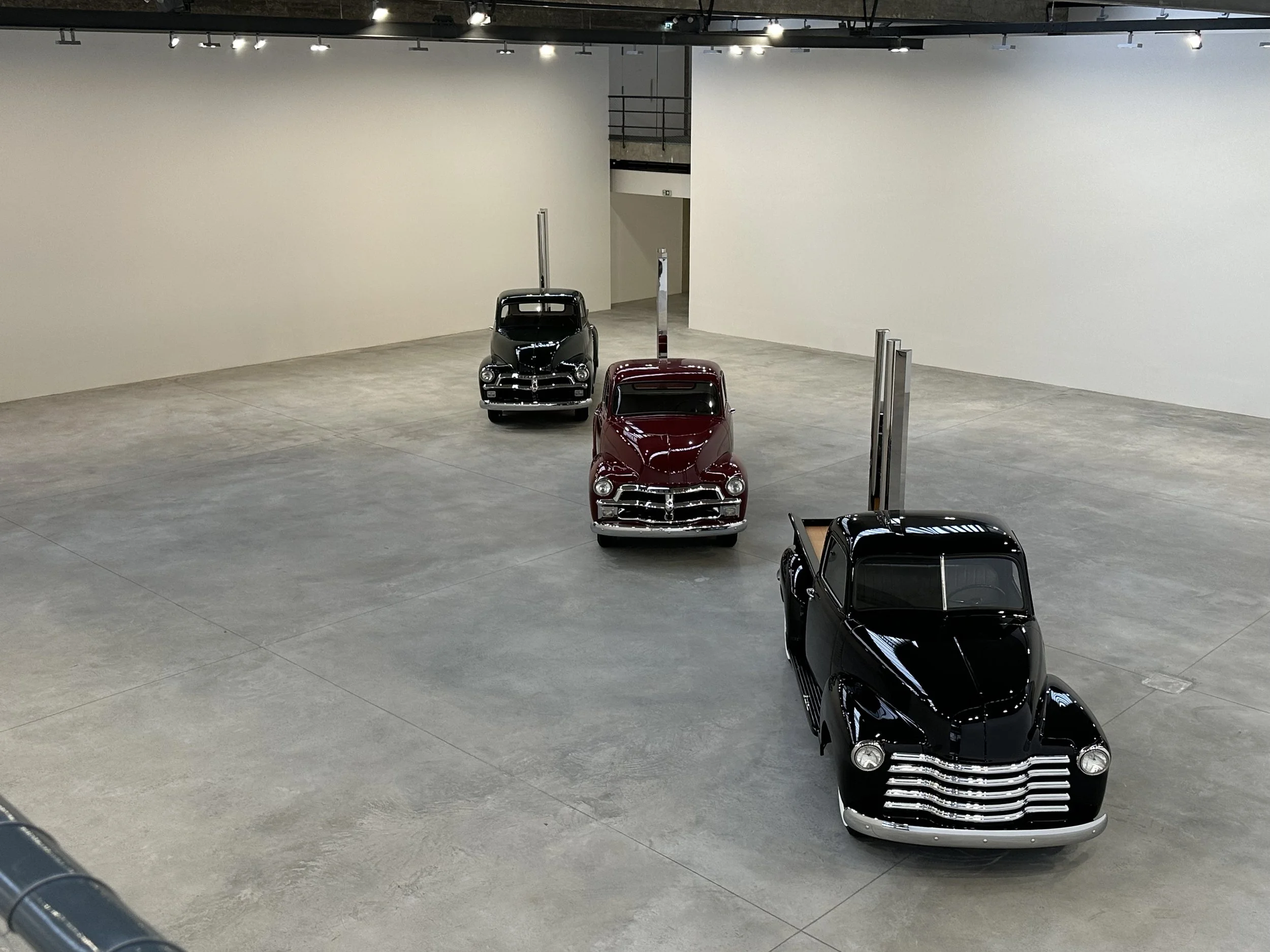
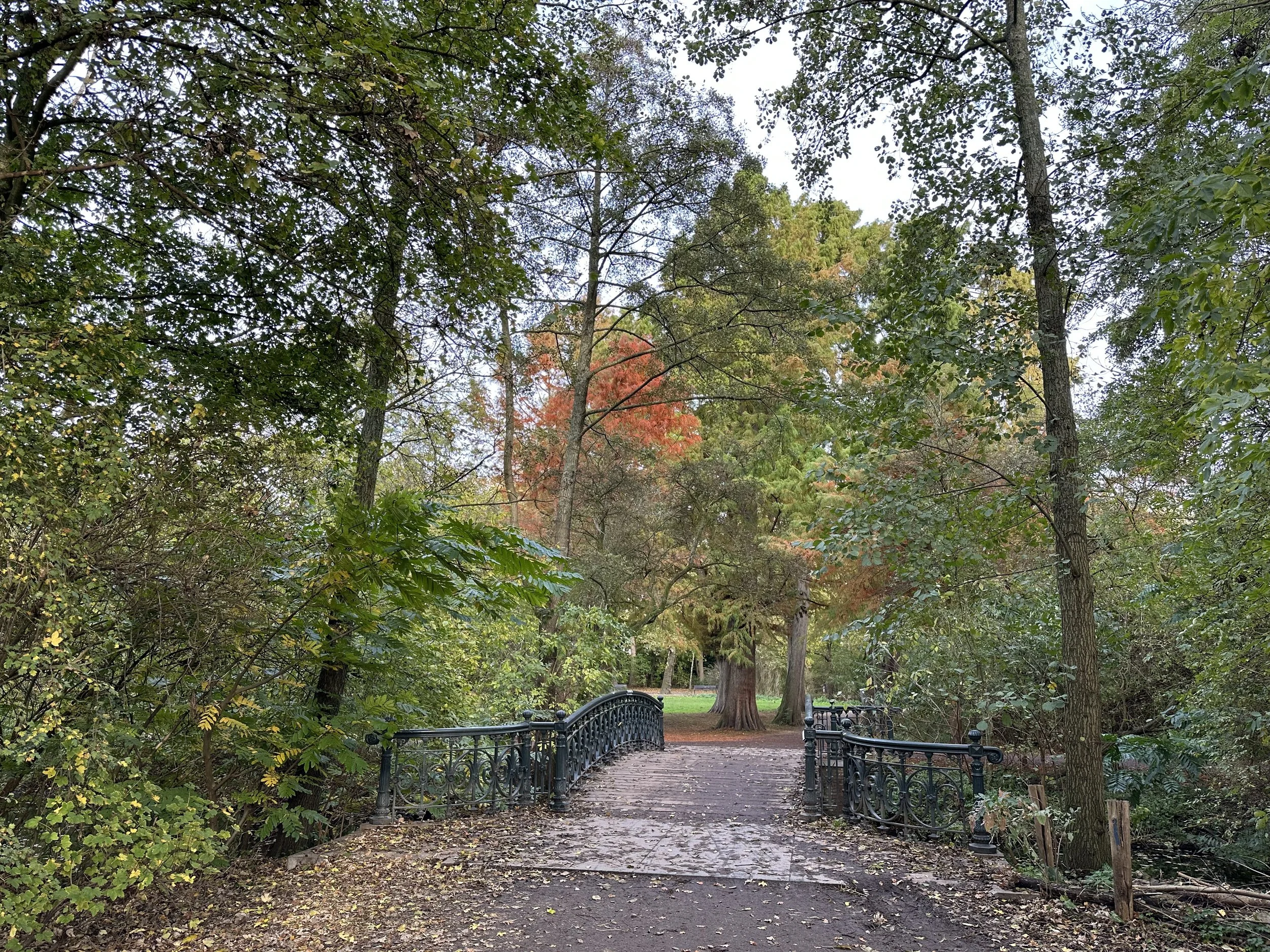
Over the years and decades, I’ve often found myself completely alone in public spaces: parks, plazas, subway cars, castles, museums, beaches. Many of these experiences have happened in places that are often thronged by tourists, although I’ve also had multiple experiences of being completely alone in alleyways, empty lots, or industrial wastelands.
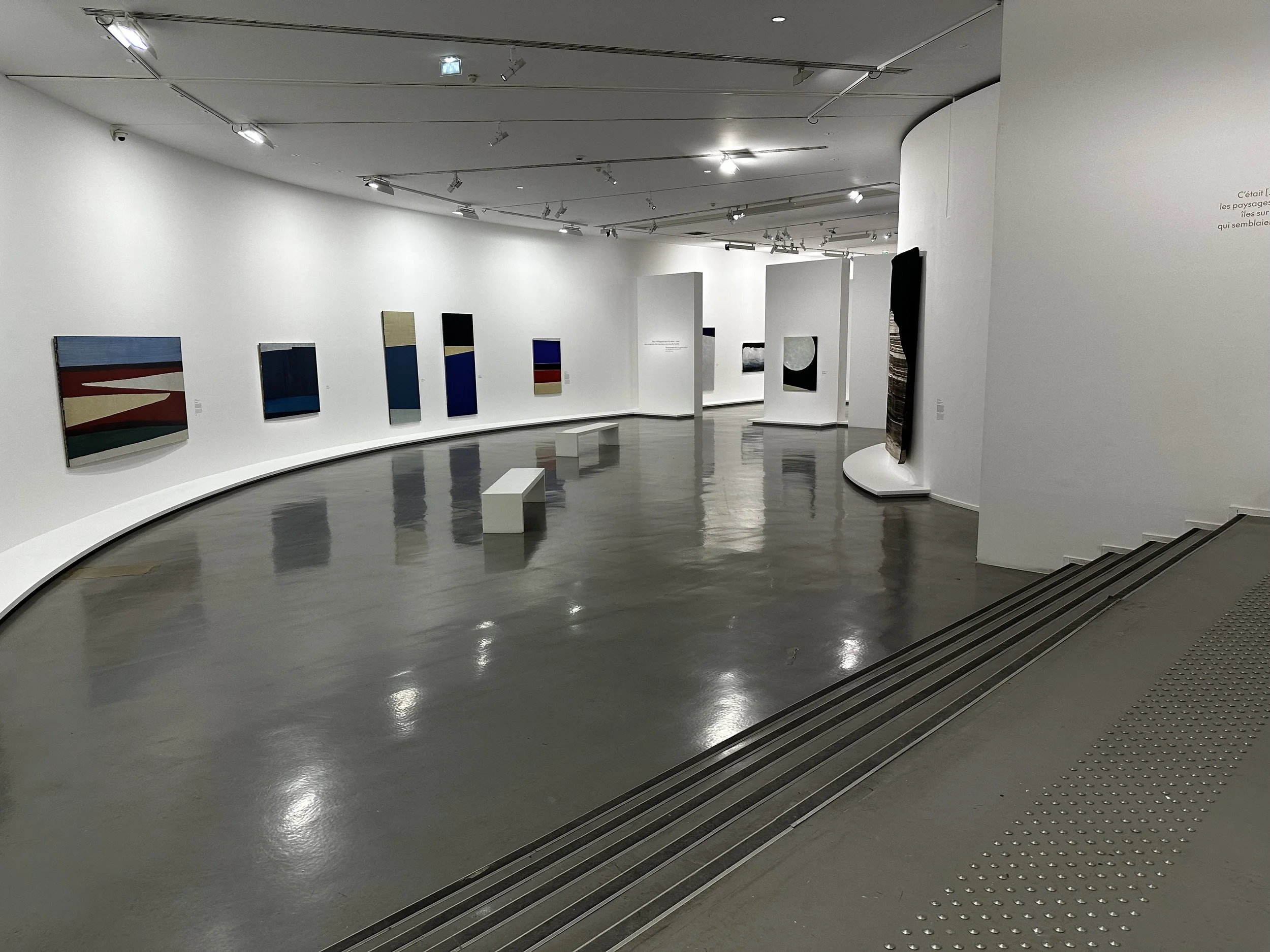
Avignon, in the south of France, has a fantastical history covering millennia. For a while in the 1300s it became the center of a political and religious fight, and the papacy settled there for a few decades. The Palais des Papes is huge, gigantic, enormous, and colossal—the biggest Gothic building in existence. It houses a museum which is also enormous. I went to visit it in winter, about 20 years ago. It was a chilly Monday morning, and for reasons that I can’t explain I found myself completely alone inside the museum. Even the guards disappeared. Gallery after gallery, corridors, stairs, art and artifacts, stained glass, tapestries: all mine, all mine, all mine; I owned the world; I was completely alone.
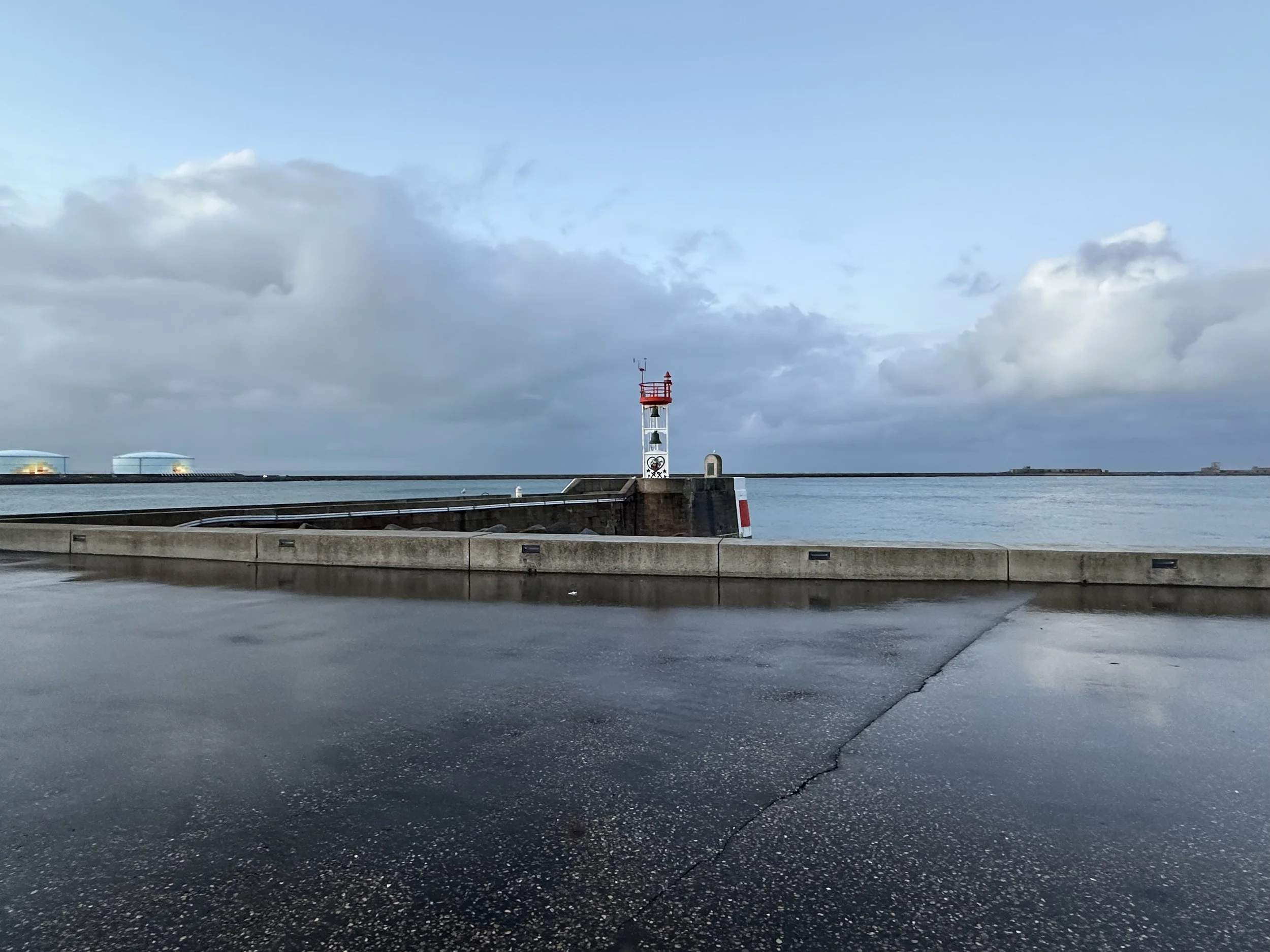
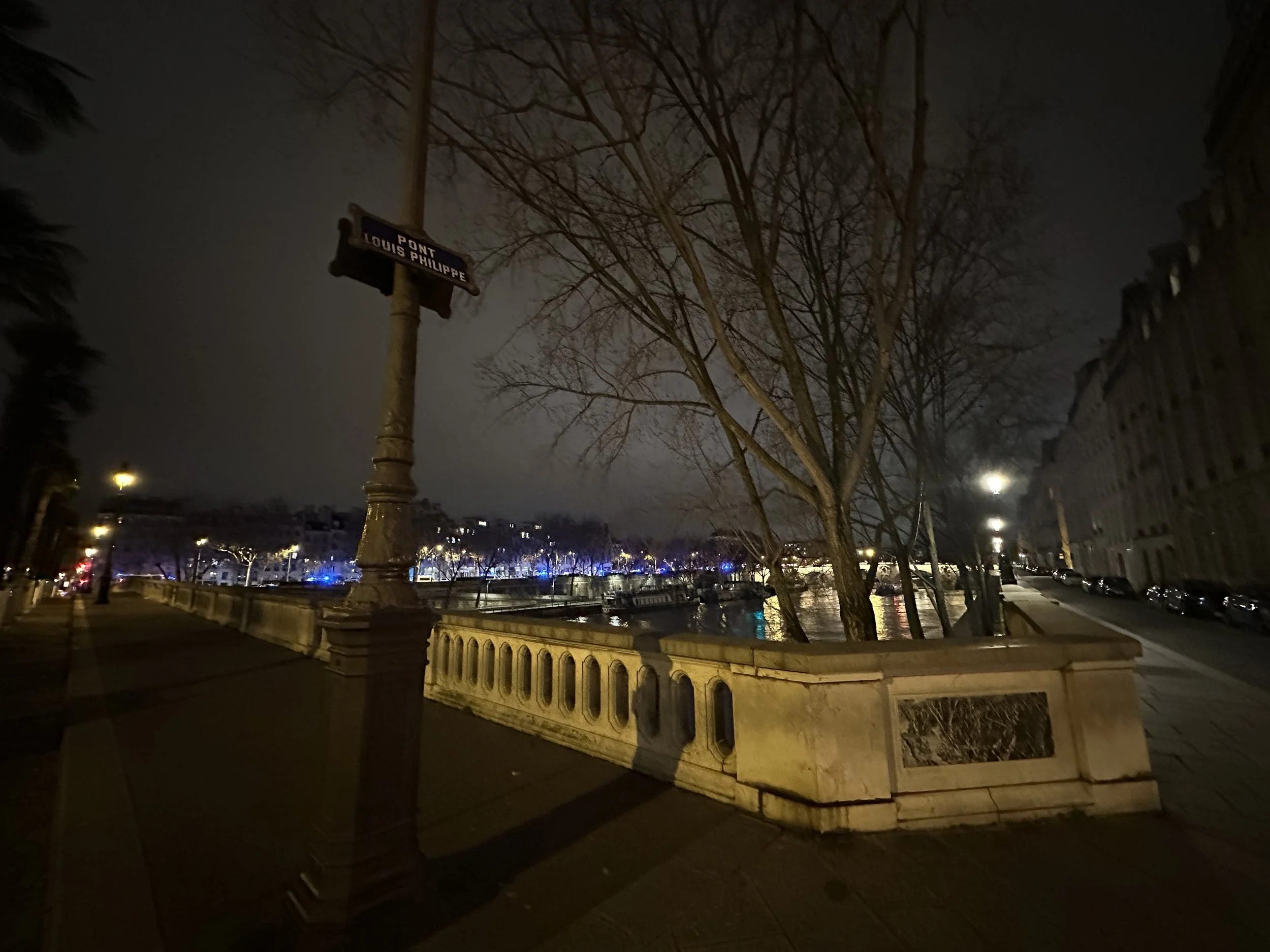
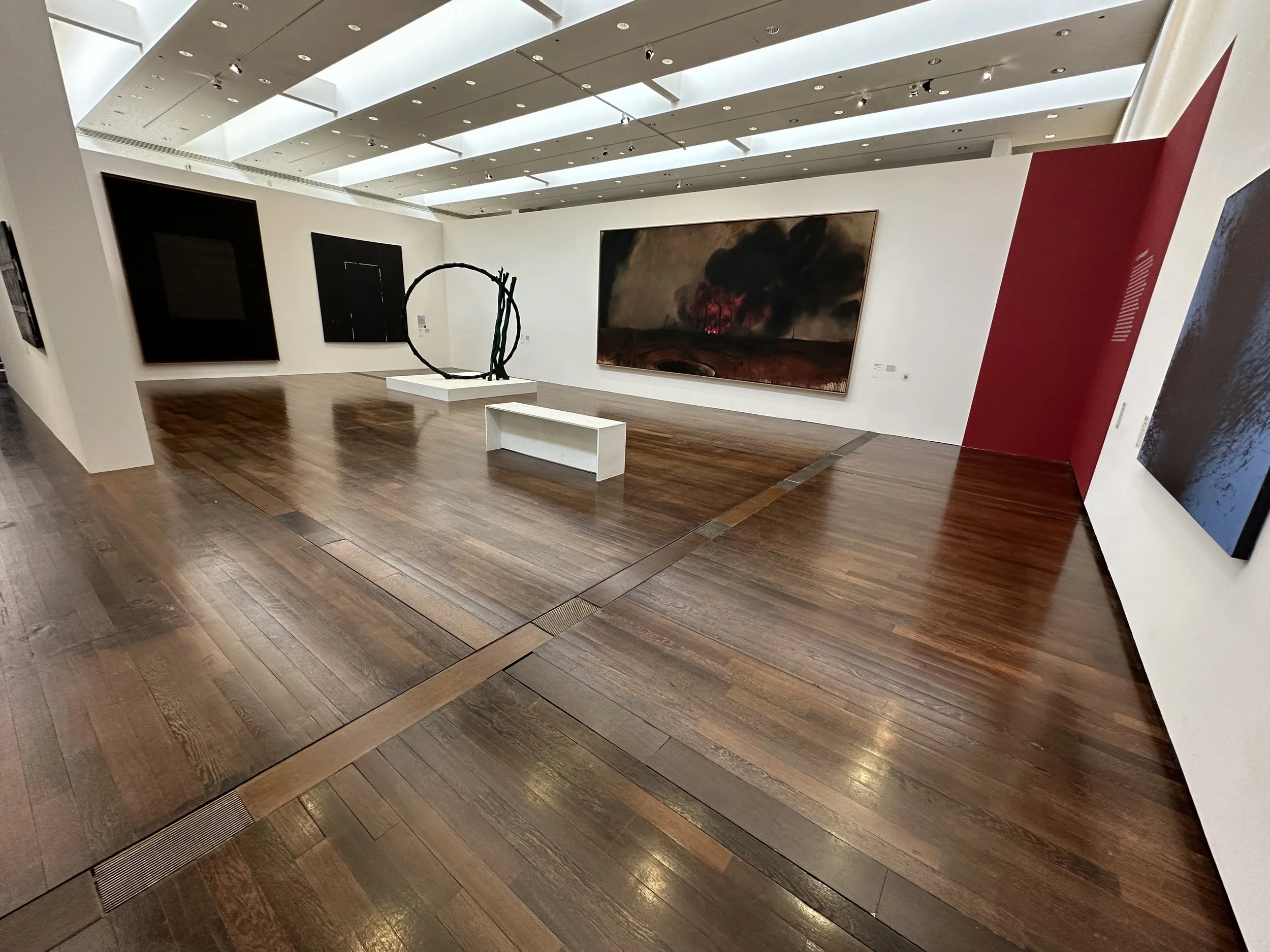
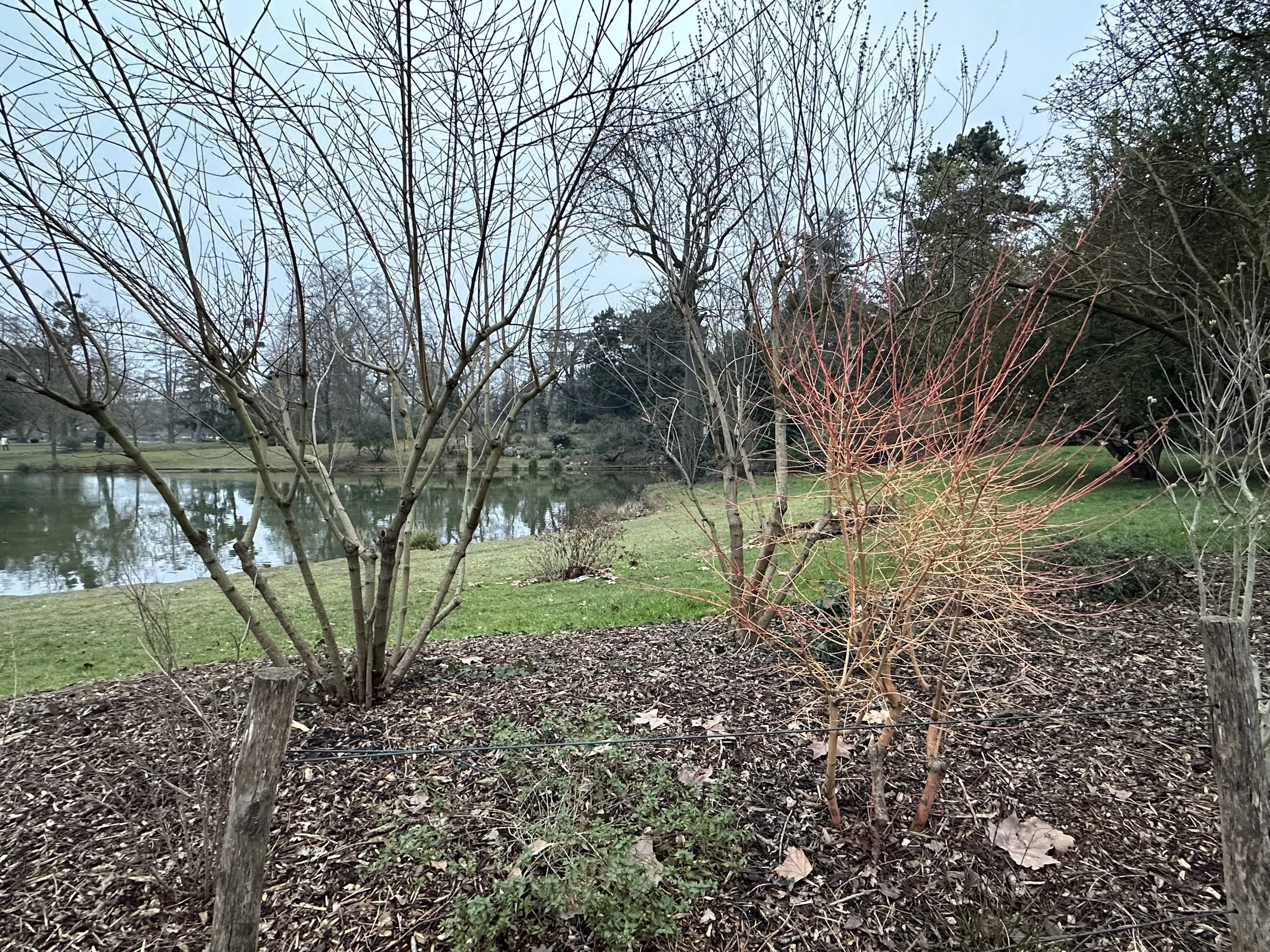
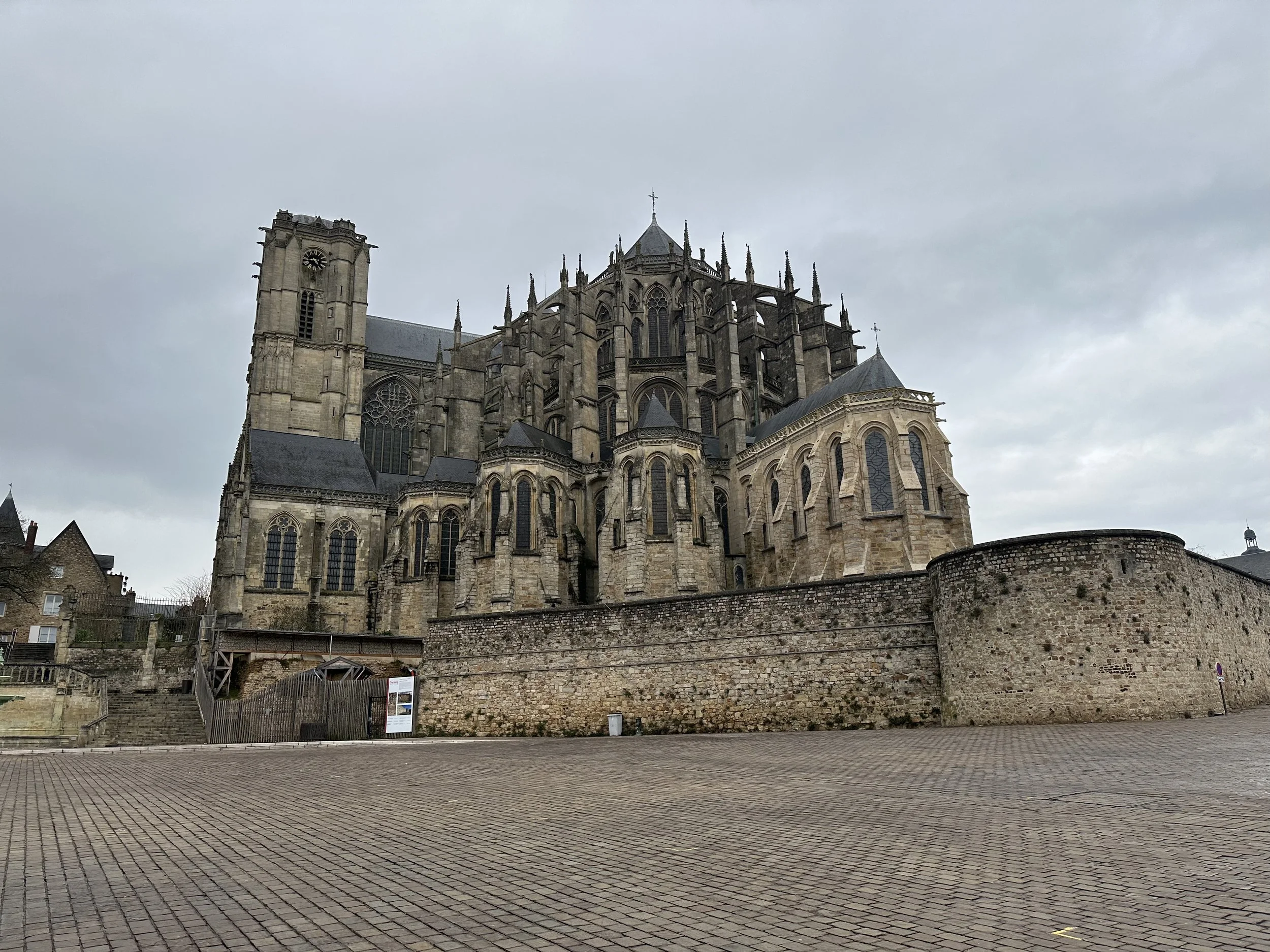
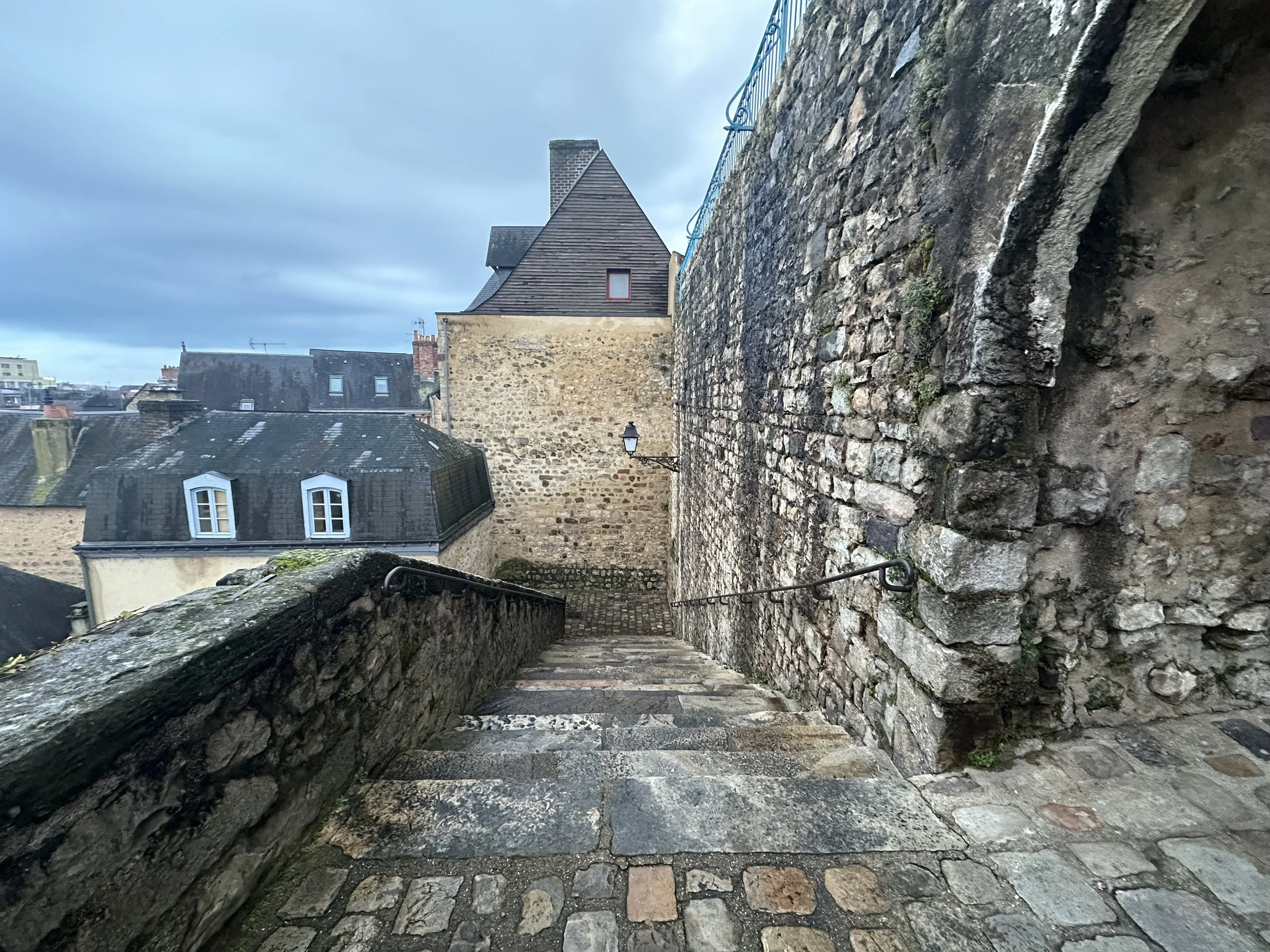
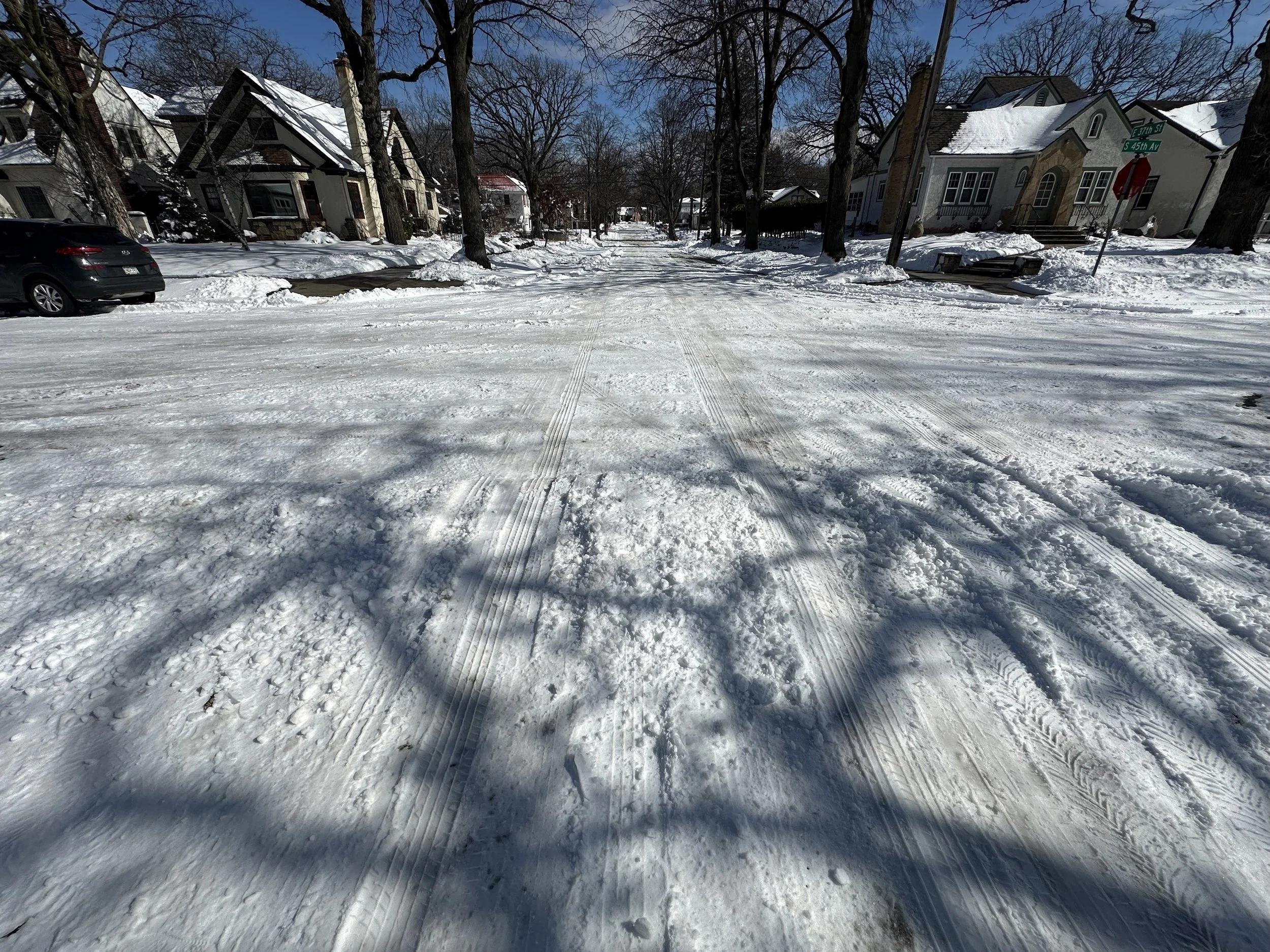
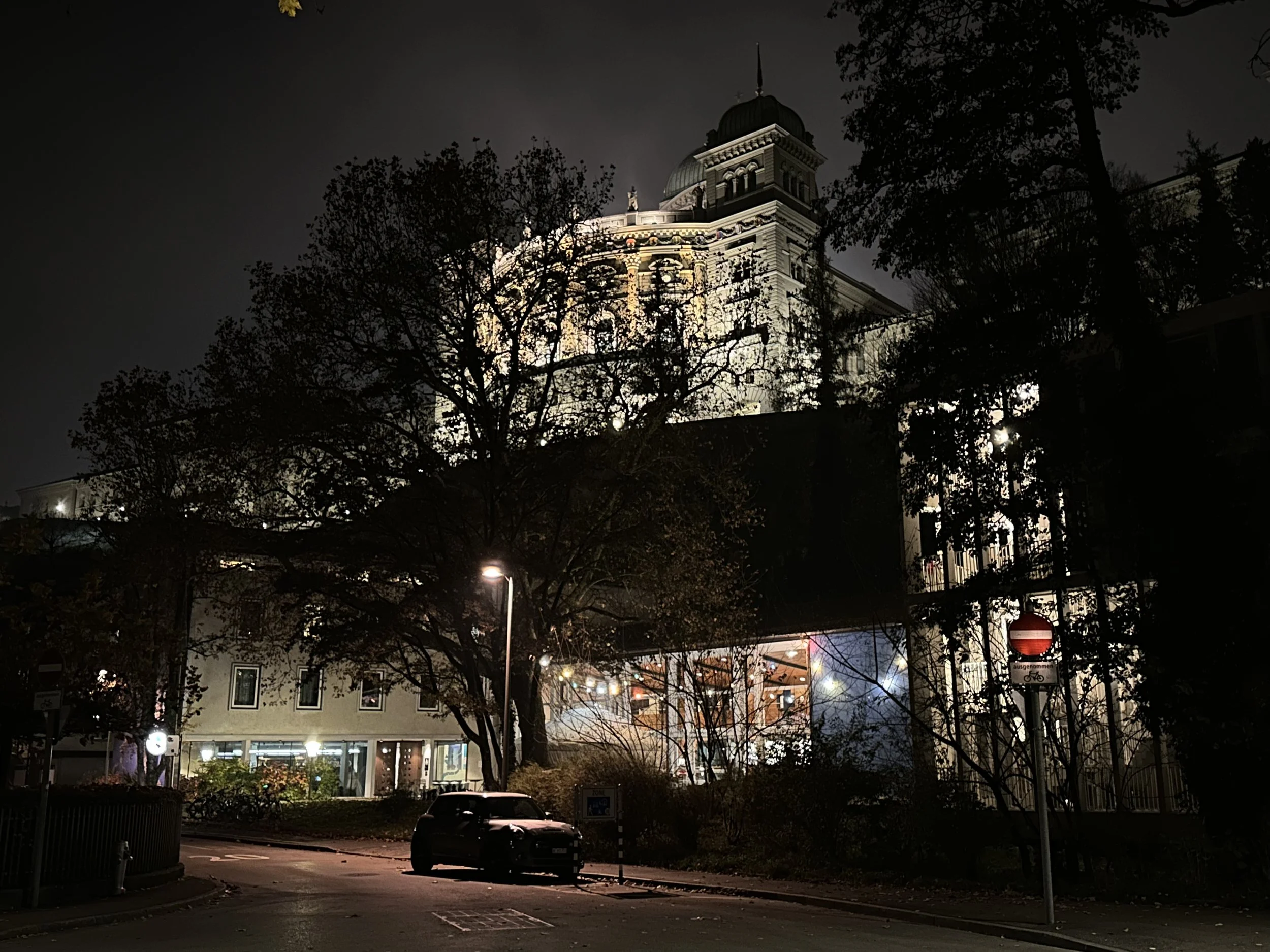
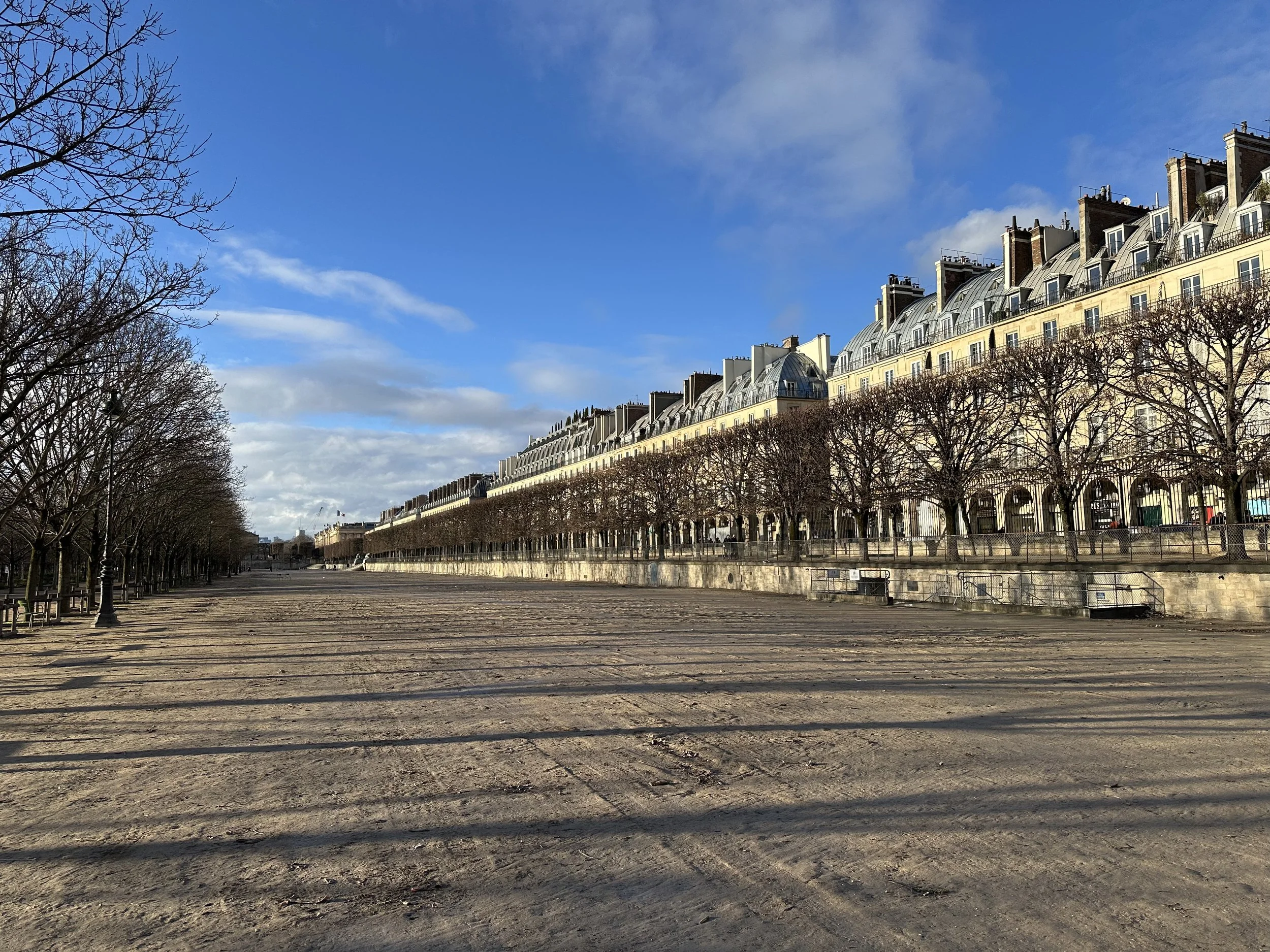
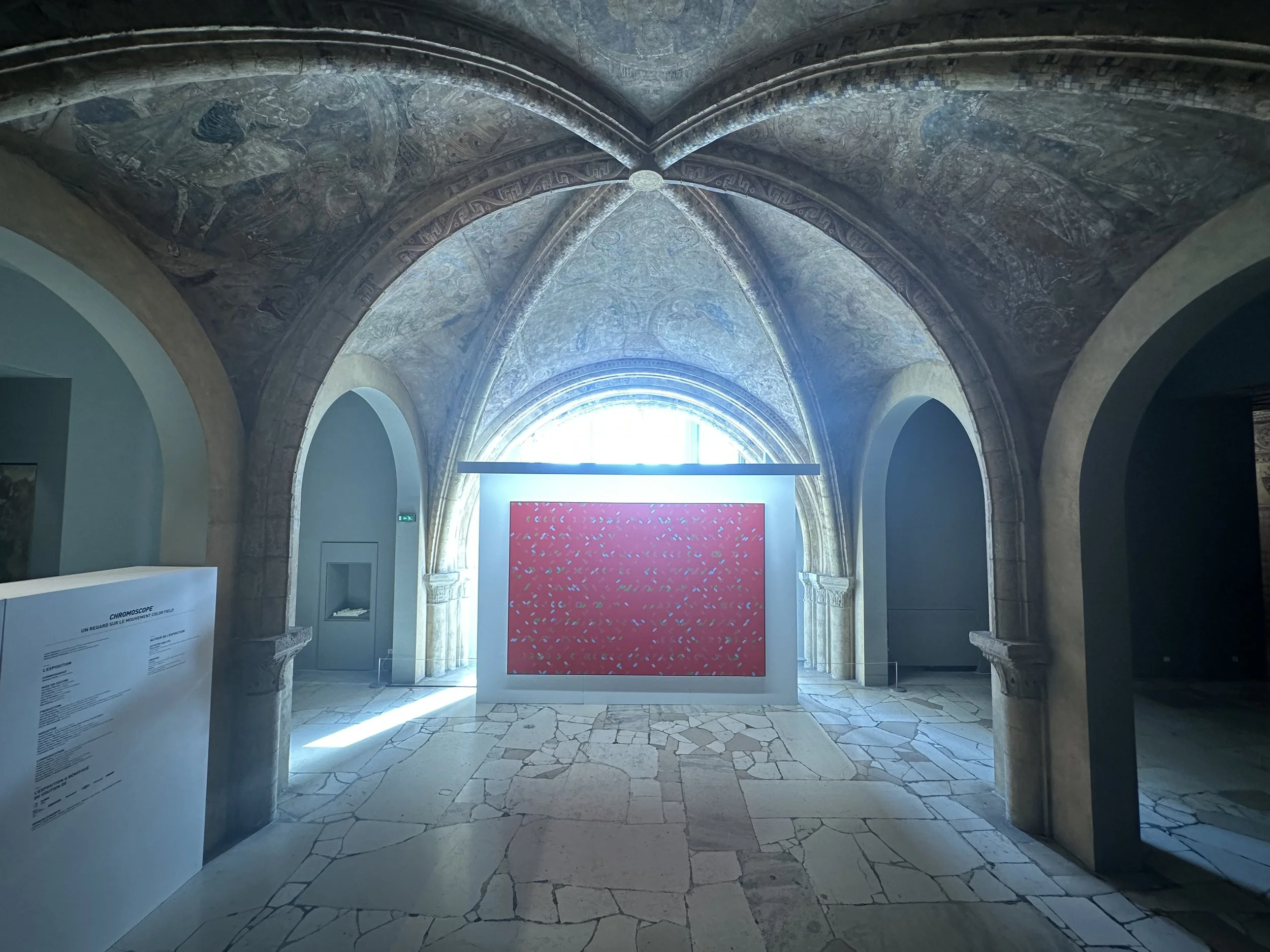
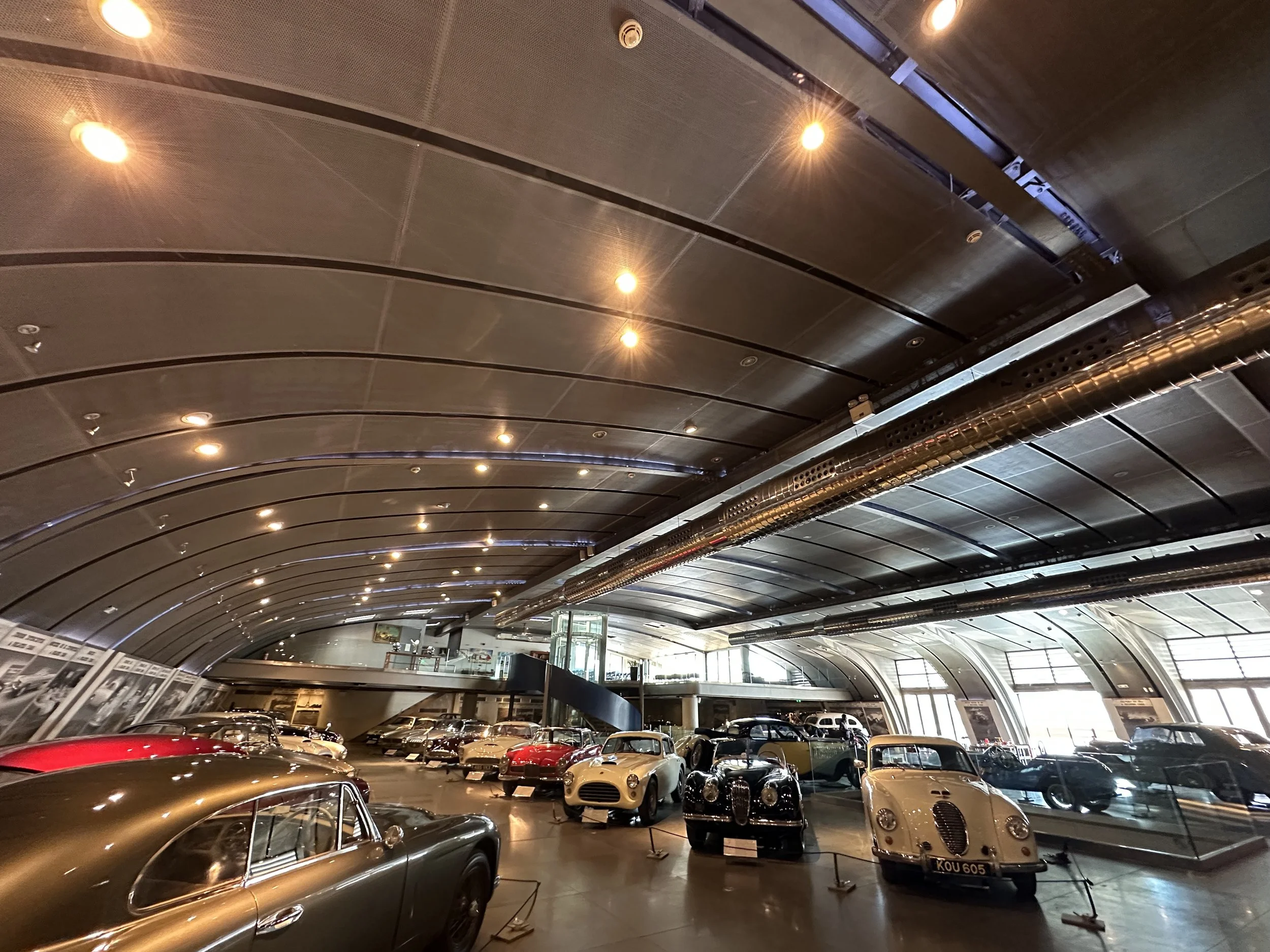
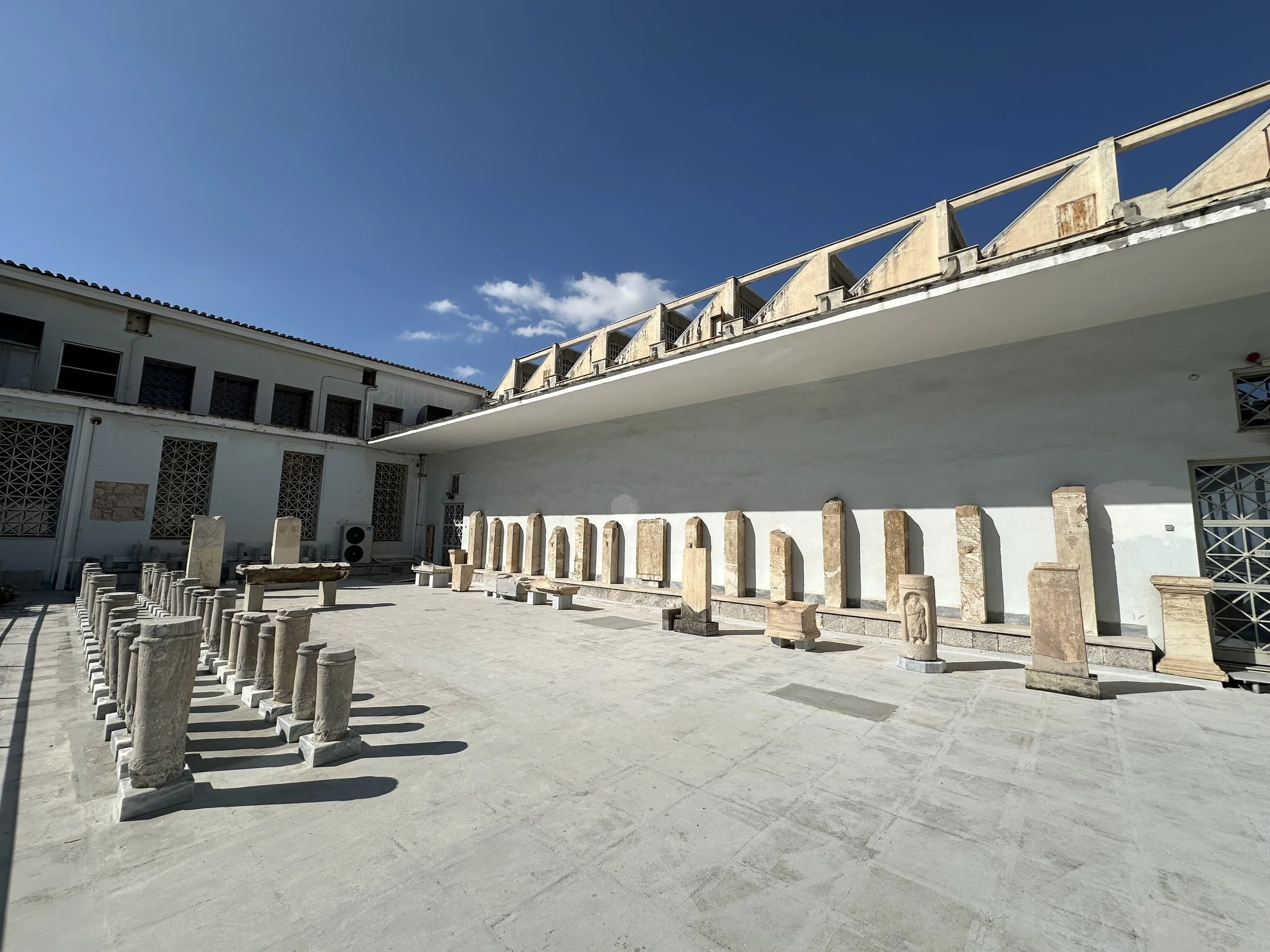
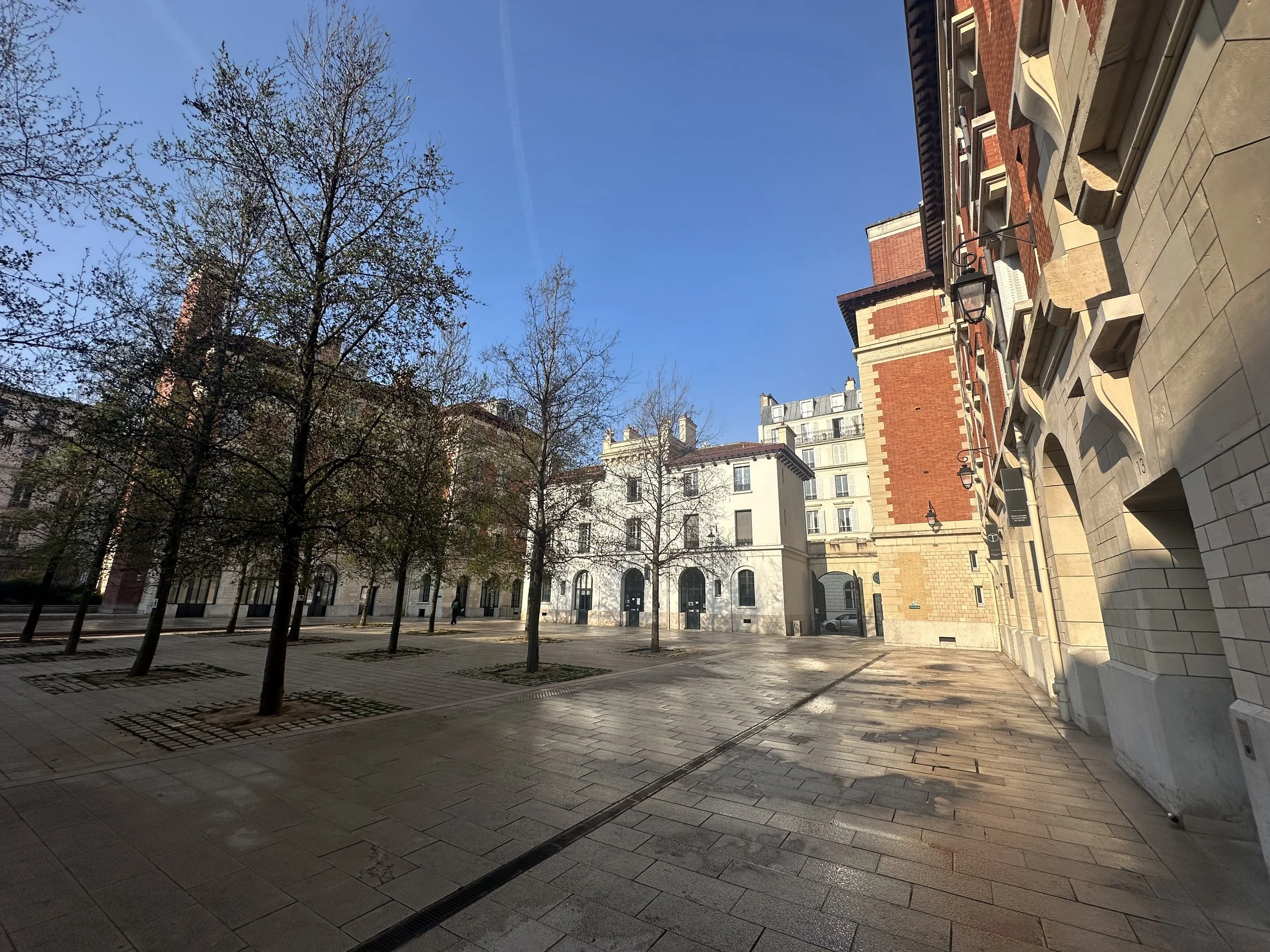
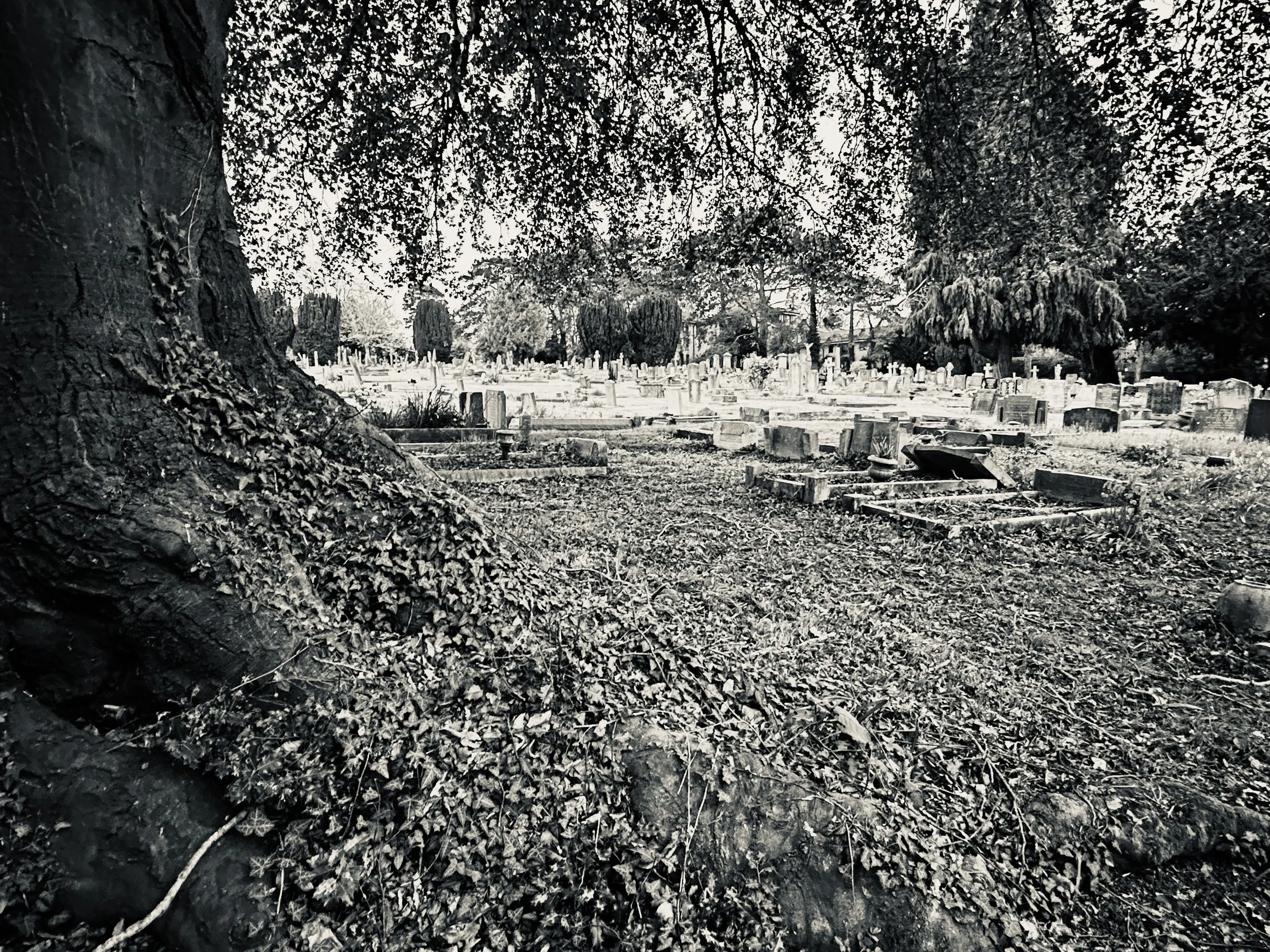
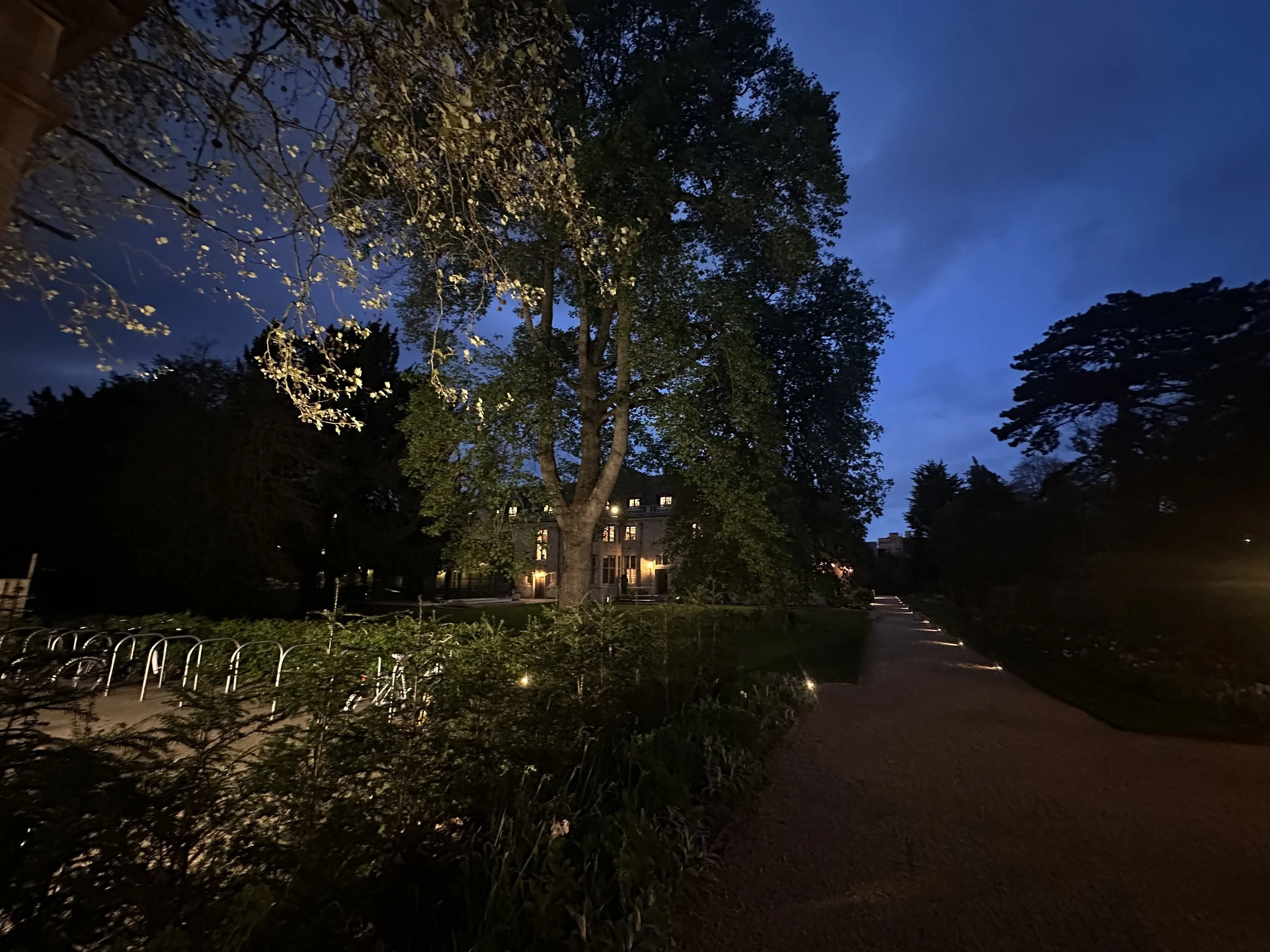
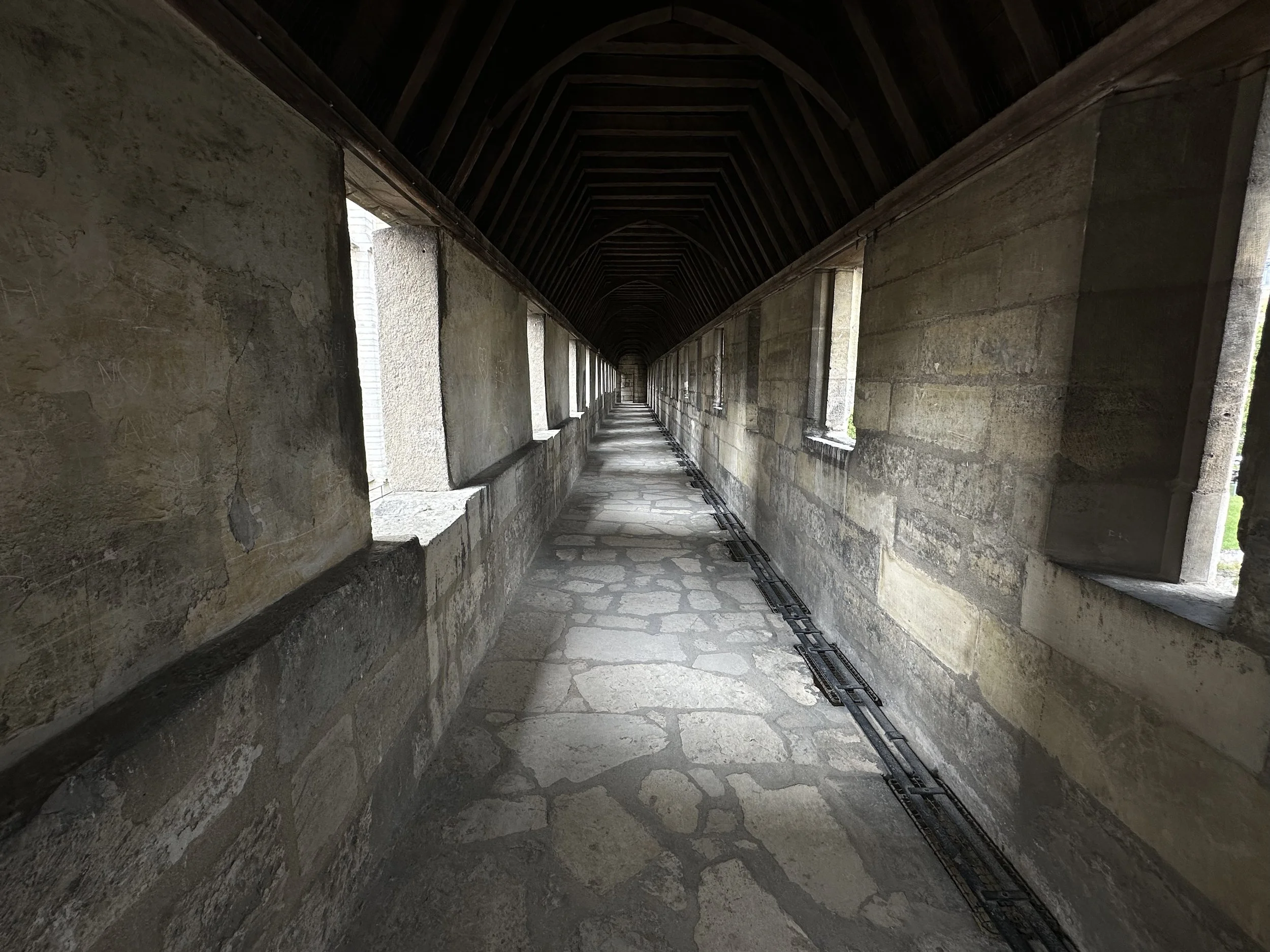
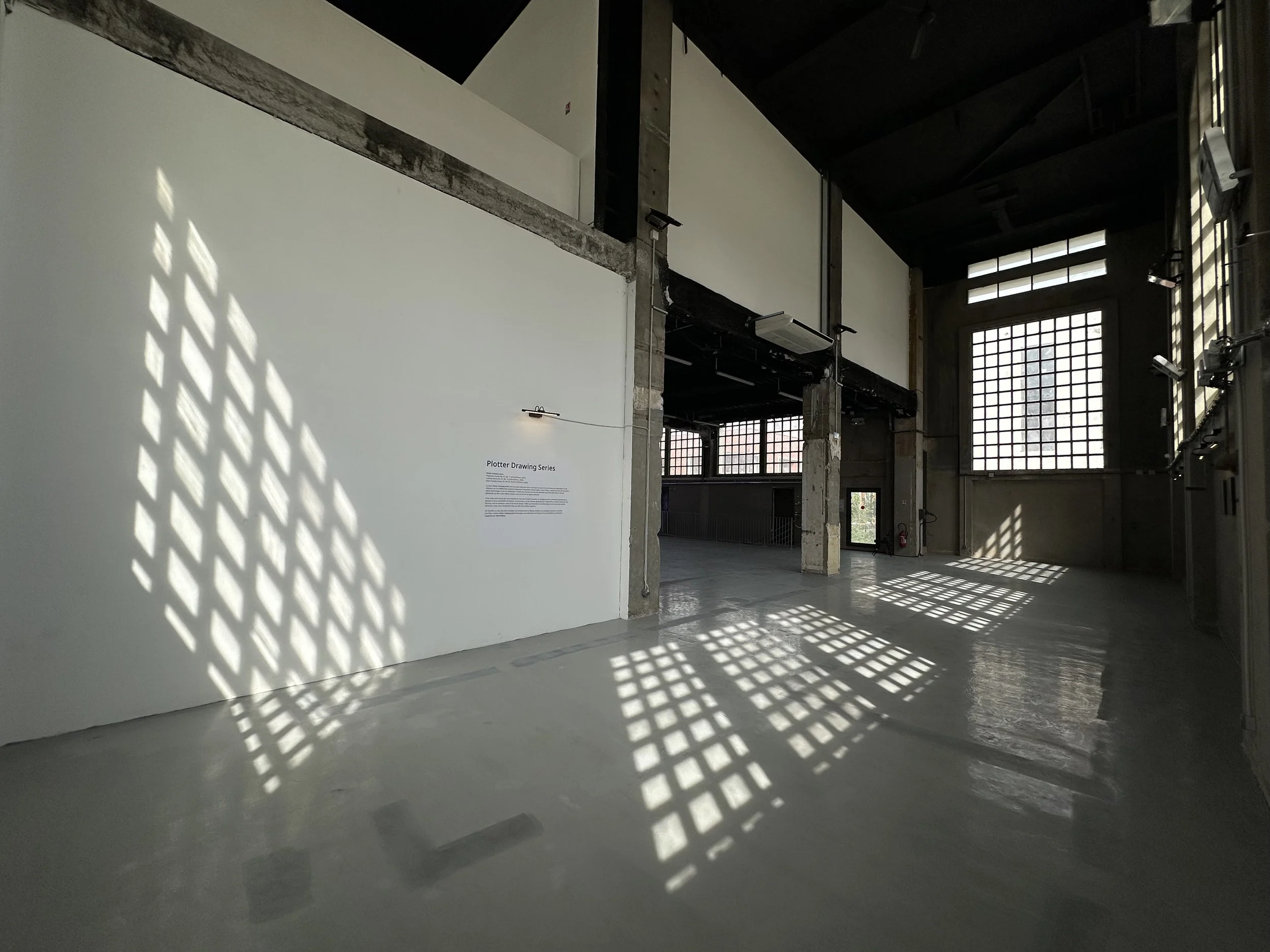
Would I have enjoyed someone’s company in this magical and marvelous setting? No; I needed to be completely alone; I needed to feel as if abandoned and imprisoned in an infinite maze; forces beyond my intellectual understanding wished that I be completely alone in the Palais des Papes; I needed to walk the corridors in a state of amazement; I needed to be amazed in the maze.
To be completely alone is a lesson, a meditation, a practice, a discipline.
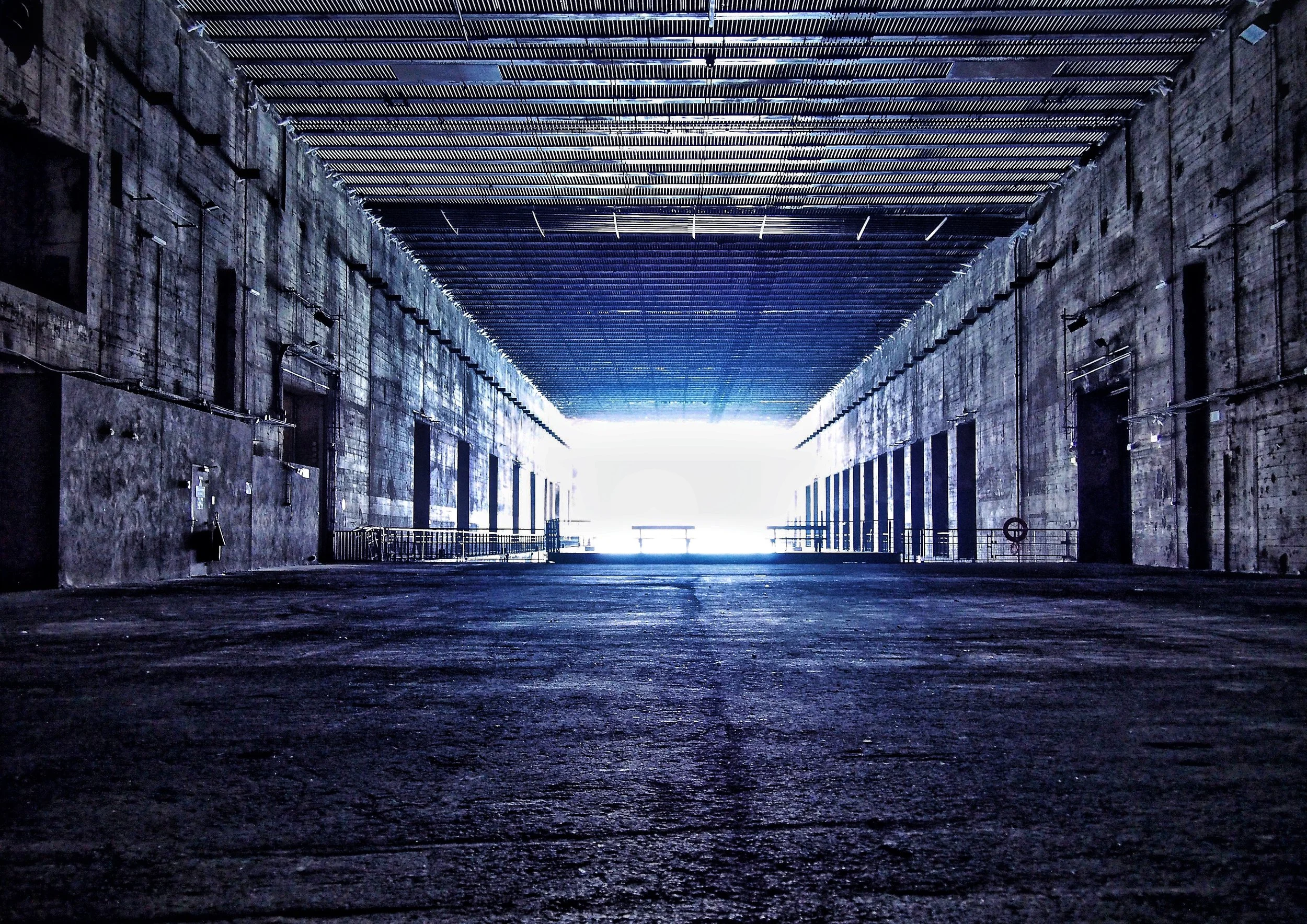
To some degree, you can optimize your chances of being completely alone in a public place, a museum, or a monument by going there in the off season, when statistics tell you that there are fewer tourists around. Go very early or very late. I’ve been to the Louvre at 9 AM, right when it opens, using a semi-secret entrance for members. I’d rush in and go to a specific gallery that doesn’t house the Mona Lisa. And I’d be completely alone for half an hour or more.
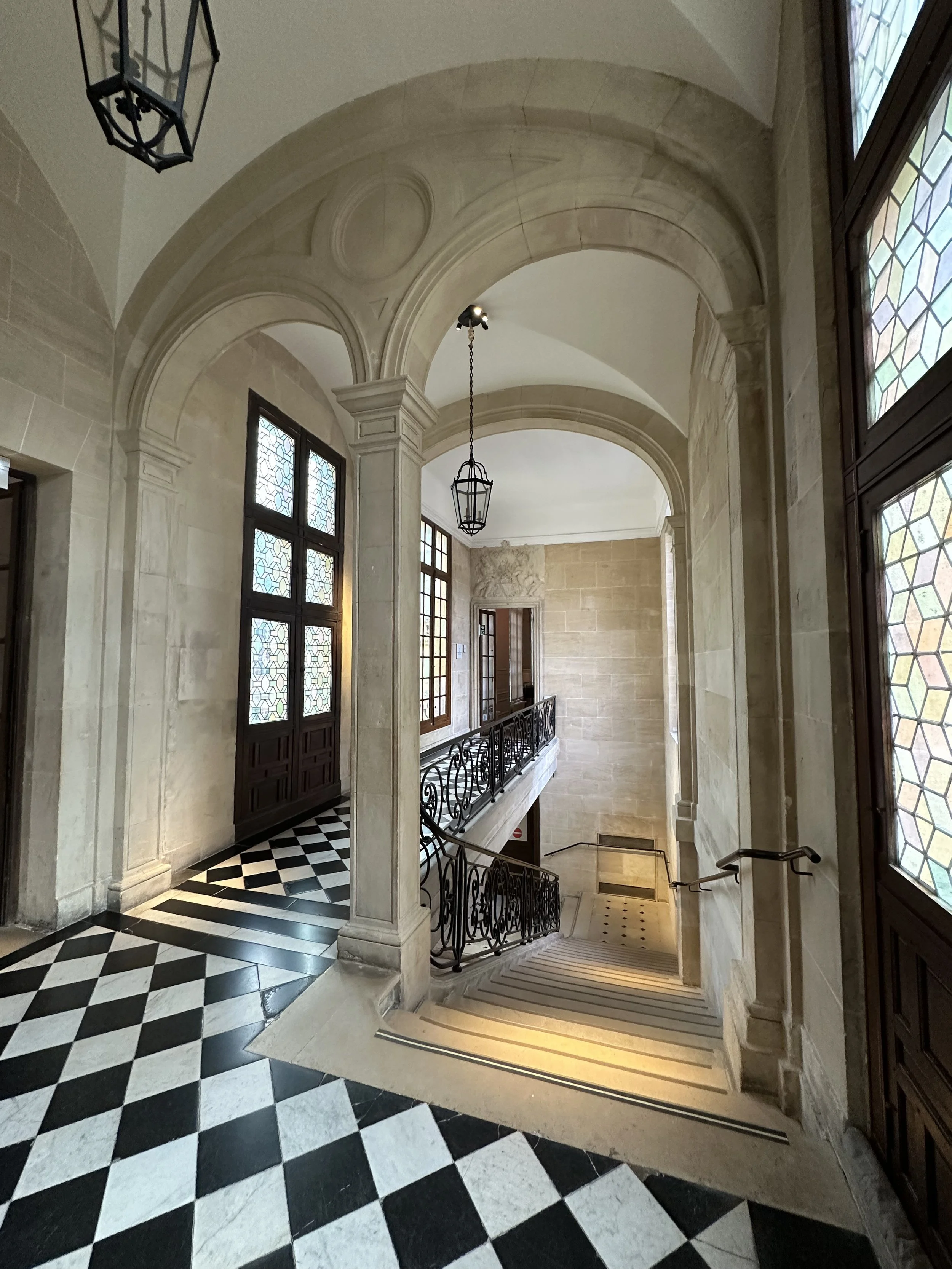
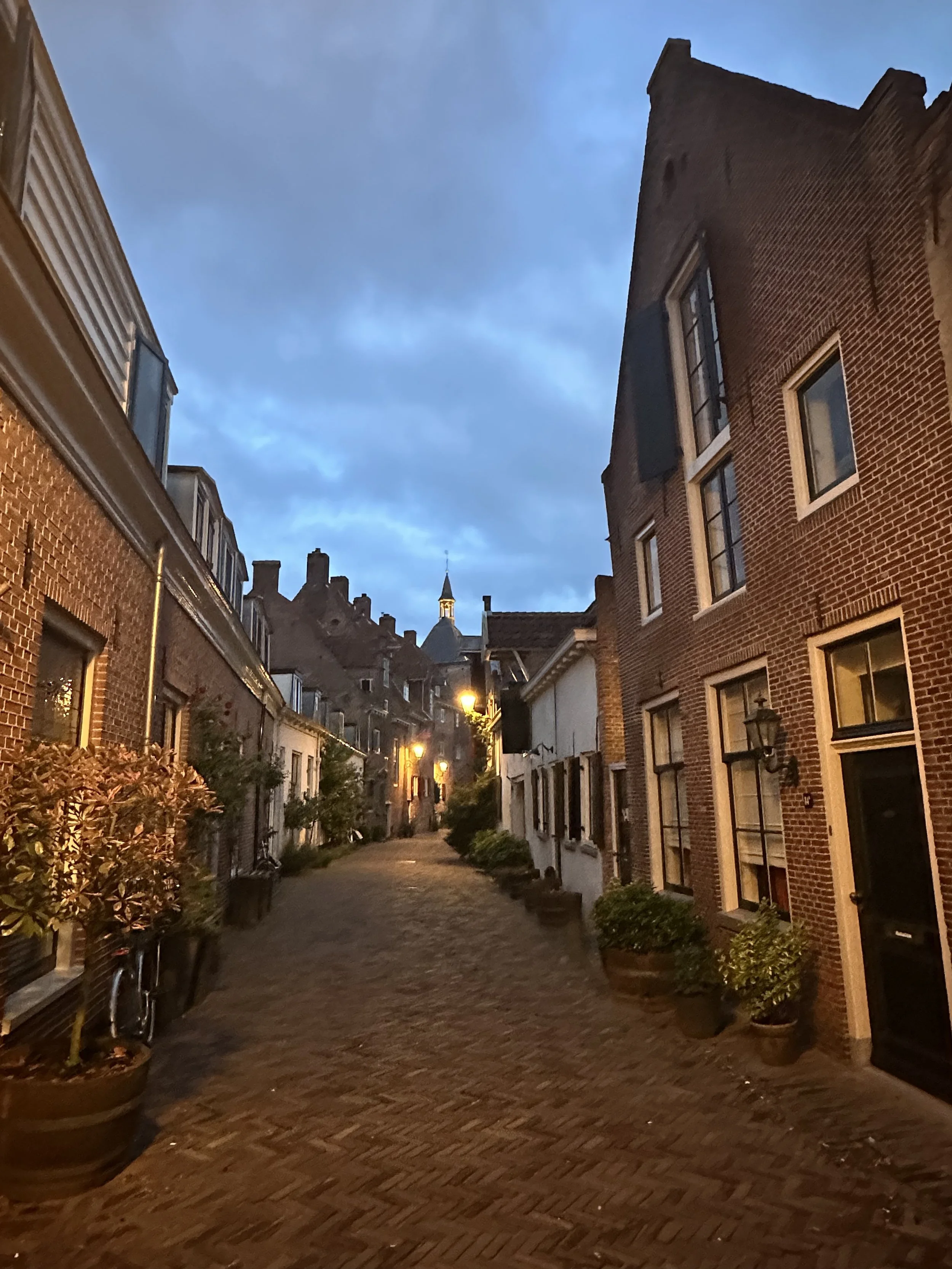
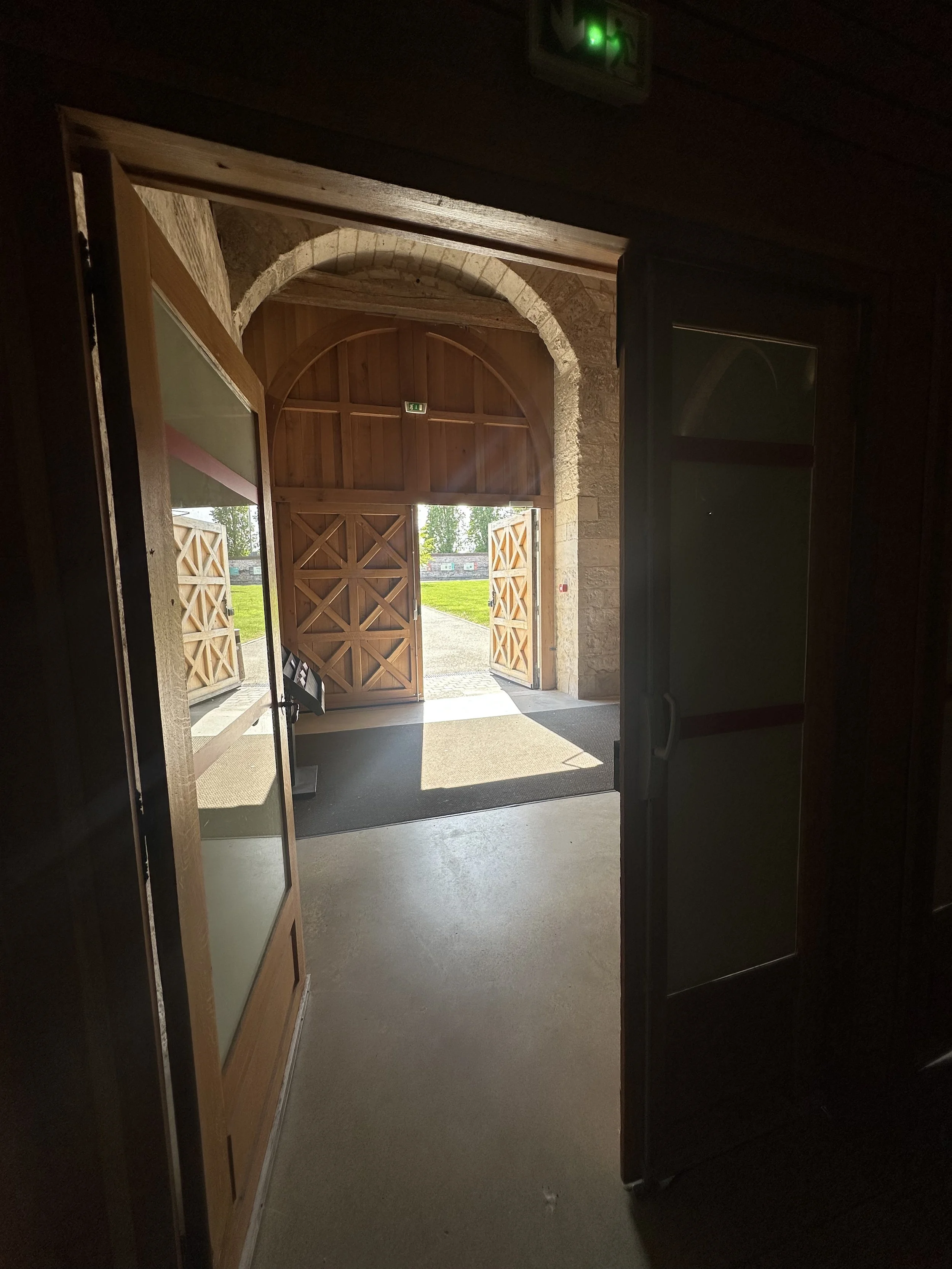
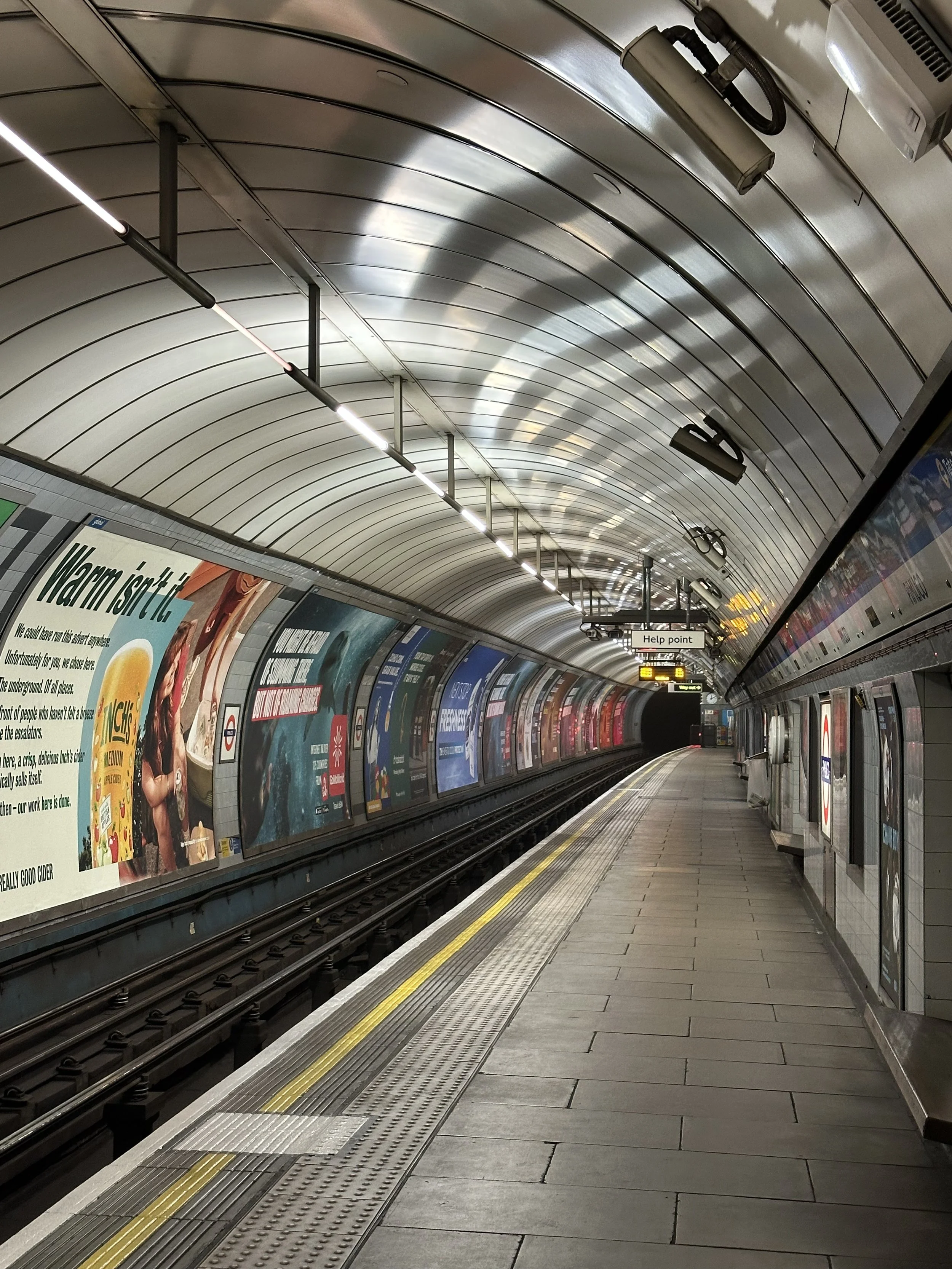
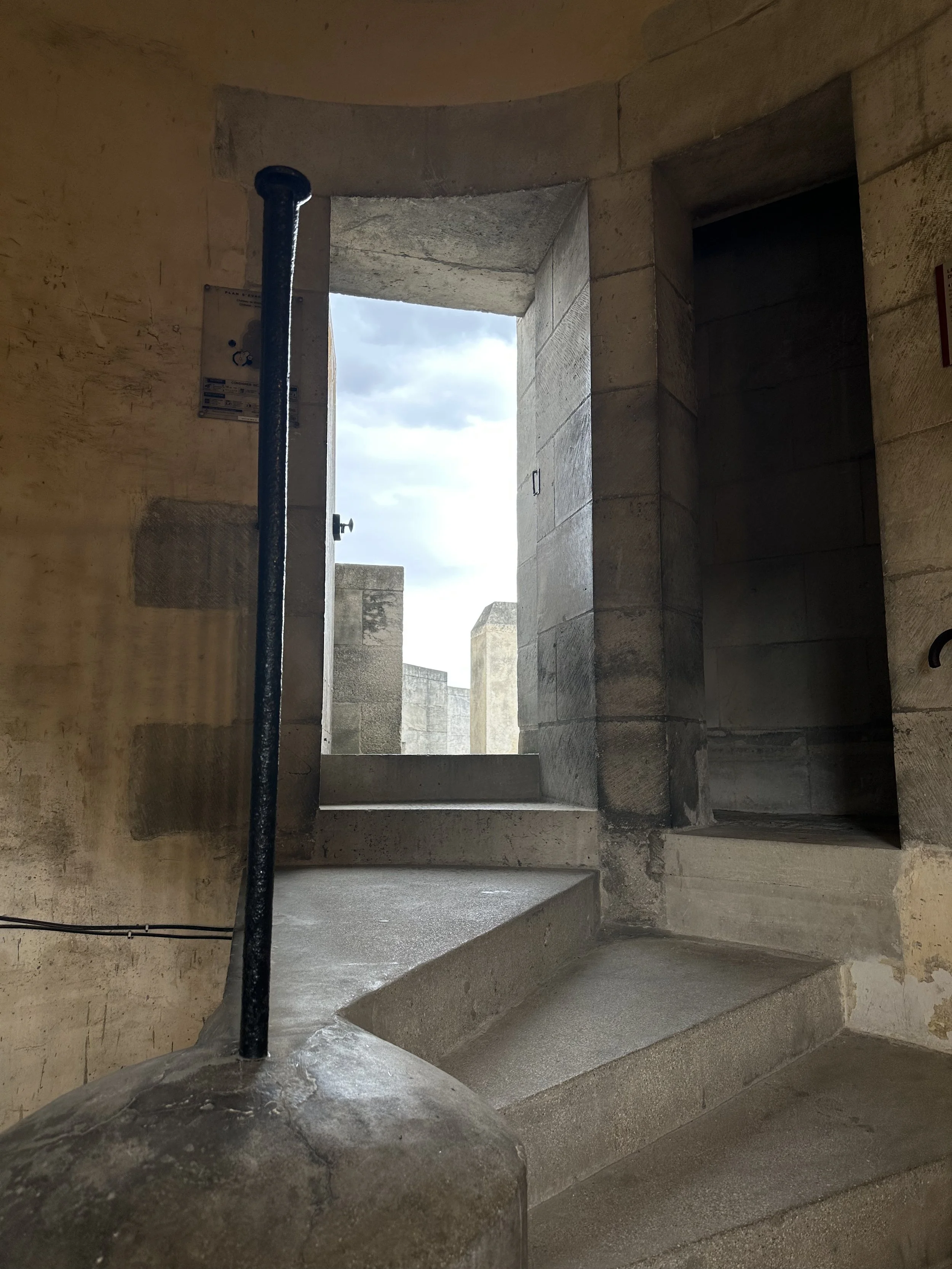
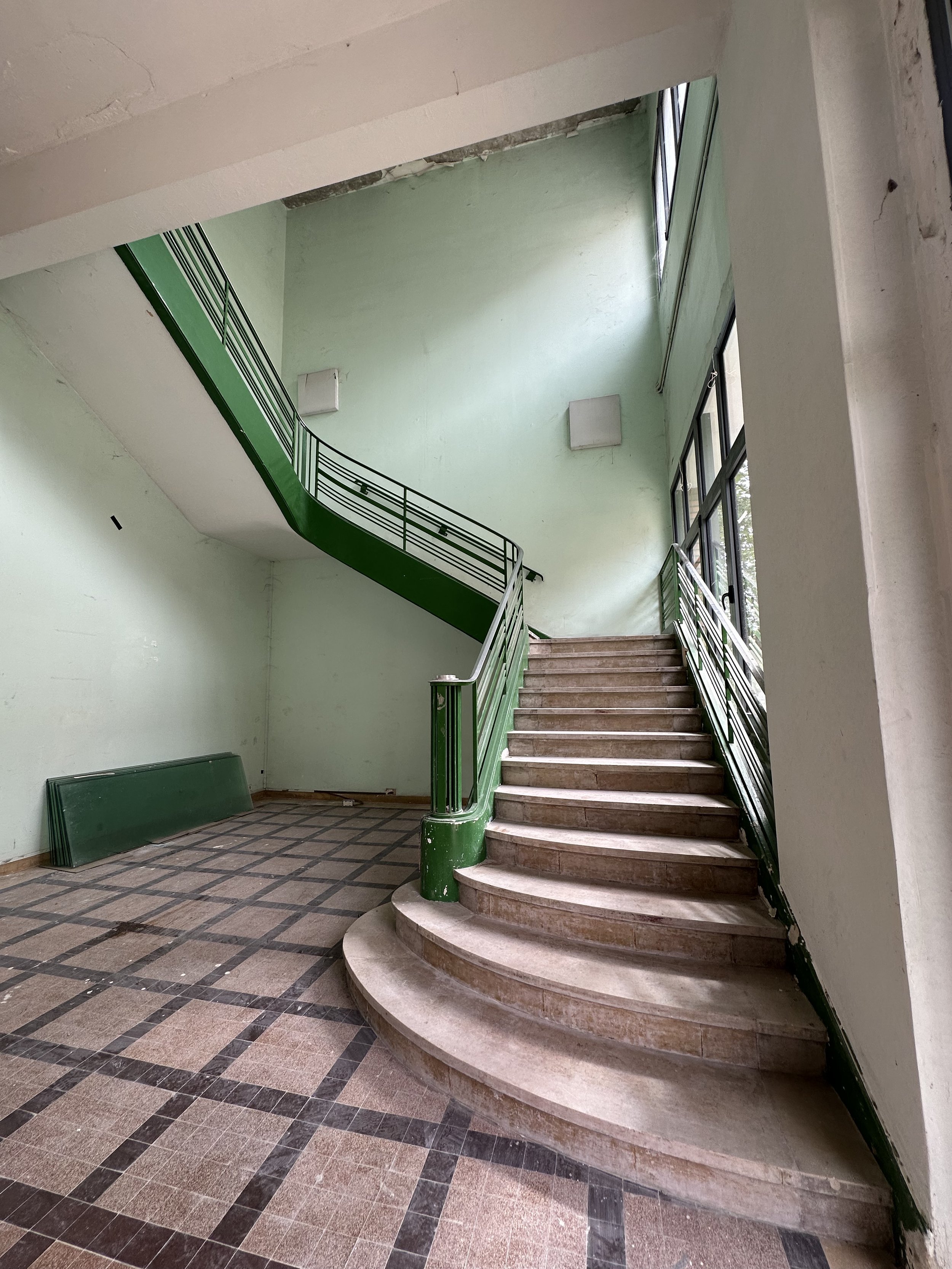
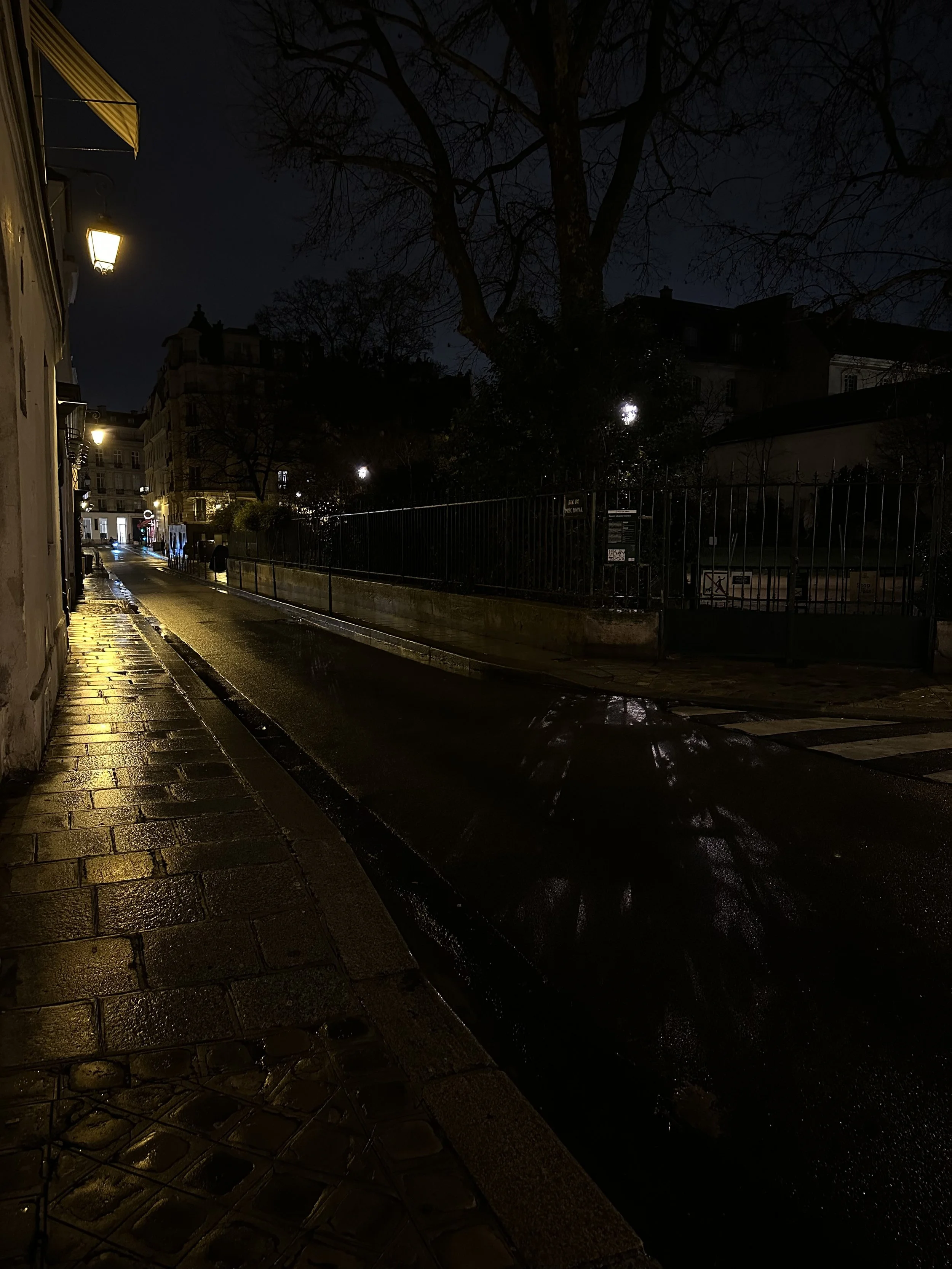
Walking around a neighborhood, familiar or unfamiliar, be on the lookout for passageways, big doors half-open and offering a glimpse of a courtyard or garden, churches. It’d be a challenge to find yourself completely alone at Notre Dame, but Paris has more than 200 churches and temples, many of them beautiful and not thronged. The thing is, you can only enter an empty church if you enter it—I mean, you have to notice the church, stop walking, decide to enter. The church door seems closed; test it; does it yield to your gentle push? Go in. The temperature drops, the soundscape changes, you’re now in another world. And you might be completely alone in this other world.
Yes, I’m repeating myself putting an emphasis on “completely.” For this meditation, “alone” must be “completely alone,” otherwise you won’t be “alone.”
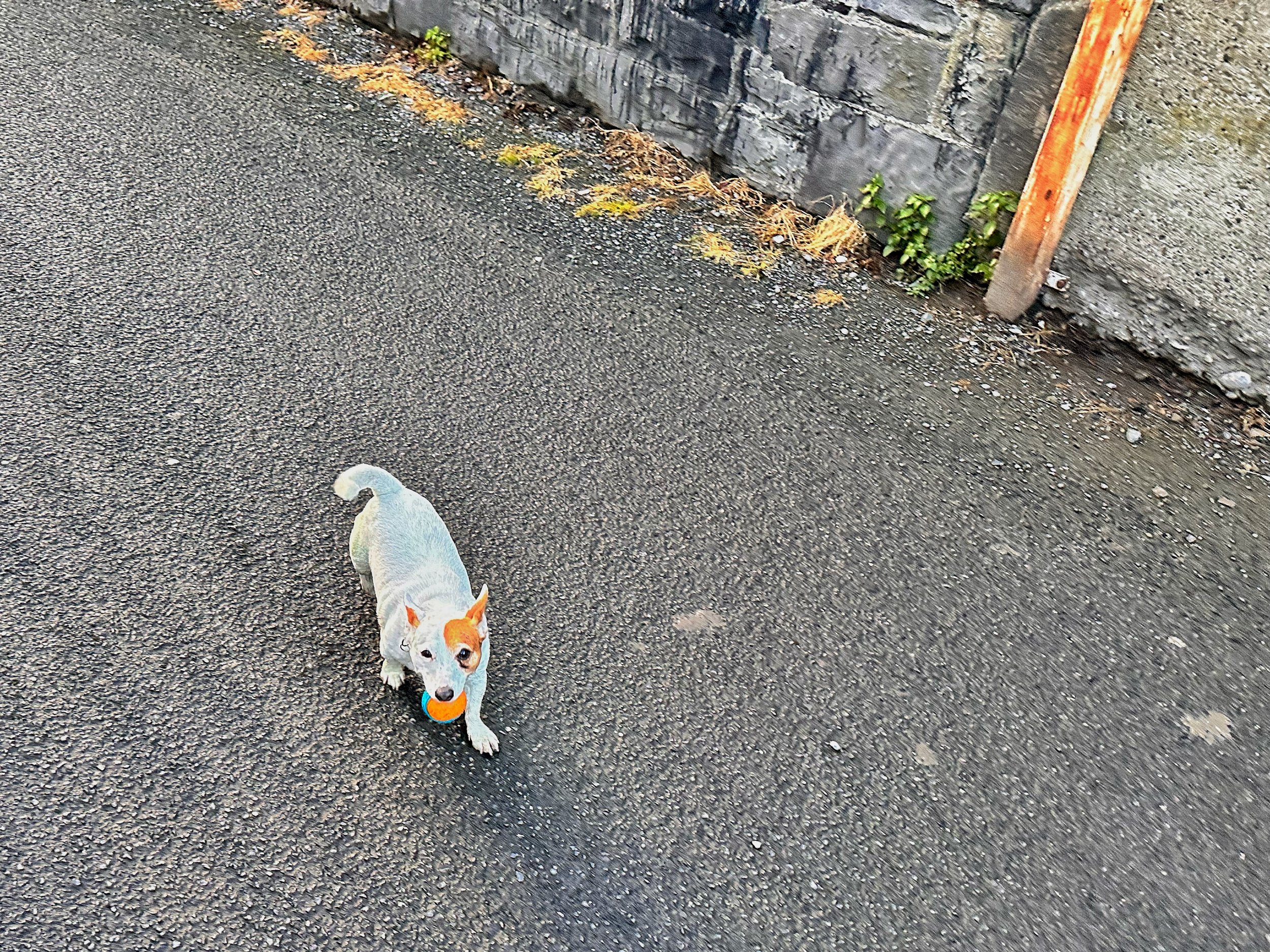
Not completely alone.
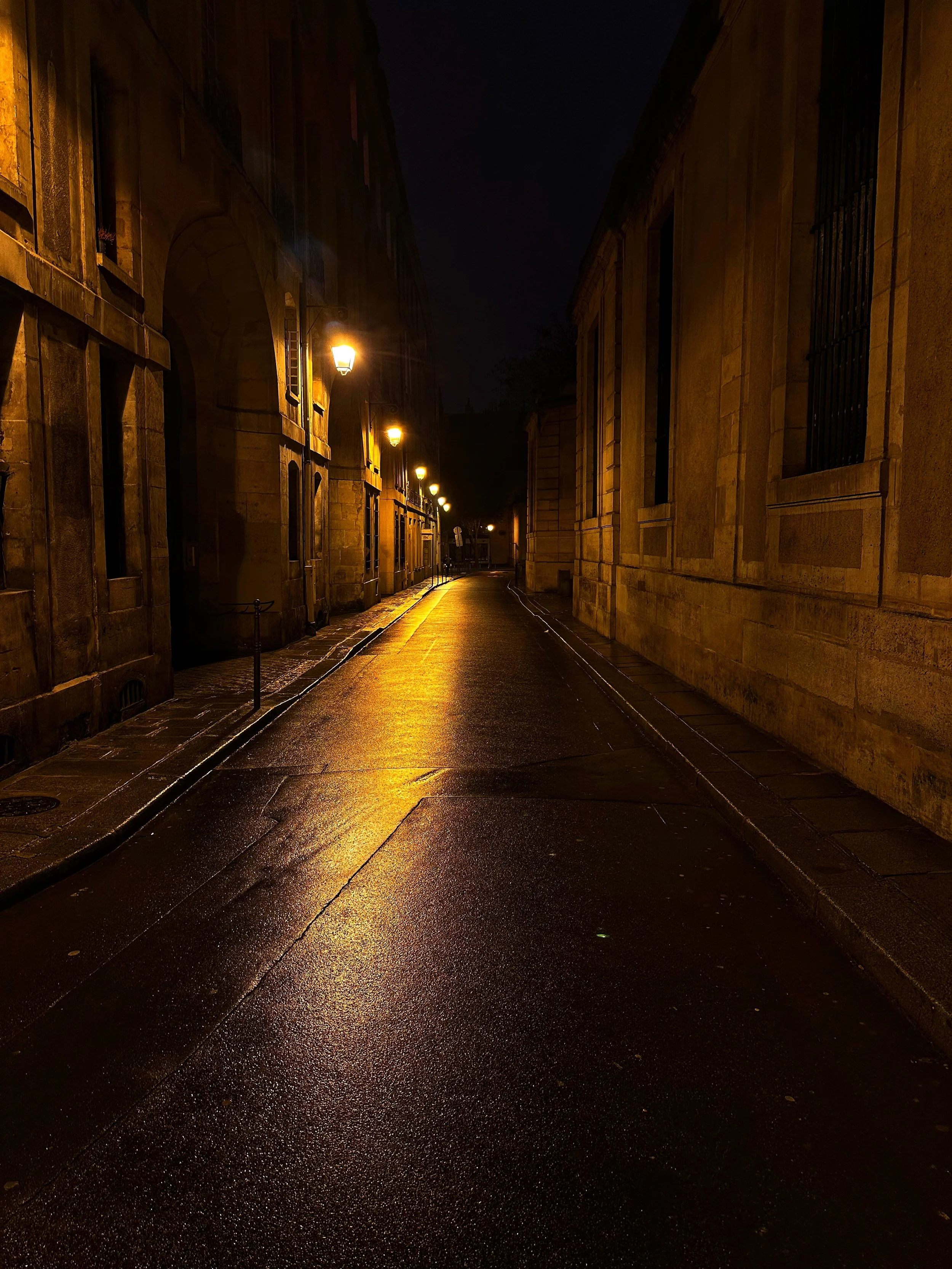
Busy Paris has a generally quiet moment: Sunday nights. Go to the movies at 10 PM, walk home at midnight, and you might be completely alone for several blocks, inside a cinematic dreamscape like no other.
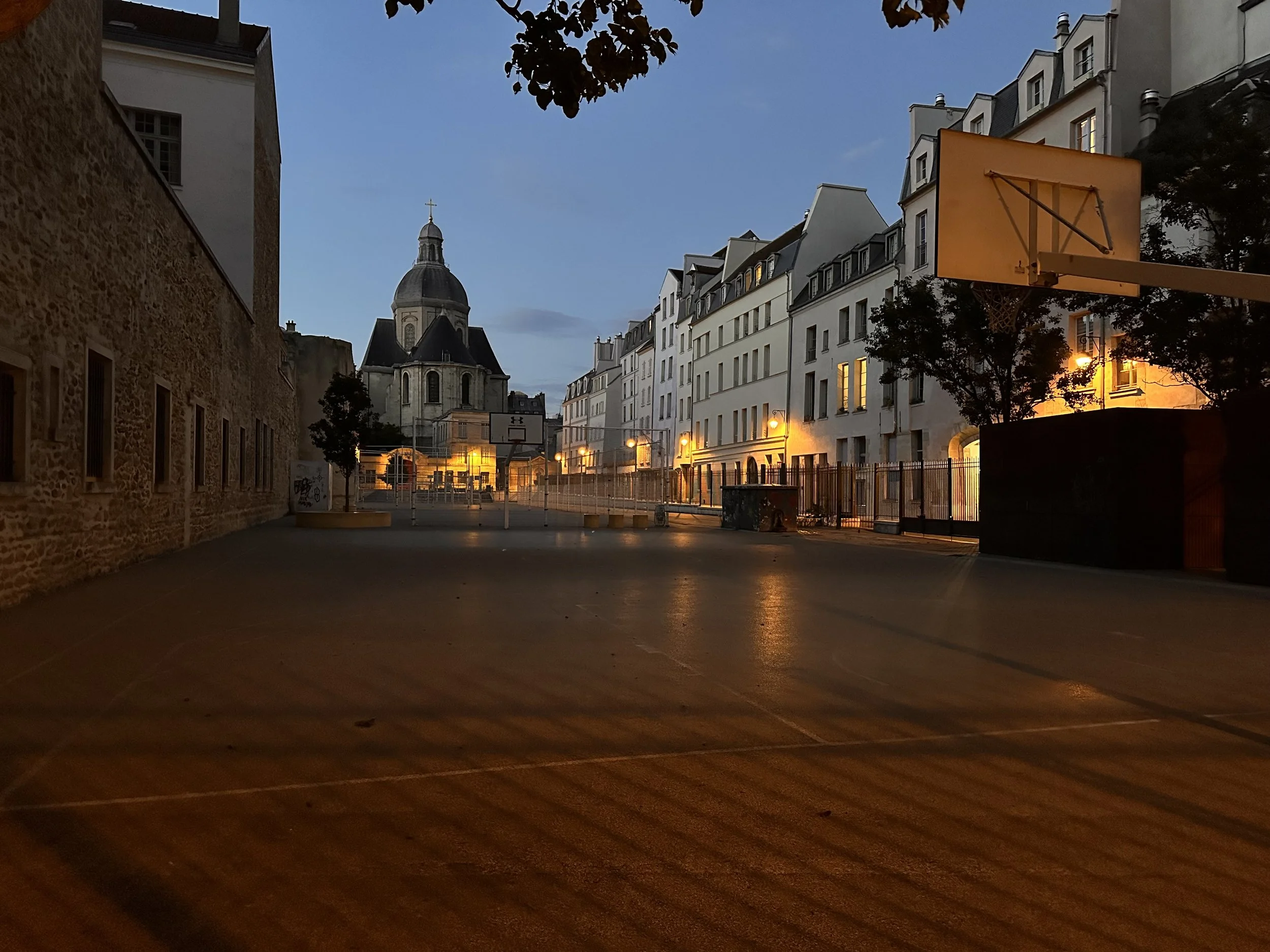
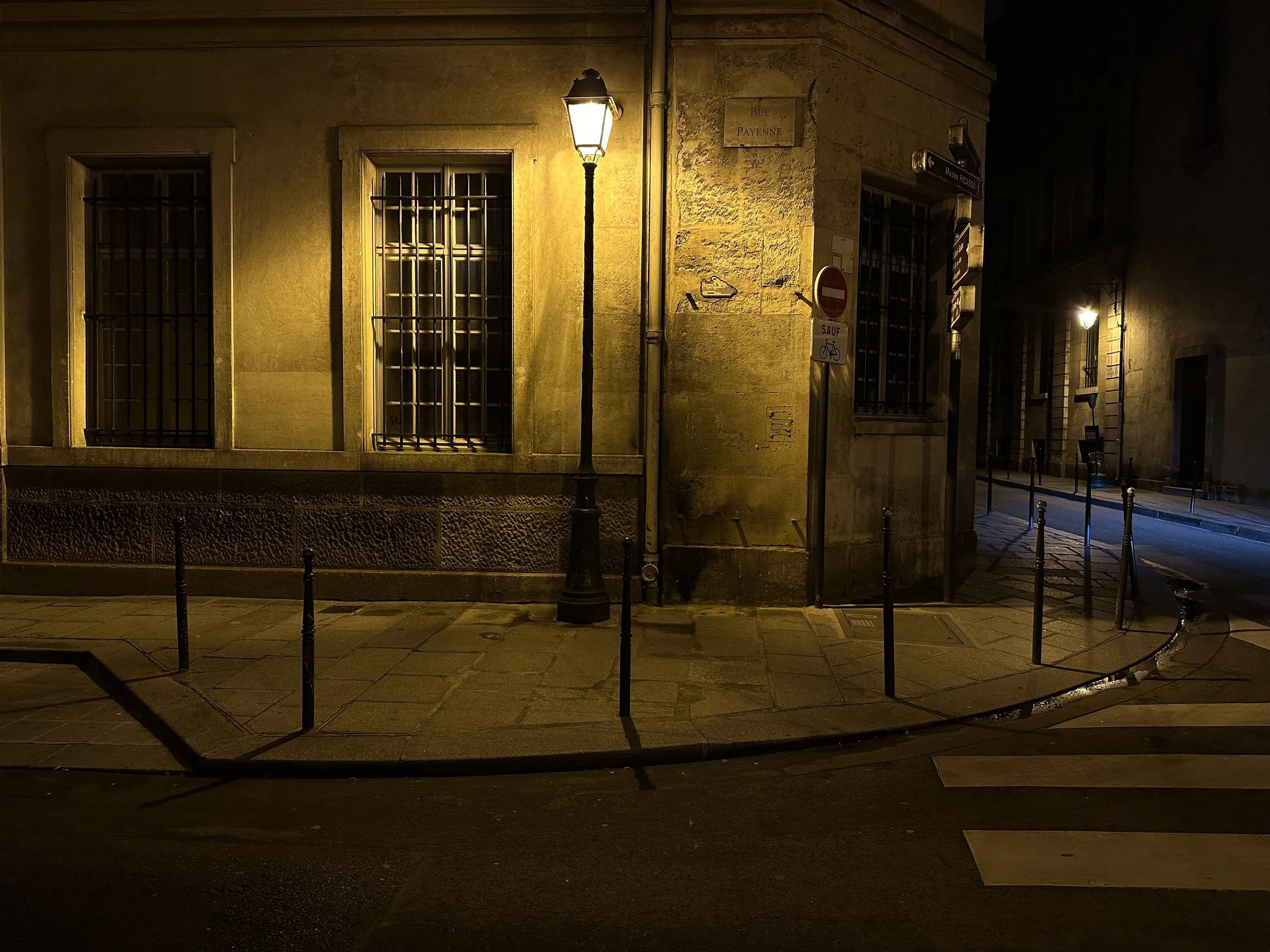
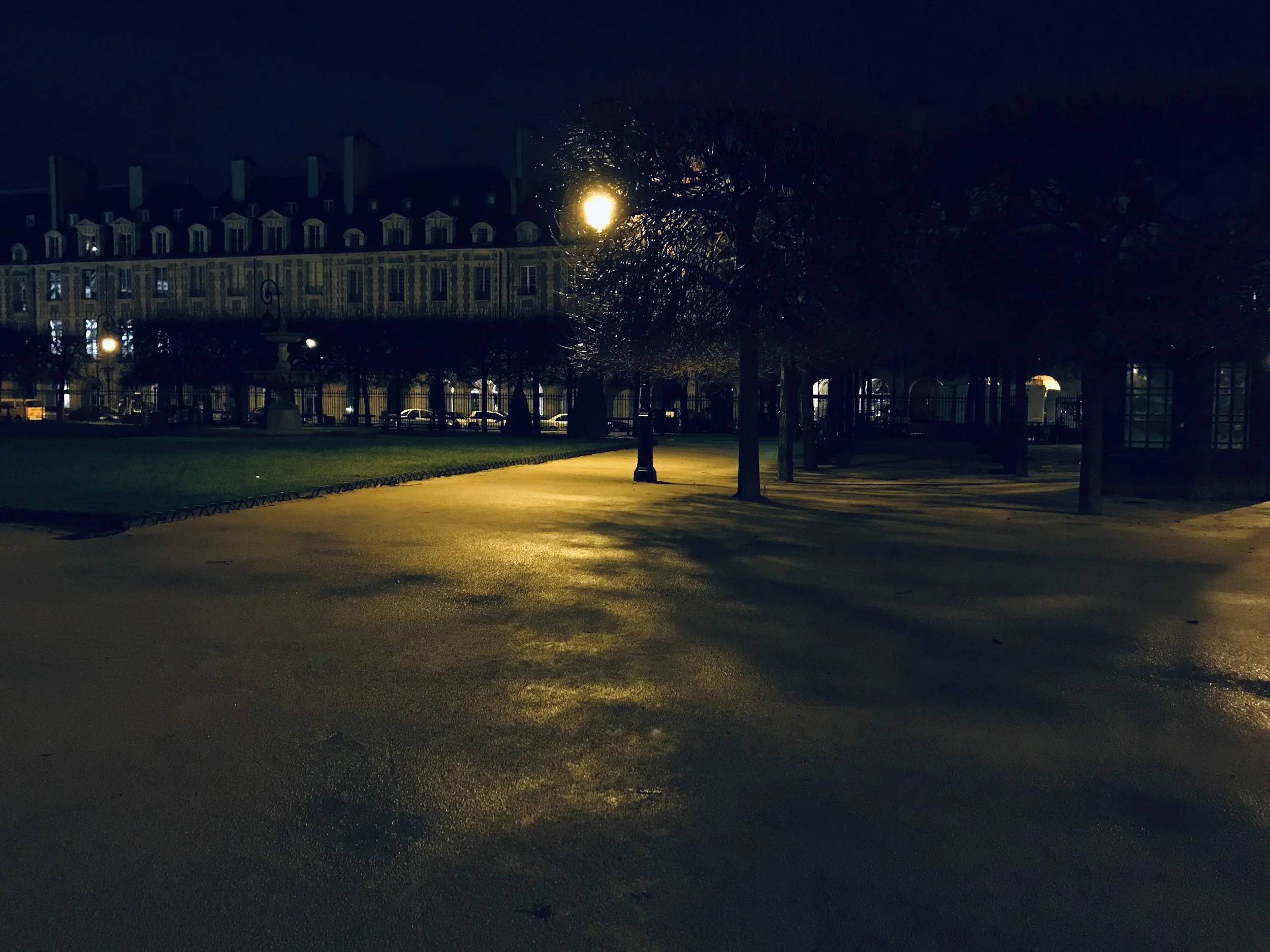
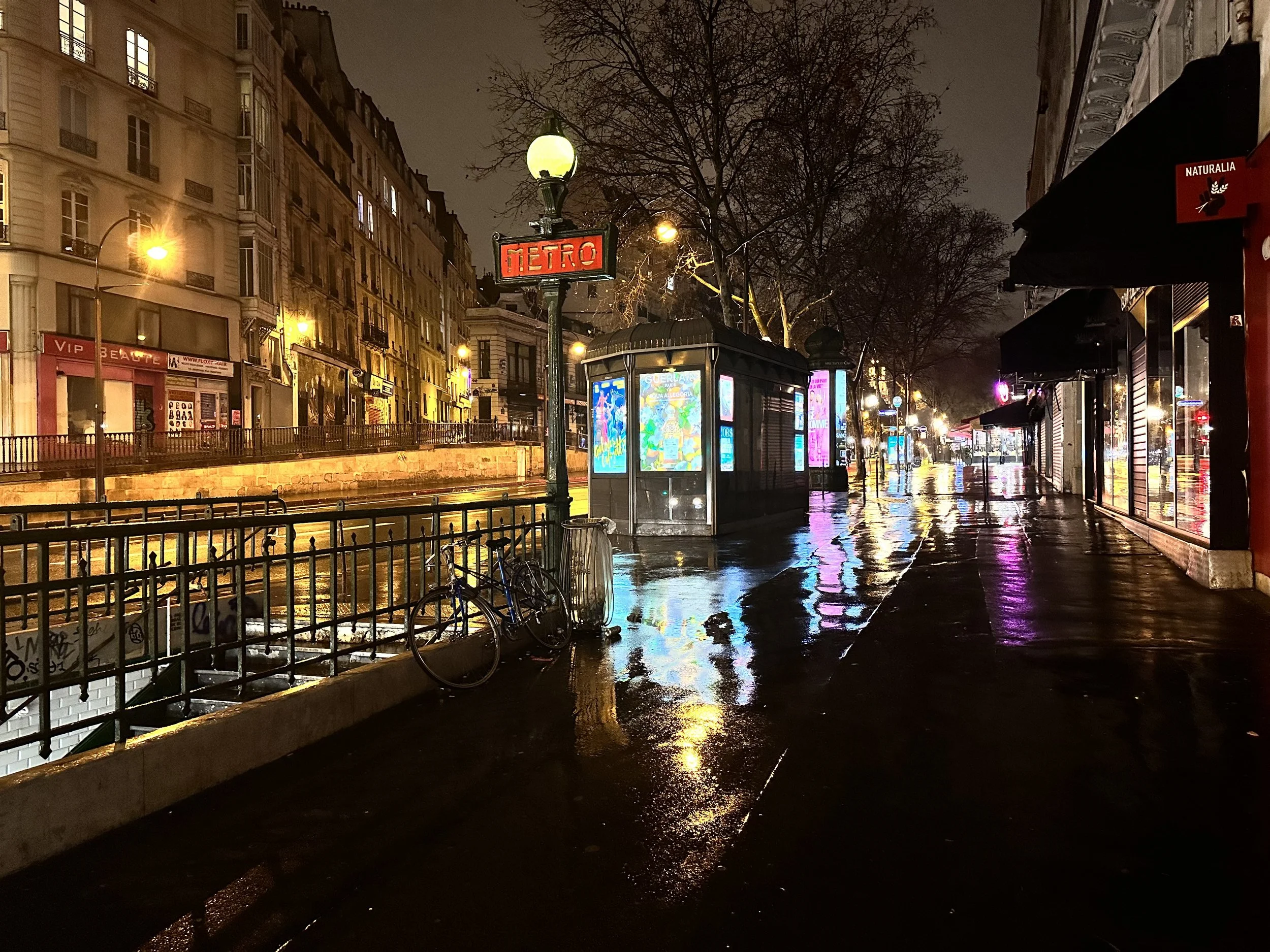
What is the merit of being completely alone? The beautiful world is differently beautiful when you’re completely alone in it, so beautiful that you won’t have words to describe it or to describe your emotions when its beauty envelops you. Can a well-planned outing guarantee that you’ll find yourself completely alone? Probably not. Statistics and off-season initiatives only take you that far. Serendipity, chance, and Fate take you further than statistics. Has the Mistress of Mystery chosen you as destined to be completely alone at the beach? Some questions have no answers.
And some questions have clear answers. Isn’t it lonely to be completely alone?
No. It isn’t.
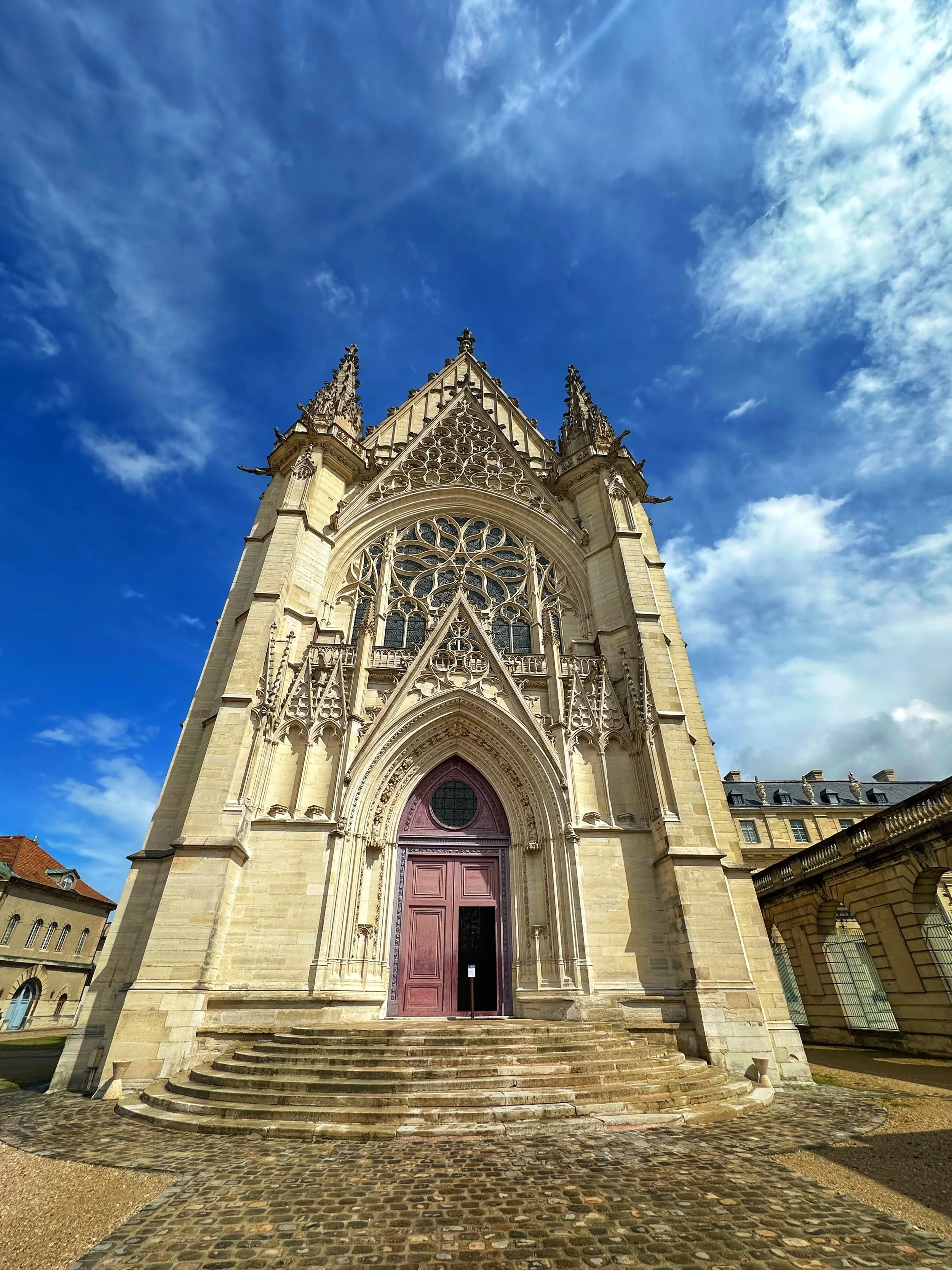
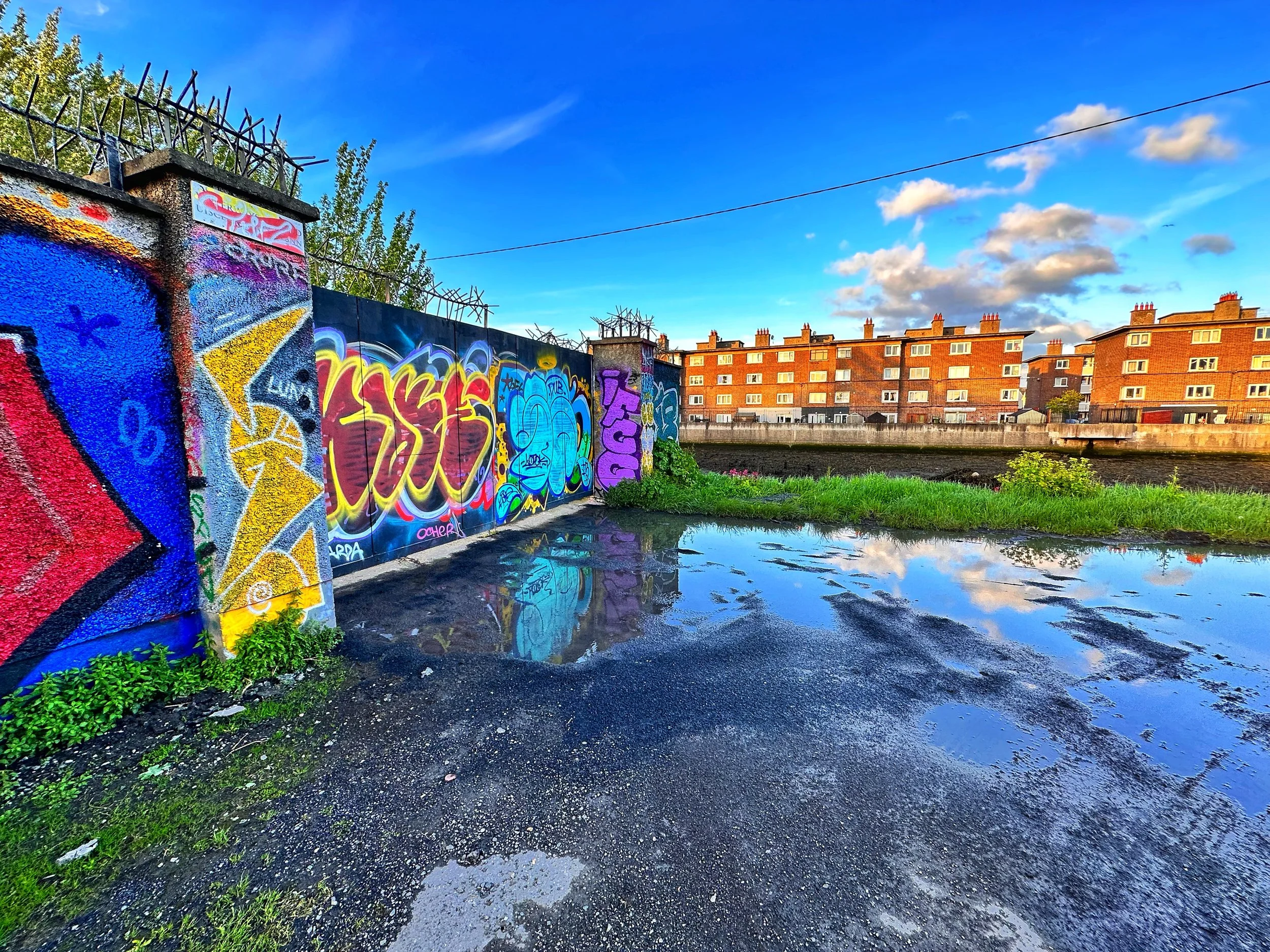
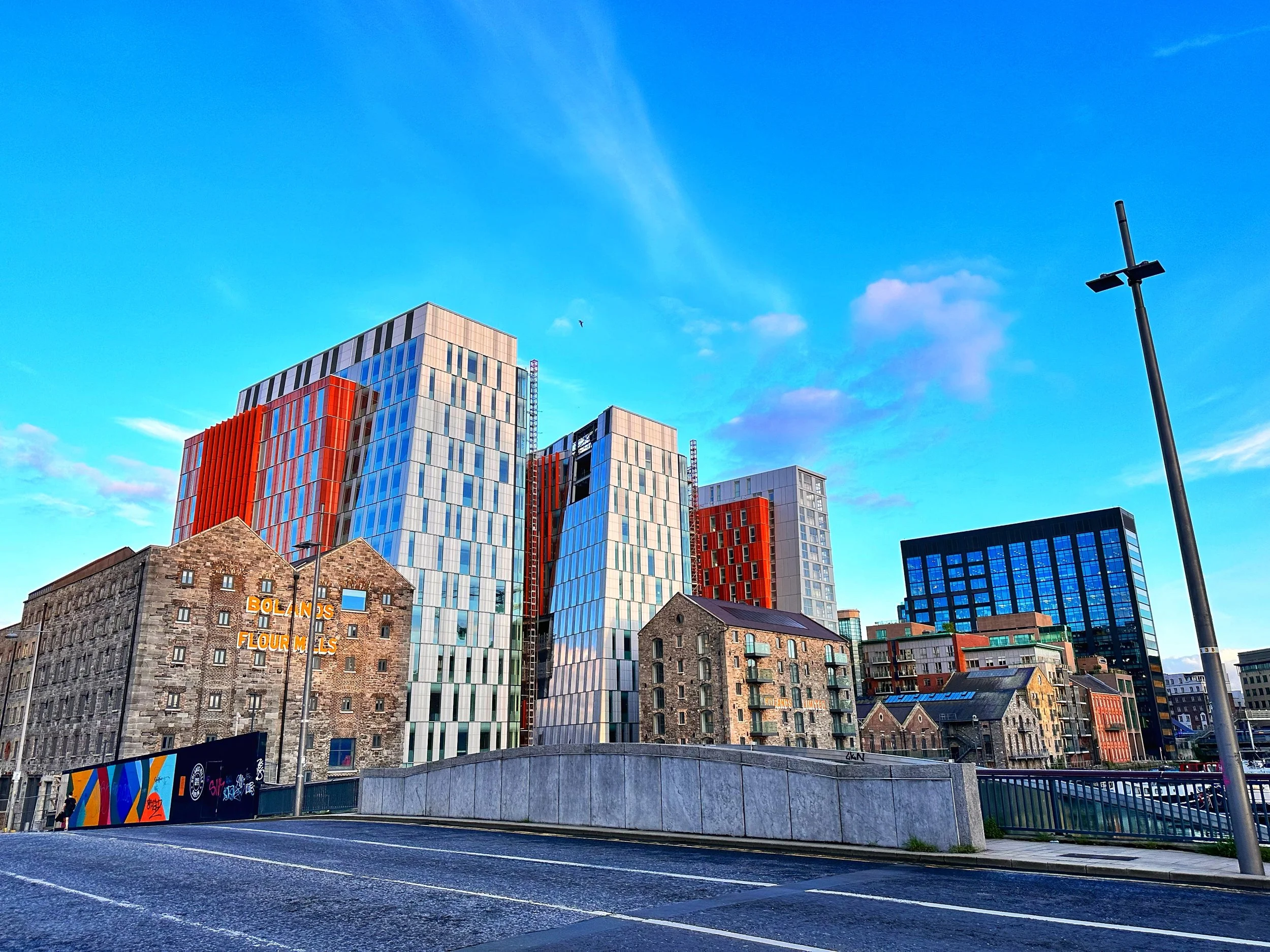
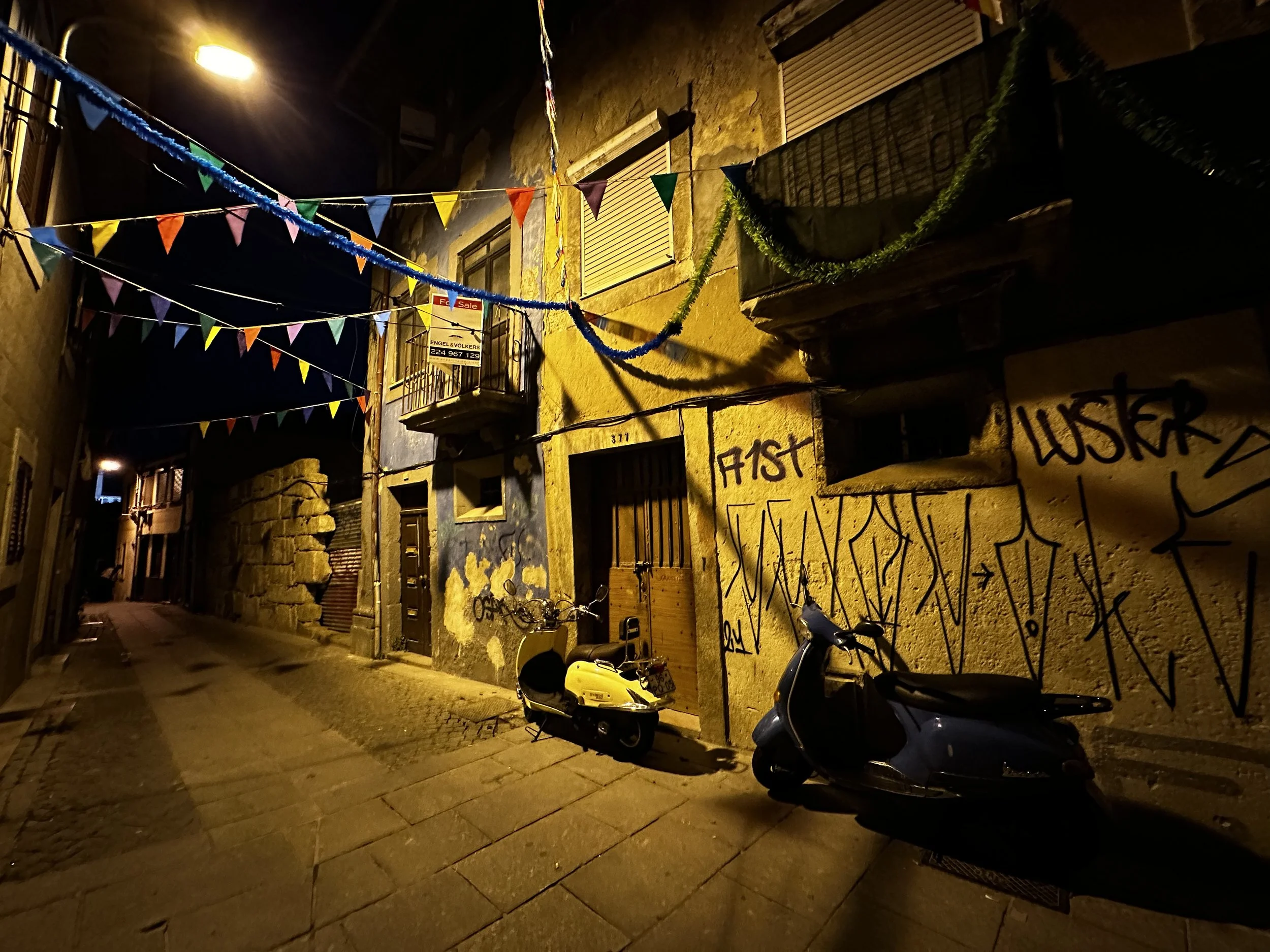
Paris, Dublin, Le Bourget, Vincennes, Oxford, London, Bern, Amsterdam, Bordeaux, Le Mans, Villers-Cotterêts, Romainville, Le Havre, Minneapolis, Amersfoort, Terre Haute, São Paulo, Matosinhos, Tessaloniki, and points in between.
© 2026, Pedro de Alcântara