Welcome to my blog!My blog is directly below. In it you'll find tips for musicians, video clips, discussions on creativity and health, and much more. Elsewhere on this site you can visit my library or read original articles and essays and materials about the Alexander Technique. Enjoy your visit and come back often! |
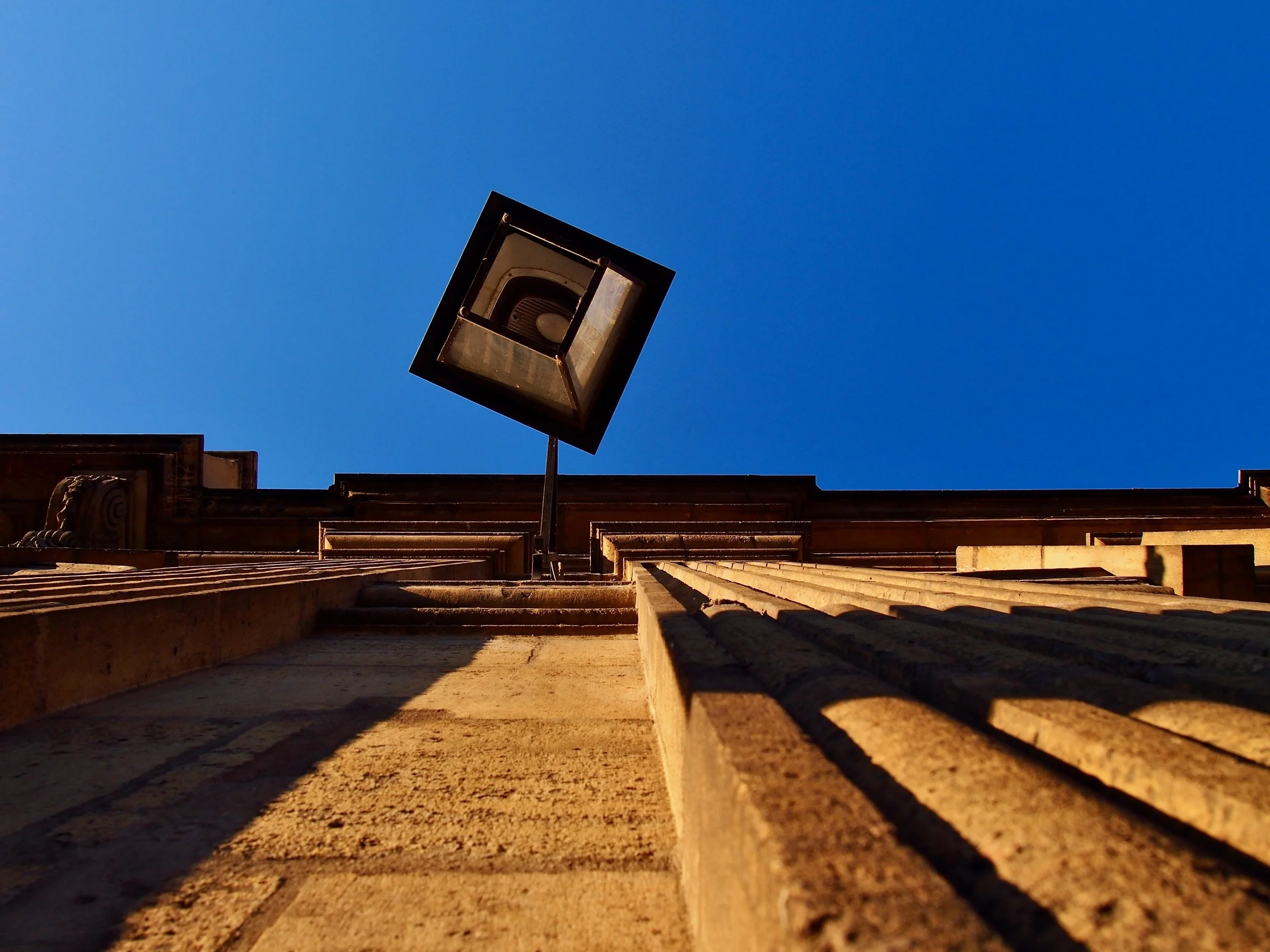
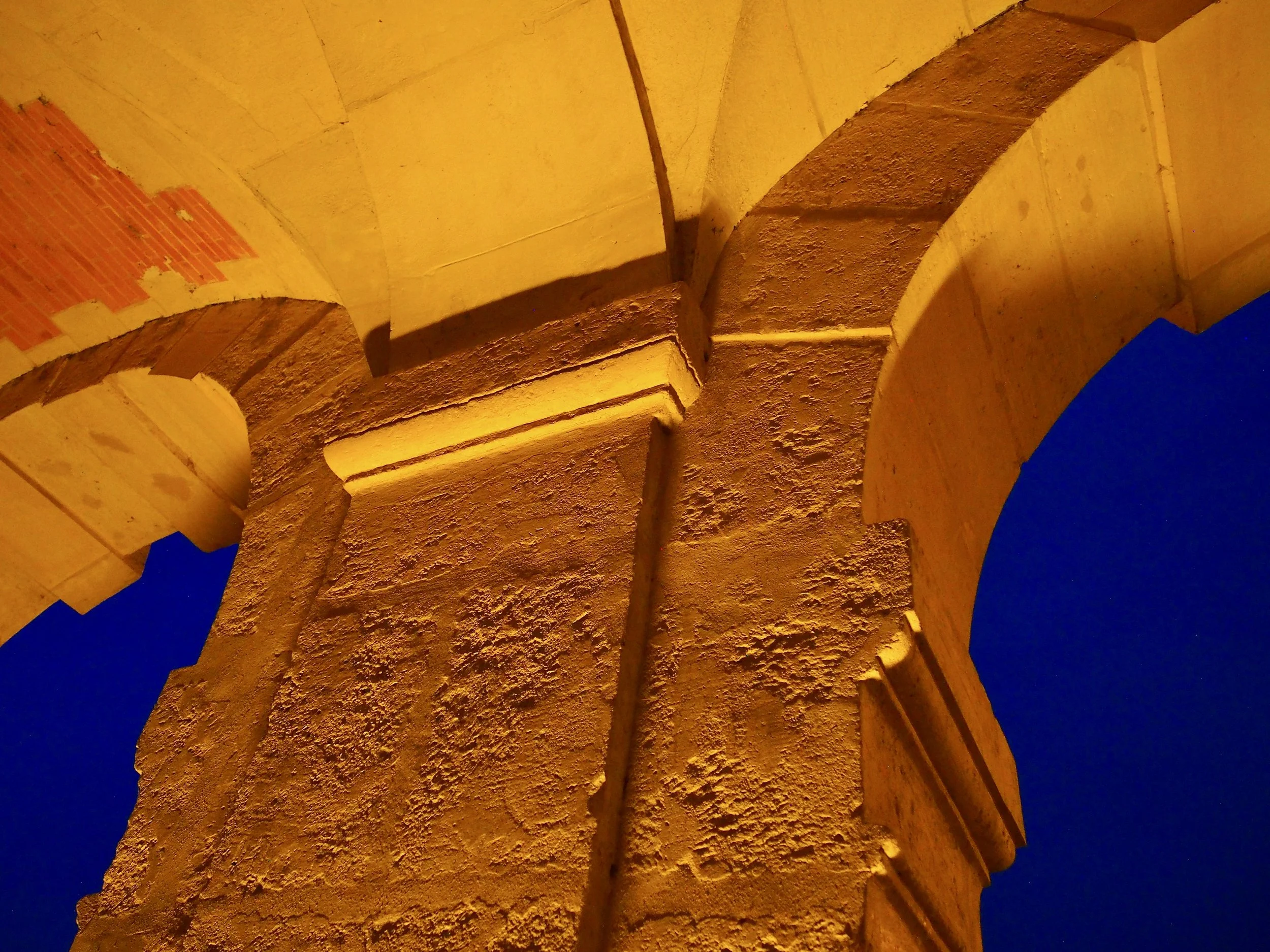
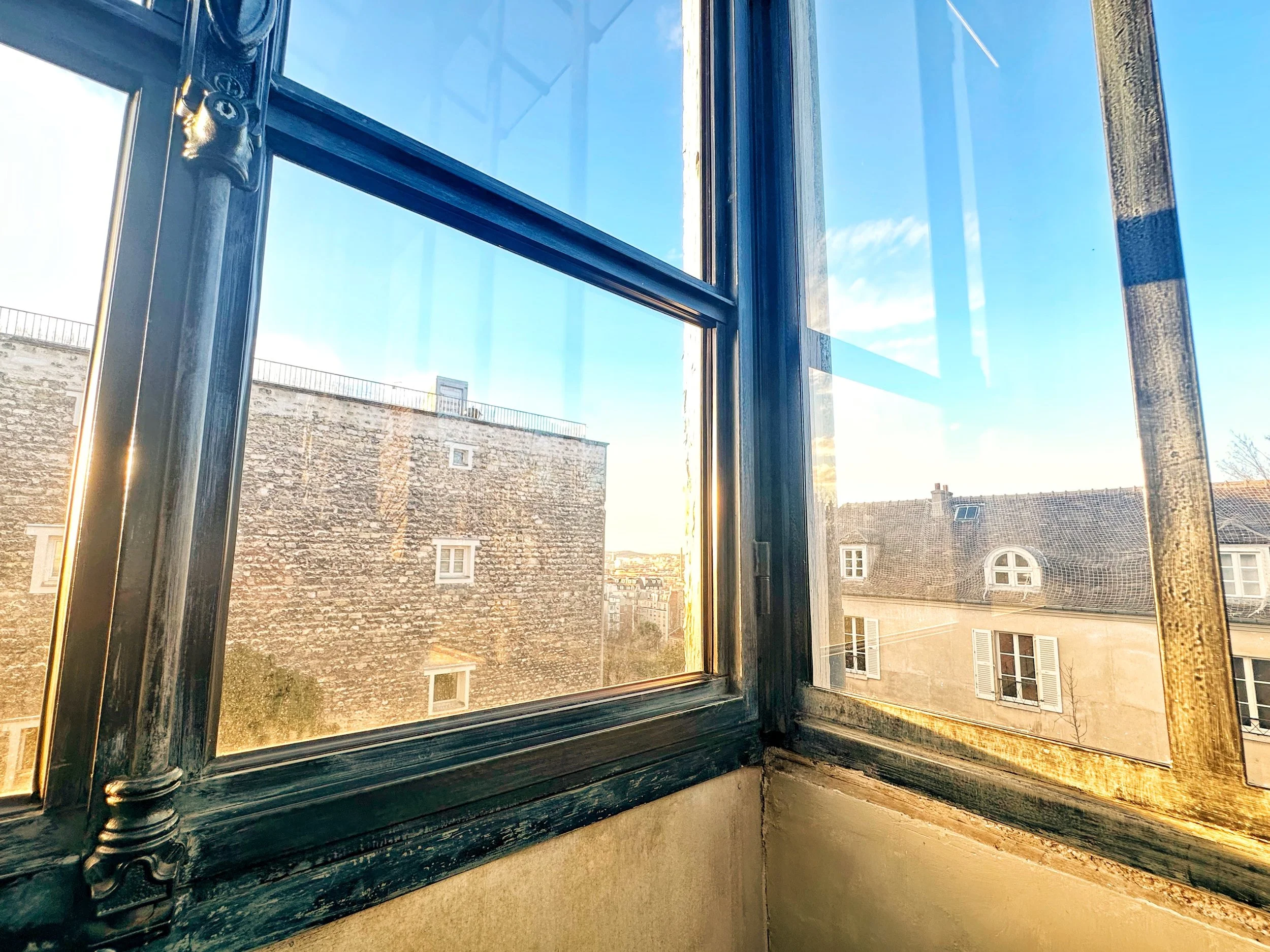
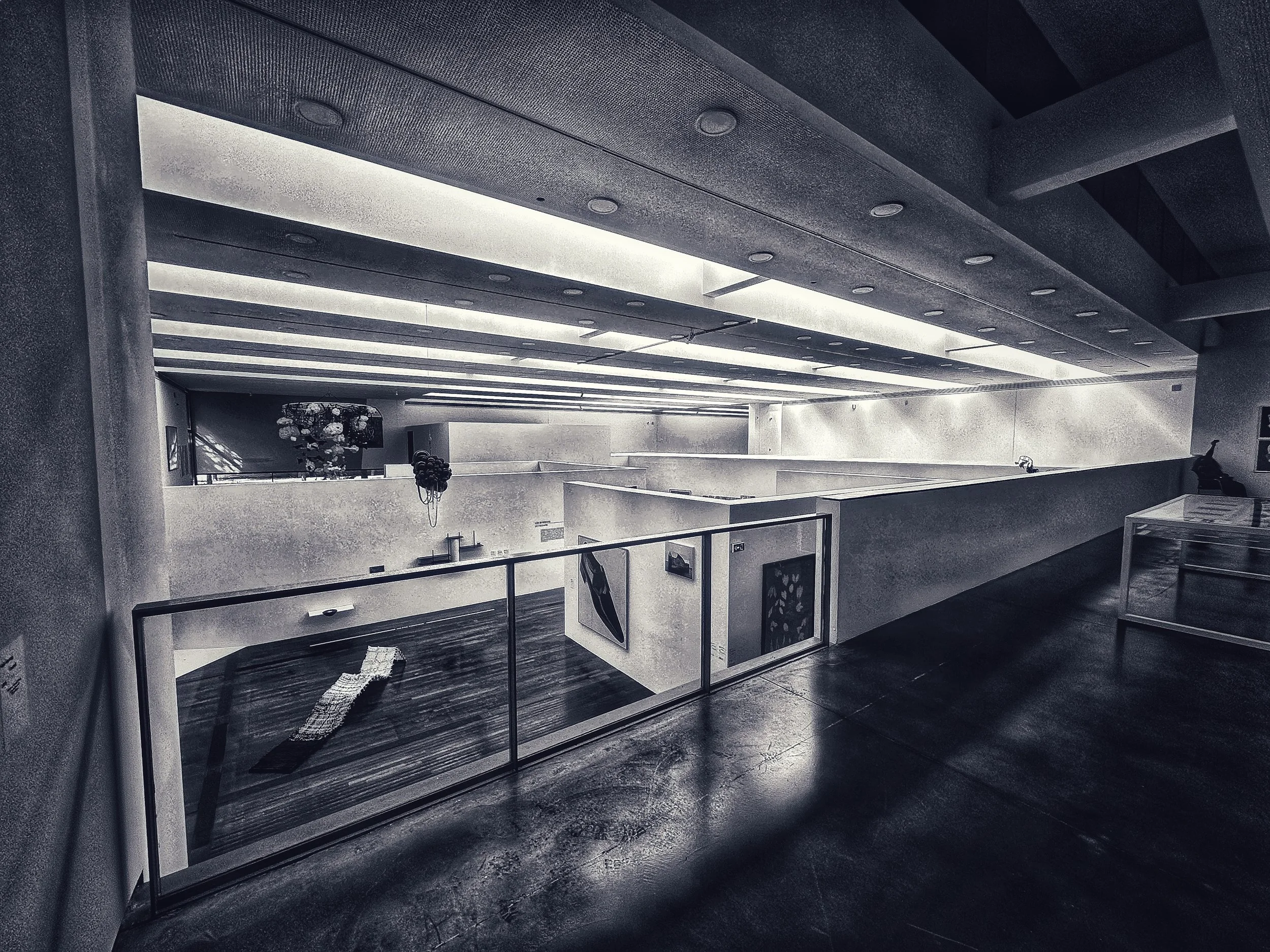
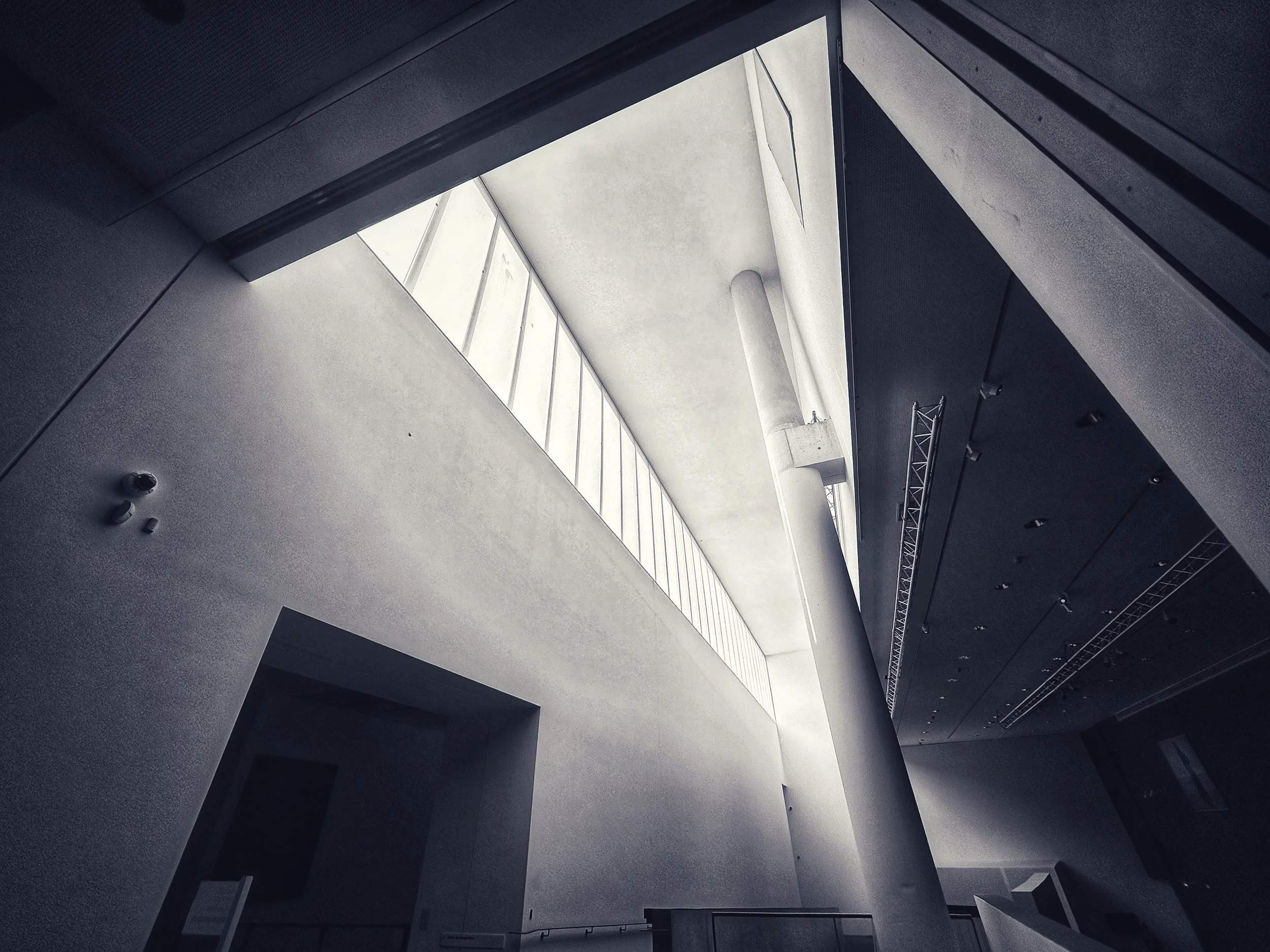
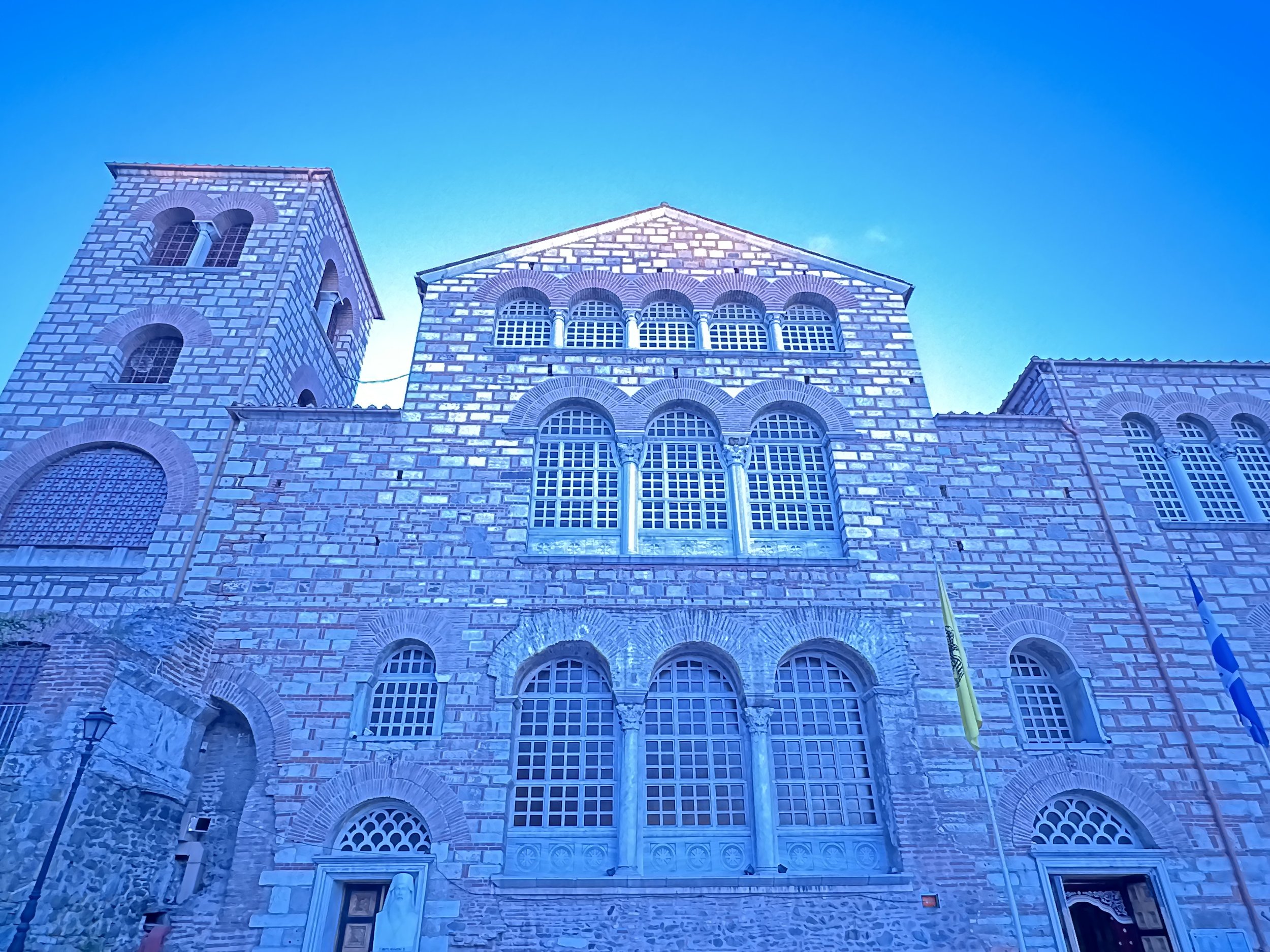
Elsewhere Photojournal XVIII: South Korea, March 2013
Tuesday, March 19, 2013 at 01:42AM
Pedro de Alcantara,
Seoul,
South Korea in
Elsewhere Photojournal Reality & Illusion, part 5: In the Sandbox
Tuesday, February 26, 2013 at 10:36AM (Previous Episodes: 1. Bach at McDonald's. 2. Bach's Invisible Cello. 3. A Cellist, a Pianist, and a Composer Enter a Bar. 4. Bach, Dead and Reborn.)
The confusion we make between illusion and reality affects every last little bit of our daily existence.
We create mystical beings in our imagination, and we assign them an objective, material reality. Among these beings are our teachers, our parents, our siblings, our friends—in fact, every person in our lives. It’s hard to crack this illusion, but “my cello teacher,” for instance, was in truth “my perception of my cello teacher,” rather than a tangible being with recognizable material properties. These days “my perception of my cello teacher” has become “my memory of my perception of my cello teacher,” taking the teacher further into the realm of the illusory.
If you think Bach exists for real, you risk assigning him a sort of ultimate authority; Bach would have “the last word” as concerns his music. And you risk assigning many other people minor-deity status, with everyone conspiring to pass judgments and create constraints—Fournier, Bazelaire, Casals, Starker, Bijlsma, Rostropovich, Ma, and a thousand teachers, players, writers, listeners, family, and friends.
To give an example, when I told my cello teacher back when I was 14 that I wanted to become a professional musician, she said to me, with some sadness in her voice, “But you’ll never be a Pierre Fournier.”
Realistically, I think she was telling me that I wasn’t very good and wasn’t going to become very good either. Pierre Fournier, the blessed high priest, was a herald of the sacred texts of the fountainhead Johann Sebastian Bach. And I, unsightly adolescent, was unworthy of the priesthood. I should become an accountant, maybe. Or a mass murderer.
I confess that for a long time I struggled with the high priests inside my head, telling me that “my Bach” wasn’t “as good as Fournier’s” (or Casals’s or—yeah, whatever, whomever). I’d play Bach in my practice room, and the voices of the high priests moaned with pain about my intonation, my technique, my articulations, my haircut, you name it.
Then one day I became simple-minded, as it were. I asked myself an innocent little question. How would I play if I just decided to enjoy my own intimate relationship with the ambiguous blueprint, with all that “Bach-related information” that had come my way over the decades? How about I stop chasing Fournier’s ghost, and start chasing Bach’s ghost instead?
I went there. I ignored the musicologists, the cellists and non-cellists whom I’ve heard play over the years, my old teacher’s warnings, professional standards of technique, social standards of decency. I decided on my tempi, my dynamics, my bow strokes, my rubato, my everything. And I finally played “The Six Suites by Pedro de Alcantara and J. S. Bach,” in full ownership of my subjective half of the deal.
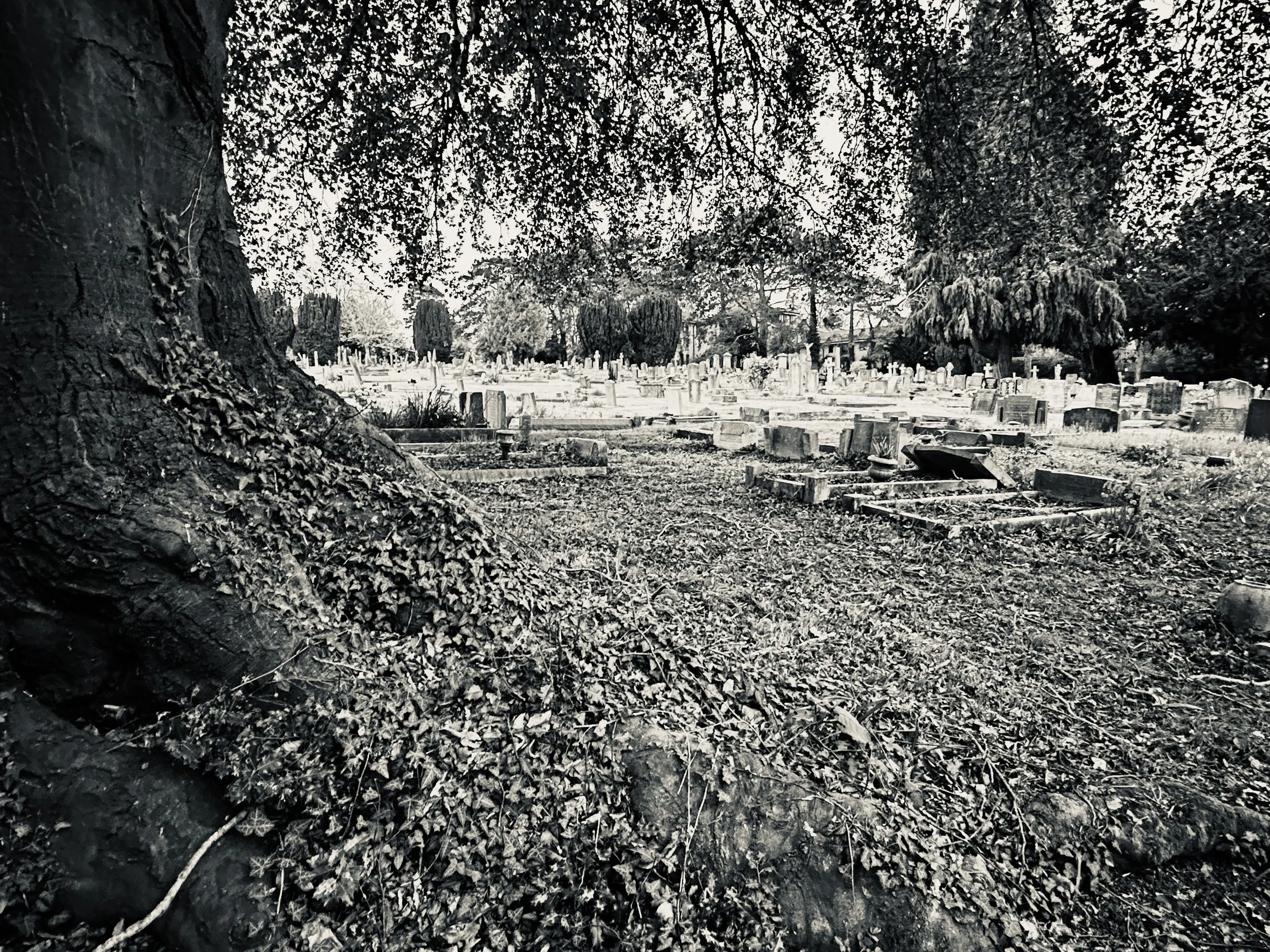
Did I play well? Such a question implies objective standards that point toward a thing called “reality.” Fournier probably wouldn’t have thought that I played well, but as it happens Fournier is also dead. His standards don’t count.
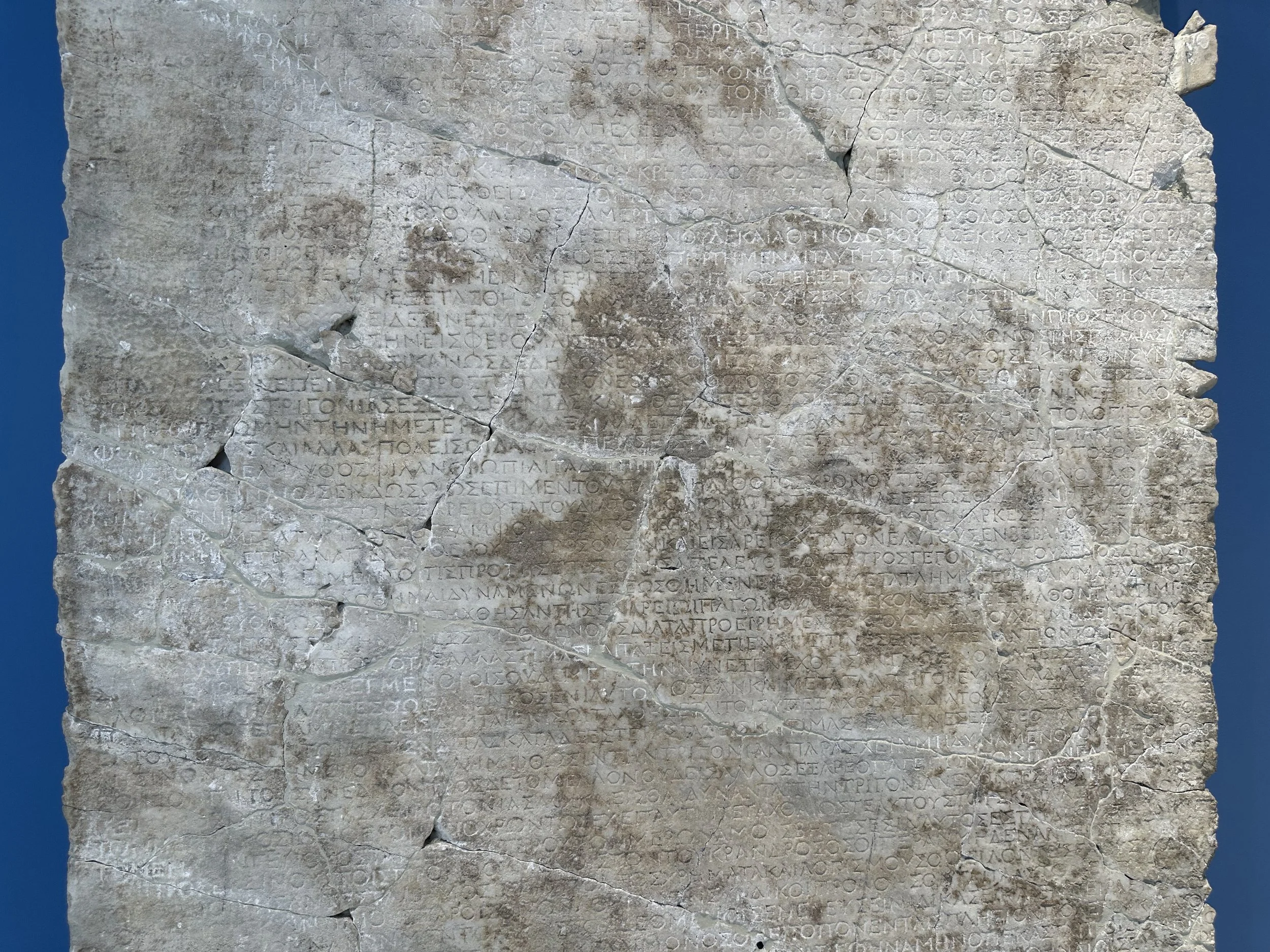
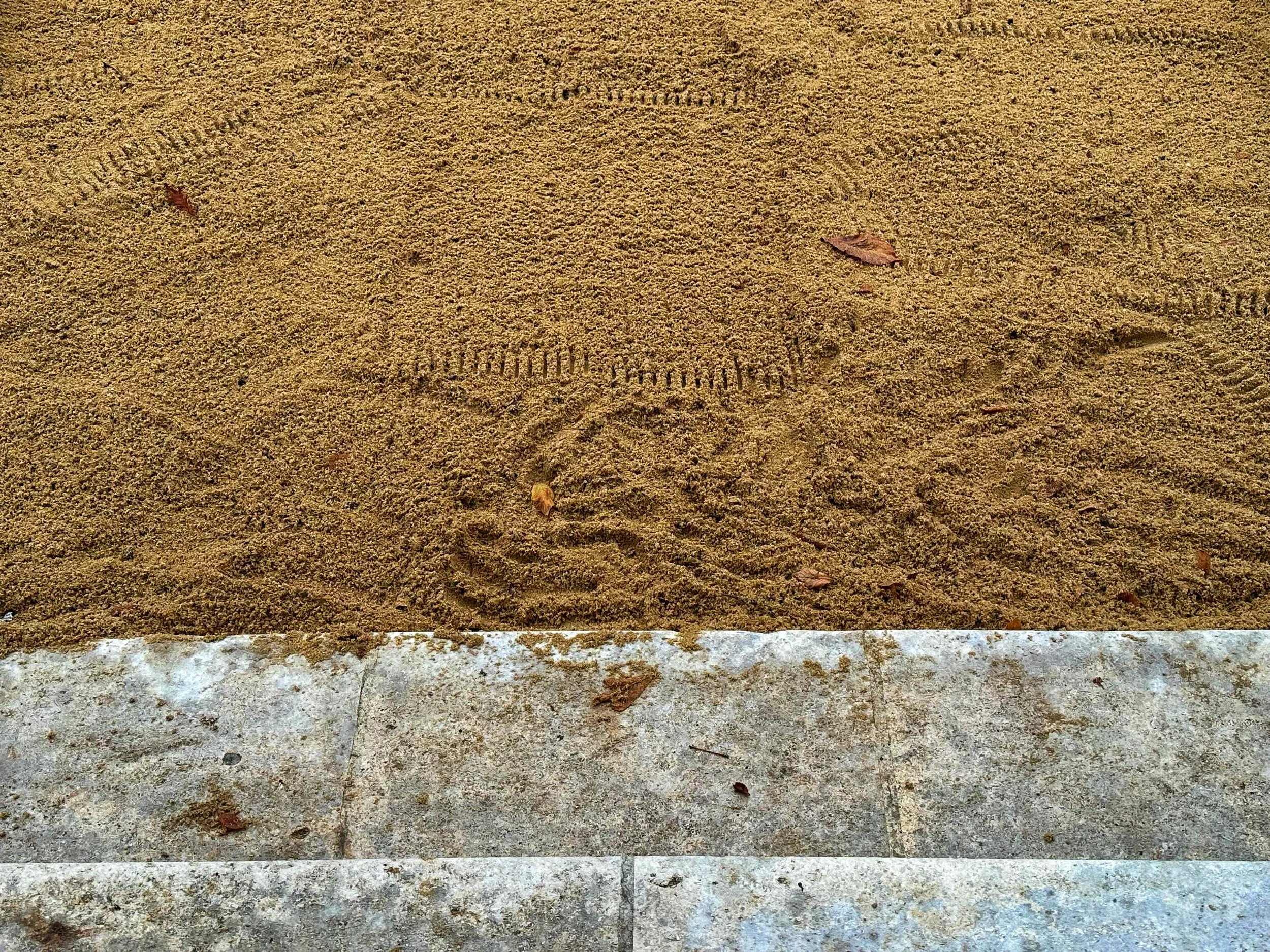
Did I enjoy myself? I was as happy as a barefoot three-year-old in a sandbox, playing without adult supervision. In my subjective perception I build castles, palaces, and entire cities using Bach’s blueprints, or what was left of these blueprints “after the earthquake.” I mean, the earthquake of reality and illusion clashing for supremacy.
In conclusion & in a few words: Bury reality in the sandbox and play with your illusions. No, no, sorry! Bury your illusions in the sandbox and enjoy reality in all its glory.
J. S. Bach,
Pedro de Alcantara,
illusion,
reality,
sandbox in
Tips for Musicians Reality & Illusion, part 4: Bach, Dead and Reborn
Saturday, February 9, 2013 at 02:13PM I love the music of Johann Sebastian Bach. On my list of greatest composers of all time, he shares first place with Wolfgang Amadeus Mozart.
When I was 14 I heard the late Pierre Fournier, a great French cellist, at a concert in my hometown. He played César Franck’s sonata for cello and piano (originally composed for violin and piano) and Bach’s Sixth Suite (originally composed for the five-string violoncello piccolo da spalla), among other pieces. The morning after his recital I decided to become a professional musician. Subsequently I heard him in two other live performances, one in New York and one in London. I collected some of his recordings, including his Bach Suites.
Here's Fournier in action.
I heard Janos Starker play the Fifth Suite in São Paulo. I heard Anner Bijlsma play several suites in a single program in New York. I heard Maurice Gendron play the Second Suite in London. (As it happens, I also took master classes with these three great cellists; I played for them and received their feedback, though not on Bach’s Suites.) I heard plenty of cellists of my own generation play movements and whole suites. My LP collection of old included the complete Casals set, the Fournier set, and the Fifth Suite played by Aldo Parisot, with whom I studied for two years in grad school. My CD collection includes two period-performance sets, one of which played wholly on the violoncello da spalla.
Bach wrote three sonatas for viola da gamba and harpsichord. I performed all three, sometimes with piano, sometimes with harpsichord. I heard Bach’s flute sonatas, both solo and accompanied, multiple times. I heard Bach’s keyboard music played on the piano, the organ, the harpsichord, and the clavichord, and I played a few of those pieces myself at the piano. I heard his orchestral pieces, and played several of them in my youth—the Brandenburg Concertos, the Suites, a violin concerto or two. I heard the Passions and learned a couple of recitatives with my first singing teacher. I heard some of the cantatas, some of the oratorios, many of the trio sonatas. I know the six sonatas and partitas for violin solo by heart. As a teacher and coach, I’ve looked closely at many of Bach’s compositions, helping pianists, violinists, and singers—among others—figure out what’s going on and how best to learn the compositions and perform them.
It's quite paradoxal. Bach seems very present in my life. Yet Bach doesn’t exist.
What exist are my perceptions of Bach; my perceptions of Fournier and Starker playing Bach; my memories of my perceptions of Fournier, playing—more than forty years ago—an ephemeral, subjective version of an incomplete and ambiguous blueprint.
It’s how it goes, inevitably, for all of us. Using tools that we manipulate subjectively—the tools of sight and sound, the tools of analytical thinking, the tools of emotion and intuition—we take some “Bach-related information” (which could be a printed score or something learned by ear or something we’ve culled from a thousand disparate experiences and encounters) and we use all that information to shape “our Bach.”
And then we go psychotic and say, “This is Bach.” Or, “This is by Bach.” Or, “Bach composed this.”
No, no, and no.
You ought to say, “This is me, fashioned in a Bach costume.” “This is by me, as the result of an ongoing process that includes Bach-related information.” “I composed this, borrowing from Bach and multiple other sources going back decades. Strangely, every note in it ‘looks and sounds’ like the notes on a printed score with Bach’s name on it. Don’t you love those extensive, unexplainable coincidences?”
When Johann Sebastian Bach played the music of J. S. Bach way back when, "Bach was Bach." When I play the music of J. S. Bach today, “Bach isn't Bach.” He's . . . a hybrid, a body-snatched 300-year-old Brazilian-Prussian undead mutant.
A thing of beauty.
I’ll bypass the impossible task of delineating reality and illusion, and I’ll say that I prefer the psychosis in which Bach doesn’t exist to the psychosis in which Bach exists.
The moral of the story? It's a story in itself. Come back soon.
J. S. Bach,
Pedro de Alcantara,
Pierre Fournier,
illusion,
reality in
Tips for Musicians